Improve your health
Improve your health
Improve your health
16. Dezember 2025
Future of AI in Glucose Monitoring
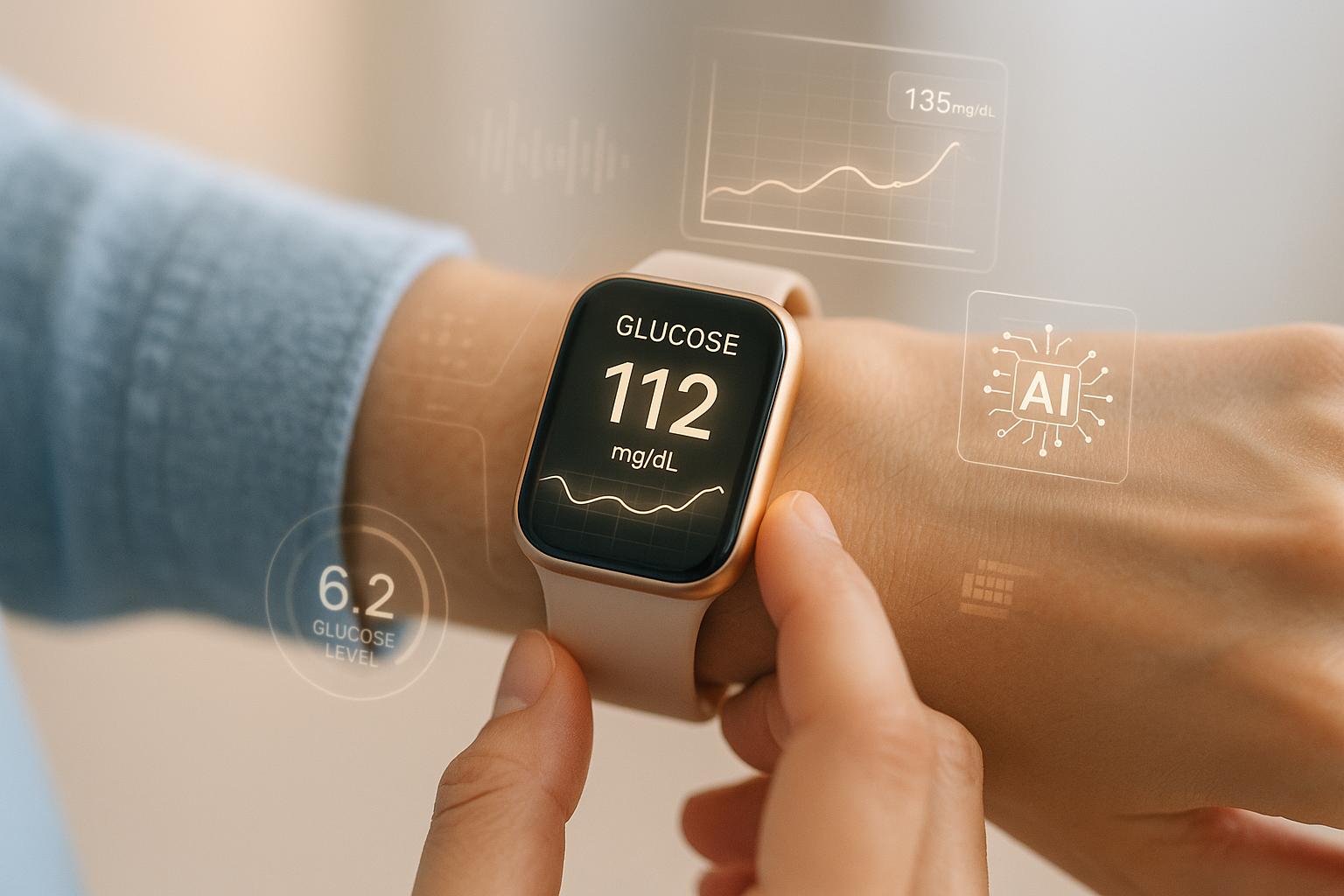
AI is reshaping how we monitor and manage blood sugar levels, offering smarter tools for diabetes care. Continuous glucose monitors (CGMs) now provide real-time data, and AI turns this data into predictions, alerts, and actionable advice. By analyzing trends and external factors like meals, exercise, and sleep, AI helps prevent glucose spikes and lows, reducing risks and improving daily management.
Key points:
CGMs provide frequent glucose readings, replacing fingerstick tests.
AI predicts glucose trends, adjusts insulin delivery, and offers personalized health recommendations.
Advanced systems like Healify combine CGM data with wearables and lifestyle inputs for 24/7 guidance.
Challenges include data privacy, device costs, and accessibility.
AI-powered tools are evolving quickly, aiming to simplify diabetes management with predictive insights and integrated solutions.
AI-enabled system helps diabetes patients manage blood sugar
Current Glucose Monitoring Technology
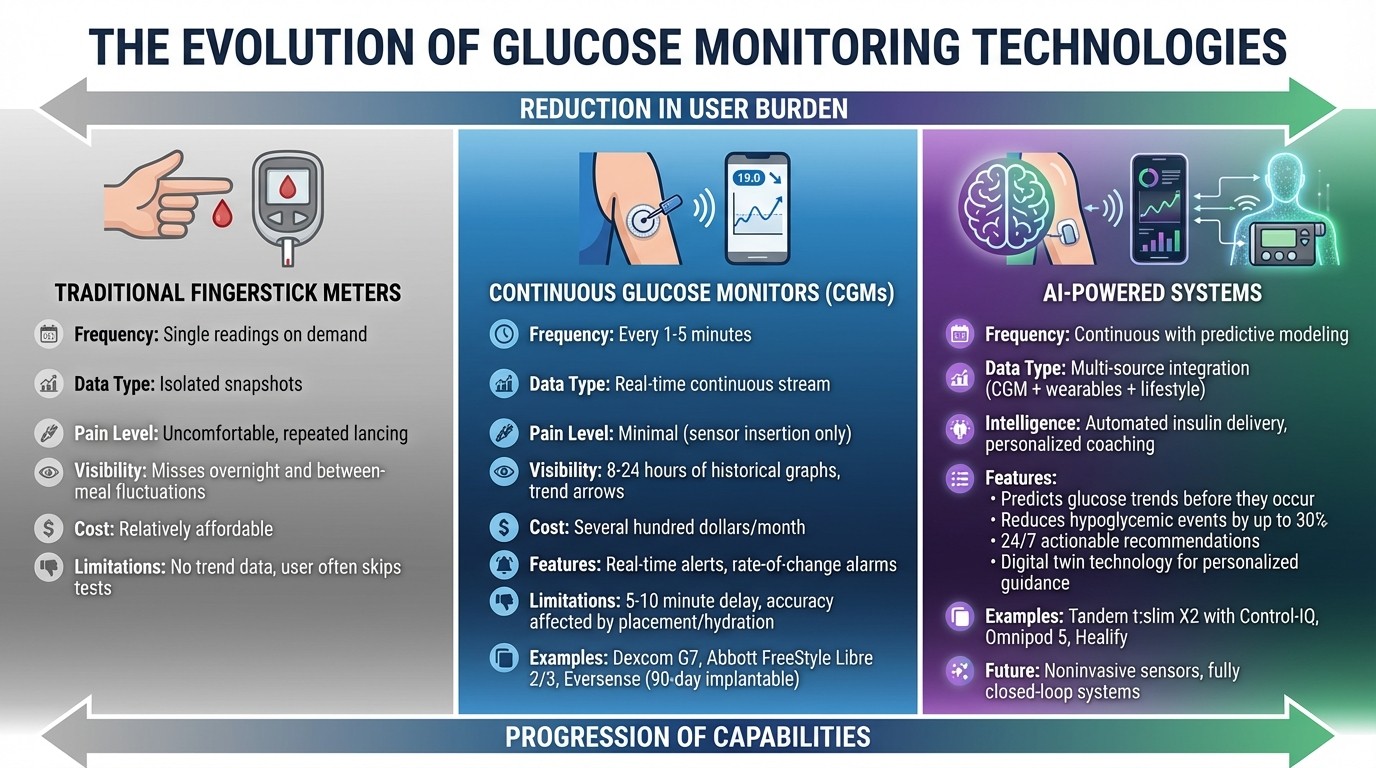
Evolution of Glucose Monitoring Technologies: Traditional vs CGM vs AI-Powered Systems
Fingerstick Meters and Lab Tests
Fingerstick blood glucose meters are still a mainstay in diabetes management across the United States. These devices require a small finger prick to collect a drop of blood, which is applied to a disposable test strip for a single glucose reading. While these meters are relatively affordable and reliable, they come with drawbacks. The process can be uncomfortable and inconvenient, with repeated lancing causing pain over time. This discomfort often leads users to skip tests, particularly during the night or between meals.
Another limitation of fingerstick meters is that they provide only isolated readings. They don't capture the full picture, such as glucose fluctuations after meals or during sleep. Additionally, factors like expired test strips or incorrect usage can impact accuracy.
Laboratory HbA1c tests complement fingerstick readings by providing an average blood glucose level over two to three months. This test is considered the gold standard for evaluating long-term control and guiding treatment adjustments. However, HbA1c tests overlook daily highs and lows, leaving gaps in understanding short-term glucose trends. These limitations underline the need for more advanced, continuous monitoring solutions.
Continuous Glucose Monitors (CGMs)
Continuous Glucose Monitors (CGMs) have revolutionized glucose tracking by offering a steady stream of data throughout the day. Devices like Dexcom G7 and Abbott FreeStyle Libre 2/3 use small sensors placed under the skin to measure glucose levels in interstitial fluid every 1–5 minutes. The data is sent wirelessly to smartphone apps or dedicated receivers, giving users access to real-time glucose readings, trend arrows, and historical graphs that show 8 to 24 hours of data.
These systems also include basic algorithms to filter signals, calibrate readings, and analyze trends. For example, they can alert users when glucose levels are climbing, stable, or dropping rapidly. Real-time notifications for high or low levels, along with rate-of-change alarms, help users take action before glucose levels reach dangerous extremes. The Eversense system takes this a step further, offering an implantable sensor that lasts up to 90 days, reducing the need for frequent replacements.
However, CGMs are not without challenges. A delay of 5–10 minutes in sensor readings can make them less reliable during rapid glucose changes, such as during exercise or after consuming sugar to treat a low. Accuracy can also be influenced by factors like sensor placement, hydration levels, skin pressure, and the initial warm-up period. Practical issues such as skin irritation, adhesive problems, and the need for regular sensor replacements can also affect user experience. In the U.S., costs can add up to several hundred dollars per month for supplies, even before factoring in insurance coverage, which can sometimes be tricky to navigate.
These hurdles highlight the opportunity for AI to enhance the interpretation and usability of CGM data.
Smartphone Apps and Cloud Platforms
Smartphone apps and cloud platforms have expanded the functionality of glucose monitoring systems by making data more accessible and easier to manage. Most CGMs and smart meters now sync with iOS and Android apps via Bluetooth, automatically logging glucose readings and backing them up to cloud storage. These apps provide users with trends, averages, and other insights, while cloud platforms enable data sharing with healthcare providers, caregivers, or family members - making remote monitoring and telehealth more practical.
That said, many of these tools rely on preset thresholds and basic pattern recognition. They focus on descriptive analytics, such as graphs and averages, rather than fully leveraging the wealth of data available. While these insights are helpful, platforms like Healify take it further by turning raw data into actionable advice. By combining CGM readings with data from wearables, lab results, and lifestyle factors, Healify and similar tools create personalized action plans. They move beyond simply reporting past trends to predicting future changes and recommending proactive steps.
This continuous flow of data lays the groundwork for the next generation of AI-powered glucose management, where algorithms do more than identify patterns - they guide users toward improved health and better outcomes.
How AI Is Changing Glucose Monitoring
AI in Automated Insulin Delivery
AI is transforming glucose management through hybrid closed-loop systems, which seamlessly connect continuous glucose monitors (CGMs) to insulin pumps. These systems use algorithms to automatically adjust basal insulin levels throughout the day and night, offering a smarter way to manage blood sugar. For example, the Tandem t:slim X2 with Control-IQ technology and the Omnipod 5 rely on AI-driven predictive modeling to help prevent dangerous blood sugar spikes and drops. Instead of reacting to changes after they happen, these systems use frequent CGM readings to make precise, proactive insulin adjustments.
Clinical trials highlight the impact of these advancements. The Omnipod 5, for instance, has been shown to reduce hypoglycemic events by up to 30% compared to traditional insulin pump therapy. Its AI adapts to individual patterns, optimizing insulin delivery for each user’s unique needs. [1][4]
Looking ahead, research is advancing even further. In 2025, the Inreda bihormonal artificial pancreas underwent testing, featuring a closed-loop system that delivers both insulin and glucagon automatically. This dual-hormone approach uses AI to analyze CGM data and balance both hormones, significantly reducing the frequency of high and low blood sugar events compared to insulin-only systems. [1][4][9]
These real-time data integrations are not just improving insulin delivery - they’re paving the way for broader AI applications in health coaching.
AI-Powered Health Coaching
AI is also reshaping glucose management through personalized health coaching. By leveraging real-time CGM data, AI tools can turn raw information into actionable steps for better health. A great example is Healify, an AI-powered health coaching app designed for iPhone users. Healify combines data from wearables, biometrics, blood tests, and lifestyle habits to provide 24/7 tailored advice through its virtual coach, Anna. For individuals managing glucose levels, the app translates CGM data into personalized recommendations - like adjusting meal choices, exercise routines, or stress management strategies to stabilize blood sugar. Users also receive instant alerts when patterns suggest potential issues, along with clear guidance on how to address them.
The benefits of such AI-driven precision health programs are backed by research. A Cleveland Clinic–led trial found that participants with type 2 diabetes who used an AI-powered coaching program experienced meaningful improvements in blood sugar control and cardiovascular health compared to those receiving standard care. [14]
Data Privacy and Security
While AI tools enhance glucose management, they also raise critical concerns about data privacy and security. These platforms collect and analyze highly sensitive health information, making robust protections essential. In the United States, any AI system handling glucose data must comply with HIPAA regulations, which require secure data handling, encryption, and explicit patient consent.
The interconnected nature of these systems - such as CGMs syncing with smartphones, insulin pumps connecting to cloud platforms, and wearables feeding data into coaching apps - creates additional challenges. HIPAA-compliant platforms address these risks by using encryption, anonymization, and strict access controls to safeguard patient information. [2]
Some researchers are exploring federated learning as a way to enhance privacy. This approach allows AI models to be trained directly on individual devices, eliminating the need to transmit raw patient data to central servers. By reducing the risk of data breaches while still improving algorithm performance, federated learning offers a promising path forward. [3]
As AI continues to integrate into glucose monitoring, these privacy and security measures are essential. They not only protect sensitive health data but also ensure that the benefits of AI-driven tools remain accessible and trustworthy for those who rely on them.
Emerging AI Technologies in Glucose Monitoring
Noninvasive and Minimally Invasive Sensors
The future of glucose monitoring is moving toward eliminating finger pricks altogether. Researchers at MIT have developed a system using Raman spectroscopy to monitor blood glucose levels noninvasively. This method works by analyzing how near-infrared light interacts with glucose molecules, offering a needle-free alternative to traditional testing methods. [7][8]
Another promising innovation combines high-frequency ultrasound (HFU) with AI. This technology analyzes blood glucose levels by examining cell properties through sound waves. In lab tests, the HFU-AI system captured 2,000 signal samples in under two seconds, demonstrating its potential for transcutaneous glucose monitoring. [11]
These advancements are laying the groundwork for algorithms that not only monitor but also predict glucose trends, enhancing diabetes management.
Predictive Algorithms and Digital Twins
AI is now harnessing predictive algorithms to forecast glucose fluctuations, building on the capabilities of real-time monitoring. These algorithms use machine learning and deep neural networks to analyze data from continuous glucose monitors (CGMs) alongside factors like pre-meal glucose levels, insulin doses, and dietary information. By identifying risks before they become issues, these systems enable users to take timely preventive measures. [1]
At the American Diabetes Association conference in summer 2025, GlyTwin showcased its ability to prevent blood sugar spikes in type 1 diabetes patients. This digital twin technology creates a personalized AI model that mimics an individual’s glucose patterns, offering tailored guidance on insulin and nutrition. [9]
Research also highlights AI's potential to predict type 1 diabetes up to a year before symptoms emerge, reducing the risk of complications like diabetic ketoacidosis. In February 2025, UC Davis introduced the BeaGL AI system, which integrates with CGMs and smartwatches to provide predictive glucose alerts. This innovation represents a step closer to fully closed-loop insulin delivery systems. [9][12]
Combining Multiple Data Sources
The true potential of AI in glucose monitoring comes to life when glucose data is combined with other health metrics. Modern platforms integrate CGM readings with information such as heart rate, sleep patterns, physical activity, stress levels, and food logs, creating a comprehensive metabolic profile. For example, Healify’s platform uses this approach to enhance predictive accuracy by identifying patterns across various physiological factors. [1][5]
In September 2025, Signos gained FDA approval for its AI platform, which works with Dexcom CGMs. This system uses upper-arm sensors to track glucose and analyzes how food and exercise impact blood sugar. It also provides personalized recommendations for weight management via an app. [10]
Healify goes even further by combining data from wearables, biometrics, bloodwork, and lifestyle habits through its AI health coach, Anna. For those monitoring glucose, the platform correlates CGM data with factors like sleep quality, stress levels, and activity patterns. This integrated approach helps users understand not just their glucose levels but how their daily routines influence blood sugar control, turning complex health data into actionable insights.
The Future of AI-Powered Glucose Management
From Data Collection to Action Plans
The future of AI-powered glucose management is all about turning raw data into real-time, actionable steps. Instead of just tracking blood sugar levels, advanced systems now provide personalized recommendations - like adjusting insulin doses before meals or suggesting a quick walk - without requiring you to analyze complex graphs or charts. These systems are designed to make managing glucose levels simpler and more intuitive.
Healify takes this concept further by integrating continuous glucose monitor (CGM) data with wearables, lab results, and lifestyle factors. Its AI health coach, Anna, identifies patterns across these inputs and delivers clear, actionable guidance around the clock. For instance, if your glucose levels start trending upward, Anna offers precise advice tailored to your unique metabolic profile, ensuring immediate and personalized support.
24/7 Support and Safety Features
AI-powered glucose management systems act as a round-the-clock health assistant, continuously monitoring your levels and providing alerts to prevent potential complications. Some advanced tools can even detect warning signs of serious issues, like diabetic ketoacidosis, up to a year in advance[9]. AI-enabled insulin pumps further enhance safety by learning your body's responses to factors like meals, sleep, exercise, and hormones. Over time, these pumps automatically fine-tune insulin delivery to better meet your needs[13].
Healify adds another layer of protection with its instant alert system, which monitors not just glucose trends but also other health signals. This ensures potential problems are flagged before they disrupt your day, allowing you to stay focused on work, family, or other daily activities without worry.
Working with Healthcare Providers
AI doesn’t just enhance personal glucose management - it also strengthens collaboration with healthcare providers. These systems generate secure, detailed CGM reports and personalized plans that can be easily shared during telemedicine appointments[1]. For example, Cleveland Clinic’s precision health program demonstrated in 2025 how combining sensor data with coaching interventions improved glycemic control in type 2 diabetes patients through continuous analysis and tailored adjustments[14]. Similarly, Stanford developed an AI algorithm capable of identifying diabetes subtypes - like insulin resistance or beta-cell deficiency - with 90% accuracy using CGM data. This breakthrough helps doctors create more precise treatment plans[6].
Healify was built with input from healthcare professionals and meets established medical standards. By sharing AI-generated insights with your doctor, you provide a complete picture of how your body reacts to different foods, activities, and medications throughout the day. This goes far beyond what a single lab test can reveal, enabling more informed decisions and proactive care between appointments.
Conclusion: AI's Role in the Next Decade of Glucose Monitoring
What to Expect in the Coming Years
In the next decade, AI is set to reshape glucose monitoring, evolving it from occasional checks to a more seamless, predictive, and tailored approach. Current systems already leverage advanced algorithms to analyze data from multiple sources, helping predict glucose fluctuations, automate insulin delivery, and offer personalized lifestyle advice[1][4]. These capabilities are expected to grow as closed-loop artificial pancreas systems advance. The transition will likely move from hybrid models - where users still input meal information - to fully automated systems capable of managing both insulin and glucagon delivery[4].
Noninvasive glucose monitoring is another promising development. Researchers at institutions like MIT are working on light-based sensors, such as those using near-infrared and Raman spectroscopy, to measure glucose through the skin. These could potentially eliminate the need for fingersticks or traditional continuous glucose monitors (CGMs)[7][8]. Although these technologies are still in the early stages, pilot devices and consumer-ready products may emerge within the next 5–10 years. AI will play a critical role in ensuring these sensors deliver accurate results by filtering out noise and calibrating data to individual physiology[1][7].
AI-driven personalization is also on the horizon, with innovations like digital twins and subtype identification. Digital twins are already being used to provide customized insulin and nutrition recommendations[9]. Meanwhile, researchers at Stanford have developed algorithms that can identify diabetes subtypes - such as insulin resistance or beta-cell dysfunction - with 90% accuracy using CGM data[6]. For people managing diabetes in the U.S., this means fewer unnecessary alarms, better glucose stability, and guidance tailored to their unique needs, including dietary preferences, daily schedules, and budgets. Platforms like Healify exemplify this future, combining glucose data with information from wearables, lab results, and lifestyle factors to offer practical daily plans. These might include meal adjustments, post-dinner walking targets, or sleep improvement tips, all presented in straightforward terms that resonate with American lifestyles. Despite these advancements, several challenges remain.
Setting Realistic Expectations
While these advancements are promising, there are still hurdles to overcome. AI models trained on limited or non-representative datasets may produce less accurate results for populations disproportionately affected by diabetes in the U.S.[5]. Data privacy is another pressing issue. Although techniques like federated learning allow models to be trained directly on users' devices without transferring raw data to central servers[3], patients need clarity about how their data is used, who has access, and what safeguards are in place.
Cost and accessibility pose additional challenges. High device prices, inconsistent insurance coverage, and limited availability in underserved areas could delay widespread adoption[4][5]. Regulatory hurdles, including FDA oversight and guidelines for software as a medical device, will also impact how quickly these technologies reach patients and how often AI models can be updated in real-world settings[4][5]. Another critical factor is interoperability. Devices like CGMs, insulin pumps, wearables, and electronic health records need to communicate seamlessly. Without standardized data sharing, users risk being locked into proprietary systems or forced to manually transfer information between platforms[1][5].
It’s important to view AI as a support tool that enhances, rather than replaces, medical expertise. While AI can assist with predictions and day-to-day management, it’s not infallible. Users will still need to understand essential skills like carb counting, treating hypoglycemia, and managing sick days. Progress will likely be incremental, with occasional setbacks along the way[1][5]. For clinicians, AI will shift the focus toward continuous, data-driven care. AI-generated summaries can inform shared decision-making during appointments, while automated coaching provides daily guidance and flags critical issues for human review[1][5]. With collaboration between device manufacturers, software developers, healthcare providers, and regulators, AI-powered glucose monitoring has the potential to significantly improve safety, convenience, and outcomes in the years ahead.
FAQs
How is AI making continuous glucose monitors (CGMs) more accurate and user-friendly?
AI takes continuous glucose monitors (CGMs) to the next level by analyzing data in real time, spotting patterns, and delivering customized insights for each user. By identifying trends and anomalies in blood sugar levels, AI helps fine-tune accuracy and provides proactive suggestions to address potential problems before they escalate.
On top of that, AI-driven features simplify the experience by turning complex glucose data into easy-to-follow guidance. This makes it simpler for users to understand their glucose levels and make smarter choices about their diet, physical activity, and overall health management.
What privacy concerns should I be aware of with AI-based glucose monitoring tools?
AI-powered glucose monitoring tools deal with sensitive health information, making privacy a top concern. Issues like data breaches, unauthorized access, and the misuse of personal details are real risks. To address these, it's crucial for these tools to adopt strong security protocols and comply with privacy regulations.
Before using any of these tools, take the time to review their privacy policies. Understand how your data is collected, stored, and shared. Choosing platforms that prioritize strong data protection measures can go a long way in keeping your health information secure.
What advancements can we expect in AI-powered glucose monitoring over the next decade?
AI-powered glucose monitoring is set to change the way we keep track of blood sugar levels. Upcoming advancements might feature non-invasive sensors, continuous monitoring tools, and smarter AI systems that predict glucose trends with even better precision. These innovations could allow real-time tracking and proactive adjustments, helping users address potential issues before they escalate.
In the next ten years, AI's involvement in glucose monitoring is expected to grow, offering personalized insights and recommendations based on each individual's health data. The goal is to make managing diabetes simpler, more effective, and aligned with a person's unique lifestyle and needs.
Related Blog Posts
AI is reshaping how we monitor and manage blood sugar levels, offering smarter tools for diabetes care. Continuous glucose monitors (CGMs) now provide real-time data, and AI turns this data into predictions, alerts, and actionable advice. By analyzing trends and external factors like meals, exercise, and sleep, AI helps prevent glucose spikes and lows, reducing risks and improving daily management.
Key points:
CGMs provide frequent glucose readings, replacing fingerstick tests.
AI predicts glucose trends, adjusts insulin delivery, and offers personalized health recommendations.
Advanced systems like Healify combine CGM data with wearables and lifestyle inputs for 24/7 guidance.
Challenges include data privacy, device costs, and accessibility.
AI-powered tools are evolving quickly, aiming to simplify diabetes management with predictive insights and integrated solutions.
AI-enabled system helps diabetes patients manage blood sugar
Current Glucose Monitoring Technology
Evolution of Glucose Monitoring Technologies: Traditional vs CGM vs AI-Powered Systems
Fingerstick Meters and Lab Tests
Fingerstick blood glucose meters are still a mainstay in diabetes management across the United States. These devices require a small finger prick to collect a drop of blood, which is applied to a disposable test strip for a single glucose reading. While these meters are relatively affordable and reliable, they come with drawbacks. The process can be uncomfortable and inconvenient, with repeated lancing causing pain over time. This discomfort often leads users to skip tests, particularly during the night or between meals.
Another limitation of fingerstick meters is that they provide only isolated readings. They don't capture the full picture, such as glucose fluctuations after meals or during sleep. Additionally, factors like expired test strips or incorrect usage can impact accuracy.
Laboratory HbA1c tests complement fingerstick readings by providing an average blood glucose level over two to three months. This test is considered the gold standard for evaluating long-term control and guiding treatment adjustments. However, HbA1c tests overlook daily highs and lows, leaving gaps in understanding short-term glucose trends. These limitations underline the need for more advanced, continuous monitoring solutions.
Continuous Glucose Monitors (CGMs)
Continuous Glucose Monitors (CGMs) have revolutionized glucose tracking by offering a steady stream of data throughout the day. Devices like Dexcom G7 and Abbott FreeStyle Libre 2/3 use small sensors placed under the skin to measure glucose levels in interstitial fluid every 1–5 minutes. The data is sent wirelessly to smartphone apps or dedicated receivers, giving users access to real-time glucose readings, trend arrows, and historical graphs that show 8 to 24 hours of data.
These systems also include basic algorithms to filter signals, calibrate readings, and analyze trends. For example, they can alert users when glucose levels are climbing, stable, or dropping rapidly. Real-time notifications for high or low levels, along with rate-of-change alarms, help users take action before glucose levels reach dangerous extremes. The Eversense system takes this a step further, offering an implantable sensor that lasts up to 90 days, reducing the need for frequent replacements.
However, CGMs are not without challenges. A delay of 5–10 minutes in sensor readings can make them less reliable during rapid glucose changes, such as during exercise or after consuming sugar to treat a low. Accuracy can also be influenced by factors like sensor placement, hydration levels, skin pressure, and the initial warm-up period. Practical issues such as skin irritation, adhesive problems, and the need for regular sensor replacements can also affect user experience. In the U.S., costs can add up to several hundred dollars per month for supplies, even before factoring in insurance coverage, which can sometimes be tricky to navigate.
These hurdles highlight the opportunity for AI to enhance the interpretation and usability of CGM data.
Smartphone Apps and Cloud Platforms
Smartphone apps and cloud platforms have expanded the functionality of glucose monitoring systems by making data more accessible and easier to manage. Most CGMs and smart meters now sync with iOS and Android apps via Bluetooth, automatically logging glucose readings and backing them up to cloud storage. These apps provide users with trends, averages, and other insights, while cloud platforms enable data sharing with healthcare providers, caregivers, or family members - making remote monitoring and telehealth more practical.
That said, many of these tools rely on preset thresholds and basic pattern recognition. They focus on descriptive analytics, such as graphs and averages, rather than fully leveraging the wealth of data available. While these insights are helpful, platforms like Healify take it further by turning raw data into actionable advice. By combining CGM readings with data from wearables, lab results, and lifestyle factors, Healify and similar tools create personalized action plans. They move beyond simply reporting past trends to predicting future changes and recommending proactive steps.
This continuous flow of data lays the groundwork for the next generation of AI-powered glucose management, where algorithms do more than identify patterns - they guide users toward improved health and better outcomes.
How AI Is Changing Glucose Monitoring
AI in Automated Insulin Delivery
AI is transforming glucose management through hybrid closed-loop systems, which seamlessly connect continuous glucose monitors (CGMs) to insulin pumps. These systems use algorithms to automatically adjust basal insulin levels throughout the day and night, offering a smarter way to manage blood sugar. For example, the Tandem t:slim X2 with Control-IQ technology and the Omnipod 5 rely on AI-driven predictive modeling to help prevent dangerous blood sugar spikes and drops. Instead of reacting to changes after they happen, these systems use frequent CGM readings to make precise, proactive insulin adjustments.
Clinical trials highlight the impact of these advancements. The Omnipod 5, for instance, has been shown to reduce hypoglycemic events by up to 30% compared to traditional insulin pump therapy. Its AI adapts to individual patterns, optimizing insulin delivery for each user’s unique needs. [1][4]
Looking ahead, research is advancing even further. In 2025, the Inreda bihormonal artificial pancreas underwent testing, featuring a closed-loop system that delivers both insulin and glucagon automatically. This dual-hormone approach uses AI to analyze CGM data and balance both hormones, significantly reducing the frequency of high and low blood sugar events compared to insulin-only systems. [1][4][9]
These real-time data integrations are not just improving insulin delivery - they’re paving the way for broader AI applications in health coaching.
AI-Powered Health Coaching
AI is also reshaping glucose management through personalized health coaching. By leveraging real-time CGM data, AI tools can turn raw information into actionable steps for better health. A great example is Healify, an AI-powered health coaching app designed for iPhone users. Healify combines data from wearables, biometrics, blood tests, and lifestyle habits to provide 24/7 tailored advice through its virtual coach, Anna. For individuals managing glucose levels, the app translates CGM data into personalized recommendations - like adjusting meal choices, exercise routines, or stress management strategies to stabilize blood sugar. Users also receive instant alerts when patterns suggest potential issues, along with clear guidance on how to address them.
The benefits of such AI-driven precision health programs are backed by research. A Cleveland Clinic–led trial found that participants with type 2 diabetes who used an AI-powered coaching program experienced meaningful improvements in blood sugar control and cardiovascular health compared to those receiving standard care. [14]
Data Privacy and Security
While AI tools enhance glucose management, they also raise critical concerns about data privacy and security. These platforms collect and analyze highly sensitive health information, making robust protections essential. In the United States, any AI system handling glucose data must comply with HIPAA regulations, which require secure data handling, encryption, and explicit patient consent.
The interconnected nature of these systems - such as CGMs syncing with smartphones, insulin pumps connecting to cloud platforms, and wearables feeding data into coaching apps - creates additional challenges. HIPAA-compliant platforms address these risks by using encryption, anonymization, and strict access controls to safeguard patient information. [2]
Some researchers are exploring federated learning as a way to enhance privacy. This approach allows AI models to be trained directly on individual devices, eliminating the need to transmit raw patient data to central servers. By reducing the risk of data breaches while still improving algorithm performance, federated learning offers a promising path forward. [3]
As AI continues to integrate into glucose monitoring, these privacy and security measures are essential. They not only protect sensitive health data but also ensure that the benefits of AI-driven tools remain accessible and trustworthy for those who rely on them.
Emerging AI Technologies in Glucose Monitoring
Noninvasive and Minimally Invasive Sensors
The future of glucose monitoring is moving toward eliminating finger pricks altogether. Researchers at MIT have developed a system using Raman spectroscopy to monitor blood glucose levels noninvasively. This method works by analyzing how near-infrared light interacts with glucose molecules, offering a needle-free alternative to traditional testing methods. [7][8]
Another promising innovation combines high-frequency ultrasound (HFU) with AI. This technology analyzes blood glucose levels by examining cell properties through sound waves. In lab tests, the HFU-AI system captured 2,000 signal samples in under two seconds, demonstrating its potential for transcutaneous glucose monitoring. [11]
These advancements are laying the groundwork for algorithms that not only monitor but also predict glucose trends, enhancing diabetes management.
Predictive Algorithms and Digital Twins
AI is now harnessing predictive algorithms to forecast glucose fluctuations, building on the capabilities of real-time monitoring. These algorithms use machine learning and deep neural networks to analyze data from continuous glucose monitors (CGMs) alongside factors like pre-meal glucose levels, insulin doses, and dietary information. By identifying risks before they become issues, these systems enable users to take timely preventive measures. [1]
At the American Diabetes Association conference in summer 2025, GlyTwin showcased its ability to prevent blood sugar spikes in type 1 diabetes patients. This digital twin technology creates a personalized AI model that mimics an individual’s glucose patterns, offering tailored guidance on insulin and nutrition. [9]
Research also highlights AI's potential to predict type 1 diabetes up to a year before symptoms emerge, reducing the risk of complications like diabetic ketoacidosis. In February 2025, UC Davis introduced the BeaGL AI system, which integrates with CGMs and smartwatches to provide predictive glucose alerts. This innovation represents a step closer to fully closed-loop insulin delivery systems. [9][12]
Combining Multiple Data Sources
The true potential of AI in glucose monitoring comes to life when glucose data is combined with other health metrics. Modern platforms integrate CGM readings with information such as heart rate, sleep patterns, physical activity, stress levels, and food logs, creating a comprehensive metabolic profile. For example, Healify’s platform uses this approach to enhance predictive accuracy by identifying patterns across various physiological factors. [1][5]
In September 2025, Signos gained FDA approval for its AI platform, which works with Dexcom CGMs. This system uses upper-arm sensors to track glucose and analyzes how food and exercise impact blood sugar. It also provides personalized recommendations for weight management via an app. [10]
Healify goes even further by combining data from wearables, biometrics, bloodwork, and lifestyle habits through its AI health coach, Anna. For those monitoring glucose, the platform correlates CGM data with factors like sleep quality, stress levels, and activity patterns. This integrated approach helps users understand not just their glucose levels but how their daily routines influence blood sugar control, turning complex health data into actionable insights.
The Future of AI-Powered Glucose Management
From Data Collection to Action Plans
The future of AI-powered glucose management is all about turning raw data into real-time, actionable steps. Instead of just tracking blood sugar levels, advanced systems now provide personalized recommendations - like adjusting insulin doses before meals or suggesting a quick walk - without requiring you to analyze complex graphs or charts. These systems are designed to make managing glucose levels simpler and more intuitive.
Healify takes this concept further by integrating continuous glucose monitor (CGM) data with wearables, lab results, and lifestyle factors. Its AI health coach, Anna, identifies patterns across these inputs and delivers clear, actionable guidance around the clock. For instance, if your glucose levels start trending upward, Anna offers precise advice tailored to your unique metabolic profile, ensuring immediate and personalized support.
24/7 Support and Safety Features
AI-powered glucose management systems act as a round-the-clock health assistant, continuously monitoring your levels and providing alerts to prevent potential complications. Some advanced tools can even detect warning signs of serious issues, like diabetic ketoacidosis, up to a year in advance[9]. AI-enabled insulin pumps further enhance safety by learning your body's responses to factors like meals, sleep, exercise, and hormones. Over time, these pumps automatically fine-tune insulin delivery to better meet your needs[13].
Healify adds another layer of protection with its instant alert system, which monitors not just glucose trends but also other health signals. This ensures potential problems are flagged before they disrupt your day, allowing you to stay focused on work, family, or other daily activities without worry.
Working with Healthcare Providers
AI doesn’t just enhance personal glucose management - it also strengthens collaboration with healthcare providers. These systems generate secure, detailed CGM reports and personalized plans that can be easily shared during telemedicine appointments[1]. For example, Cleveland Clinic’s precision health program demonstrated in 2025 how combining sensor data with coaching interventions improved glycemic control in type 2 diabetes patients through continuous analysis and tailored adjustments[14]. Similarly, Stanford developed an AI algorithm capable of identifying diabetes subtypes - like insulin resistance or beta-cell deficiency - with 90% accuracy using CGM data. This breakthrough helps doctors create more precise treatment plans[6].
Healify was built with input from healthcare professionals and meets established medical standards. By sharing AI-generated insights with your doctor, you provide a complete picture of how your body reacts to different foods, activities, and medications throughout the day. This goes far beyond what a single lab test can reveal, enabling more informed decisions and proactive care between appointments.
Conclusion: AI's Role in the Next Decade of Glucose Monitoring
What to Expect in the Coming Years
In the next decade, AI is set to reshape glucose monitoring, evolving it from occasional checks to a more seamless, predictive, and tailored approach. Current systems already leverage advanced algorithms to analyze data from multiple sources, helping predict glucose fluctuations, automate insulin delivery, and offer personalized lifestyle advice[1][4]. These capabilities are expected to grow as closed-loop artificial pancreas systems advance. The transition will likely move from hybrid models - where users still input meal information - to fully automated systems capable of managing both insulin and glucagon delivery[4].
Noninvasive glucose monitoring is another promising development. Researchers at institutions like MIT are working on light-based sensors, such as those using near-infrared and Raman spectroscopy, to measure glucose through the skin. These could potentially eliminate the need for fingersticks or traditional continuous glucose monitors (CGMs)[7][8]. Although these technologies are still in the early stages, pilot devices and consumer-ready products may emerge within the next 5–10 years. AI will play a critical role in ensuring these sensors deliver accurate results by filtering out noise and calibrating data to individual physiology[1][7].
AI-driven personalization is also on the horizon, with innovations like digital twins and subtype identification. Digital twins are already being used to provide customized insulin and nutrition recommendations[9]. Meanwhile, researchers at Stanford have developed algorithms that can identify diabetes subtypes - such as insulin resistance or beta-cell dysfunction - with 90% accuracy using CGM data[6]. For people managing diabetes in the U.S., this means fewer unnecessary alarms, better glucose stability, and guidance tailored to their unique needs, including dietary preferences, daily schedules, and budgets. Platforms like Healify exemplify this future, combining glucose data with information from wearables, lab results, and lifestyle factors to offer practical daily plans. These might include meal adjustments, post-dinner walking targets, or sleep improvement tips, all presented in straightforward terms that resonate with American lifestyles. Despite these advancements, several challenges remain.
Setting Realistic Expectations
While these advancements are promising, there are still hurdles to overcome. AI models trained on limited or non-representative datasets may produce less accurate results for populations disproportionately affected by diabetes in the U.S.[5]. Data privacy is another pressing issue. Although techniques like federated learning allow models to be trained directly on users' devices without transferring raw data to central servers[3], patients need clarity about how their data is used, who has access, and what safeguards are in place.
Cost and accessibility pose additional challenges. High device prices, inconsistent insurance coverage, and limited availability in underserved areas could delay widespread adoption[4][5]. Regulatory hurdles, including FDA oversight and guidelines for software as a medical device, will also impact how quickly these technologies reach patients and how often AI models can be updated in real-world settings[4][5]. Another critical factor is interoperability. Devices like CGMs, insulin pumps, wearables, and electronic health records need to communicate seamlessly. Without standardized data sharing, users risk being locked into proprietary systems or forced to manually transfer information between platforms[1][5].
It’s important to view AI as a support tool that enhances, rather than replaces, medical expertise. While AI can assist with predictions and day-to-day management, it’s not infallible. Users will still need to understand essential skills like carb counting, treating hypoglycemia, and managing sick days. Progress will likely be incremental, with occasional setbacks along the way[1][5]. For clinicians, AI will shift the focus toward continuous, data-driven care. AI-generated summaries can inform shared decision-making during appointments, while automated coaching provides daily guidance and flags critical issues for human review[1][5]. With collaboration between device manufacturers, software developers, healthcare providers, and regulators, AI-powered glucose monitoring has the potential to significantly improve safety, convenience, and outcomes in the years ahead.
FAQs
How is AI making continuous glucose monitors (CGMs) more accurate and user-friendly?
AI takes continuous glucose monitors (CGMs) to the next level by analyzing data in real time, spotting patterns, and delivering customized insights for each user. By identifying trends and anomalies in blood sugar levels, AI helps fine-tune accuracy and provides proactive suggestions to address potential problems before they escalate.
On top of that, AI-driven features simplify the experience by turning complex glucose data into easy-to-follow guidance. This makes it simpler for users to understand their glucose levels and make smarter choices about their diet, physical activity, and overall health management.
What privacy concerns should I be aware of with AI-based glucose monitoring tools?
AI-powered glucose monitoring tools deal with sensitive health information, making privacy a top concern. Issues like data breaches, unauthorized access, and the misuse of personal details are real risks. To address these, it's crucial for these tools to adopt strong security protocols and comply with privacy regulations.
Before using any of these tools, take the time to review their privacy policies. Understand how your data is collected, stored, and shared. Choosing platforms that prioritize strong data protection measures can go a long way in keeping your health information secure.
What advancements can we expect in AI-powered glucose monitoring over the next decade?
AI-powered glucose monitoring is set to change the way we keep track of blood sugar levels. Upcoming advancements might feature non-invasive sensors, continuous monitoring tools, and smarter AI systems that predict glucose trends with even better precision. These innovations could allow real-time tracking and proactive adjustments, helping users address potential issues before they escalate.
In the next ten years, AI's involvement in glucose monitoring is expected to grow, offering personalized insights and recommendations based on each individual's health data. The goal is to make managing diabetes simpler, more effective, and aligned with a person's unique lifestyle and needs.
Related Blog Posts

Endlich die Kontrolle über Ihre Gesundheit übernehmen

Endlich die Kontrolle über Ihre Gesundheit übernehmen
Endlich die Kontrolle über Ihre Gesundheit übernehmen