Improve your health
Improve your health
Improve your health
19. Januar 2026
How AI Detects Sleep Disorders in Smart Beds
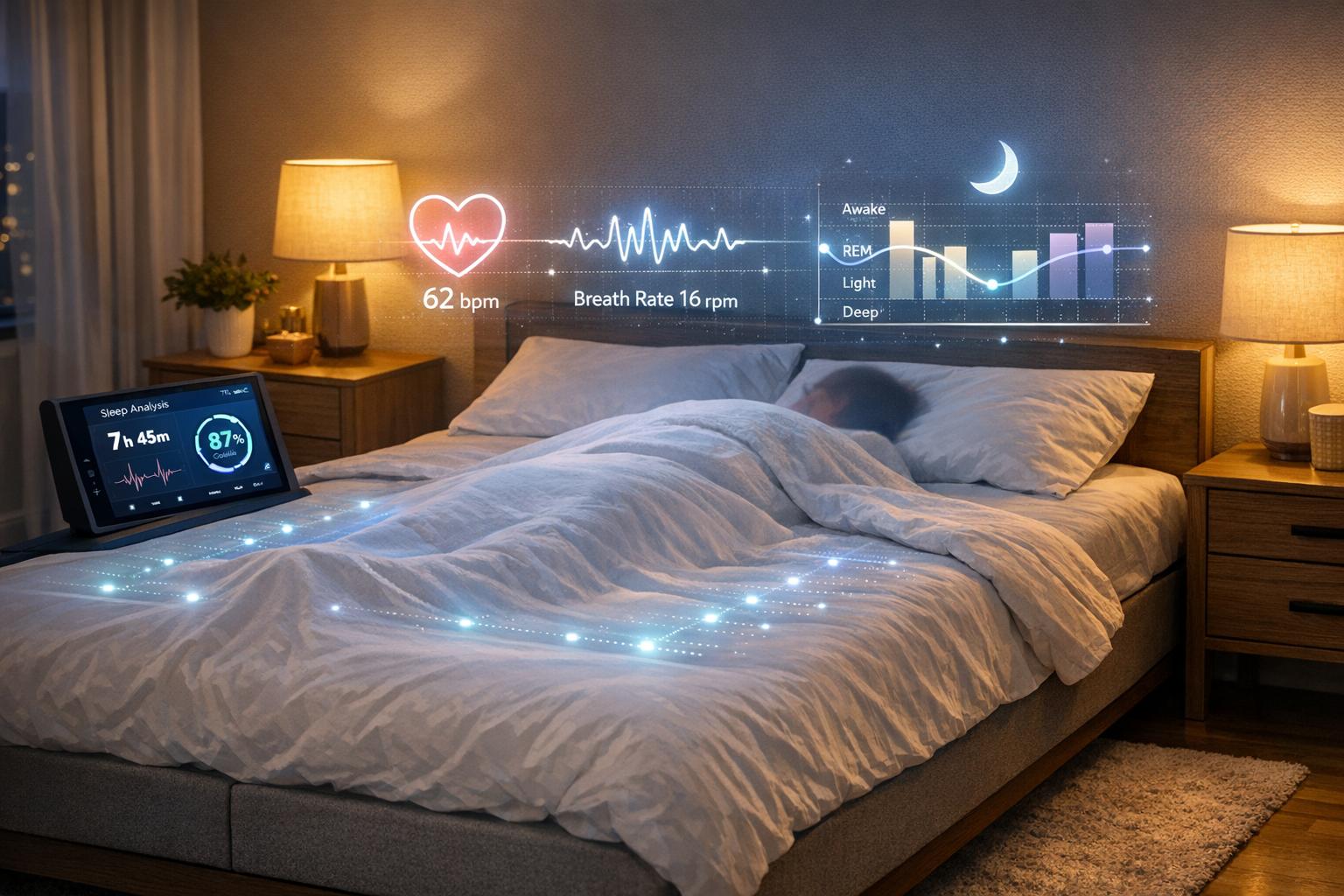
Smart beds with AI are transforming how we monitor and manage sleep. These beds use embedded sensors and machine learning to detect sleep disorders like insomnia and sleep apnea from the comfort of your home. Unlike traditional sleep labs, smart beds provide continuous, contactless monitoring of heart rate, breathing, and movement, offering insights into your sleep health. Here's what you need to know:
How It Works: Sensors like ballistocardiography (BCG), load cells, and pressure sensors track physiological signals. AI models analyze this data to identify sleep patterns and disorders.
Key Benefits: Detects risks early, tracks sleep stages (light, deep, REM), and calculates metrics like Apnea-Hypopnea Index (AHI) for sleep apnea.
Personalized Insights: AI adapts to your unique sleep patterns after just a few nights, improving detection accuracy.
Real-World Impact: Studies show smart beds can predict health risks like heart attacks (correlation of 0.81) and even detect conditions like Parkinson's disease with 89% accuracy.
These advancements make sleep monitoring more accessible and effective, helping users address sleep disorders before they escalate.
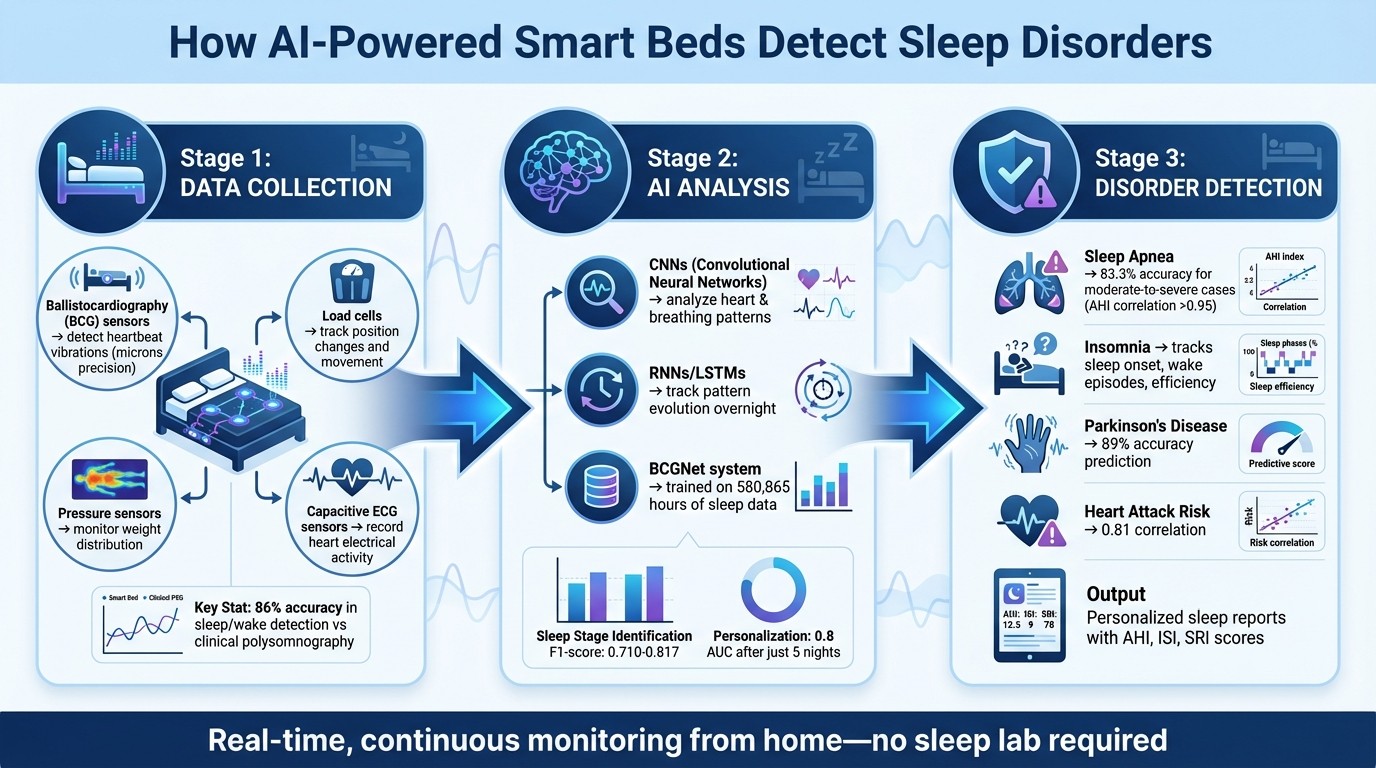
How AI-Powered Smart Beds Detect Sleep Disorders: A 3-Stage Process
How smart beds are transforming the way we sleep | Innov'Nation
How Smart Beds Collect Sleep Data
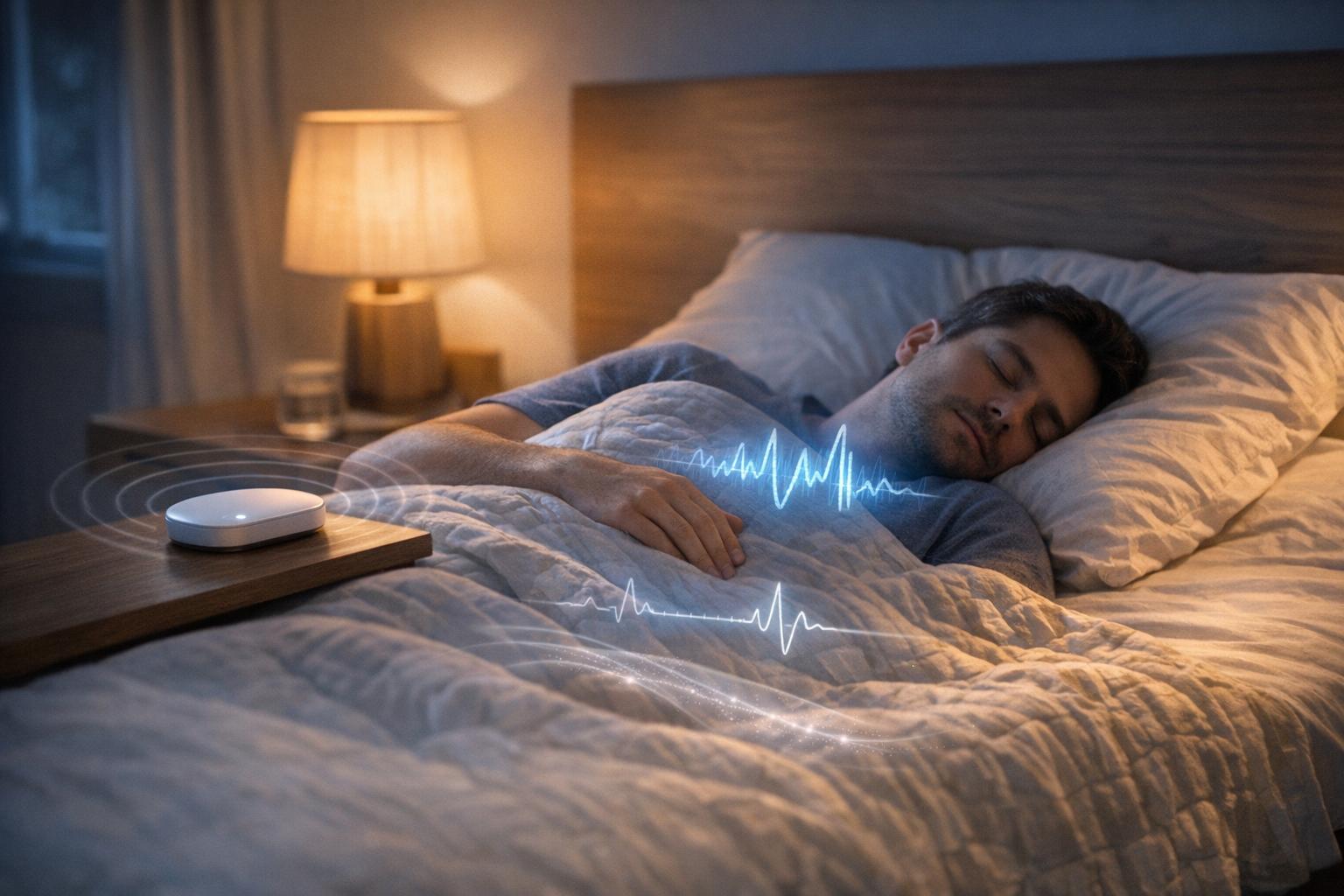
Smart beds are equipped with built-in sensors that track your sleep without requiring any effort on your part. These sensors are seamlessly integrated into the bed, so you won’t even notice they’re there. No need to wear a device or press any buttons - just lie down, and the tracking begins.
Sensor Types in Smart Beds
Modern smart beds rely on a variety of advanced sensors to gather sleep data, all without requiring physical contact. One key technology is ballistocardiography (BCG) sensors, which use ultra-sensitive accelerometers or piezoelectric films to pick up the tiny vibrations caused by your heartbeat and breathing. These sensors are so precise they can detect chest movements as small as a few microns for heartbeats and a few millimeters for breathing [7].
Load cells are placed at the corners of the bed to measure force and weight distribution. These detect when you shift positions, roll over, or leave the bed by balancing signals from all four corners [7]. Embedded pressure sensors take it a step further by monitoring how your weight is distributed across the mattress. These sensors are sensitive enough to catch even the slight pressure changes caused by your heart’s activity [7].
Some systems also use radar and millimeter-wave sensors to track chest movements without any contact [7]. Additionally, capacitive ECG sensors woven into the bed can record your heart’s electrical impulses through your clothing and bedding [7]. For instance, the Tempur Sleeptracker-AI system places sensors under the pillows to independently monitor two sleepers, with color-coded ports to differentiate between the left and right sides of the bed [5].
"The Sleeptracker-AI® Engine can accurately recognize someone reading in bed as opposed to trying to sleep. This is achieved using machine learning algorithms that take into account breathing rate, heart rate, and micro-motions." - Tempur Sleeptracker-AI User Guide [5]
These technologies work together to provide detailed, real-time insights into your sleep.
Continuous Data Collection
Once you’ve been in bed for about 20 minutes, the system starts recording automatically. Throughout the night, the sensors continuously track your heart rate, breathing rate, movement patterns, and even snoring vibrations [5].
The data is sent to cloud servers via Wi-Fi, with up to 4 hours of data stored locally in case of connection issues [5]. A 2022 study involving 45 participants aged 22–64 showed that the Sleep Number smart bed had an 86% accuracy rate in distinguishing between sleep and wake states when compared to clinical polysomnography. The study also found strong correlations for heart rate (r = 0.81) and breathing rate (r = 0.71) [6]. This constant stream of data allows AI to quickly detect unusual sleep patterns, enabling early intervention. Over time, this ongoing monitoring provides a comprehensive view of your sleep habits - something that a single visit to a sleep lab simply can’t replicate.
How AI Algorithms Analyze Sleep Patterns
Modern machine learning models, trained on vast amounts of sleep data, process information gathered by smart bed sensors to understand sleep behaviors. These algorithms can distinguish healthy sleep patterns from potential red flags, breaking down sleep stages and spotting irregularities.
Machine Learning and Sleep Stages
AI leverages deep learning frameworks to categorize sleep into stages like light sleep, deep sleep, REM, and wakefulness. This is achieved through the combined efforts of two types of neural networks. Convolutional Neural Networks (CNNs) focus on analyzing short bursts of heart and breathing signals to detect patterns, while Recurrent Neural Networks (RNNs) or LSTMs track how these patterns evolve over the course of the night [3][10].
One standout system, BCGNet, employs transfer learning. Initially trained on clinical PSG (polysomnography) data, it is then fine-tuned using data from in-home smart beds [8]. In August 2025, researchers from Five Seasons Medical and Griffith University evaluated BCGNet on 580,865 hours of PSG data and 15,081 hours of smart bed data. The results were impressive: the system achieved an F1-score ranging from 0.710 to 0.817 for identifying all four sleep stages [4][8]. Since deep sleep accounts for only 10–20% of total sleep, specialized weighting ensures accurate detection [9]. This precise staging is critical for identifying sleep disorders in real time.
Pattern Recognition for Sleep Disorders
Building on accurate sleep stage analysis, AI systems can also detect specific sleep disorders. For example, in the case of sleep apnea, algorithms track respiratory events - pauses in breathing (apneas) and shallow breathing episodes (hypopneas) - to calculate the Apnea-Hypopnea Index (AHI) [3]. Remarkably, BCGNet demonstrated a correlation coefficient exceeding 0.95 when estimating AHI compared to clinical measurements [4].
When it comes to insomnia, AI takes a tailored approach. In February 2024, Sleep Number Labs introduced a study using a "passive-aggressive" machine learning model. This model analyzed 14 features, such as time to fall asleep, heart rate variability, and sleep consistency, collected from 1,489 smart bed users [1]. Personalization played a key role - accuracy jumped from random chance (AUC 0.5) to over 0.8 after just five nights of user-specific data [1].
"The incremental model is advantageous because it allows personalized fine-tuning by adding individual training data to a generic model." - Trevor Winger et al., Sleep Number Labs [1]
The most advanced systems, like Stanford's SleepFM foundation model, push the boundaries even further. Launched in January 2026, this AI examines sleep data in five-second intervals, using contrastive learning to detect when different body systems are "out of sync." For instance, it can identify scenarios where the brain appears asleep, but the heart rate suggests wakefulness [2]. This approach enabled researchers to predict over 100 health conditions, including Parkinson's disease, with an accuracy of 89% [2].
"The most information we got for predicting disease was by contrasting the different channels. Body constituents that were out of sync - a brain that looks asleep but a heart that looks awake, for example - seemed to spell trouble." - Emmanuel Mignot, Professor in Sleep Medicine, Stanford Medicine [2]
How AI Detects Common Sleep Disorders
Once AI establishes your sleep stages, it shifts focus to identifying potential disorders. By analyzing distinct physiological signals - like breathing pauses for sleep apnea or patterns of restlessness for insomnia - it deciphers the unique "fingerprints" each disorder leaves in your sleep data. Machine learning algorithms, trained on these patterns, make detection possible. Let’s dive into how AI tackles two common conditions: sleep apnea and insomnia.
Sleep Apnea Detection
AI-powered smart beds detect sleep apnea by monitoring breathing interruptions and changes in cardiovascular activity throughout the night. Using embedded Ballistocardiography (BCG) sensors, these systems pick up tiny movements from your heartbeat and chest. They can identify when airflow stops entirely (apnea) or becomes shallow (hypopnea). From this data, the AI calculates your Apnea-Hypopnea Index (AHI) - the number of breathing disruptions per hour. This index not only determines the severity of the condition but also serves as a key screening tool. Research shows that an estimated 92% of women and 82% of men with sleep apnea remain undiagnosed [3].
One standout example is BCGNet, a system developed by researchers at Stanford and Harvard. It can detect moderate-to-severe apnea (AHI ≥ 15) with an accuracy of 83.3% [3]. This type of continuous, at-home monitoring complements traditional clinical evaluations, offering timely insights into the condition.
Some smart beds even take it a step further by offering interventions. For instance, the Tempur® Sleeptracker-AI® system, launched in December 2025, includes a "Smart Snore Position" feature. When the sensors detect sustained, intense snoring - a common indicator of sleep apnea - the AI automatically adjusts the bed’s angle to help open the airway [5]. Central sleep apnea, in particular, is easier for AI to identify compared to obstructive sleep apnea, as it produces distinct gaps in the BCG signal when respiratory movement halts entirely [3].
Insomnia Detection
AI approaches insomnia detection differently, focusing on patterns of restlessness, difficulty falling asleep, frequent awakenings, and waking up too early. Smart beds analyze metrics like Sleep Onset Latency (how long it takes to fall asleep), Wake After Sleep Onset (time spent awake during the night), and overall sleep efficiency. Additionally, these systems monitor body movements, heart rate variability, and "physiological asynchrony" - a state where your brain seems to be asleep, but your heart rate suggests wakefulness [2].
Personalization plays a crucial role in accurately identifying insomnia. AI models tailored to individual sleep patterns become significantly more effective after just a few nights of data collection [1]. By learning your unique sleep habits, the system can pinpoint irregularities with greater precision, helping you use health data for better sleep quality.
"The combination of longitudinally and unobtrusively acquired sleep data with personalized machine learning models constitutes a paradigm that may be generalized across sleep medicine from early detection... to enable treatment optimization." - Gary Garcia-Molina, Sleep Number Labs [1]
Personalized Sleep Insights and Recommendations
Sleep Reports and Risk Scores
Smart beds are changing how we understand and manage sleep disorders by turning raw sensor data into meaningful insights. These devices track key metrics like Sleep Efficiency (how much of your time in bed is spent actually sleeping), the Sleep Regularity Index (SRI) (measuring how consistent your sleep schedule is), the estimated Apnea-Hypopnea Index (AHI) (indicating sleep apnea risk), and the Insomnia Severity Index (ISI) [1][3][5].
What makes this data so impactful is its ability to enhance diagnostic precision. For example, AI models analyzing just five nights of sleep data can boost insomnia risk detection accuracy to over 0.8 AUC - a significant leap in clinical reliability [1]. Smart beds don’t just collect data; they use it to provide real-time, tailored sleep guidance, making it easier to address potential issues early.
These detailed reports also set the stage for fully personalized health coaching, giving users actionable insights to improve sleep and overall well-being.
Integrating Smart Bed Data with Healify
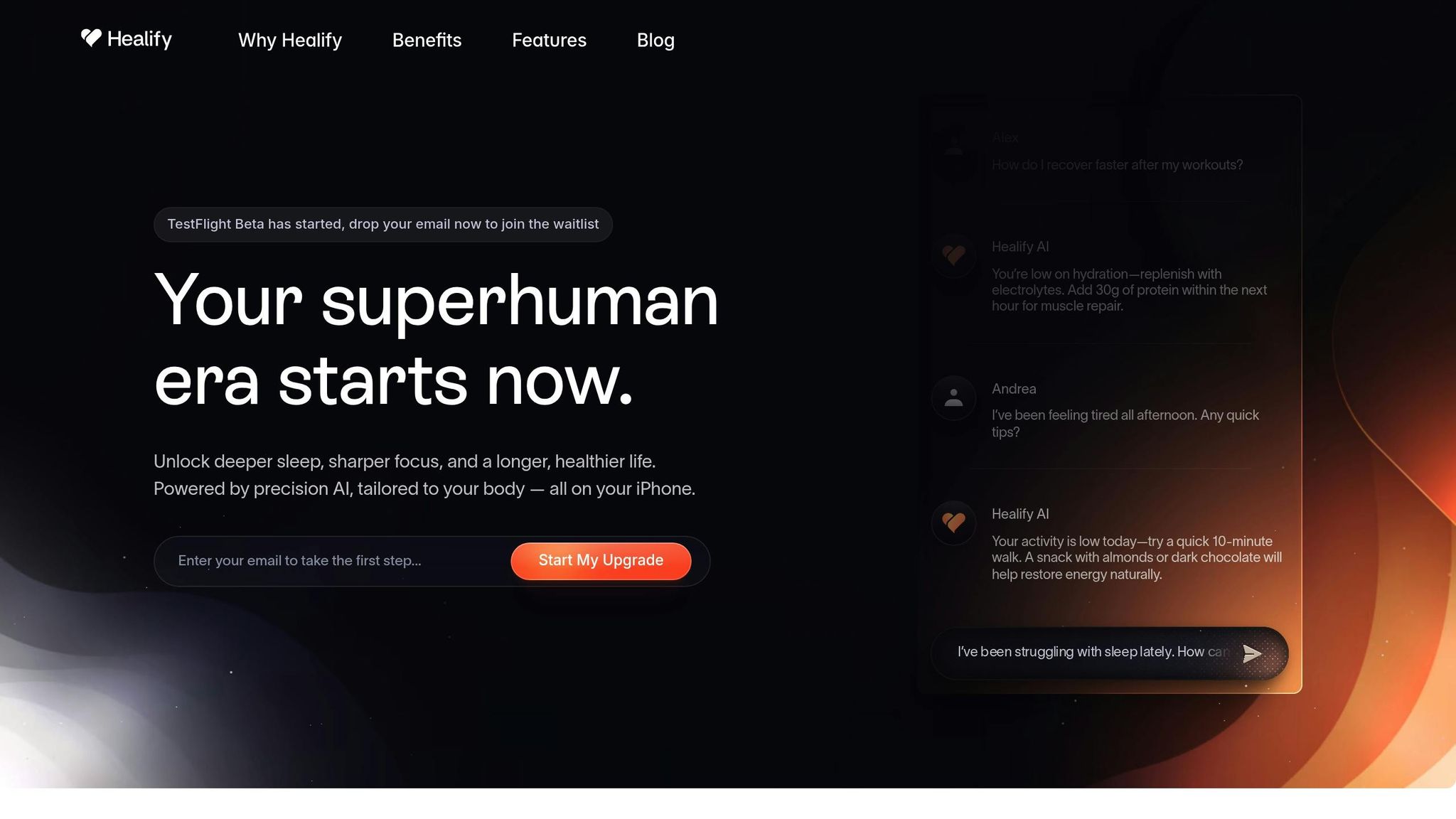
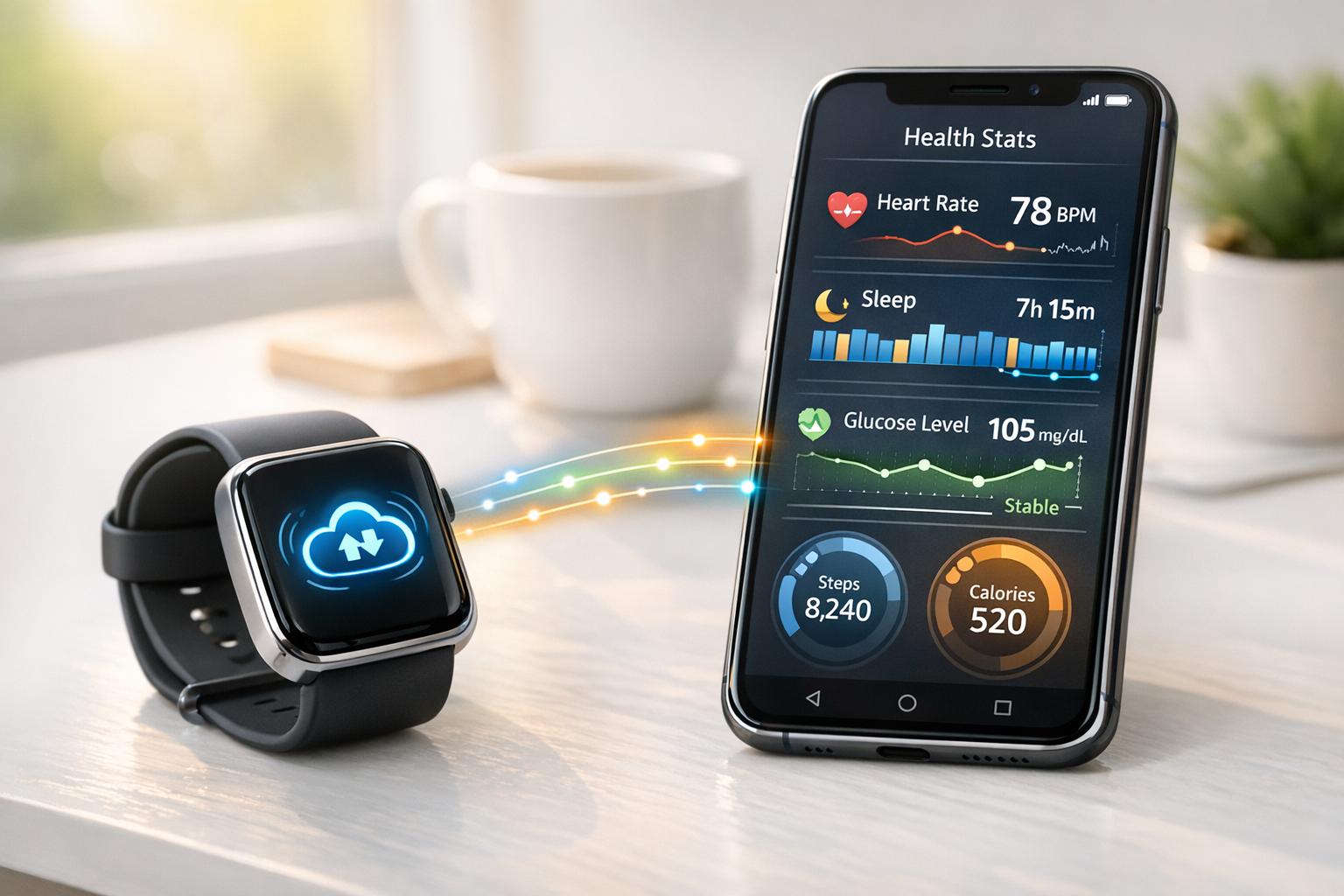
When paired with Healify, a smart bed becomes part of a larger health ecosystem. By syncing your sleep data with Healify, the AI health coach Anna takes things a step further. Anna analyzes your sleep patterns alongside other factors like wearables, biometrics, and lifestyle habits to offer a complete picture of your health. This integration helps uncover connections that a smart bed alone might miss, such as how stress during the day or your diet impacts your sleep quality.
Healify excels at simplifying complex data into practical advice. For instance, if your smart bed detects poor recovery or increased breathing disturbances, Anna might suggest drinking more water, adding protein to your diet for muscle repair, or practicing relaxation techniques before bed. With its real-time monitoring, Healify ensures you’re alerted the moment something needs attention. By combining smart bed insights with Anna’s 24/7 guidance, you’re not just tracking your sleep - you’re actively improving it based on your body’s unique needs.
The Future of AI in Sleep Health
Advancements in detection methods are just the beginning - AI is set to revolutionize sleep health in ways we’re only starting to grasp. In January 2026, Stanford Medicine introduced SleepFM, an AI model trained on an astounding 585,000 hours of sleep data from 65,000 participants. This system can predict 130 disease categories, including Parkinson's disease (with a C-index of 0.89) and dementia (0.85), all from just one night’s sleep recording [2]. As James Zou, Associate Professor of Biomedical Data Science at Stanford University, puts it:
"SleepFM is essentially learning the language of sleep" [2].
What sets this apart is the move toward personalization. Instead of relying on generic models, AI is now honing in on individual patterns, making diagnoses more accurate and tailored. This approach becomes even more powerful with continuous, multi-night monitoring.
Tracking sleep over multiple nights at home reduces the impact of one-off disruptions, providing a clearer picture of conditions like sleep apnea [3]. By moving beyond single-night snapshots, this method captures patterns that might otherwise remain hidden, offering a deeper understanding of sleep disorders.
Taking it further, integrating data from smart beds with platforms like Healify creates a more holistic approach to health. Healify’s AI health coach, Anna, doesn’t just analyze sleep - it combines insights from wearables, biometrics, and lifestyle habits to predict potential health risks long before symptoms surface. Essentially, your bedroom becomes part of your preventive health toolkit.
These advancements aren’t just about identifying disorders - they’re about enhancing overall well-being. AI models are now achieving 83.3% accuracy in detecting moderate-to-severe sleep apnea and can predict all-cause mortality with a C-index of 0.84 [3][11]. By pairing smart beds with tools like Healify, we’re moving toward a future where sleep health is proactive rather than reactive, giving us a fuller understanding of our health - even while we rest.
FAQs
How do AI-powered smart beds detect sleep disorders more effectively than traditional methods?
AI-powered smart beds are changing the way we detect sleep disorders by offering a non-invasive and continuous monitoring solution. Equipped with advanced sensors, these beds track everything from your movements, heart rate, and breathing to snoring patterns. They even record environmental factors like room temperature and humidity. The collected data is then analyzed using machine learning algorithms to spot patterns associated with conditions like insomnia or sleep apnea. What's impressive? The accuracy rivals that of clinical sleep studies - without requiring you to leave the comfort of your own home.
Traditional sleep studies often involve a single night in a clinic, which might not capture the full picture of your sleep habits. Smart beds, on the other hand, gather data over multiple nights in your natural sleeping environment. This extended monitoring helps identify subtle, long-term changes that could otherwise be missed. Plus, these AI systems go beyond just data collection. Many, like Healify, connect to apps that provide real-time feedback and personalized tips to improve sleep quality. With features like 24/7 health coaching and actionable advice, smart beds make it easier to detect and manage sleep disorders early, paving the way for better rest and overall well-being.
What sensors do smart beds use to monitor sleep, and how do they work?
Smart beds are equipped with advanced, hidden sensors that monitor your sleep without the need for wearable devices. Typically, pressure sensors and accelerometers are built into the mattress, allowing them to track heart rate, breathing patterns, and movements by detecting even the slightest shifts in pressure or motion. Some models go a step further with contactless radar sensors placed near the bed. These sensors use low-energy radio waves to monitor breathing and tiny movements - no physical contact required.
These sensors work in real-time to analyze sleep stages, detect disruptions, and identify potential issues like sleep apnea. Some beds also include environmental sensors that measure factors like temperature and humidity, offering extra insights to enhance sleep quality. The data collected is processed using AI to generate detailed sleep reports. For instance, platforms like Healify can securely receive this information, combining it with other health data to create personalized plans designed to improve your sleep.
How do smart beds use AI to improve sleep quality?
Smart beds powered by AI technology are changing the way we understand and improve sleep. Using sensors, these beds track key factors like pressure, movement, heart rate, and breathing throughout the night. This information is processed by advanced cloud-based AI systems, which learn your unique sleep habits and can pinpoint potential concerns, such as insomnia or interrupted rest.
What sets these beds apart is their ability to offer personalized recommendations based on the data they collect. For example, they might suggest tweaking the mattress firmness, adjusting the bed's temperature, or even making changes to your nightly routine. By blending real-time tracking with tailored advice, smart beds do more than just monitor - they actively work to help you achieve deeper, more rejuvenating sleep.
Related Blog Posts
Smart beds with AI are transforming how we monitor and manage sleep. These beds use embedded sensors and machine learning to detect sleep disorders like insomnia and sleep apnea from the comfort of your home. Unlike traditional sleep labs, smart beds provide continuous, contactless monitoring of heart rate, breathing, and movement, offering insights into your sleep health. Here's what you need to know:
How It Works: Sensors like ballistocardiography (BCG), load cells, and pressure sensors track physiological signals. AI models analyze this data to identify sleep patterns and disorders.
Key Benefits: Detects risks early, tracks sleep stages (light, deep, REM), and calculates metrics like Apnea-Hypopnea Index (AHI) for sleep apnea.
Personalized Insights: AI adapts to your unique sleep patterns after just a few nights, improving detection accuracy.
Real-World Impact: Studies show smart beds can predict health risks like heart attacks (correlation of 0.81) and even detect conditions like Parkinson's disease with 89% accuracy.
These advancements make sleep monitoring more accessible and effective, helping users address sleep disorders before they escalate.
How AI-Powered Smart Beds Detect Sleep Disorders: A 3-Stage Process
How smart beds are transforming the way we sleep | Innov'Nation
How Smart Beds Collect Sleep Data
Smart beds are equipped with built-in sensors that track your sleep without requiring any effort on your part. These sensors are seamlessly integrated into the bed, so you won’t even notice they’re there. No need to wear a device or press any buttons - just lie down, and the tracking begins.
Sensor Types in Smart Beds
Modern smart beds rely on a variety of advanced sensors to gather sleep data, all without requiring physical contact. One key technology is ballistocardiography (BCG) sensors, which use ultra-sensitive accelerometers or piezoelectric films to pick up the tiny vibrations caused by your heartbeat and breathing. These sensors are so precise they can detect chest movements as small as a few microns for heartbeats and a few millimeters for breathing [7].
Load cells are placed at the corners of the bed to measure force and weight distribution. These detect when you shift positions, roll over, or leave the bed by balancing signals from all four corners [7]. Embedded pressure sensors take it a step further by monitoring how your weight is distributed across the mattress. These sensors are sensitive enough to catch even the slight pressure changes caused by your heart’s activity [7].
Some systems also use radar and millimeter-wave sensors to track chest movements without any contact [7]. Additionally, capacitive ECG sensors woven into the bed can record your heart’s electrical impulses through your clothing and bedding [7]. For instance, the Tempur Sleeptracker-AI system places sensors under the pillows to independently monitor two sleepers, with color-coded ports to differentiate between the left and right sides of the bed [5].
"The Sleeptracker-AI® Engine can accurately recognize someone reading in bed as opposed to trying to sleep. This is achieved using machine learning algorithms that take into account breathing rate, heart rate, and micro-motions." - Tempur Sleeptracker-AI User Guide [5]
These technologies work together to provide detailed, real-time insights into your sleep.
Continuous Data Collection
Once you’ve been in bed for about 20 minutes, the system starts recording automatically. Throughout the night, the sensors continuously track your heart rate, breathing rate, movement patterns, and even snoring vibrations [5].
The data is sent to cloud servers via Wi-Fi, with up to 4 hours of data stored locally in case of connection issues [5]. A 2022 study involving 45 participants aged 22–64 showed that the Sleep Number smart bed had an 86% accuracy rate in distinguishing between sleep and wake states when compared to clinical polysomnography. The study also found strong correlations for heart rate (r = 0.81) and breathing rate (r = 0.71) [6]. This constant stream of data allows AI to quickly detect unusual sleep patterns, enabling early intervention. Over time, this ongoing monitoring provides a comprehensive view of your sleep habits - something that a single visit to a sleep lab simply can’t replicate.
How AI Algorithms Analyze Sleep Patterns
Modern machine learning models, trained on vast amounts of sleep data, process information gathered by smart bed sensors to understand sleep behaviors. These algorithms can distinguish healthy sleep patterns from potential red flags, breaking down sleep stages and spotting irregularities.
Machine Learning and Sleep Stages
AI leverages deep learning frameworks to categorize sleep into stages like light sleep, deep sleep, REM, and wakefulness. This is achieved through the combined efforts of two types of neural networks. Convolutional Neural Networks (CNNs) focus on analyzing short bursts of heart and breathing signals to detect patterns, while Recurrent Neural Networks (RNNs) or LSTMs track how these patterns evolve over the course of the night [3][10].
One standout system, BCGNet, employs transfer learning. Initially trained on clinical PSG (polysomnography) data, it is then fine-tuned using data from in-home smart beds [8]. In August 2025, researchers from Five Seasons Medical and Griffith University evaluated BCGNet on 580,865 hours of PSG data and 15,081 hours of smart bed data. The results were impressive: the system achieved an F1-score ranging from 0.710 to 0.817 for identifying all four sleep stages [4][8]. Since deep sleep accounts for only 10–20% of total sleep, specialized weighting ensures accurate detection [9]. This precise staging is critical for identifying sleep disorders in real time.
Pattern Recognition for Sleep Disorders
Building on accurate sleep stage analysis, AI systems can also detect specific sleep disorders. For example, in the case of sleep apnea, algorithms track respiratory events - pauses in breathing (apneas) and shallow breathing episodes (hypopneas) - to calculate the Apnea-Hypopnea Index (AHI) [3]. Remarkably, BCGNet demonstrated a correlation coefficient exceeding 0.95 when estimating AHI compared to clinical measurements [4].
When it comes to insomnia, AI takes a tailored approach. In February 2024, Sleep Number Labs introduced a study using a "passive-aggressive" machine learning model. This model analyzed 14 features, such as time to fall asleep, heart rate variability, and sleep consistency, collected from 1,489 smart bed users [1]. Personalization played a key role - accuracy jumped from random chance (AUC 0.5) to over 0.8 after just five nights of user-specific data [1].
"The incremental model is advantageous because it allows personalized fine-tuning by adding individual training data to a generic model." - Trevor Winger et al., Sleep Number Labs [1]
The most advanced systems, like Stanford's SleepFM foundation model, push the boundaries even further. Launched in January 2026, this AI examines sleep data in five-second intervals, using contrastive learning to detect when different body systems are "out of sync." For instance, it can identify scenarios where the brain appears asleep, but the heart rate suggests wakefulness [2]. This approach enabled researchers to predict over 100 health conditions, including Parkinson's disease, with an accuracy of 89% [2].
"The most information we got for predicting disease was by contrasting the different channels. Body constituents that were out of sync - a brain that looks asleep but a heart that looks awake, for example - seemed to spell trouble." - Emmanuel Mignot, Professor in Sleep Medicine, Stanford Medicine [2]
How AI Detects Common Sleep Disorders
Once AI establishes your sleep stages, it shifts focus to identifying potential disorders. By analyzing distinct physiological signals - like breathing pauses for sleep apnea or patterns of restlessness for insomnia - it deciphers the unique "fingerprints" each disorder leaves in your sleep data. Machine learning algorithms, trained on these patterns, make detection possible. Let’s dive into how AI tackles two common conditions: sleep apnea and insomnia.
Sleep Apnea Detection
AI-powered smart beds detect sleep apnea by monitoring breathing interruptions and changes in cardiovascular activity throughout the night. Using embedded Ballistocardiography (BCG) sensors, these systems pick up tiny movements from your heartbeat and chest. They can identify when airflow stops entirely (apnea) or becomes shallow (hypopnea). From this data, the AI calculates your Apnea-Hypopnea Index (AHI) - the number of breathing disruptions per hour. This index not only determines the severity of the condition but also serves as a key screening tool. Research shows that an estimated 92% of women and 82% of men with sleep apnea remain undiagnosed [3].
One standout example is BCGNet, a system developed by researchers at Stanford and Harvard. It can detect moderate-to-severe apnea (AHI ≥ 15) with an accuracy of 83.3% [3]. This type of continuous, at-home monitoring complements traditional clinical evaluations, offering timely insights into the condition.
Some smart beds even take it a step further by offering interventions. For instance, the Tempur® Sleeptracker-AI® system, launched in December 2025, includes a "Smart Snore Position" feature. When the sensors detect sustained, intense snoring - a common indicator of sleep apnea - the AI automatically adjusts the bed’s angle to help open the airway [5]. Central sleep apnea, in particular, is easier for AI to identify compared to obstructive sleep apnea, as it produces distinct gaps in the BCG signal when respiratory movement halts entirely [3].
Insomnia Detection
AI approaches insomnia detection differently, focusing on patterns of restlessness, difficulty falling asleep, frequent awakenings, and waking up too early. Smart beds analyze metrics like Sleep Onset Latency (how long it takes to fall asleep), Wake After Sleep Onset (time spent awake during the night), and overall sleep efficiency. Additionally, these systems monitor body movements, heart rate variability, and "physiological asynchrony" - a state where your brain seems to be asleep, but your heart rate suggests wakefulness [2].
Personalization plays a crucial role in accurately identifying insomnia. AI models tailored to individual sleep patterns become significantly more effective after just a few nights of data collection [1]. By learning your unique sleep habits, the system can pinpoint irregularities with greater precision, helping you use health data for better sleep quality.
"The combination of longitudinally and unobtrusively acquired sleep data with personalized machine learning models constitutes a paradigm that may be generalized across sleep medicine from early detection... to enable treatment optimization." - Gary Garcia-Molina, Sleep Number Labs [1]
Personalized Sleep Insights and Recommendations
Sleep Reports and Risk Scores
Smart beds are changing how we understand and manage sleep disorders by turning raw sensor data into meaningful insights. These devices track key metrics like Sleep Efficiency (how much of your time in bed is spent actually sleeping), the Sleep Regularity Index (SRI) (measuring how consistent your sleep schedule is), the estimated Apnea-Hypopnea Index (AHI) (indicating sleep apnea risk), and the Insomnia Severity Index (ISI) [1][3][5].
What makes this data so impactful is its ability to enhance diagnostic precision. For example, AI models analyzing just five nights of sleep data can boost insomnia risk detection accuracy to over 0.8 AUC - a significant leap in clinical reliability [1]. Smart beds don’t just collect data; they use it to provide real-time, tailored sleep guidance, making it easier to address potential issues early.
These detailed reports also set the stage for fully personalized health coaching, giving users actionable insights to improve sleep and overall well-being.
Integrating Smart Bed Data with Healify
When paired with Healify, a smart bed becomes part of a larger health ecosystem. By syncing your sleep data with Healify, the AI health coach Anna takes things a step further. Anna analyzes your sleep patterns alongside other factors like wearables, biometrics, and lifestyle habits to offer a complete picture of your health. This integration helps uncover connections that a smart bed alone might miss, such as how stress during the day or your diet impacts your sleep quality.
Healify excels at simplifying complex data into practical advice. For instance, if your smart bed detects poor recovery or increased breathing disturbances, Anna might suggest drinking more water, adding protein to your diet for muscle repair, or practicing relaxation techniques before bed. With its real-time monitoring, Healify ensures you’re alerted the moment something needs attention. By combining smart bed insights with Anna’s 24/7 guidance, you’re not just tracking your sleep - you’re actively improving it based on your body’s unique needs.
The Future of AI in Sleep Health
Advancements in detection methods are just the beginning - AI is set to revolutionize sleep health in ways we’re only starting to grasp. In January 2026, Stanford Medicine introduced SleepFM, an AI model trained on an astounding 585,000 hours of sleep data from 65,000 participants. This system can predict 130 disease categories, including Parkinson's disease (with a C-index of 0.89) and dementia (0.85), all from just one night’s sleep recording [2]. As James Zou, Associate Professor of Biomedical Data Science at Stanford University, puts it:
"SleepFM is essentially learning the language of sleep" [2].
What sets this apart is the move toward personalization. Instead of relying on generic models, AI is now honing in on individual patterns, making diagnoses more accurate and tailored. This approach becomes even more powerful with continuous, multi-night monitoring.
Tracking sleep over multiple nights at home reduces the impact of one-off disruptions, providing a clearer picture of conditions like sleep apnea [3]. By moving beyond single-night snapshots, this method captures patterns that might otherwise remain hidden, offering a deeper understanding of sleep disorders.
Taking it further, integrating data from smart beds with platforms like Healify creates a more holistic approach to health. Healify’s AI health coach, Anna, doesn’t just analyze sleep - it combines insights from wearables, biometrics, and lifestyle habits to predict potential health risks long before symptoms surface. Essentially, your bedroom becomes part of your preventive health toolkit.
These advancements aren’t just about identifying disorders - they’re about enhancing overall well-being. AI models are now achieving 83.3% accuracy in detecting moderate-to-severe sleep apnea and can predict all-cause mortality with a C-index of 0.84 [3][11]. By pairing smart beds with tools like Healify, we’re moving toward a future where sleep health is proactive rather than reactive, giving us a fuller understanding of our health - even while we rest.
FAQs
How do AI-powered smart beds detect sleep disorders more effectively than traditional methods?
AI-powered smart beds are changing the way we detect sleep disorders by offering a non-invasive and continuous monitoring solution. Equipped with advanced sensors, these beds track everything from your movements, heart rate, and breathing to snoring patterns. They even record environmental factors like room temperature and humidity. The collected data is then analyzed using machine learning algorithms to spot patterns associated with conditions like insomnia or sleep apnea. What's impressive? The accuracy rivals that of clinical sleep studies - without requiring you to leave the comfort of your own home.
Traditional sleep studies often involve a single night in a clinic, which might not capture the full picture of your sleep habits. Smart beds, on the other hand, gather data over multiple nights in your natural sleeping environment. This extended monitoring helps identify subtle, long-term changes that could otherwise be missed. Plus, these AI systems go beyond just data collection. Many, like Healify, connect to apps that provide real-time feedback and personalized tips to improve sleep quality. With features like 24/7 health coaching and actionable advice, smart beds make it easier to detect and manage sleep disorders early, paving the way for better rest and overall well-being.
What sensors do smart beds use to monitor sleep, and how do they work?
Smart beds are equipped with advanced, hidden sensors that monitor your sleep without the need for wearable devices. Typically, pressure sensors and accelerometers are built into the mattress, allowing them to track heart rate, breathing patterns, and movements by detecting even the slightest shifts in pressure or motion. Some models go a step further with contactless radar sensors placed near the bed. These sensors use low-energy radio waves to monitor breathing and tiny movements - no physical contact required.
These sensors work in real-time to analyze sleep stages, detect disruptions, and identify potential issues like sleep apnea. Some beds also include environmental sensors that measure factors like temperature and humidity, offering extra insights to enhance sleep quality. The data collected is processed using AI to generate detailed sleep reports. For instance, platforms like Healify can securely receive this information, combining it with other health data to create personalized plans designed to improve your sleep.
How do smart beds use AI to improve sleep quality?
Smart beds powered by AI technology are changing the way we understand and improve sleep. Using sensors, these beds track key factors like pressure, movement, heart rate, and breathing throughout the night. This information is processed by advanced cloud-based AI systems, which learn your unique sleep habits and can pinpoint potential concerns, such as insomnia or interrupted rest.
What sets these beds apart is their ability to offer personalized recommendations based on the data they collect. For example, they might suggest tweaking the mattress firmness, adjusting the bed's temperature, or even making changes to your nightly routine. By blending real-time tracking with tailored advice, smart beds do more than just monitor - they actively work to help you achieve deeper, more rejuvenating sleep.
Related Blog Posts
Endlich die Kontrolle über Ihre Gesundheit übernehmen

Endlich die Kontrolle über Ihre Gesundheit übernehmen
Endlich die Kontrolle über Ihre Gesundheit übernehmen