Improve your health
Improve your health
Improve your health
15. Dezember 2025
AI in Health: Genomic and Biometric Data Synergy
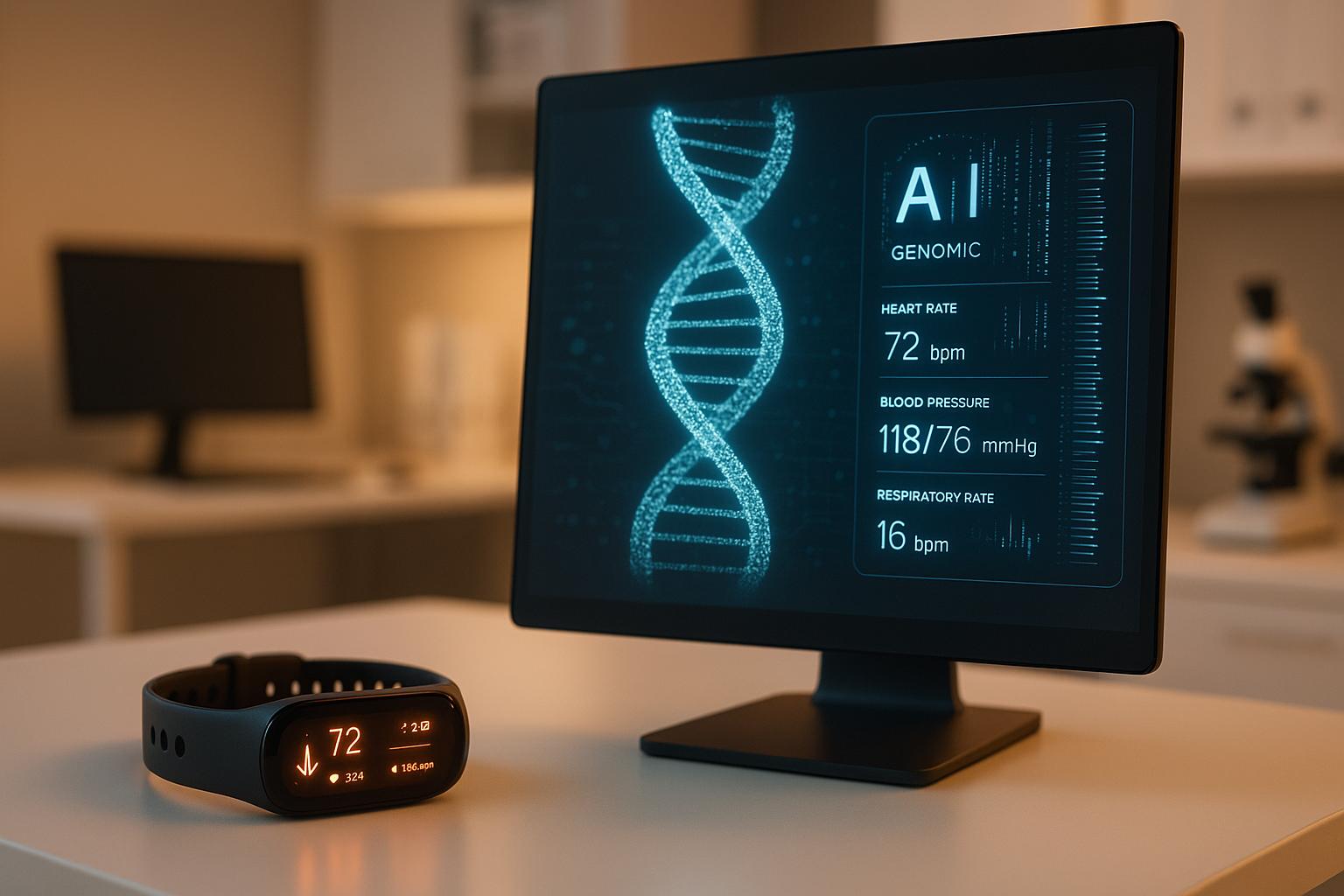
AI is transforming healthcare by combining genomic data (your DNA) and biometric data (real-time metrics from wearables) to create highly personalized health insights. Here’s how it works:
Genomic Data: Reveals inherited traits, disease risks, and medication responses.
Biometric Data: Tracks real-time health metrics like heart rate, sleep, and activity levels.
AI’s Role: Analyzes both data types together to predict risks, recommend interventions, and improve care.
For example, AI can monitor your activity levels and genetic predispositions to provide tailored advice for managing diabetes or improving sleep. Programs like the NIH All of Us Research Program are advancing this field, shifting healthcare from general treatments to personalized prevention.
While this approach offers powerful insights, it raises concerns about data privacy and interoperability. Solutions like encryption, blockchain, and data standards (like FHIR) are addressing these challenges, making it easier to securely integrate and analyze health data.
Platforms like Healify simplify this process by turning complex data into actionable recommendations, such as adjusting exercise routines or improving sleep based on your unique health profile. AI is reshaping healthcare, offering smarter, more tailored solutions for better health outcomes.
What Is Genomic Data and How Does AI Process It?
What Is Genomic Data?
Genomic data is the detailed information derived from your complete set of DNA. This includes your genes, specific genetic markers, and variations like single nucleotide polymorphisms (SNPs), which can reveal potential health risks. For example, mutations in the BRCA genes are linked to an increased likelihood of developing certain cancers, while variations in the APOE gene may suggest a higher risk of Alzheimer's disease. [3][4]
How AI Analyzes Genomic Data
AI leverages machine learning and deep learning techniques to make sense of immense genomic datasets that would be overwhelming for human researchers to handle. Machine learning algorithms, for instance, can classify genetic variants as either benign or potentially harmful by processing large volumes of data. Meanwhile, deep learning dives deeper, modeling gene regulation, predicting gene expression patterns, and even proposing 3D structures of proteins.
Natural language processing (NLP) allows AI to connect the dots between sequencing data and scientific literature, linking specific genetic variations to diseases and potential treatments. AI also integrates genomic data with electronic health records to identify patients who may qualify for clinical trials - a game-changer for rare diseases where specific genetic markers play a crucial role. Tools like Bioconductor streamline biomarker discovery, accelerating research.
A striking example of AI's impact is in the realm of rapid whole-genome sequencing. When combined with AI-powered phenotyping, this technology has enabled fast and accurate diagnoses of genetic conditions in critically ill infants. What once required extensive input from specialists can now be accomplished through automated systems, making the process faster and more accessible. [2][3][4]
Next, we’ll explore how AI works with biometric data to offer a more comprehensive picture of your health.
Biometric Data: Real-Time Health Monitoring with AI
What Is Biometric Data?
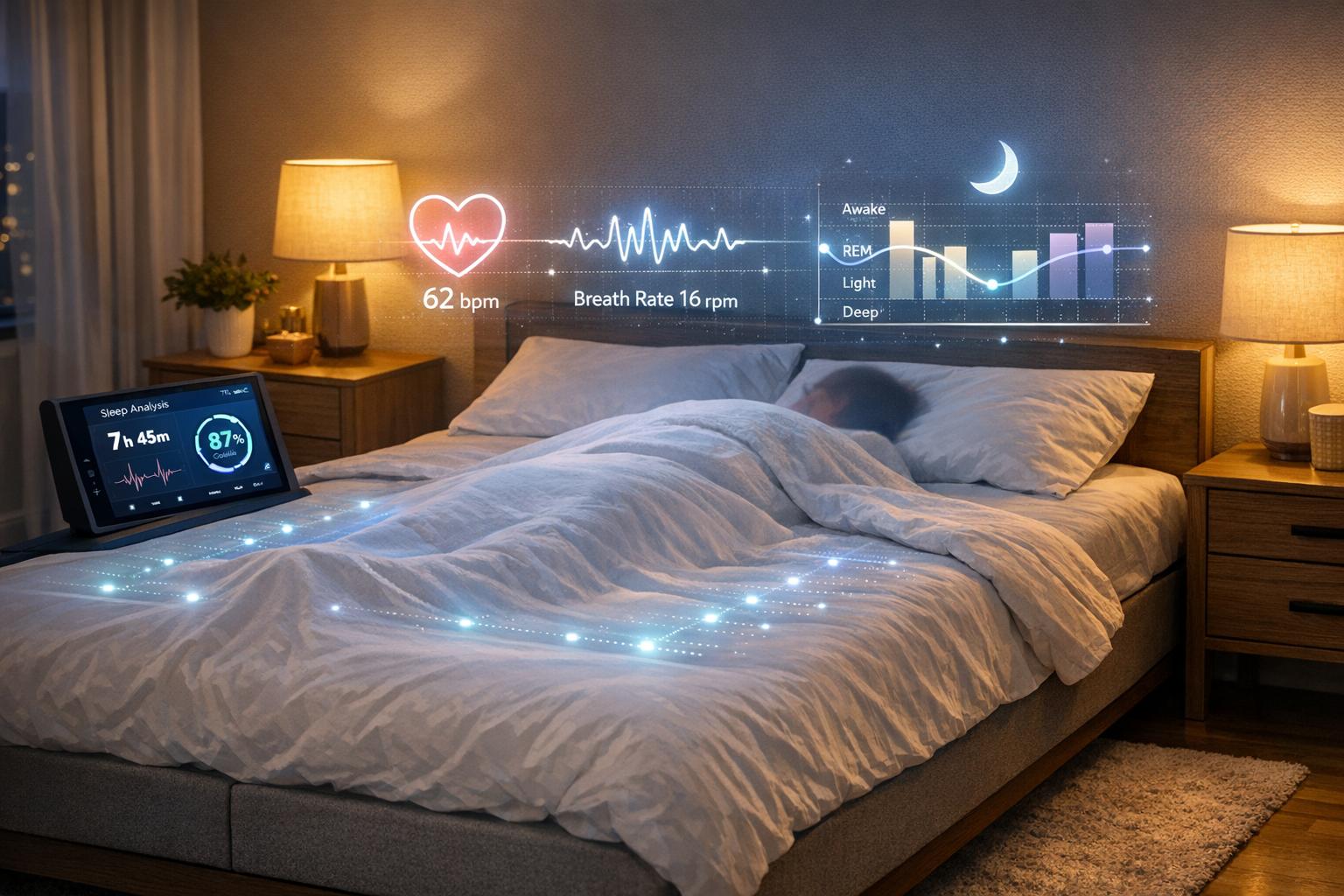
Biometric data refers to the continuous measurements of your body's physiological activity. This includes metrics like heart rate, heart rate variability (HRV), step count, active minutes, calories burned, sleep patterns (such as stages and duration), blood oxygen levels (SpO₂), respiratory rate, and skin temperature. Together, these data points create a detailed picture of your health and serve as the foundation for AI-driven health insights.[1]
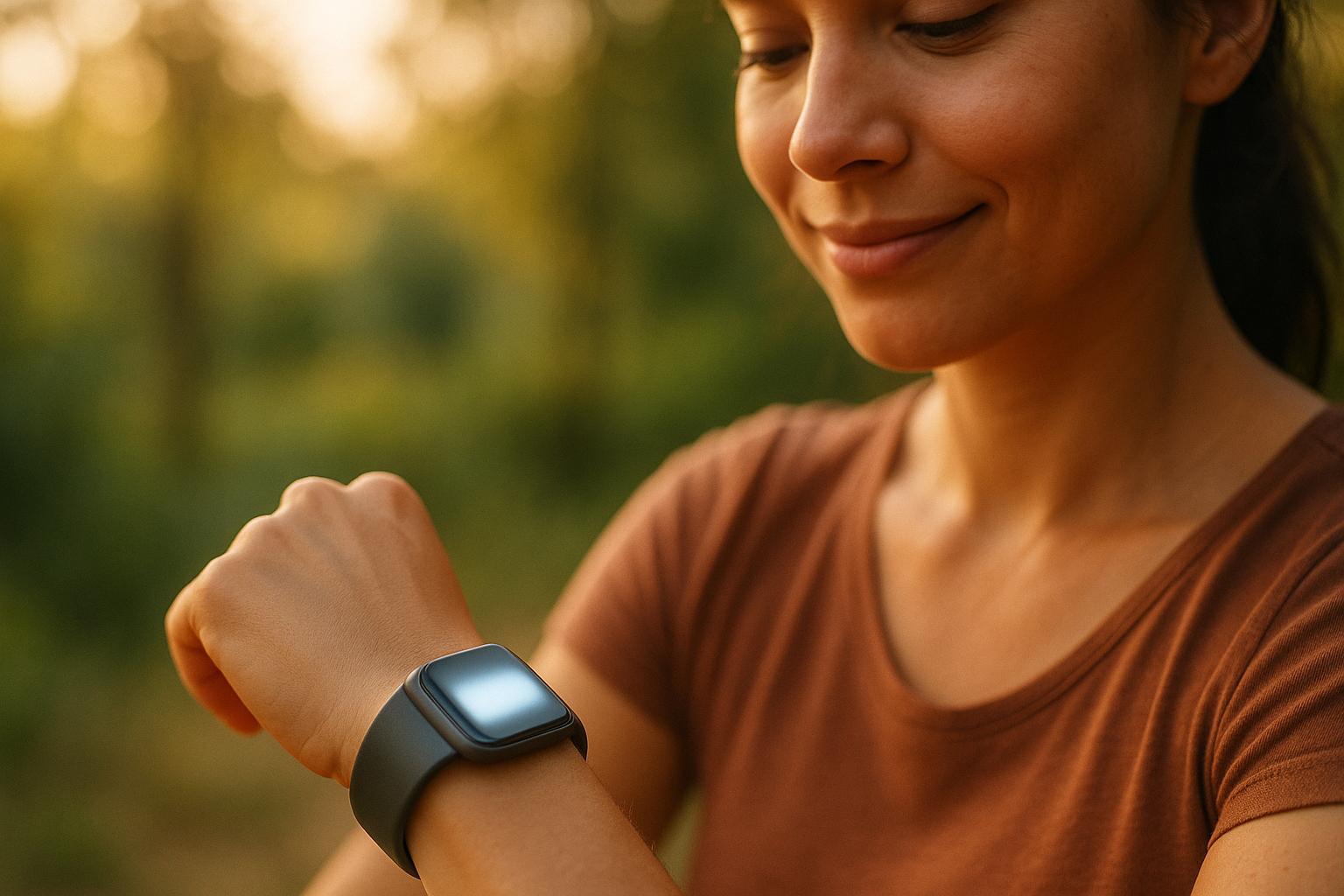
Devices like smartwatches, fitness rings, and other smart gadgets - often synced with smartphones - gather this information. They help you monitor whether you're hitting goals like 150 minutes of moderate exercise per week, track the balance between deep and REM sleep, and even observe changes in your cardiovascular fitness over time.[1]
How AI Interprets Biometric Data
AI takes raw data from sensors - such as heart rate fluctuations, accelerometer readings, and temperature shifts - and translates it into actionable health insights. Using machine learning, AI can classify activities and apply neural networks to analyze metrics like heart rate, HRV, and temperature, breaking down sleep into its distinct stages.[1][5]
One of the standout features of AI is its ability to learn your personal health baseline. It identifies what’s typical for you - like your average resting heart rate, HRV range, and sleep efficiency. For instance, if your resting heart rate increases by 7 bpm for three consecutive days and your HRV drops, AI might flag this as a potential health issue.[1]
AI also excels at spotting complex, long-term patterns. For example, it might notice a connection between migraines and insufficient sleep - such as when sleep dips below six hours for two nights, daily steps decrease, and HRV stays low. These patterns, often too subtle for us to recognize, can provide deeper insights into your health. By refining these trends, AI can even work alongside genomic data, paving the way for highly tailored health recommendations.[1][3]
AI Renaissance: Reimagining AI In Healthcare
How AI Combines Genomic and Biometric Data
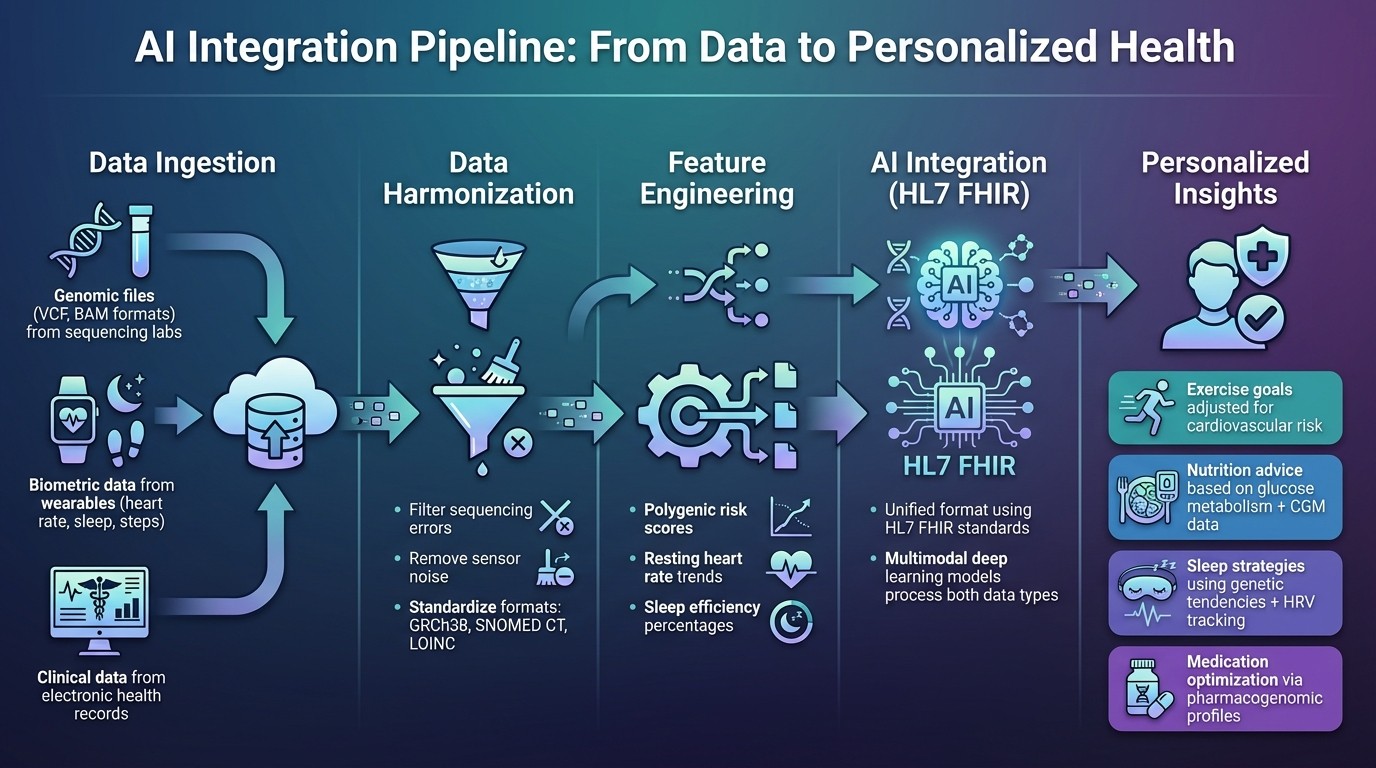
How AI Combines Genomic and Biometric Data for Personalized Health Insights
The Process of Combining Genomic and Biometric Data
AI brings genomic and biometric data together by creating a streamlined process that integrates these distinct data types into a single, cohesive health profile. The journey starts with data ingestion. Here, AI pulls genomic files from sequencing labs in formats like VCF or BAM, biometric data from wearables that track metrics such as heart rate, sleep stages, and step counts, and clinical data from electronic health records. Once collected, the data goes through harmonization, where errors from sequencing and noise from sensors are filtered out. Afterward, everything is standardized into commonly used formats like GRCh38, SNOMED CT, and LOINC to ensure compatibility and consistency across the board [1][3][5][7].
Next, feature engineering transforms this raw genomic and biometric data into meaningful metrics. Examples include polygenic risk scores, trends in resting heart rates, and sleep efficiency percentages [3][5].
Using HL7 FHIR standards, AI converts the genomic and biometric findings into a unified format. This structure is crucial for multimodal deep learning models, which process genomic and biometric inputs through separate branches. These models learn how the two data types interact, enabling them to predict health outcomes with greater precision [3][5]. This integrated pipeline is the backbone that allows AI to deliver tailored health strategies.
Personalized Health Insights from Combined Data
Once genomic and biometric data are unified, AI translates the combined insights into highly personalized health recommendations. By analyzing these two data streams together, AI captures a person’s genetic predispositions alongside their real-time health status. For example, if someone’s genomic data reveals a high risk for type 2 diabetes, AI can monitor glucose levels, daily activity, and weight patterns to evaluate how lifestyle choices are affecting that risk. This approach leads to more accurate and actionable health predictions [3][5].
The integration doesn’t stop there - it enables recommendations that evolve as your health changes. For instance, AI can adjust exercise goals based on genetic markers tied to cardiovascular risk while factoring in biometric data like heart rate recovery and step counts. Nutrition advice becomes more precise by combining genetic information about glucose metabolism with data from continuous glucose monitors. Similarly, strategies for improving sleep and managing stress can be fine-tuned by linking genetic tendencies to real-time sleep stage tracking and heart rate variability [3][5].
These insights are not just for daily wellness - they also support clinical care. Physicians can use the combined data to design preventive strategies, leveraging polygenic risk scores along with biometric trends like blood pressure and cholesterol levels. This helps in better patient stratification and more tailored screening or treatment plans [3][7]. For medication management, AI can match pharmacogenomic profiles with biometric data, such as blood pressure or heart rate, to optimize drug selection and dosing [3].
In one remarkable example, AI-driven rapid whole-genome sequencing, paired with automated analysis of clinical data from electronic health records, provided fast and accurate diagnoses for critically ill infants suspected of having genetic diseases [3].
Apps like Healify showcase how AI can provide personalized, real-time health coaching. By analyzing wearables, biometrics, blood tests, and lifestyle data, Healify delivers actionable insights. While its current focus is on these data sources, the future addition of genomic insights could make its recommendations even more precise, enhancing preventive care and tailored health strategies.
Challenges in Combining Genomic and Biometric Data
Data Privacy and Security
Combining genomic and biometric data introduces serious privacy concerns. Genomic data can reveal lifelong health risks, while biometric data - like heart rate or fingerprints - provides real-time, personal identifiers. Together, these datasets create a double-edged sword. They not only increase the risk of exposing sensitive genetic information but also make it easier for bad actors to exploit daily health patterns, leading to potential identity theft or even discrimination [1].
To combat these risks, encryption tools play a critical role. Advanced encryption standards like AES-256 ensure that genomic sequences and biometric readings remain secure, both while stored and during transmission. Some platforms take this a step further with homomorphic encryption, which allows data to be processed without ever decrypting it [1].
Blockchain technology adds another layer of security. By using decentralized and tamper-proof ledgers, blockchain ensures data ownership stays with the individual. Tokenized biometric identifiers let users control who can access their genomic and biometric data, reducing the chances of large-scale breaches while maintaining transparency [6].
But privacy isn’t the only challenge. Integrating these vastly different types of data presents another significant hurdle.
Solving Interoperability Issues
One of the biggest obstacles in merging genomic and biometric data is their incompatible formats. Genomic data, often delivered as FASTQ or VCF files from sequencing labs, doesn’t naturally align with biometric data, which comes from wearables or devices using proprietary APIs. These differences create silos, making it difficult to unify the data for meaningful AI analysis [1].
Standards like FHIR (Fast Healthcare Interoperability Resources) aim to solve this problem. FHIR converts data from various sources into a standardized format, enabling seamless integration across genomic data, biometric readings, and electronic health records. For example, in oncology, FHIR allows specialists to share genetic profiles, treatment histories, and clinical data, all within an AI-driven system for coordinated cancer care [1].
These tools are paving the way for platforms that can seamlessly merge diverse health data into actionable insights.
How Healify Simplifies Combined Health Data Insights
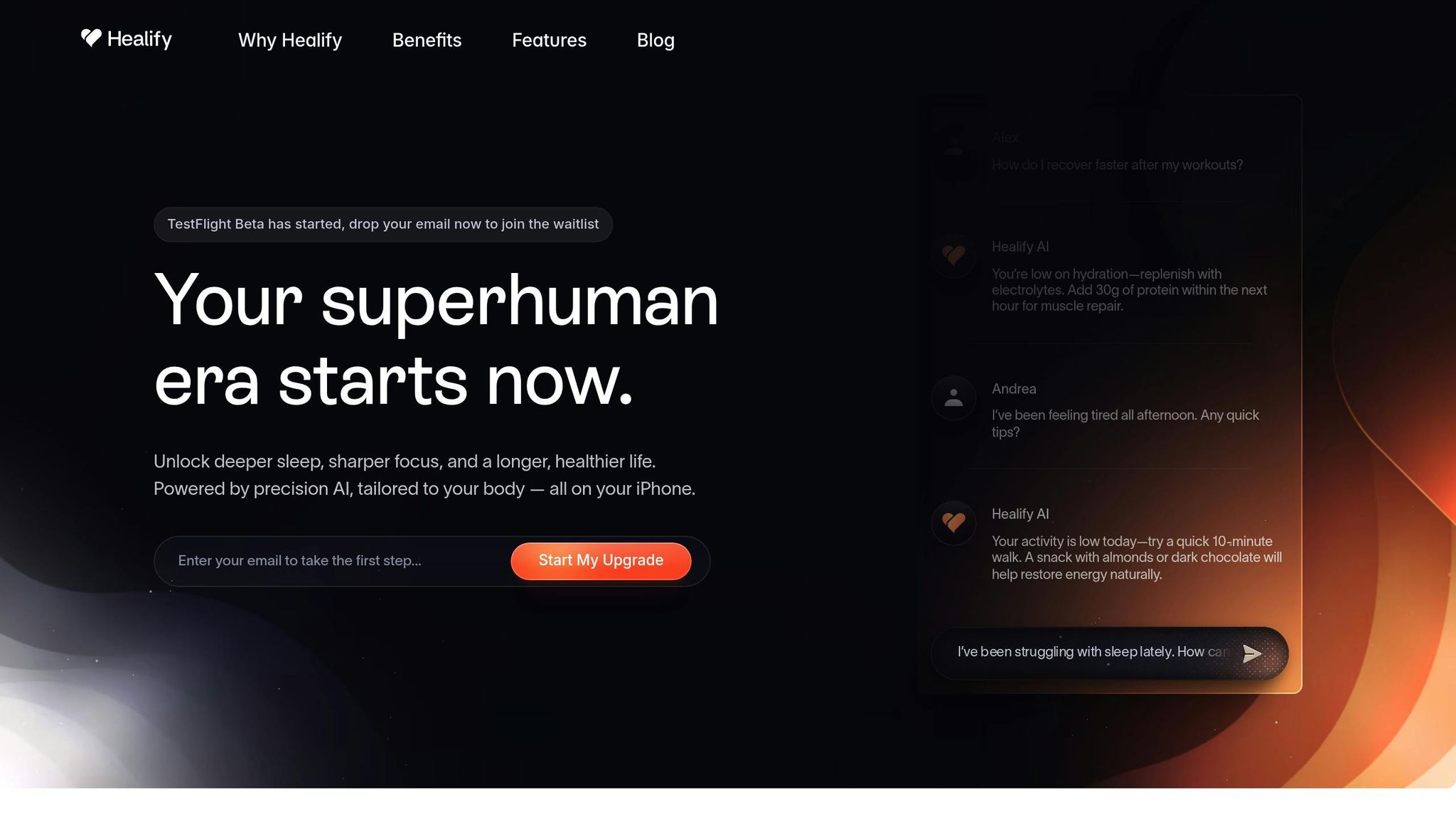
Platforms like Healify are stepping up to tackle these challenges. By addressing both privacy and interoperability issues, Healify shows how AI can make complex health data integration user-friendly. The platform pulls together biometric data from wearables, blood tests, and lifestyle habits into a single, unified system. Its AI health coach, Anna, provides 24/7 personalized advice, offering real-time monitoring and practical tips for stress management, better sleep, and overall wellness.
While Healify primarily focuses on biometric and lifestyle data rather than deep genomic integration, it’s already solving key interoperability problems. By syncing with popular health apps and wearables, it turns complicated data into simple, actionable steps. Features like meal planning, macro tracking, and instant health alerts show how AI can transform raw health data into meaningful improvements for users.
Conclusion
The integration of AI with genomic and biometric data is transforming healthcare by shifting the focus from reactive treatments to proactive prevention. By analyzing genetic markers alongside real-time body signals - like heart rate, sleep patterns, activity levels, and blood glucose levels - AI can predict potential health risks even before symptoms arise. This allows for early intervention and personalized prevention plans tailored to an individual’s unique biology and lifestyle. The result? Fewer emergency visits, lower long-term healthcare costs, and a better quality of life for those managing chronic conditions or striving to stay healthy. This personalized approach forms the foundation of precision medicine discussed throughout this article.
Research highlights the potential of such integrations to enhance treatment outcomes. For instance, precision medicine programs now commonly combine genomic profiling with clinical data and biomarkers to develop customized treatment plans for cancers, including breast and lung cancer [3].
However, with the use of sensitive genomic and biometric data comes the critical need for robust privacy protections. Measures like encryption, strict access controls, de-identification, and blockchain-based ownership models are vital to safeguard data and maintain trust [1][6]. At the same time, evolving standards like FHIR and secure data platforms are paving the way for safe and interoperable use of these insights.
Despite these challenges, innovative platforms are making these complex technologies accessible. Take Healify, for example. This platform simplifies health data from wearables, biometrics, bloodwork, and lifestyle inputs into clear, actionable recommendations. You don’t need to be an expert in genetics or AI - Healify does the heavy lifting. It delivers 24/7 personalized insights, such as suggesting an earlier bedtime based on your genetic sleep patterns or recommending breathing exercises when your heart rate and stress levels are elevated. All of this is conveniently delivered to your iPhone, turning complicated health data into straightforward, actionable steps.
As datasets grow, algorithms improve, and systems become more interoperable, AI will continue to advance in predicting risks, detecting issues early, and creating individualized treatment plans. By securely merging genomic and biometric data, AI is turning scattered health information into clear, personalized guidance - making proactive health management not just a possibility for the future, but a reality today. Together, these advancements are shaping a new era of personalized healthcare.
FAQs
How does AI protect my genomic and biometric data?
Healify prioritizes your data privacy by implementing robust security protocols, including encryption and anonymization, to protect your genomic and biometric information. The platform adheres to stringent privacy regulations, ensuring your data remains secure throughout every stage.
Transparency is at the core of Healify's approach. You have complete control over how your data is collected, used, and stored. This not only keeps your health information private but also empowers you to make well-informed choices about your well-being.
How does combining genomic and biometric data improve personalized health insights?
Integrating genomic data with biometric information offers a deeper, more tailored understanding of your health. By revealing unique genetic predispositions and how they interact with real-time physical metrics, this combination provides insights that go beyond surface-level observations.
This approach helps pinpoint potential health risks early, customize interventions to suit individual needs, and develop strategies that promote both physical and mental well-being. With these combined insights, you can address specific health concerns, fine-tune lifestyle choices, and work toward sustainable, long-term wellness.
How does AI use my biometric data to provide personalized health advice?
AI takes your real-time biometric data - like heart rate, stress levels, hydration, and activity patterns - and uses advanced algorithms to spot important trends. It then turns that data into personalized health recommendations aimed at boosting your overall well-being.
For instance, if your stress levels are higher than usual, the AI might recommend relaxation exercises, remind you to stay hydrated, or suggest tweaks to your daily routine. These insights focus on helping you make simple, practical adjustments to enhance both your physical and mental health.
Related Blog Posts
AI is transforming healthcare by combining genomic data (your DNA) and biometric data (real-time metrics from wearables) to create highly personalized health insights. Here’s how it works:
Genomic Data: Reveals inherited traits, disease risks, and medication responses.
Biometric Data: Tracks real-time health metrics like heart rate, sleep, and activity levels.
AI’s Role: Analyzes both data types together to predict risks, recommend interventions, and improve care.
For example, AI can monitor your activity levels and genetic predispositions to provide tailored advice for managing diabetes or improving sleep. Programs like the NIH All of Us Research Program are advancing this field, shifting healthcare from general treatments to personalized prevention.
While this approach offers powerful insights, it raises concerns about data privacy and interoperability. Solutions like encryption, blockchain, and data standards (like FHIR) are addressing these challenges, making it easier to securely integrate and analyze health data.
Platforms like Healify simplify this process by turning complex data into actionable recommendations, such as adjusting exercise routines or improving sleep based on your unique health profile. AI is reshaping healthcare, offering smarter, more tailored solutions for better health outcomes.
What Is Genomic Data and How Does AI Process It?
What Is Genomic Data?
Genomic data is the detailed information derived from your complete set of DNA. This includes your genes, specific genetic markers, and variations like single nucleotide polymorphisms (SNPs), which can reveal potential health risks. For example, mutations in the BRCA genes are linked to an increased likelihood of developing certain cancers, while variations in the APOE gene may suggest a higher risk of Alzheimer's disease. [3][4]
How AI Analyzes Genomic Data
AI leverages machine learning and deep learning techniques to make sense of immense genomic datasets that would be overwhelming for human researchers to handle. Machine learning algorithms, for instance, can classify genetic variants as either benign or potentially harmful by processing large volumes of data. Meanwhile, deep learning dives deeper, modeling gene regulation, predicting gene expression patterns, and even proposing 3D structures of proteins.
Natural language processing (NLP) allows AI to connect the dots between sequencing data and scientific literature, linking specific genetic variations to diseases and potential treatments. AI also integrates genomic data with electronic health records to identify patients who may qualify for clinical trials - a game-changer for rare diseases where specific genetic markers play a crucial role. Tools like Bioconductor streamline biomarker discovery, accelerating research.
A striking example of AI's impact is in the realm of rapid whole-genome sequencing. When combined with AI-powered phenotyping, this technology has enabled fast and accurate diagnoses of genetic conditions in critically ill infants. What once required extensive input from specialists can now be accomplished through automated systems, making the process faster and more accessible. [2][3][4]
Next, we’ll explore how AI works with biometric data to offer a more comprehensive picture of your health.
Biometric Data: Real-Time Health Monitoring with AI
What Is Biometric Data?
Biometric data refers to the continuous measurements of your body's physiological activity. This includes metrics like heart rate, heart rate variability (HRV), step count, active minutes, calories burned, sleep patterns (such as stages and duration), blood oxygen levels (SpO₂), respiratory rate, and skin temperature. Together, these data points create a detailed picture of your health and serve as the foundation for AI-driven health insights.[1]
Devices like smartwatches, fitness rings, and other smart gadgets - often synced with smartphones - gather this information. They help you monitor whether you're hitting goals like 150 minutes of moderate exercise per week, track the balance between deep and REM sleep, and even observe changes in your cardiovascular fitness over time.[1]
How AI Interprets Biometric Data
AI takes raw data from sensors - such as heart rate fluctuations, accelerometer readings, and temperature shifts - and translates it into actionable health insights. Using machine learning, AI can classify activities and apply neural networks to analyze metrics like heart rate, HRV, and temperature, breaking down sleep into its distinct stages.[1][5]
One of the standout features of AI is its ability to learn your personal health baseline. It identifies what’s typical for you - like your average resting heart rate, HRV range, and sleep efficiency. For instance, if your resting heart rate increases by 7 bpm for three consecutive days and your HRV drops, AI might flag this as a potential health issue.[1]
AI also excels at spotting complex, long-term patterns. For example, it might notice a connection between migraines and insufficient sleep - such as when sleep dips below six hours for two nights, daily steps decrease, and HRV stays low. These patterns, often too subtle for us to recognize, can provide deeper insights into your health. By refining these trends, AI can even work alongside genomic data, paving the way for highly tailored health recommendations.[1][3]
AI Renaissance: Reimagining AI In Healthcare
How AI Combines Genomic and Biometric Data
How AI Combines Genomic and Biometric Data for Personalized Health Insights
The Process of Combining Genomic and Biometric Data
AI brings genomic and biometric data together by creating a streamlined process that integrates these distinct data types into a single, cohesive health profile. The journey starts with data ingestion. Here, AI pulls genomic files from sequencing labs in formats like VCF or BAM, biometric data from wearables that track metrics such as heart rate, sleep stages, and step counts, and clinical data from electronic health records. Once collected, the data goes through harmonization, where errors from sequencing and noise from sensors are filtered out. Afterward, everything is standardized into commonly used formats like GRCh38, SNOMED CT, and LOINC to ensure compatibility and consistency across the board [1][3][5][7].
Next, feature engineering transforms this raw genomic and biometric data into meaningful metrics. Examples include polygenic risk scores, trends in resting heart rates, and sleep efficiency percentages [3][5].
Using HL7 FHIR standards, AI converts the genomic and biometric findings into a unified format. This structure is crucial for multimodal deep learning models, which process genomic and biometric inputs through separate branches. These models learn how the two data types interact, enabling them to predict health outcomes with greater precision [3][5]. This integrated pipeline is the backbone that allows AI to deliver tailored health strategies.
Personalized Health Insights from Combined Data
Once genomic and biometric data are unified, AI translates the combined insights into highly personalized health recommendations. By analyzing these two data streams together, AI captures a person’s genetic predispositions alongside their real-time health status. For example, if someone’s genomic data reveals a high risk for type 2 diabetes, AI can monitor glucose levels, daily activity, and weight patterns to evaluate how lifestyle choices are affecting that risk. This approach leads to more accurate and actionable health predictions [3][5].
The integration doesn’t stop there - it enables recommendations that evolve as your health changes. For instance, AI can adjust exercise goals based on genetic markers tied to cardiovascular risk while factoring in biometric data like heart rate recovery and step counts. Nutrition advice becomes more precise by combining genetic information about glucose metabolism with data from continuous glucose monitors. Similarly, strategies for improving sleep and managing stress can be fine-tuned by linking genetic tendencies to real-time sleep stage tracking and heart rate variability [3][5].
These insights are not just for daily wellness - they also support clinical care. Physicians can use the combined data to design preventive strategies, leveraging polygenic risk scores along with biometric trends like blood pressure and cholesterol levels. This helps in better patient stratification and more tailored screening or treatment plans [3][7]. For medication management, AI can match pharmacogenomic profiles with biometric data, such as blood pressure or heart rate, to optimize drug selection and dosing [3].
In one remarkable example, AI-driven rapid whole-genome sequencing, paired with automated analysis of clinical data from electronic health records, provided fast and accurate diagnoses for critically ill infants suspected of having genetic diseases [3].
Apps like Healify showcase how AI can provide personalized, real-time health coaching. By analyzing wearables, biometrics, blood tests, and lifestyle data, Healify delivers actionable insights. While its current focus is on these data sources, the future addition of genomic insights could make its recommendations even more precise, enhancing preventive care and tailored health strategies.
Challenges in Combining Genomic and Biometric Data
Data Privacy and Security
Combining genomic and biometric data introduces serious privacy concerns. Genomic data can reveal lifelong health risks, while biometric data - like heart rate or fingerprints - provides real-time, personal identifiers. Together, these datasets create a double-edged sword. They not only increase the risk of exposing sensitive genetic information but also make it easier for bad actors to exploit daily health patterns, leading to potential identity theft or even discrimination [1].
To combat these risks, encryption tools play a critical role. Advanced encryption standards like AES-256 ensure that genomic sequences and biometric readings remain secure, both while stored and during transmission. Some platforms take this a step further with homomorphic encryption, which allows data to be processed without ever decrypting it [1].
Blockchain technology adds another layer of security. By using decentralized and tamper-proof ledgers, blockchain ensures data ownership stays with the individual. Tokenized biometric identifiers let users control who can access their genomic and biometric data, reducing the chances of large-scale breaches while maintaining transparency [6].
But privacy isn’t the only challenge. Integrating these vastly different types of data presents another significant hurdle.
Solving Interoperability Issues
One of the biggest obstacles in merging genomic and biometric data is their incompatible formats. Genomic data, often delivered as FASTQ or VCF files from sequencing labs, doesn’t naturally align with biometric data, which comes from wearables or devices using proprietary APIs. These differences create silos, making it difficult to unify the data for meaningful AI analysis [1].
Standards like FHIR (Fast Healthcare Interoperability Resources) aim to solve this problem. FHIR converts data from various sources into a standardized format, enabling seamless integration across genomic data, biometric readings, and electronic health records. For example, in oncology, FHIR allows specialists to share genetic profiles, treatment histories, and clinical data, all within an AI-driven system for coordinated cancer care [1].
These tools are paving the way for platforms that can seamlessly merge diverse health data into actionable insights.
How Healify Simplifies Combined Health Data Insights
Platforms like Healify are stepping up to tackle these challenges. By addressing both privacy and interoperability issues, Healify shows how AI can make complex health data integration user-friendly. The platform pulls together biometric data from wearables, blood tests, and lifestyle habits into a single, unified system. Its AI health coach, Anna, provides 24/7 personalized advice, offering real-time monitoring and practical tips for stress management, better sleep, and overall wellness.
While Healify primarily focuses on biometric and lifestyle data rather than deep genomic integration, it’s already solving key interoperability problems. By syncing with popular health apps and wearables, it turns complicated data into simple, actionable steps. Features like meal planning, macro tracking, and instant health alerts show how AI can transform raw health data into meaningful improvements for users.
Conclusion
The integration of AI with genomic and biometric data is transforming healthcare by shifting the focus from reactive treatments to proactive prevention. By analyzing genetic markers alongside real-time body signals - like heart rate, sleep patterns, activity levels, and blood glucose levels - AI can predict potential health risks even before symptoms arise. This allows for early intervention and personalized prevention plans tailored to an individual’s unique biology and lifestyle. The result? Fewer emergency visits, lower long-term healthcare costs, and a better quality of life for those managing chronic conditions or striving to stay healthy. This personalized approach forms the foundation of precision medicine discussed throughout this article.
Research highlights the potential of such integrations to enhance treatment outcomes. For instance, precision medicine programs now commonly combine genomic profiling with clinical data and biomarkers to develop customized treatment plans for cancers, including breast and lung cancer [3].
However, with the use of sensitive genomic and biometric data comes the critical need for robust privacy protections. Measures like encryption, strict access controls, de-identification, and blockchain-based ownership models are vital to safeguard data and maintain trust [1][6]. At the same time, evolving standards like FHIR and secure data platforms are paving the way for safe and interoperable use of these insights.
Despite these challenges, innovative platforms are making these complex technologies accessible. Take Healify, for example. This platform simplifies health data from wearables, biometrics, bloodwork, and lifestyle inputs into clear, actionable recommendations. You don’t need to be an expert in genetics or AI - Healify does the heavy lifting. It delivers 24/7 personalized insights, such as suggesting an earlier bedtime based on your genetic sleep patterns or recommending breathing exercises when your heart rate and stress levels are elevated. All of this is conveniently delivered to your iPhone, turning complicated health data into straightforward, actionable steps.
As datasets grow, algorithms improve, and systems become more interoperable, AI will continue to advance in predicting risks, detecting issues early, and creating individualized treatment plans. By securely merging genomic and biometric data, AI is turning scattered health information into clear, personalized guidance - making proactive health management not just a possibility for the future, but a reality today. Together, these advancements are shaping a new era of personalized healthcare.
FAQs
How does AI protect my genomic and biometric data?
Healify prioritizes your data privacy by implementing robust security protocols, including encryption and anonymization, to protect your genomic and biometric information. The platform adheres to stringent privacy regulations, ensuring your data remains secure throughout every stage.
Transparency is at the core of Healify's approach. You have complete control over how your data is collected, used, and stored. This not only keeps your health information private but also empowers you to make well-informed choices about your well-being.
How does combining genomic and biometric data improve personalized health insights?
Integrating genomic data with biometric information offers a deeper, more tailored understanding of your health. By revealing unique genetic predispositions and how they interact with real-time physical metrics, this combination provides insights that go beyond surface-level observations.
This approach helps pinpoint potential health risks early, customize interventions to suit individual needs, and develop strategies that promote both physical and mental well-being. With these combined insights, you can address specific health concerns, fine-tune lifestyle choices, and work toward sustainable, long-term wellness.
How does AI use my biometric data to provide personalized health advice?
AI takes your real-time biometric data - like heart rate, stress levels, hydration, and activity patterns - and uses advanced algorithms to spot important trends. It then turns that data into personalized health recommendations aimed at boosting your overall well-being.
For instance, if your stress levels are higher than usual, the AI might recommend relaxation exercises, remind you to stay hydrated, or suggest tweaks to your daily routine. These insights focus on helping you make simple, practical adjustments to enhance both your physical and mental health.
Related Blog Posts


Endlich die Kontrolle über Ihre Gesundheit übernehmen

Endlich die Kontrolle über Ihre Gesundheit übernehmen
Endlich die Kontrolle über Ihre Gesundheit übernehmen