Improve your health
Improve your health
Improve your health
9. Januar 2026
HRV in Wearables: Stress and Sleep Tracking Explained
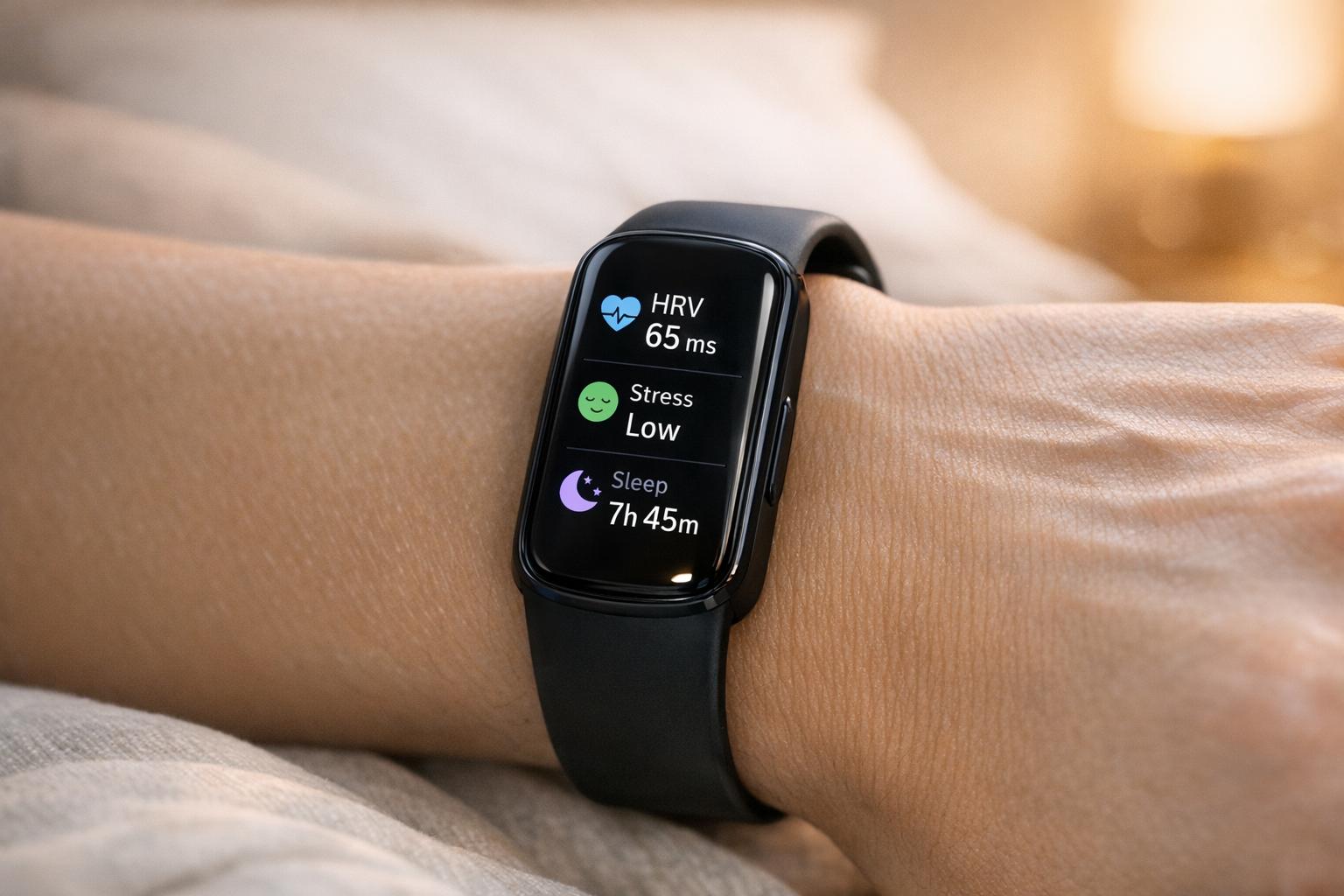
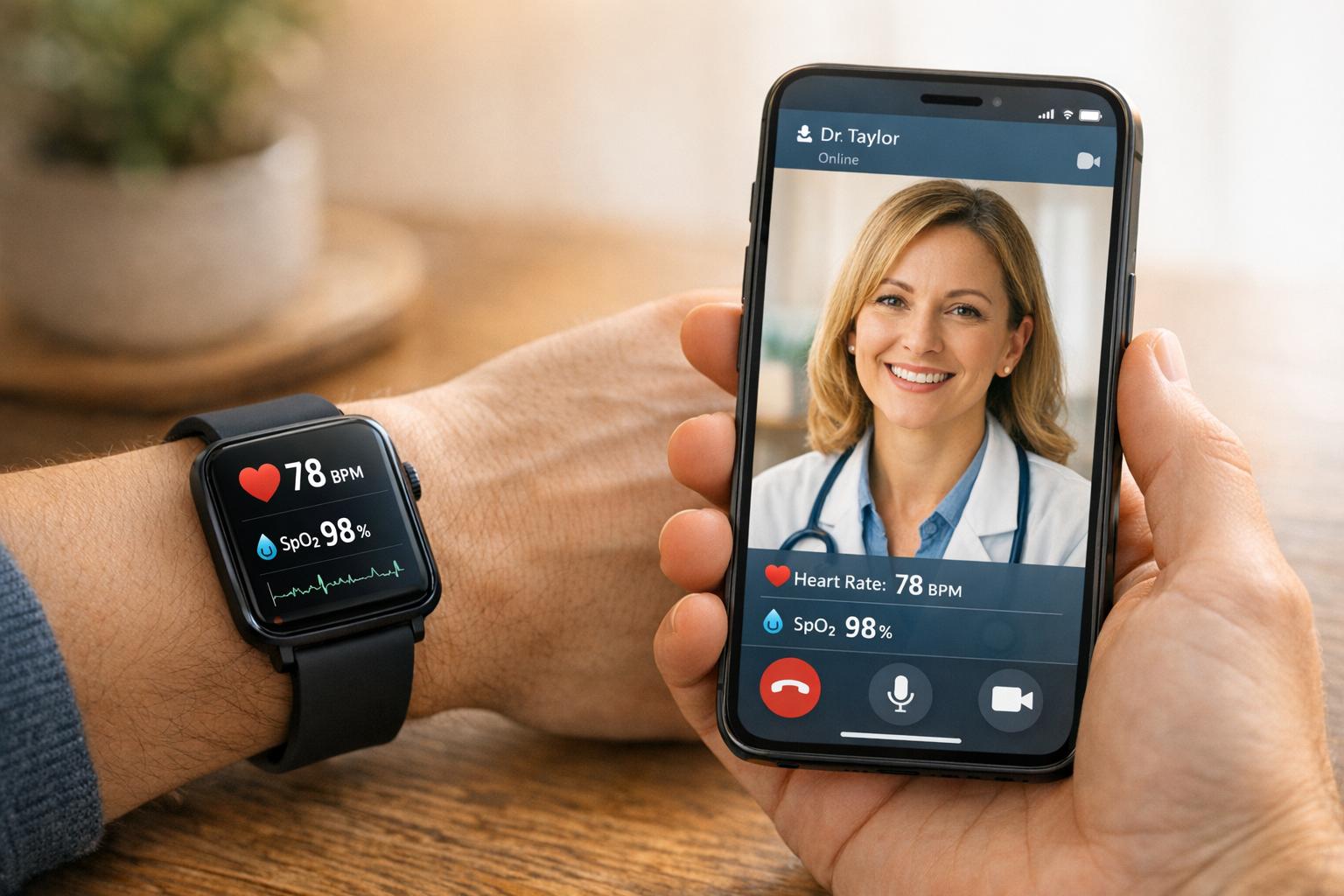
Your wearable isn’t just a step counter - it tracks Heart Rate Variability (HRV), offering insights into stress, recovery, and sleep quality. HRV measures the time variation between heartbeats and reflects the balance of your nervous system. Here’s why it matters and how to use it:
High HRV: Indicates better stress management and recovery.
Low HRV: Signals stress, fatigue, or potential health issues.
Tracking Tips: Wear your device snugly, use nighttime data for accuracy, and focus on trends over time.
Improving HRV: Stay hydrated, avoid late-night caffeine/alcohol, prioritize sleep, and try breathing exercises.
HRV trends help you adjust workouts, manage stress, and improve sleep quality. Modern wearables and tools like Healify make it easier to monitor and act on this data for better overall health.
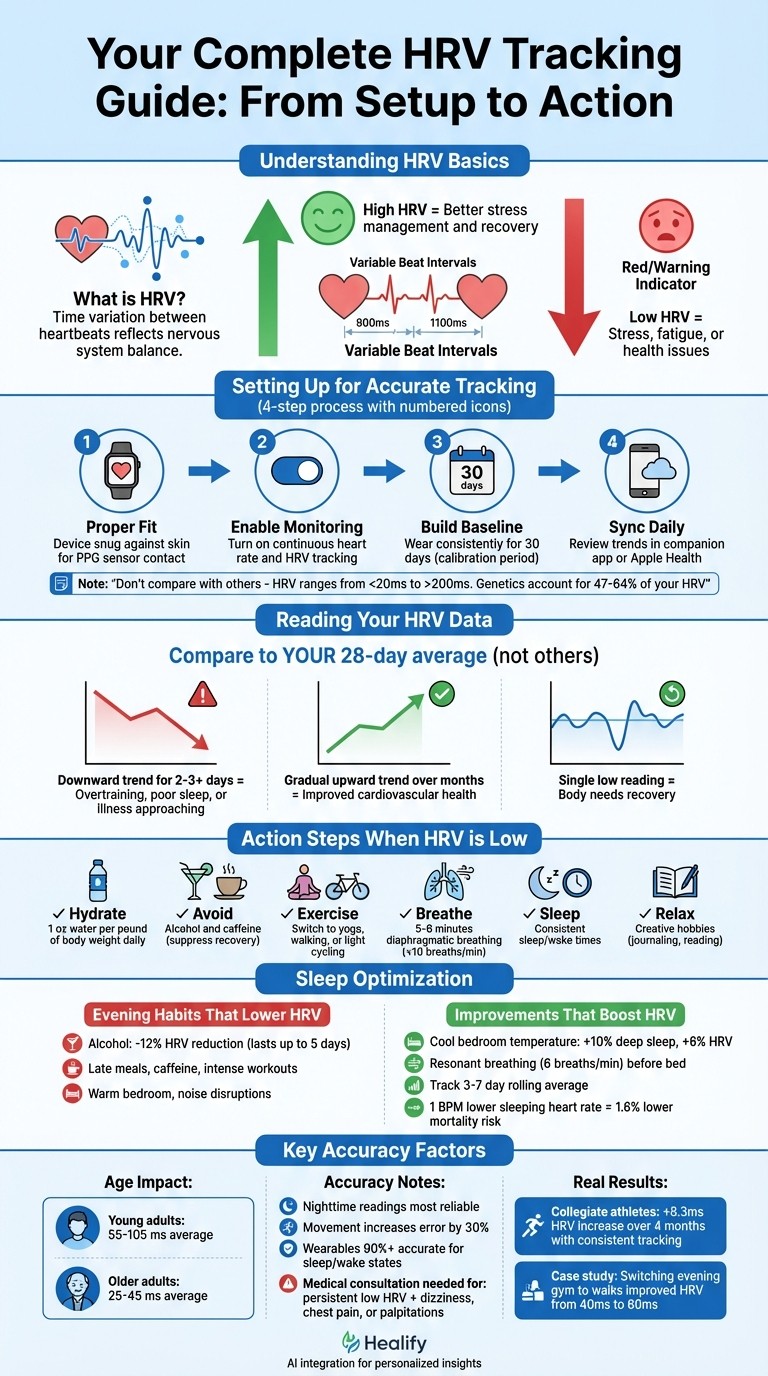
Complete Guide to HRV Tracking: Setup, Interpretation, and Action Steps
HRV Explained: How to Track & Interpret Your Heart Rate Variability
Setting Up Your Wearable for Accurate HRV Tracking
To get reliable HRV (Heart Rate Variability) data, your wearable needs to be set up correctly. This means ensuring consistent contact with your skin and enabling the right features for accurate tracking.
Device Placement and Settings
A proper fit is essential. Your device should fit snugly enough so the PPG sensors (those green lights on the back) stay in constant contact with your skin, especially during the night [4]. Whether you’re using a wristband, a finger ring, or another type of sensor, make sure it’s secure for the best results.
Once your wearable is in place, enable continuous heart rate and HRV monitoring in the settings. To avoid gaps in your data, aim to wear your device as much as possible - even during charging [3].
Building Your HRV Baseline
The first month of wearing your device is all about establishing a baseline. During this period, consistency is key. Most devices need about 30 days of calibration to recognize your unique patterns [3][8]. This baseline will help you track changes and make lifestyle adjustments effectively. To stabilize your baseline, stick to a regular sleep schedule and limit alcohol consumption.
It’s important not to compare your HRV data with others. HRV values can vary widely among individuals, ranging from below 20 ms to over 200 ms. Research shows that genetics account for 47% to 64% of your HRV [9][2]. Instead of focusing on hitting a specific number, pay attention to your personal trends over time.
Syncing and Reviewing Your Data
Sync your wearable with its companion app or a centralized platform like Apple Health to review daily readiness scores and weekly trends [8][10]. Make sure to enable data syncing in your device’s settings [12]. If you’re using multiple devices, you can manage which one takes priority for data through the "Data Sources & Access" menu [12].
A study involving collegiate athletes found that participants who consistently reviewed their data experienced an average HRV increase of 8.3 milliseconds over four months [10]. However, wait until your baseline period is complete before making significant lifestyle changes based on your data. Without a solid reference point, it’s harder to measure progress accurately [11][10].
Using HRV Data to Manage Stress and Recovery
Once you've established your HRV baseline, the real value comes from using this data to manage stress and recovery. It's all about understanding what the numbers mean specifically for you - not anyone else.
Reading Your HRV Trends
HRV scores are highly individual, so the best way to interpret them is by comparing your daily readings to your 28-day average [15]. A low HRV usually indicates your sympathetic nervous system (the "fight-or-flight" response) is in control, suggesting your body needs time to recover [1][14].
"It's much more meaningful to track your HRV consistently over time (think months and years) and understand your own ranges and patterns and what this means."
Renée Deehan, Ph.D., VP of Science and AI at InsideTracker[13]
Pay attention to trends. A consistent downward trend over several days often points to issues like overtraining, poor sleep, or even the onset of illness [10]. On the other hand, a gradual rise in your HRV over months typically reflects improved cardiovascular health and better stress management [10]. If your HRV dips below your baseline, consider it a signal to reassess your habits.
What to Do When HRV is Low
A dip below your baseline means your body is calling for recovery. Start by hydrating - aim to drink one ounce of water per pound of body weight daily [1][14]. Avoid alcohol and caffeine, as both can stimulate your sympathetic nervous system, making recovery more difficult [15][16].
Swap out intense exercise for gentler activities like yoga, walking, or light cycling [15][16]. Even a short walk outdoors can help. The movement combined with observing your surroundings (known as optic flow) can calm the amygdala, the brain's stress-processing center [16]. Breathing exercises, like diaphragmatic breathing for five to six minutes at a pace of fewer than 10 breaths per minute, can activate the vagus nerve and encourage a parasympathetic response [13][14].
Stick to consistent sleep and wake times to regulate your circadian rhythm [1][14]. And don't underestimate the power of creative downtime - hobbies like journaling, coloring, or reading fiction can lower cortisol levels and engage the brain's reward system [16].
Using AI Tools for Stress Management
Technology can take stress management to the next level by offering personalized insights. AI tools now combine HRV data with metrics like resting heart rate, sleep quality, and respiratory rate to generate daily recovery scores [1][2]. These scores help you understand how much physical or mental strain your body can handle.
Apps like Healify integrate HRV readings with bloodwork, biometrics, and lifestyle data to provide a complete health profile. Its AI health coach, Anna, offers real-time advice tailored to your HRV trends. For example, if your HRV drops, Anna might suggest adjusting your workout intensity, practicing specific breathing techniques, or tweaking your evening routine for better recovery.
Real-world examples highlight how impactful these tools can be. In 2023, Oura user Jussi L. discovered that late-day gym sessions were negatively affecting his recovery. By switching to evening walks, his average HRV improved from 40 ms to 60 ms [17]. Devices like WHOOP also alert users when their HRV drops significantly below baseline, acting as an early warning system for stress or illness [5][3]. Research supports this approach - HRV-guided training, where workout intensity is adjusted based on daily HRV scores, has been shown to produce better aerobic performance gains than sticking to a fixed schedule [18].
Using HRV Data to Improve Sleep
Your wearable device tracks heart rate variability (HRV), offering insights into how your evening habits influence sleep recovery. By leveraging these insights, you can make meaningful adjustments to improve your rest and overall well-being.
Understanding Nighttime HRV and Sleep Metrics
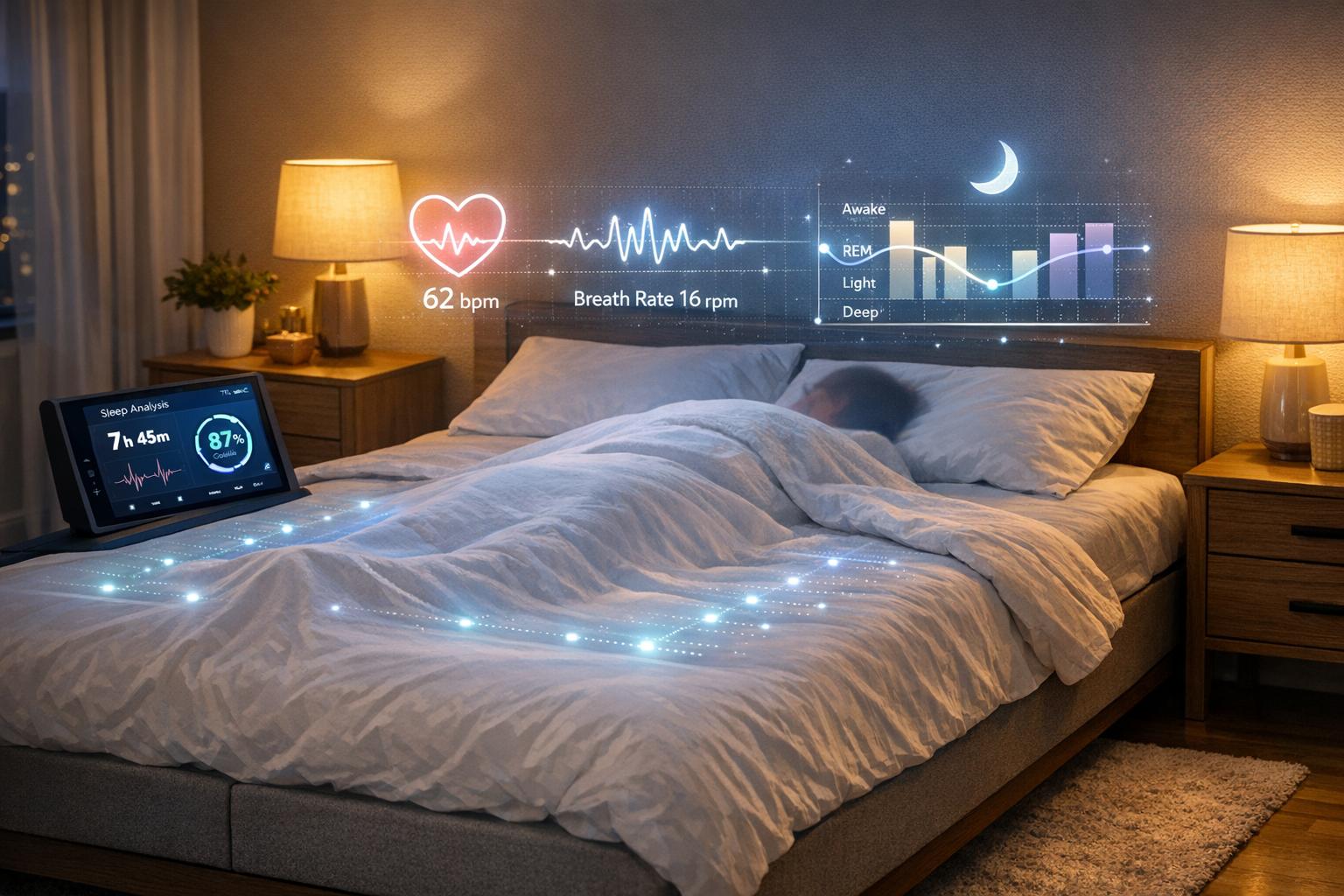
HRV naturally fluctuates as you move through different sleep stages. During deep sleep, your heart rate slows, and HRV stabilizes, supporting physical recovery [17]. In contrast, REM sleep sees an increase in HRV variability due to heightened brain activity [19].
"Falling asleep is associated with an increase in parasympathetic activity. No surprise here: We need to be in rest and digest mode to drift off into sleep."
Michael J. Breus, Ph.D., Clinical Psychologist [19]
Modern wearables, like the Oura Ring, are highly accurate - achieving over 90% accuracy in distinguishing sleep from wake states compared to medical-grade polysomnography [4] [20]. A 2020 study even showed the Oura Ring had a near-perfect agreement (r² = 0.980) with medical-grade ECG [17]. However, these devices are less precise at identifying specific sleep stages, with accuracy rates typically falling between 53% and 60% [4].
An upward trend in nighttime HRV often indicates successful recovery from daily stressors [6]. On the other hand, if your HRV remains flat or decreases, it could suggest lingering sympathetic nervous system activity, which might delay falling asleep [17].
Finding Patterns Between HRV and Sleep Habits
Your nightly routine has a direct impact on HRV. For instance, alcohol consumption can suppress the autonomic nervous system, reducing HRV by about 12%. Approximately 70% of people experience this reduction, with the effects lasting up to five days after just one night of drinking [17] [8] [24].
Other common habits like late-night meals, caffeine, or intense evening workouts can also lower HRV by keeping your sympathetic nervous system active [2] [23]. If you notice HRV dips after a late dinner or an evening espresso, it’s worth reconsidering those habits. Additionally, sudden drops in HRV or heart rate spikes during the night might point to fragmented sleep caused by conditions like sleep apnea or external disruptions, such as a warm room or noise [17] [20].
Steps to Improve Sleep Based on HRV
Start by optimizing your sleep environment. A cooler bedroom helps lower your core body temperature, promoting deep sleep and stabilizing HRV [17] [21]. Research shows that using cooling technology to maintain an ideal skin temperature can increase deep sleep by 10% and improve sleeping HRV by 6%. Even a small reduction in heart rate while sleeping - just 1 beat per minute - has been linked to a 1.6% lower risk of all-cause mortality [22].
Adjust your evening habits based on HRV data. If intense workouts are suppressing recovery, swap them for a light walk. If alcohol or caffeine consistently lowers your HRV, try cutting them off earlier in the day. Establishing a consistent sleep schedule can also help your body regulate more effectively, leading to better sleep and improved HRV [24] [3].
Incorporate relaxation techniques before bed, like resonant frequency breathing (about six breaths per minute), to activate your parasympathetic nervous system and boost HRV [6]. Guided breathing exercises or short meditations can also prepare your body for deeper rest [25] [2].
Rather than focusing on a single HRV reading, track a rolling three- to seven-day average. If your HRV trends downward for two to three days, it’s a signal to prioritize rest and ease up on intense workouts [23]. Tools like Healify integrate HRV data with other health metrics, offering personalized advice through its AI health coach, Anna. Whether it’s adjusting your evening routine, tweaking bedroom conditions, or addressing stress, Anna provides actionable guidance tailored to your sleep trends.
Limitations of HRV Tracking in Wearables
Wearables can provide helpful insights into heart rate variability (HRV), but they aren’t without flaws. Recognizing their limitations ensures you can interpret the data responsibly and avoid overreacting to specific readings.
Factors That Affect HRV Accuracy
HRV measurements from wearables can be influenced by a variety of external and physiological factors. For instance, age and hormonal cycles naturally impact HRV. Younger adults tend to have average HRV values between 55–105 ms, while older individuals often see a decline to 25–45 ms. Women may notice fluctuations during the luteal phase of their menstrual cycle[1][17].
Staying hydrated can help stabilize readings, but other factors like medications (e.g., benzodiazepines), illness, inflammation, or chronic conditions such as diabetes or sleep apnea may suppress HRV. Movement during measurements also impacts accuracy. For example, PPG-based heart rate readings taken during activity have an error rate roughly 30% higher than those taken at rest[27]. This is why nighttime readings, when the body is at rest, tend to be the most reliable[1].
"Heart rate variability is an extremely sensitive metric. It fluctuates greatly throughout the day, from one day to the next, and from one person to another." - WHOOP[1]
Unlike heart rate, which is easier to measure, HRV requires detecting individual systolic peaks, making it more challenging to capture accurately. While wearables can measure heart rate with less than 10% error at rest, their accuracy often drops significantly during physical activity[26].
When to Consult a Healthcare Professional
Wearable data alone shouldn’t be used to diagnose medical conditions. Even though devices like the Oura Ring demonstrate high agreement with medical-grade ECG during rest (r² = 0.980)[17], the metrics they provide are designed for general wellness rather than clinical use.
If your HRV consistently remains low compared to your baseline despite getting enough rest - and you experience symptoms like dizziness, chest pain, or heart palpitations - it’s time to seek medical advice[17]. Additionally, persistent low HRV combined with poor sleep could signal potential issues like sleep apnea, while chronic anxiety or depression with low HRV should be discussed with a mental health professional.
Although wearables can offer early warnings, such as alerts for irregular breathing or low blood oxygen levels, they should never replace professional medical evaluation.
How Healify Fills Gaps in Wearable Data
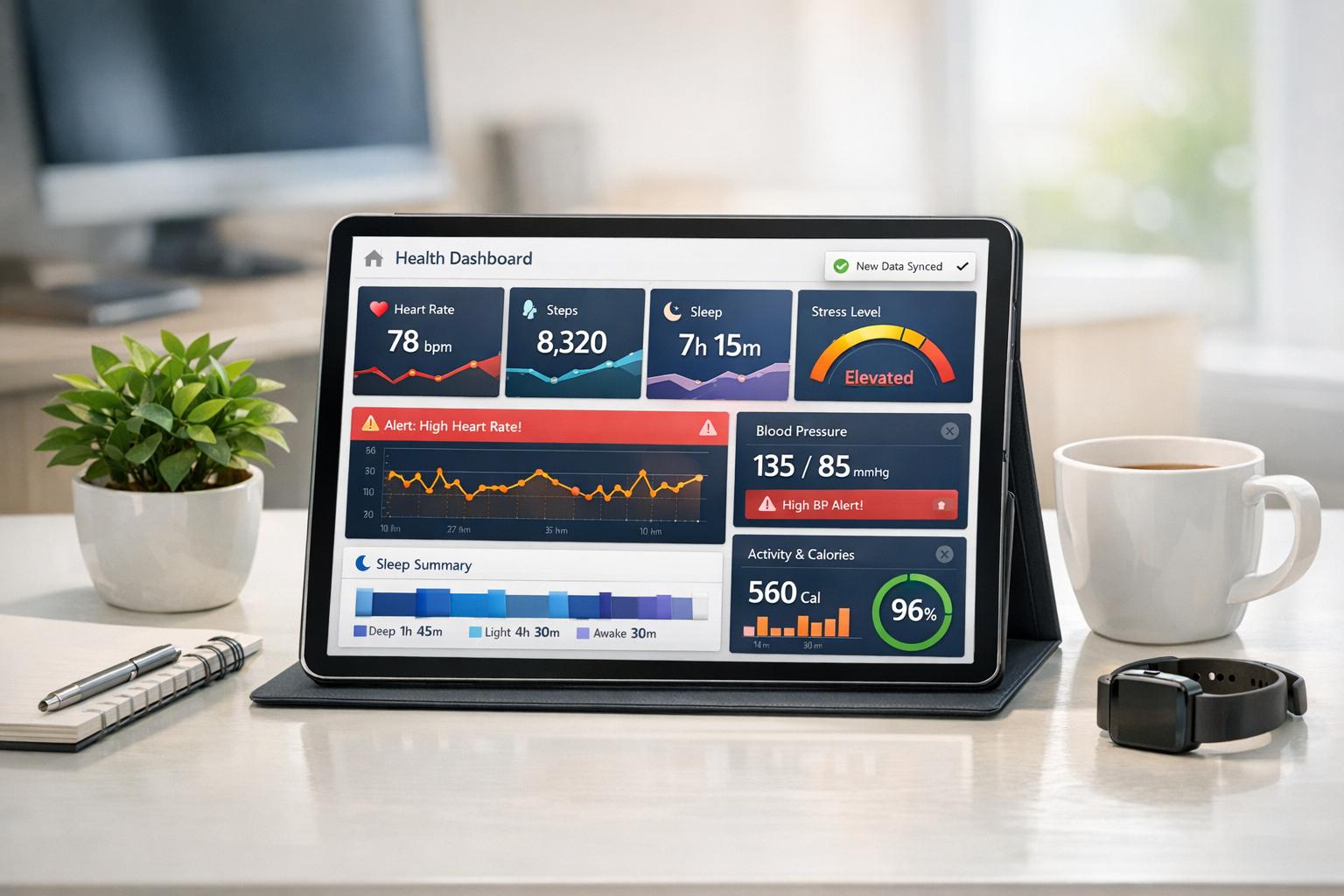
Healify takes wearable data a step further by providing a more complete health picture. It combines HRV with other metrics like skin temperature, respiratory rate, and lifestyle factors to give context to your numbers. Instead of leaving you to interpret isolated HRV readings, Healify’s AI health coach, Anna, analyzes your data alongside inputs like alcohol consumption, caffeine intake, and exercise habits.
This integrated approach helps identify the root causes of low HRV. For example, a drop in HRV paired with an elevated body temperature might indicate your body is fighting an illness[8]. On the other hand, low HRV after a tough workout is typically part of the recovery process. Anna also accounts for natural biological patterns, like the expected HRV dip during the luteal phase, helping you avoid unnecessary worry.
Conclusion
Heart rate variability (HRV) offers a unique glimpse into how your body handles stress and recovers. Thanks to wearables, what was once confined to clinical settings is now available to anyone, making it easier to turn complex data into practical steps. The most important takeaway? HRV is deeply personal - your focus should be on monitoring your own patterns over time[7].
The real advantage lies in connecting the dots between the data and your actions. A lower HRV score might be a signal to rest, tweak your workouts, or try relaxation techniques like breathwork. As WHOOP explains, "Every choice adds up - WHOOP helps you create habit changes that lead to better health and peak performance."[3] These small, daily adjustments can build over time, strengthening your resilience and overall well-being.
While wearables provide the data, tools like Healify make it easier to interpret. By combining HRV with other lifestyle factors, Healify's AI health coach Anna simplifies the numbers into personalized advice. Whether it’s fine-tuning your sleep routine, managing stress more effectively, or prioritizing recovery, you get actionable recommendations tailored to your needs.
FAQs
How can I use HRV data from my wearable to better manage stress?
Tracking your heart rate variability (HRV) with a wearable device can give you valuable insight into how your body handles stress. Generally, a lower HRV may signal higher stress levels, while a higher HRV often points to better recovery and adaptability.
To manage stress more effectively, keep an eye on your daily HRV patterns. If you notice a dip in your HRV, it might be time to incorporate relaxation techniques like deep breathing exercises or mindfulness practices. Many wearables include guided tools for these activities, making it easier to get started. For a more tailored approach, Healify’s AI health coach offers personalized suggestions based on your HRV data. These might include adjusting the intensity of your workouts, scheduling moments to unwind, or refining your sleep habits.
By consistently using your HRV data as a guide, you can build habits that not only help you manage stress but also enhance your overall well-being.
How can I set up my wearable to accurately track HRV for stress and sleep insights?
To get accurate HRV data from your wearable, start by selecting a device that tracks HRV and fits snugly to ensure good sensor contact. Make sure to activate the HRV feature in the settings and sync the device with its companion app to keep your data well-organized.
For the best results, measure HRV during calm periods, such as while you're sleeping or right after waking up in the morning. Consistency is crucial - track it over several days to establish a reliable baseline before diving into trend analysis. Also, don’t forget to keep both your device and app updated for the most precise tracking.
Looking for more detailed insights? Try linking your wearable to the Healify app. Its AI health coach, Anna, can analyze your HRV alongside other health metrics to offer tailored advice for managing stress and improving sleep.
How does HRV impact my sleep, and what can I do to improve it?
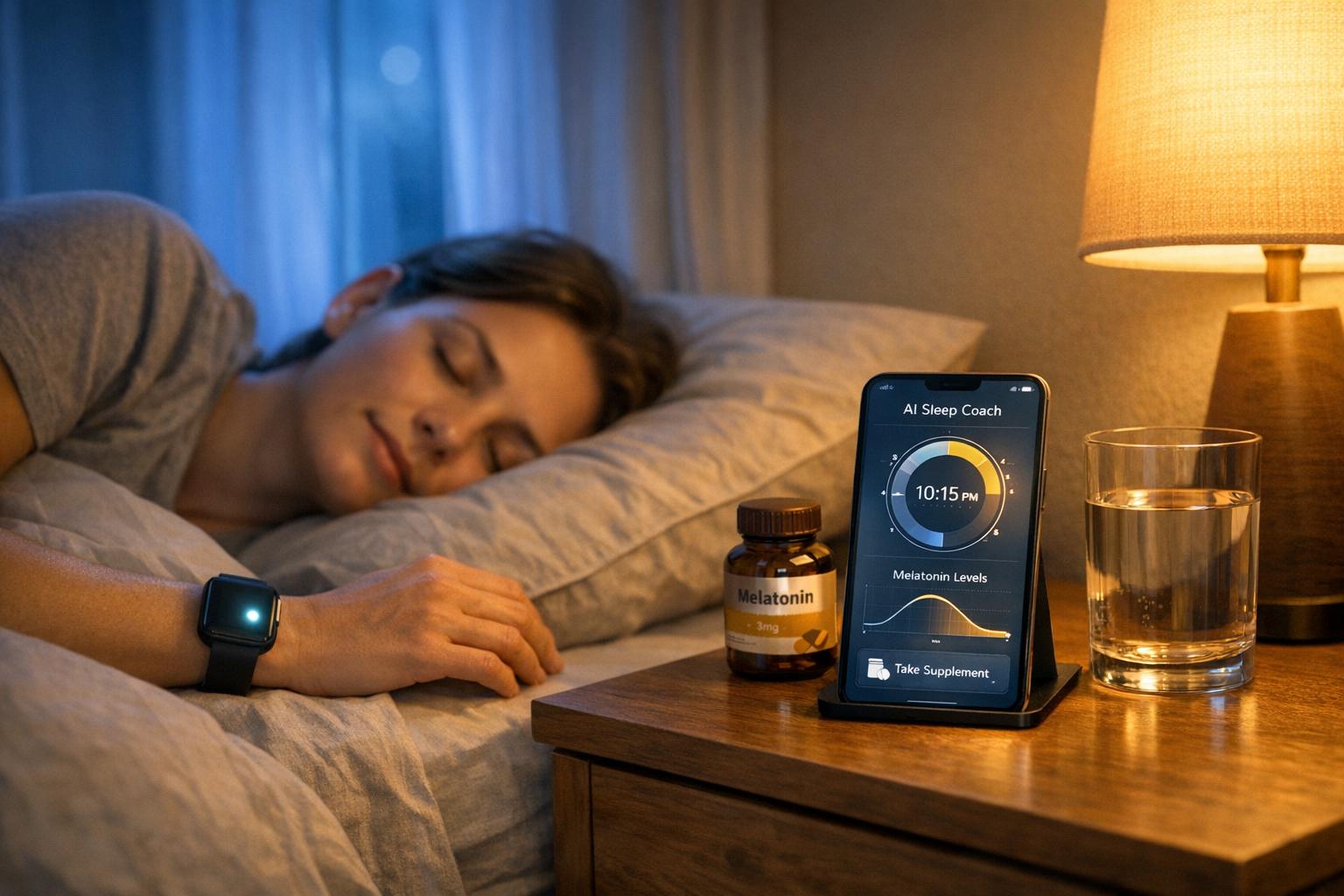
Heart rate variability (HRV) measures the tiny fluctuations in time between each heartbeat. It’s a key indicator of how well your autonomic nervous system balances relaxation (parasympathetic) and stress (sympathetic) responses. Generally, a higher HRV is associated with better deep and REM sleep, fewer interruptions during the night, and waking up feeling more refreshed. In contrast, a lower HRV can signal stress or poor recovery, often leading to lighter, more fragmented sleep.
Many wearables, like smartwatches and fitness trackers, now monitor HRV alongside sleep patterns, offering a window into how well your body recovers overnight. If you’re looking to improve both HRV and sleep quality, consider these practical tips:
Stick to a regular sleep schedule - for example, aim to go to bed at 10 p.m. and wake up at 6 a.m. every day.
Create a calming bedtime routine, incorporating relaxation techniques like deep breathing or mindfulness.
Exercise consistently, but avoid high-intensity workouts within two hours of bedtime.
Cut back on caffeine after noon and limit alcohol, as both can lower HRV and disrupt your sleep cycle.
Optimize your sleep environment by keeping your bedroom cool (around 65°F) and dark to encourage restful sleep.
By keeping an eye on HRV trends and making these adjustments, you can improve your recovery, enjoy deeper sleep, and boost your overall health.
Related Blog Posts
Your wearable isn’t just a step counter - it tracks Heart Rate Variability (HRV), offering insights into stress, recovery, and sleep quality. HRV measures the time variation between heartbeats and reflects the balance of your nervous system. Here’s why it matters and how to use it:
High HRV: Indicates better stress management and recovery.
Low HRV: Signals stress, fatigue, or potential health issues.
Tracking Tips: Wear your device snugly, use nighttime data for accuracy, and focus on trends over time.
Improving HRV: Stay hydrated, avoid late-night caffeine/alcohol, prioritize sleep, and try breathing exercises.
HRV trends help you adjust workouts, manage stress, and improve sleep quality. Modern wearables and tools like Healify make it easier to monitor and act on this data for better overall health.
Complete Guide to HRV Tracking: Setup, Interpretation, and Action Steps
HRV Explained: How to Track & Interpret Your Heart Rate Variability
Setting Up Your Wearable for Accurate HRV Tracking
To get reliable HRV (Heart Rate Variability) data, your wearable needs to be set up correctly. This means ensuring consistent contact with your skin and enabling the right features for accurate tracking.
Device Placement and Settings
A proper fit is essential. Your device should fit snugly enough so the PPG sensors (those green lights on the back) stay in constant contact with your skin, especially during the night [4]. Whether you’re using a wristband, a finger ring, or another type of sensor, make sure it’s secure for the best results.
Once your wearable is in place, enable continuous heart rate and HRV monitoring in the settings. To avoid gaps in your data, aim to wear your device as much as possible - even during charging [3].
Building Your HRV Baseline
The first month of wearing your device is all about establishing a baseline. During this period, consistency is key. Most devices need about 30 days of calibration to recognize your unique patterns [3][8]. This baseline will help you track changes and make lifestyle adjustments effectively. To stabilize your baseline, stick to a regular sleep schedule and limit alcohol consumption.
It’s important not to compare your HRV data with others. HRV values can vary widely among individuals, ranging from below 20 ms to over 200 ms. Research shows that genetics account for 47% to 64% of your HRV [9][2]. Instead of focusing on hitting a specific number, pay attention to your personal trends over time.
Syncing and Reviewing Your Data
Sync your wearable with its companion app or a centralized platform like Apple Health to review daily readiness scores and weekly trends [8][10]. Make sure to enable data syncing in your device’s settings [12]. If you’re using multiple devices, you can manage which one takes priority for data through the "Data Sources & Access" menu [12].
A study involving collegiate athletes found that participants who consistently reviewed their data experienced an average HRV increase of 8.3 milliseconds over four months [10]. However, wait until your baseline period is complete before making significant lifestyle changes based on your data. Without a solid reference point, it’s harder to measure progress accurately [11][10].
Using HRV Data to Manage Stress and Recovery
Once you've established your HRV baseline, the real value comes from using this data to manage stress and recovery. It's all about understanding what the numbers mean specifically for you - not anyone else.
Reading Your HRV Trends
HRV scores are highly individual, so the best way to interpret them is by comparing your daily readings to your 28-day average [15]. A low HRV usually indicates your sympathetic nervous system (the "fight-or-flight" response) is in control, suggesting your body needs time to recover [1][14].
"It's much more meaningful to track your HRV consistently over time (think months and years) and understand your own ranges and patterns and what this means."
Renée Deehan, Ph.D., VP of Science and AI at InsideTracker[13]
Pay attention to trends. A consistent downward trend over several days often points to issues like overtraining, poor sleep, or even the onset of illness [10]. On the other hand, a gradual rise in your HRV over months typically reflects improved cardiovascular health and better stress management [10]. If your HRV dips below your baseline, consider it a signal to reassess your habits.
What to Do When HRV is Low
A dip below your baseline means your body is calling for recovery. Start by hydrating - aim to drink one ounce of water per pound of body weight daily [1][14]. Avoid alcohol and caffeine, as both can stimulate your sympathetic nervous system, making recovery more difficult [15][16].
Swap out intense exercise for gentler activities like yoga, walking, or light cycling [15][16]. Even a short walk outdoors can help. The movement combined with observing your surroundings (known as optic flow) can calm the amygdala, the brain's stress-processing center [16]. Breathing exercises, like diaphragmatic breathing for five to six minutes at a pace of fewer than 10 breaths per minute, can activate the vagus nerve and encourage a parasympathetic response [13][14].
Stick to consistent sleep and wake times to regulate your circadian rhythm [1][14]. And don't underestimate the power of creative downtime - hobbies like journaling, coloring, or reading fiction can lower cortisol levels and engage the brain's reward system [16].
Using AI Tools for Stress Management
Technology can take stress management to the next level by offering personalized insights. AI tools now combine HRV data with metrics like resting heart rate, sleep quality, and respiratory rate to generate daily recovery scores [1][2]. These scores help you understand how much physical or mental strain your body can handle.
Apps like Healify integrate HRV readings with bloodwork, biometrics, and lifestyle data to provide a complete health profile. Its AI health coach, Anna, offers real-time advice tailored to your HRV trends. For example, if your HRV drops, Anna might suggest adjusting your workout intensity, practicing specific breathing techniques, or tweaking your evening routine for better recovery.
Real-world examples highlight how impactful these tools can be. In 2023, Oura user Jussi L. discovered that late-day gym sessions were negatively affecting his recovery. By switching to evening walks, his average HRV improved from 40 ms to 60 ms [17]. Devices like WHOOP also alert users when their HRV drops significantly below baseline, acting as an early warning system for stress or illness [5][3]. Research supports this approach - HRV-guided training, where workout intensity is adjusted based on daily HRV scores, has been shown to produce better aerobic performance gains than sticking to a fixed schedule [18].
Using HRV Data to Improve Sleep
Your wearable device tracks heart rate variability (HRV), offering insights into how your evening habits influence sleep recovery. By leveraging these insights, you can make meaningful adjustments to improve your rest and overall well-being.
Understanding Nighttime HRV and Sleep Metrics
HRV naturally fluctuates as you move through different sleep stages. During deep sleep, your heart rate slows, and HRV stabilizes, supporting physical recovery [17]. In contrast, REM sleep sees an increase in HRV variability due to heightened brain activity [19].
"Falling asleep is associated with an increase in parasympathetic activity. No surprise here: We need to be in rest and digest mode to drift off into sleep."
Michael J. Breus, Ph.D., Clinical Psychologist [19]
Modern wearables, like the Oura Ring, are highly accurate - achieving over 90% accuracy in distinguishing sleep from wake states compared to medical-grade polysomnography [4] [20]. A 2020 study even showed the Oura Ring had a near-perfect agreement (r² = 0.980) with medical-grade ECG [17]. However, these devices are less precise at identifying specific sleep stages, with accuracy rates typically falling between 53% and 60% [4].
An upward trend in nighttime HRV often indicates successful recovery from daily stressors [6]. On the other hand, if your HRV remains flat or decreases, it could suggest lingering sympathetic nervous system activity, which might delay falling asleep [17].
Finding Patterns Between HRV and Sleep Habits
Your nightly routine has a direct impact on HRV. For instance, alcohol consumption can suppress the autonomic nervous system, reducing HRV by about 12%. Approximately 70% of people experience this reduction, with the effects lasting up to five days after just one night of drinking [17] [8] [24].
Other common habits like late-night meals, caffeine, or intense evening workouts can also lower HRV by keeping your sympathetic nervous system active [2] [23]. If you notice HRV dips after a late dinner or an evening espresso, it’s worth reconsidering those habits. Additionally, sudden drops in HRV or heart rate spikes during the night might point to fragmented sleep caused by conditions like sleep apnea or external disruptions, such as a warm room or noise [17] [20].
Steps to Improve Sleep Based on HRV
Start by optimizing your sleep environment. A cooler bedroom helps lower your core body temperature, promoting deep sleep and stabilizing HRV [17] [21]. Research shows that using cooling technology to maintain an ideal skin temperature can increase deep sleep by 10% and improve sleeping HRV by 6%. Even a small reduction in heart rate while sleeping - just 1 beat per minute - has been linked to a 1.6% lower risk of all-cause mortality [22].
Adjust your evening habits based on HRV data. If intense workouts are suppressing recovery, swap them for a light walk. If alcohol or caffeine consistently lowers your HRV, try cutting them off earlier in the day. Establishing a consistent sleep schedule can also help your body regulate more effectively, leading to better sleep and improved HRV [24] [3].
Incorporate relaxation techniques before bed, like resonant frequency breathing (about six breaths per minute), to activate your parasympathetic nervous system and boost HRV [6]. Guided breathing exercises or short meditations can also prepare your body for deeper rest [25] [2].
Rather than focusing on a single HRV reading, track a rolling three- to seven-day average. If your HRV trends downward for two to three days, it’s a signal to prioritize rest and ease up on intense workouts [23]. Tools like Healify integrate HRV data with other health metrics, offering personalized advice through its AI health coach, Anna. Whether it’s adjusting your evening routine, tweaking bedroom conditions, or addressing stress, Anna provides actionable guidance tailored to your sleep trends.
Limitations of HRV Tracking in Wearables
Wearables can provide helpful insights into heart rate variability (HRV), but they aren’t without flaws. Recognizing their limitations ensures you can interpret the data responsibly and avoid overreacting to specific readings.
Factors That Affect HRV Accuracy
HRV measurements from wearables can be influenced by a variety of external and physiological factors. For instance, age and hormonal cycles naturally impact HRV. Younger adults tend to have average HRV values between 55–105 ms, while older individuals often see a decline to 25–45 ms. Women may notice fluctuations during the luteal phase of their menstrual cycle[1][17].
Staying hydrated can help stabilize readings, but other factors like medications (e.g., benzodiazepines), illness, inflammation, or chronic conditions such as diabetes or sleep apnea may suppress HRV. Movement during measurements also impacts accuracy. For example, PPG-based heart rate readings taken during activity have an error rate roughly 30% higher than those taken at rest[27]. This is why nighttime readings, when the body is at rest, tend to be the most reliable[1].
"Heart rate variability is an extremely sensitive metric. It fluctuates greatly throughout the day, from one day to the next, and from one person to another." - WHOOP[1]
Unlike heart rate, which is easier to measure, HRV requires detecting individual systolic peaks, making it more challenging to capture accurately. While wearables can measure heart rate with less than 10% error at rest, their accuracy often drops significantly during physical activity[26].
When to Consult a Healthcare Professional
Wearable data alone shouldn’t be used to diagnose medical conditions. Even though devices like the Oura Ring demonstrate high agreement with medical-grade ECG during rest (r² = 0.980)[17], the metrics they provide are designed for general wellness rather than clinical use.
If your HRV consistently remains low compared to your baseline despite getting enough rest - and you experience symptoms like dizziness, chest pain, or heart palpitations - it’s time to seek medical advice[17]. Additionally, persistent low HRV combined with poor sleep could signal potential issues like sleep apnea, while chronic anxiety or depression with low HRV should be discussed with a mental health professional.
Although wearables can offer early warnings, such as alerts for irregular breathing or low blood oxygen levels, they should never replace professional medical evaluation.
How Healify Fills Gaps in Wearable Data
Healify takes wearable data a step further by providing a more complete health picture. It combines HRV with other metrics like skin temperature, respiratory rate, and lifestyle factors to give context to your numbers. Instead of leaving you to interpret isolated HRV readings, Healify’s AI health coach, Anna, analyzes your data alongside inputs like alcohol consumption, caffeine intake, and exercise habits.
This integrated approach helps identify the root causes of low HRV. For example, a drop in HRV paired with an elevated body temperature might indicate your body is fighting an illness[8]. On the other hand, low HRV after a tough workout is typically part of the recovery process. Anna also accounts for natural biological patterns, like the expected HRV dip during the luteal phase, helping you avoid unnecessary worry.
Conclusion
Heart rate variability (HRV) offers a unique glimpse into how your body handles stress and recovers. Thanks to wearables, what was once confined to clinical settings is now available to anyone, making it easier to turn complex data into practical steps. The most important takeaway? HRV is deeply personal - your focus should be on monitoring your own patterns over time[7].
The real advantage lies in connecting the dots between the data and your actions. A lower HRV score might be a signal to rest, tweak your workouts, or try relaxation techniques like breathwork. As WHOOP explains, "Every choice adds up - WHOOP helps you create habit changes that lead to better health and peak performance."[3] These small, daily adjustments can build over time, strengthening your resilience and overall well-being.
While wearables provide the data, tools like Healify make it easier to interpret. By combining HRV with other lifestyle factors, Healify's AI health coach Anna simplifies the numbers into personalized advice. Whether it’s fine-tuning your sleep routine, managing stress more effectively, or prioritizing recovery, you get actionable recommendations tailored to your needs.
FAQs
How can I use HRV data from my wearable to better manage stress?
Tracking your heart rate variability (HRV) with a wearable device can give you valuable insight into how your body handles stress. Generally, a lower HRV may signal higher stress levels, while a higher HRV often points to better recovery and adaptability.
To manage stress more effectively, keep an eye on your daily HRV patterns. If you notice a dip in your HRV, it might be time to incorporate relaxation techniques like deep breathing exercises or mindfulness practices. Many wearables include guided tools for these activities, making it easier to get started. For a more tailored approach, Healify’s AI health coach offers personalized suggestions based on your HRV data. These might include adjusting the intensity of your workouts, scheduling moments to unwind, or refining your sleep habits.
By consistently using your HRV data as a guide, you can build habits that not only help you manage stress but also enhance your overall well-being.
How can I set up my wearable to accurately track HRV for stress and sleep insights?
To get accurate HRV data from your wearable, start by selecting a device that tracks HRV and fits snugly to ensure good sensor contact. Make sure to activate the HRV feature in the settings and sync the device with its companion app to keep your data well-organized.
For the best results, measure HRV during calm periods, such as while you're sleeping or right after waking up in the morning. Consistency is crucial - track it over several days to establish a reliable baseline before diving into trend analysis. Also, don’t forget to keep both your device and app updated for the most precise tracking.
Looking for more detailed insights? Try linking your wearable to the Healify app. Its AI health coach, Anna, can analyze your HRV alongside other health metrics to offer tailored advice for managing stress and improving sleep.
How does HRV impact my sleep, and what can I do to improve it?
Heart rate variability (HRV) measures the tiny fluctuations in time between each heartbeat. It’s a key indicator of how well your autonomic nervous system balances relaxation (parasympathetic) and stress (sympathetic) responses. Generally, a higher HRV is associated with better deep and REM sleep, fewer interruptions during the night, and waking up feeling more refreshed. In contrast, a lower HRV can signal stress or poor recovery, often leading to lighter, more fragmented sleep.
Many wearables, like smartwatches and fitness trackers, now monitor HRV alongside sleep patterns, offering a window into how well your body recovers overnight. If you’re looking to improve both HRV and sleep quality, consider these practical tips:
Stick to a regular sleep schedule - for example, aim to go to bed at 10 p.m. and wake up at 6 a.m. every day.
Create a calming bedtime routine, incorporating relaxation techniques like deep breathing or mindfulness.
Exercise consistently, but avoid high-intensity workouts within two hours of bedtime.
Cut back on caffeine after noon and limit alcohol, as both can lower HRV and disrupt your sleep cycle.
Optimize your sleep environment by keeping your bedroom cool (around 65°F) and dark to encourage restful sleep.
By keeping an eye on HRV trends and making these adjustments, you can improve your recovery, enjoy deeper sleep, and boost your overall health.
Related Blog Posts
Endlich die Kontrolle über Ihre Gesundheit übernehmen

Endlich die Kontrolle über Ihre Gesundheit übernehmen
Endlich die Kontrolle über Ihre Gesundheit übernehmen