Improve your health
Improve your health
Improve your health
24 de enero de 2026
REM vs. Deep Sleep: Clinical Insights from Wearables
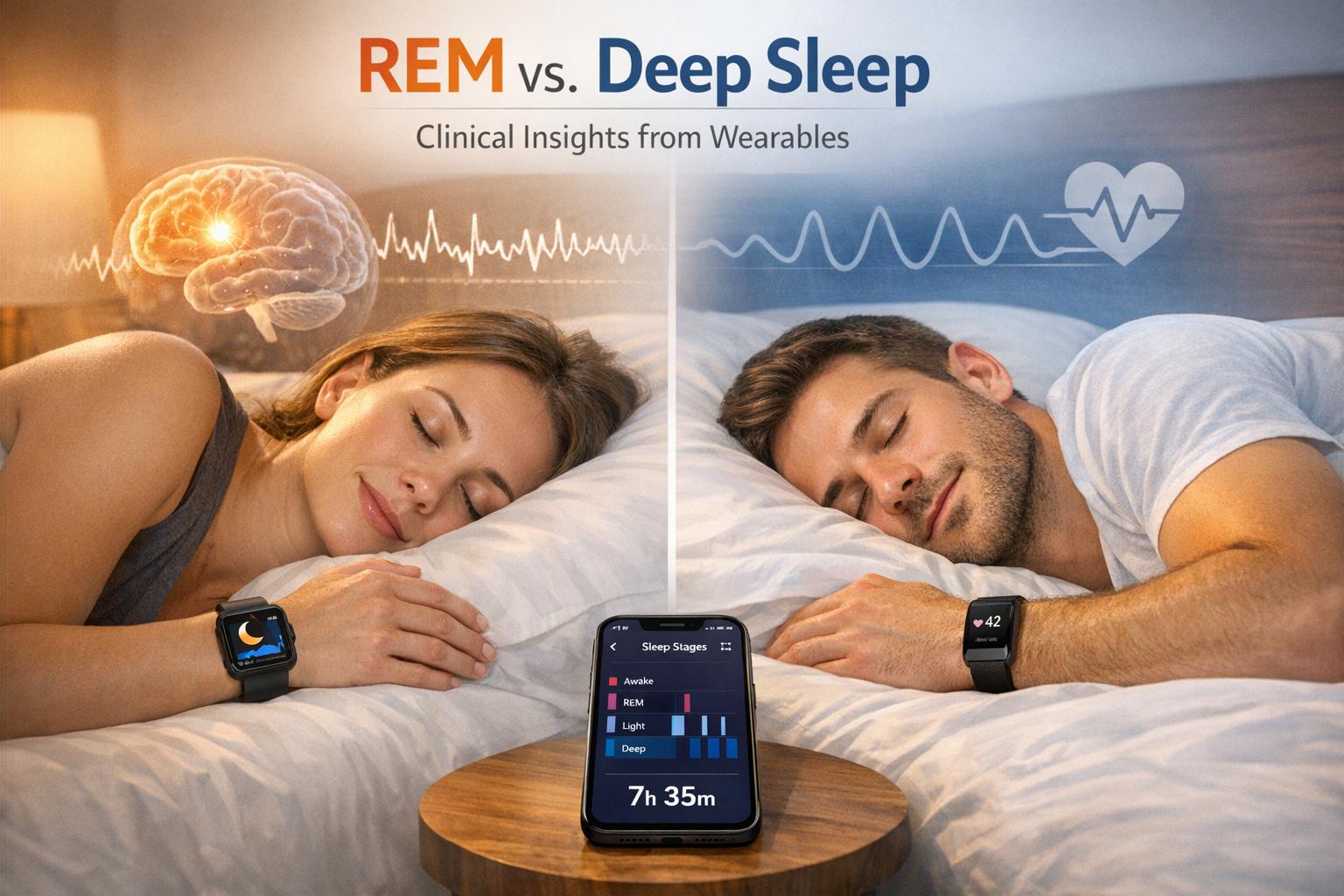
Wearable devices like the Oura Ring, Apple Watch, Fitbit, WHOOP, and Garmin Vivosmart 4 offer insights into REM and deep sleep, but their accuracy varies. Here's the key takeaway: while none of these devices can replace clinical-grade tools like polysomnography, they are useful for tracking long-term sleep trends and identifying patterns.
Key Insights:
REM Sleep: Vital for emotional regulation and memory. Apple Watch leads in REM detection with 82.6% sensitivity.
Deep Sleep: Essential for physical recovery. Oura Ring performs best with 79.5% sensitivity for deep sleep detection.
Long-Term Trends: Wearables are better at identifying sleep patterns over time rather than providing precise nightly data.
Quick Comparison:
Device | REM Sensitivity | Deep Sleep Sensitivity | Best Use Case |
|---|---|---|---|
76.0% | 79.5% | Accurate tracking for deep sleep | |
Apple Watch 8 | 82.6% | 50.5% | Reliable REM tracking |
67.3% | 61.7% | General sleep monitoring | |
22–26% REM | 17–20% deep sleep | Recovery and performance metrics | |
Garmin Vivosmart 4 | 34% | 45% | Budget-friendly trend tracking |
Wearables are not diagnostic tools but can help you monitor sleep habits and use health data for better sleep quality. For deeper analysis, pairing these devices with platforms like Healify can turn raw data into actionable health insights.
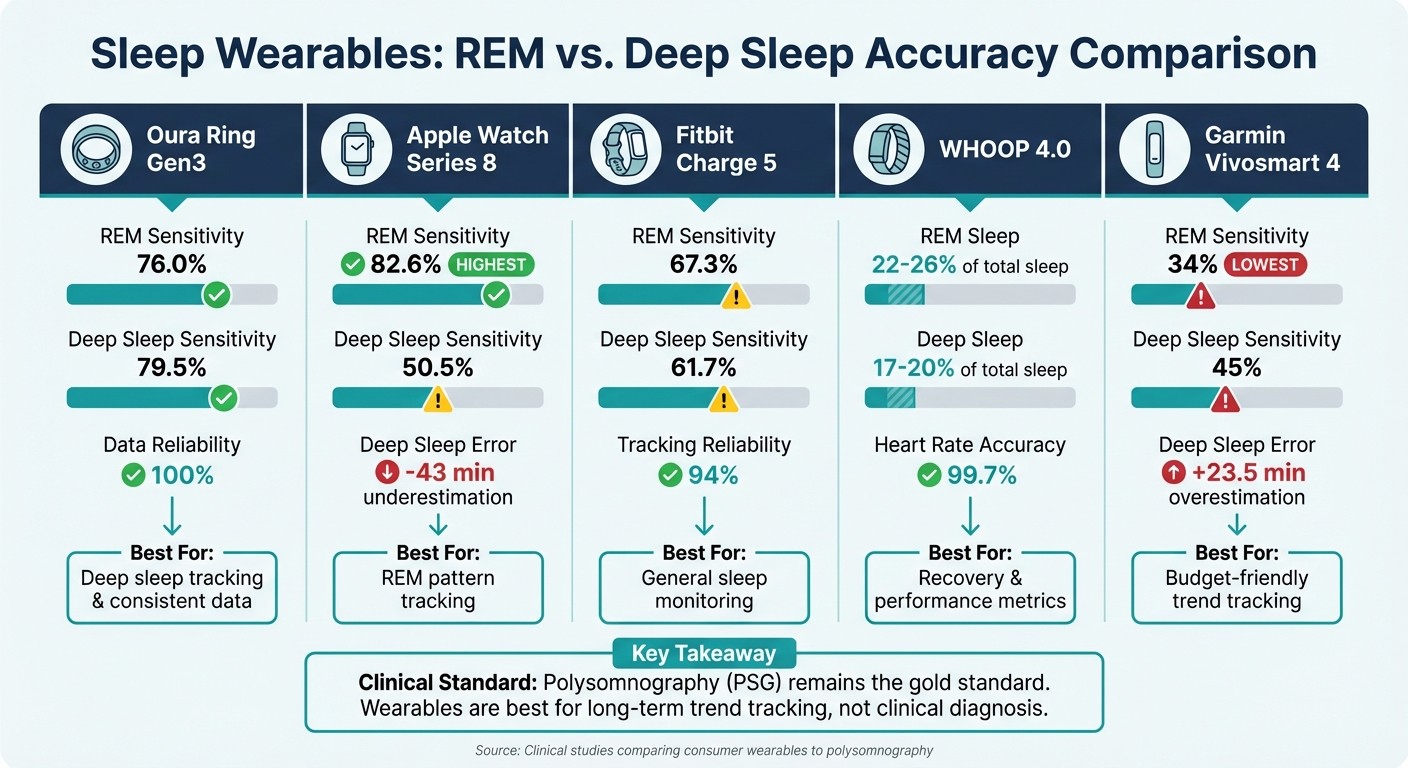
Sleep Tracker Comparison: REM vs Deep Sleep Detection Accuracy
1. Fitbit Charge 5
Accuracy for REM Detection
The Fitbit Charge 5 relies on multisensory algorithms to estimate sleep stages. Studies of recent Fitbit models using this technology show a 67.3% sensitivity and 73.1% precision for detecting REM sleep when compared to polysomnography. This means the device correctly identifies REM sleep about two-thirds of the time [10]. However, it has a tendency to overestimate how long a person stays in one sleep stage while underestimating how often they transition between stages [6].
Accuracy for Deep Sleep Detection
Tracking deep sleep presents similar challenges. The Charge 5 demonstrates a 61.7% sensitivity and 73.2% precision for deep sleep detection [10]. Research on the Fitbit Sense 2 highlights some discrepancies: deep sleep is underestimated by around 15 minutes, while light sleep is overestimated by about 18 minutes [7][10]. This suggests that the device struggles to clearly differentiate between these two stages.
"Sleep-staging Fitbit models showed promising performance, especially in differentiating wake from sleep... they are of limited specificity and are not a substitute for PSG."
– Shahab Haghayegh, Department of Biomedical Engineering, The University of Texas at Austin [9]
Clinical Relevance of Data
Even with its accuracy limitations, the Charge 5’s deep sleep data has provided valuable insights into health trends. A January 2024 study from the National Institutes of Health's All of Us Research Program analyzed data from 6,785 participants over a median of 4.5 years. The findings were striking: for every 1% increase in deep sleep, there was a lower likelihood of developing atrial fibrillation (OR 0.87; 95% CI 0.81–0.93) and generalized anxiety disorder (HR 0.84; 95% CI 0.72–0.98) [11]. While the Charge 5 may not deliver clinical-grade precision for a single night, it excels at identifying long-term sleep patterns. This makes it particularly useful for tracking trends in everyday life.
Device Limitations
The Charge 5 does come with some notable limitations. For starters, its algorithms are closed, meaning independent verification of the data isn’t possible [8]. In one study, data loss occurred in 2 out of 35 cases, even when the device was fully charged [10]. Additionally, factors like perceived sleep quality and overall sleep efficiency can impact the accuracy of its readings [6].
It’s important to view Fitbit’s sleep stage data as an estimate rather than a diagnostic tool. The device is most effective for monitoring sleep timing and wake periods over longer durations, especially in everyday environments where clinical sleep studies aren’t practical [5][8]. This evaluation of the Charge 5 provides a solid reference point for comparing its performance to other leading wearables.
2. Apple Watch Series 8
Accuracy for REM Detection
The Apple Watch Series 8 stands out for its REM sleep tracking capabilities. Apple created its sleep algorithm using data from 858 volunteers and validated it against 166 individuals who wore medical-grade polysomnography equipment [1]. The results? An impressive 82.6% sensitivity and 77.7% precision for REM detection [13]. In fact, recent studies suggest its REM sensitivity surpasses other top-tier devices [13].
However, the watch does have some limitations. It confuses REM sleep with light sleep about 21% of the time, but it rarely misclassifies deep sleep or wakefulness (less than 1%). Overall, its REM detection accuracy averages 78% [1]. While its REM tracking is solid, its performance in deep sleep detection tells a different story.
Accuracy for Deep Sleep Detection
When it comes to deep sleep, the Apple Watch Series 8 faces more challenges. Its sensitivity for detecting deep sleep is just 50.5% [13], which falls behind competitors like the Oura Ring Gen3 (79.5%) and the Fitbit Sense 2 (61.7%) [13]. The watch tends to underestimate deep sleep by 43 minutes and overestimate light sleep by 45 minutes, compared to polysomnography [13]. Its Intraclass Correlation Coefficient for deep sleep is only 0.13, a level researchers classify as "poor" when compared to clinical standards [7][10].
"The Apple Watch performed well for identifying sleep-wake states but had difficulty identifying the sleep stages compared to the reference PSG system."
– PubMed Abstract [15]
Clinical Relevance of Data
Despite occasional misclassifications, the Apple Watch Series 8 provides meaningful insights for long-term sleep monitoring. For example, a study published in Diagnostics in October 2025 followed 191 adults wearing the watch for 15 consecutive nights. The findings were striking: REM latency and REM sleep coefficient data from the watch explained 62% of the variance in depressive severity. Specifically, REM latency showed a strong negative correlation with Beck Depression Inventory scores (ρ = −0.673, p < 0.001) [14].
The watch's sleep data also ties into cardiovascular health. According to data from the All of Us Research Program, every percentage increase in REM sleep was linked to reduced odds of atrial fibrillation (OR 0.86) [11]. While a single night's data may not match the precision of clinical tools, the Apple Watch excels at identifying long-term trends that are valuable for health monitoring.
Still, these insights come with some practical hurdles that can affect the device's reliability.
Device Limitations
The Apple Watch Series 8 isn't without its flaws. In a clinical study involving 35 participants, the watch failed to collect sleep data for 6 individuals (around 17%) [7][10]. By contrast, the Oura Ring collected data from all participants in the same study [13]. Additionally, the Apple Watch only tracks sleep stages if you sleep for at least 4 hours and have either a set sleep schedule or sleep focus mode enabled [1]. Another issue? It underestimates wake time by an average of 7 minutes [7][10], which can skew the overall picture of sleep quality and contribute to discrepancies in sleep stage tracking.
3. Oura Ring
Accuracy for REM Detection
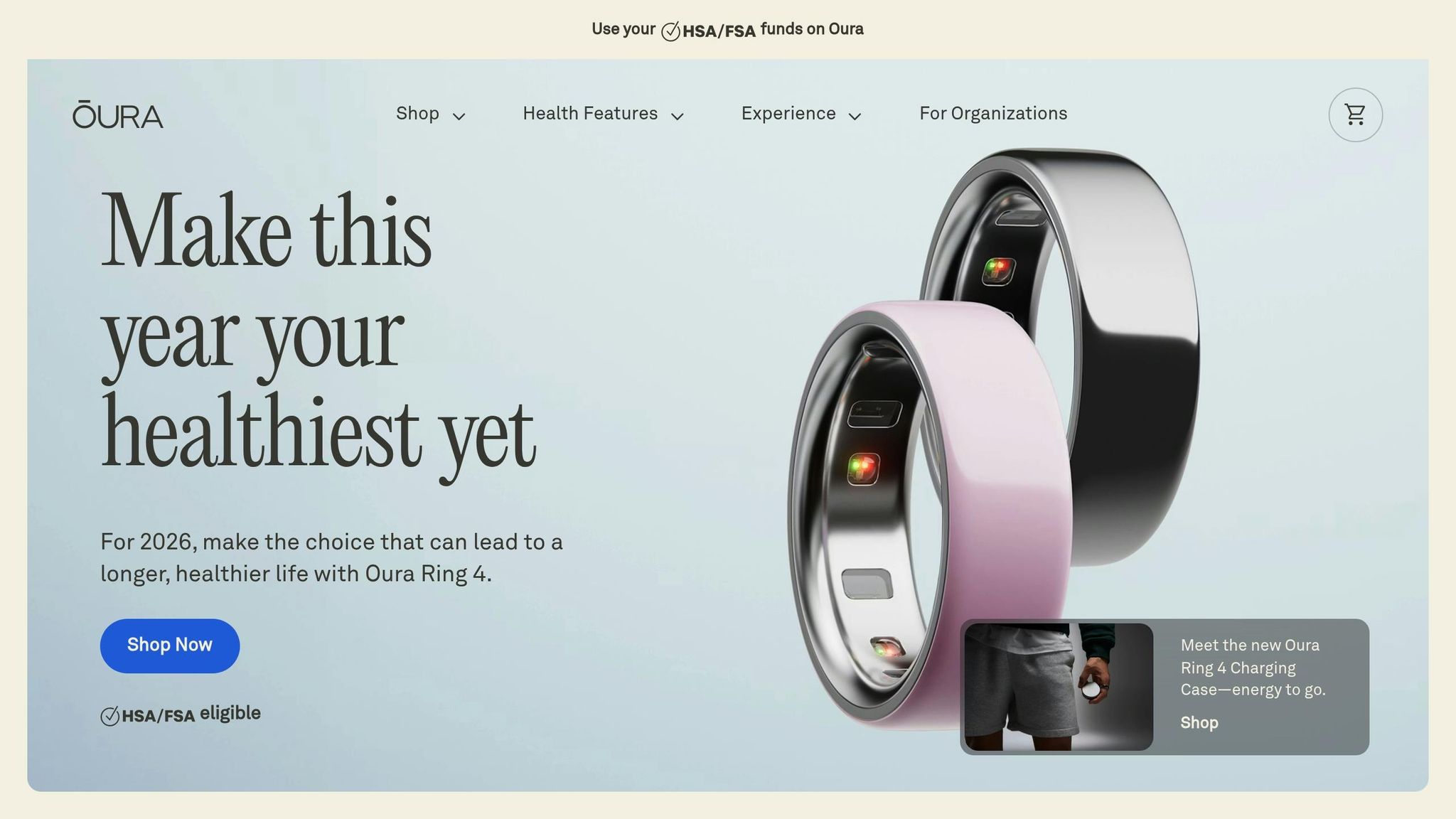
The Oura Ring Generation 3 has shown impressive results in tracking REM sleep. It achieves 76.0% sensitivity and 79.1% precision, with an overall accuracy of 90.6%, based on a study involving 96 participants [7][16]. On average, it underestimates REM sleep by just 4.1 to 5.6 minutes when compared to polysomnography, which is considered the gold standard for sleep studies [16]. This makes it a reliable tool for monitoring this critical sleep stage.
However, the device does have some quirks. It misclassifies REM sleep as light sleep in 76% of cases [20]. Even with this limitation, a study conducted by Brigham and Women's Hospital found that the Oura Ring outperformed other popular wearables, being 5% more accurate than the Apple Watch and 10% more accurate than the Fitbit Sense 2 in four-stage sleep classification [19].
Let’s now look at its performance in tracking deep sleep.
Accuracy for Deep Sleep Detection
The Oura Ring also stands out when it comes to deep sleep tracking. It boasts 79.5% sensitivity and 77.0% precision for detecting deep sleep [7]. These metrics place it well ahead of competitors like the Fitbit Sense 2, which has a sensitivity of 61.7%, and the Apple Watch Series 8, which comes in at just 50.5% [7]. Importantly, the ring’s estimates for deep sleep duration align closely with polysomnography results, showing no significant differences [7].
"The Oura ring was not different from PSG in terms of wake, light sleep, deep sleep, or REM sleep estimation."
– Rebecca Robbins, PhD, Division of Sleep and Circadian Disorders, Brigham and Women's Hospital [7]
One reason for its accuracy is its placement on the finger. The fingers have a richer blood supply compared to other areas like the wrist, which enhances the photoplethysmography signals used by the device. This advantage also makes the Oura Ring less susceptible to errors caused by movement or skin pigmentation [19].
Clinical Relevance of Data
The Oura Ring’s ability to reliably track sleep stages offers more than just nightly insights - it provides a window into broader health trends. Its accurate deep sleep data can help users monitor physical recovery, immune system health, and brain detoxification processes. Meanwhile, its REM sleep tracking sheds light on memory consolidation and emotional processing [18]. The device’s performance is noteworthy, achieving a 79% agreement with polysomnography tests [18][19]. For context, even human sleep technicians typically agree only 83% of the time when scoring the same sleep study [22].
That said, the device does have its limits. In clinical sleep lab populations - where participants often have various sleep disorders - the Oura Ring’s four-stage sleep classification accuracy drops to 53.18% [17]. This suggests the device is better suited for healthy individuals looking to track wellness trends, rather than for diagnosing complex medical conditions.
Device Limitations
Like any wearable, the Oura Ring has its share of drawbacks. Its accuracy can vary depending on which finger it’s worn on, with the ring finger being less reliable for REM and light sleep detection compared to the index or middle fingers [20]. It also tends to overestimate sleep onset latency by about 5 minutes and experiences data dropouts on 31% of nights due to issues like poor fit or recording errors [7][17]. Additionally, the device struggles to distinguish between light sleep and quiet wakefulness, a common challenge for wearables [21].
Another limitation stems from its photoplethysmography technology. This method can be less reliable for individuals with darker skin tones or tattoos, as melanin and ink can interfere with the sensors [21]. While these issues don’t overshadow the device’s strengths, they are important to consider for potential users.
4. WHOOP 4.0
Accuracy for REM Detection
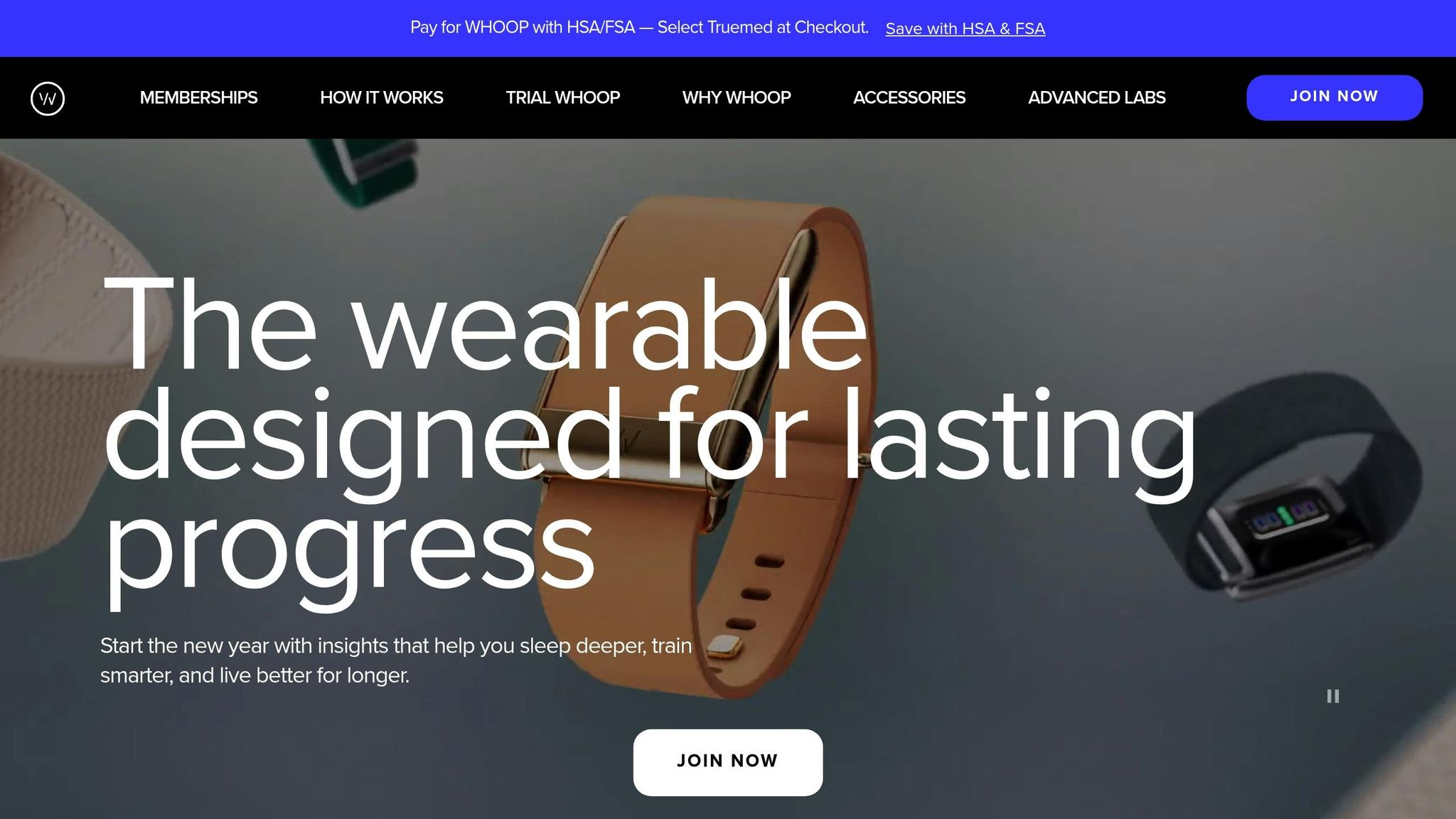
The WHOOP 4.0 relies on a combination of advanced sensors, including a 3-axis accelerometer, 3-axis gyroscope, and PPG sensors, to monitor sleep stages [24]. By using machine learning trained on polysomnography data, it identifies four distinct sleep stages: Wake, Light, REM, and Deep Sleep [24]. A study conducted by Central Queensland University highlighted WHOOP's superior performance in estimating total sleep time and accurately identifying sleep stages compared to other leading wearables [24].
WHOOP is often recognized in independent research as one of the most precise wrist-worn devices for tracking sleep [24]. On average, the middle 50% of WHOOP users experience between 1 hour and 44 minutes to 2 hours of REM sleep per night, which accounts for roughly 22–26% of their total sleep [23]. Let’s take a closer look at how WHOOP performs in detecting deep sleep.
Accuracy for Deep Sleep Detection
WHOOP stands out for its precision in measuring the physiological data that informs its deep sleep detection. It achieves a 99.7% accuracy rate in monitoring heart rate during sleep and a 99% accuracy rate in tracking heart rate variability (HRV) [24]. These metrics are central to its sleep staging algorithms, which analyze heart rate, HRV, and respiratory rate to differentiate between various sleep stages [24].
"A Central Queensland University study found WHOOP to be 99.7% accurate in measuring heart rate during sleep - levels of accuracy that surpassed all other wearables in the study." – Emily Capodilupo, VP of Data Science, WHOOP [24]
For deep sleep, the middle 50% of WHOOP users average between 1 hour and 23 minutes to 1 hour and 32 minutes per night, which represents about 17–20% of their total sleep [23]. Deep sleep is particularly important, as approximately 95% of the body’s daily growth hormone production occurs during this stage [25][23]. These precise measurements allow WHOOP to provide insights that can inform health and recovery strategies.
Clinical Relevance of Data
WHOOP’s detailed sleep-stage tracking contributes to long-term health monitoring and actionable insights. Its features, like the "Sleep Performance Score" and "Recovery" metrics, translate raw data into meaningful recommendations. For instance, the device differentiates between deep sleep, which is essential for physical recovery - such as muscle repair and tissue growth - and REM sleep, which supports memory consolidation and emotional health [25][23].
The app’s Sleep Planner suggests optimal bedtimes and wake times based on factors like daily strain and accumulated sleep debt, helping users maximize recovery [26][23]. By monitoring trends in both deep and REM sleep, users can identify patterns and habits that influence their overall sleep quality [25]. To ensure the best sensor accuracy, WHOOP should be worn snugly about an inch above the wrist bone [24].
Device Limitations
Although WHOOP is designed to enhance performance and recovery, it is classified as a consumer wellness product rather than a medical device. This means it is not intended to diagnose, treat, or prevent medical conditions [24][26]. Activities involving intense wrist movement, like weightlifting or boxing, can interfere with the accuracy of its PPG signals [24]. To address this, WHOOP recommends using its "WHOOP Body" apparel, which allows users to reposition the sensor to the bicep or torso during such activities [24].
"WHOOP is a consumer wellness product designed to help you optimize your performance and is not a medical device intended to diagnose, treat, or prevent any disease." – Emily Capodilupo, Senior Vice President of Data Science & Research, WHOOP [24]
One limitation is that WHOOP uses proprietary algorithms, which lack transparency, making it difficult for researchers to compare its performance across different studies or populations [12]. Additionally, some advanced health features are not designed for users under 22 years old or for individuals with known arrhythmias, except atrial fibrillation [26][27].
5. Garmin Vivosmart 4
Accuracy for REM Detection
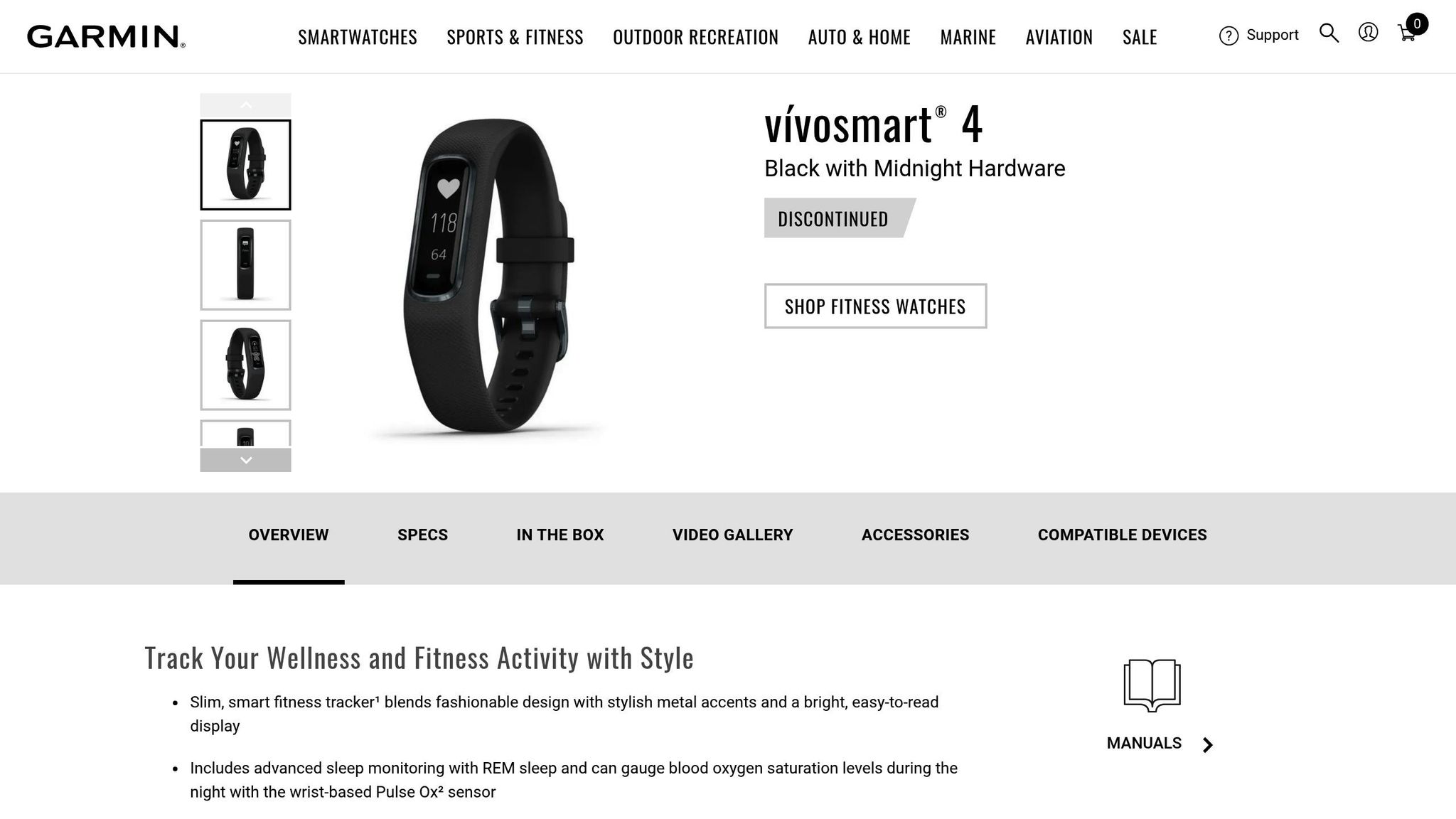
The Garmin Vivosmart 4 uses a combination of accelerometry and PPG (photoplethysmography) to track movement and cardiovascular markers like heart rate variability, aiming to estimate sleep stages [2][28]. However, when it comes to detecting REM sleep, the device falls short. Its REM sensitivity is just 34% - significantly lower than many competing devices [2][28]. Additionally, it underestimates REM sleep duration by an average of 12.55 minutes [2][28]. When compared to gold-standard polysomnography (PSG), the Vivosmart 4 achieves only 50% agreement in multi-state sleep stage classification, with a Cohen's kappa of 0.20, which indicates "slight agreement" [2][28][31]. Deep sleep tracking also poses challenges for the device.
Accuracy for Deep Sleep Detection
The Vivosmart 4's ability to track deep sleep is similarly limited. Its deep sleep sensitivity is 45%, which lags behind other leading devices [2][28]. The device tends to overestimate deep sleep duration by about 23.5 minutes on average [2][28]. While it boasts a high overall sleep sensitivity of 98%, its wake specificity is only 30%, which inflates total sleep time estimates and reduces the reliability of its sleep stage data. Some studies even report that the device underestimates deep sleep by anywhere from 4.1 to 41.4 minutes when compared to PSG [28].
Clinical Relevance of Data
Despite these limitations, the Garmin Vivosmart 4 can still be useful for tracking long-term sleep trends. It is particularly helpful for observing shifts in sleep onset, wake times, and total sleep duration over extended periods [29]. While it isn’t suitable for detailed clinical diagnostics, its data can guide general strategies for improving sleep.
"Our results suggest that GV4 is not able to reliably describe sleep architecture but may allow for detection of changes in sleep onset, sleep end, and TST... in longitudinally followed groups." – Mouritzen NJ, et al., PLOS One [29]
The device’s tendency to underestimate deep sleep and overestimate light sleep highlights the need to focus on relative trends rather than absolute values. For example, tracking improvements in deep sleep percentages over weeks or months can provide meaningful insights [2][28][29]. Deep sleep plays a crucial role in physical restoration and growth hormone secretion, making it an essential phase for overall health [3].
Device Limitations
One of the main drawbacks of the Vivosmart 4 is its inability to detect subtle changes in sleep stages [2][28]. Its sensitivity for identifying wakefulness can dip as low as 27%, which further undermines the reliability of its sleep data for clinical purposes [31].
"The scientific research on these wearables remains considerably limited. This scarcity in literature not only reduces our ability to draw definitive conclusions but also highlights the need for more targeted research in this domain." – An-Marie Schyvens, MSc, Multidisciplinary Sleep Disorders Centre [30]
PPG readings, a key feature of the device, are also influenced by factors like motion, skin pigmentation, tissue thickness, and environmental conditions [2][28]. While the Vivosmart 4 is a popular choice for general consumers looking to monitor their sleep habits, its low sensitivity for specific sleep stages means it’s not the best fit for clinical applications that require precise data. Instead, its strength lies in tracking overall sleep timing and trends.
Best Wearables for Sleep: Scientific Rankings
Pros and Cons
When it comes to sleep tracking, wearables vary widely in their strengths. Let’s break down how some of the most popular devices perform:
The Oura Ring Gen3 is a standout for its data reliability, achieving a perfect 100% success rate in clinical studies. It also excels in deep sleep detection with a sensitivity of 79.5% [32][33]. Thanks to its placement on the finger, it captures cleaner PPG signals compared to wrist-worn devices, making it a top choice for users focused on accuracy.
The Apple Watch Series 8 shines in REM detection, boasting an 82.6% sensitivity and an error rate of less than 1% when distinguishing REM from deep sleep [7][1]. However, it has a notable downside - it underestimates deep sleep by an average of 43 minutes and has experienced data loss in clinical trials [7]. Additionally, it requires at least 4 hours of wear to track sleep effectively [1]. This highlights the common tradeoff between precision and ease of use across many wearables.
Fitbit devices offer a reliable middle ground, with a 94% tracking reliability rate and moderate accuracy across sleep stages [33]. While they underestimate deep sleep by 15 minutes and overestimate light sleep by 18 minutes, these biases are less pronounced than those seen in the Apple Watch [7]. However, Fitbit's one-account-per-device setup can be a hassle for users with multiple trackers [34].
The WHOOP 4.0 and Garmin Vivosmart 4 use multi-sensor systems that outperform devices relying solely on accelerometers. However, they fall short in transparency and validation compared to their competitors [12]. Garmin, in particular, struggles with REM sensitivity, which is just 34%, and tends to overestimate deep sleep by 23.5 minutes [2][28].
Here’s a quick comparison of the devices:
Device | Key Strength | Main Limitation | Best For |
|---|---|---|---|
Oura Ring Gen3 | Best deep sleep accuracy (79.5%) and 100% data reliability [32][33] | Prone to motion artifacts during wake periods [4] | Users prioritizing deep sleep tracking and consistent data |
Apple Watch Series 8 | Accurate REM detection (82.6%) with minimal REM/deep confusion [7][1] | Underestimates deep sleep by 43 minutes [7] | Tracking REM patterns and overall sleep timing |
Fitbit devices | High tracking reliability (94%) [33] | Slight deep sleep underestimation (-15 min) [7] | General sleep monitoring and trend tracking |
WHOOP 4.0 | Continuous monitoring with recovery metrics [4] | Limited validation data and proprietary algorithms [12] | Athletes focused on recovery and performance |
Garmin Vivosmart 4 | Affordable option for trend tracking [29] | Budget-conscious users monitoring sleep timing |
These comparisons highlight that while these devices are great tools for long-term sleep monitoring, they’re not designed to replace clinical diagnostics. Each device has its strengths and weaknesses, making them suitable for different types of users and priorities.
Conclusion
When it comes to tracking REM and deep sleep, not all devices perform equally. For balanced accuracy across both sleep stages, the Oura Ring Gen3 stands out, offering 79.5% sensitivity for deep sleep and 76.0% for REM - results that align closely with polysomnography [7][33]. The Apple Watch Series 8, on the other hand, shines in REM detection with an impressive 82.6% sensitivity but tends to underestimate deep sleep by about 43 minutes [7][33]. Meanwhile, Fitbit devices are reliable for identifying sleep trends over time, even if they lack the precision of the other two options.
However, a study published in Scientific Reports highlights an important limitation:
"While some devices may demonstrate reasonable agreement with PSG on average, this agreement masks substantial individual-level inaccuracies, prohibiting their use in clinical sleep medicine" [35].
In other words, while these wearables are valuable for long-term monitoring, they can't replace clinical diagnostics.
It's worth noting that low REM sleep might point to conditions like sleep apnea, while inadequate deep sleep can signal stress or recovery challenges. This is where platforms like Healify (https://healify.ai) step in. By analyzing sleep data alongside other biometrics and lifestyle habits, Healify's AI health coach, Anna, delivers tailored recommendations. Whether it's tweaking your bedtime routine, managing stress, or knowing when to seek medical advice, this kind of personalized guidance bridges the gap between raw data and actionable health insights.
So, how do you decide? Opt for the Oura Ring for well-rounded accuracy, the Apple Watch for REM tracking, or Fitbit for trend analysis. Then, pair your device with a platform like Healify to make sense of the data and turn it into meaningful steps for better health.
FAQs
How reliable are wearables for tracking sleep compared to clinical tools?
Wearable devices, like smartwatches and fitness trackers, have made tracking sleep easier for the average person. But when it comes to accuracy, they can't quite match up to clinical tools like polysomnography (PSG). Research suggests that wearables do a decent job at identifying certain sleep stages, such as REM. However, they often struggle with misclassifying stages like REM and deep sleep. This is largely because they rely on motion and heart rate data instead of the in-depth physiological measurements that PSG provides.
Even though they aren't as precise as clinical-grade tools, wearables still offer value by helping users identify general sleep patterns and trends. When combined with platforms like Healify, which interprets wearable data to deliver personalized health insights, these devices can become powerful tools for improving sleep habits and overall well-being. That said, for accurate diagnoses, clinical methods remain the go-to option.
What is the best wearable for tracking REM sleep?
The Apple Watch Series 4 and newer models, including the Apple Watch SE3, stand out as dependable tools for tracking REM sleep. These devices boast an accuracy rate of about 78% when it comes to identifying REM sleep and distinguishing it from other sleep stages. While they aren't flawless, they offer a solid level of reliability for sleep monitoring.
What’s more, the Apple Watch pairs seamlessly with apps like Healify, which can help you interpret your sleep data. These apps provide practical tips and insights aimed at enhancing your overall health and quality of sleep.
Can wearable devices track long-term sleep patterns effectively?
Wearable devices are incredibly useful for tracking sleep patterns over the long term. By gathering sleep data consistently over weeks, months, or even years, these devices can reveal personal trends, changes, and possible irregularities in sleep habits. This broader view helps paint a clearer picture of overall sleep health and its ties to factors like stress, fatigue, or chronic illnesses.
Many modern wearables also estimate sleep stages, such as REM and deep sleep, offering a closer look at sleep quality. While they don't provide the same level of accuracy as clinical sleep studies, their ease of use and ability to collect ongoing, real-world data make them a valuable tool for managing personal health and spotting potential sleep-related concerns early.
Related Blog Posts
Wearable devices like the Oura Ring, Apple Watch, Fitbit, WHOOP, and Garmin Vivosmart 4 offer insights into REM and deep sleep, but their accuracy varies. Here's the key takeaway: while none of these devices can replace clinical-grade tools like polysomnography, they are useful for tracking long-term sleep trends and identifying patterns.
Key Insights:
REM Sleep: Vital for emotional regulation and memory. Apple Watch leads in REM detection with 82.6% sensitivity.
Deep Sleep: Essential for physical recovery. Oura Ring performs best with 79.5% sensitivity for deep sleep detection.
Long-Term Trends: Wearables are better at identifying sleep patterns over time rather than providing precise nightly data.
Quick Comparison:
Device | REM Sensitivity | Deep Sleep Sensitivity | Best Use Case |
|---|---|---|---|
76.0% | 79.5% | Accurate tracking for deep sleep | |
Apple Watch 8 | 82.6% | 50.5% | Reliable REM tracking |
67.3% | 61.7% | General sleep monitoring | |
22–26% REM | 17–20% deep sleep | Recovery and performance metrics | |
Garmin Vivosmart 4 | 34% | 45% | Budget-friendly trend tracking |
Wearables are not diagnostic tools but can help you monitor sleep habits and use health data for better sleep quality. For deeper analysis, pairing these devices with platforms like Healify can turn raw data into actionable health insights.
Sleep Tracker Comparison: REM vs Deep Sleep Detection Accuracy
1. Fitbit Charge 5
Accuracy for REM Detection
The Fitbit Charge 5 relies on multisensory algorithms to estimate sleep stages. Studies of recent Fitbit models using this technology show a 67.3% sensitivity and 73.1% precision for detecting REM sleep when compared to polysomnography. This means the device correctly identifies REM sleep about two-thirds of the time [10]. However, it has a tendency to overestimate how long a person stays in one sleep stage while underestimating how often they transition between stages [6].
Accuracy for Deep Sleep Detection
Tracking deep sleep presents similar challenges. The Charge 5 demonstrates a 61.7% sensitivity and 73.2% precision for deep sleep detection [10]. Research on the Fitbit Sense 2 highlights some discrepancies: deep sleep is underestimated by around 15 minutes, while light sleep is overestimated by about 18 minutes [7][10]. This suggests that the device struggles to clearly differentiate between these two stages.
"Sleep-staging Fitbit models showed promising performance, especially in differentiating wake from sleep... they are of limited specificity and are not a substitute for PSG."
– Shahab Haghayegh, Department of Biomedical Engineering, The University of Texas at Austin [9]
Clinical Relevance of Data
Even with its accuracy limitations, the Charge 5’s deep sleep data has provided valuable insights into health trends. A January 2024 study from the National Institutes of Health's All of Us Research Program analyzed data from 6,785 participants over a median of 4.5 years. The findings were striking: for every 1% increase in deep sleep, there was a lower likelihood of developing atrial fibrillation (OR 0.87; 95% CI 0.81–0.93) and generalized anxiety disorder (HR 0.84; 95% CI 0.72–0.98) [11]. While the Charge 5 may not deliver clinical-grade precision for a single night, it excels at identifying long-term sleep patterns. This makes it particularly useful for tracking trends in everyday life.
Device Limitations
The Charge 5 does come with some notable limitations. For starters, its algorithms are closed, meaning independent verification of the data isn’t possible [8]. In one study, data loss occurred in 2 out of 35 cases, even when the device was fully charged [10]. Additionally, factors like perceived sleep quality and overall sleep efficiency can impact the accuracy of its readings [6].
It’s important to view Fitbit’s sleep stage data as an estimate rather than a diagnostic tool. The device is most effective for monitoring sleep timing and wake periods over longer durations, especially in everyday environments where clinical sleep studies aren’t practical [5][8]. This evaluation of the Charge 5 provides a solid reference point for comparing its performance to other leading wearables.
2. Apple Watch Series 8
Accuracy for REM Detection
The Apple Watch Series 8 stands out for its REM sleep tracking capabilities. Apple created its sleep algorithm using data from 858 volunteers and validated it against 166 individuals who wore medical-grade polysomnography equipment [1]. The results? An impressive 82.6% sensitivity and 77.7% precision for REM detection [13]. In fact, recent studies suggest its REM sensitivity surpasses other top-tier devices [13].
However, the watch does have some limitations. It confuses REM sleep with light sleep about 21% of the time, but it rarely misclassifies deep sleep or wakefulness (less than 1%). Overall, its REM detection accuracy averages 78% [1]. While its REM tracking is solid, its performance in deep sleep detection tells a different story.
Accuracy for Deep Sleep Detection
When it comes to deep sleep, the Apple Watch Series 8 faces more challenges. Its sensitivity for detecting deep sleep is just 50.5% [13], which falls behind competitors like the Oura Ring Gen3 (79.5%) and the Fitbit Sense 2 (61.7%) [13]. The watch tends to underestimate deep sleep by 43 minutes and overestimate light sleep by 45 minutes, compared to polysomnography [13]. Its Intraclass Correlation Coefficient for deep sleep is only 0.13, a level researchers classify as "poor" when compared to clinical standards [7][10].
"The Apple Watch performed well for identifying sleep-wake states but had difficulty identifying the sleep stages compared to the reference PSG system."
– PubMed Abstract [15]
Clinical Relevance of Data
Despite occasional misclassifications, the Apple Watch Series 8 provides meaningful insights for long-term sleep monitoring. For example, a study published in Diagnostics in October 2025 followed 191 adults wearing the watch for 15 consecutive nights. The findings were striking: REM latency and REM sleep coefficient data from the watch explained 62% of the variance in depressive severity. Specifically, REM latency showed a strong negative correlation with Beck Depression Inventory scores (ρ = −0.673, p < 0.001) [14].
The watch's sleep data also ties into cardiovascular health. According to data from the All of Us Research Program, every percentage increase in REM sleep was linked to reduced odds of atrial fibrillation (OR 0.86) [11]. While a single night's data may not match the precision of clinical tools, the Apple Watch excels at identifying long-term trends that are valuable for health monitoring.
Still, these insights come with some practical hurdles that can affect the device's reliability.
Device Limitations
The Apple Watch Series 8 isn't without its flaws. In a clinical study involving 35 participants, the watch failed to collect sleep data for 6 individuals (around 17%) [7][10]. By contrast, the Oura Ring collected data from all participants in the same study [13]. Additionally, the Apple Watch only tracks sleep stages if you sleep for at least 4 hours and have either a set sleep schedule or sleep focus mode enabled [1]. Another issue? It underestimates wake time by an average of 7 minutes [7][10], which can skew the overall picture of sleep quality and contribute to discrepancies in sleep stage tracking.
3. Oura Ring
Accuracy for REM Detection
The Oura Ring Generation 3 has shown impressive results in tracking REM sleep. It achieves 76.0% sensitivity and 79.1% precision, with an overall accuracy of 90.6%, based on a study involving 96 participants [7][16]. On average, it underestimates REM sleep by just 4.1 to 5.6 minutes when compared to polysomnography, which is considered the gold standard for sleep studies [16]. This makes it a reliable tool for monitoring this critical sleep stage.
However, the device does have some quirks. It misclassifies REM sleep as light sleep in 76% of cases [20]. Even with this limitation, a study conducted by Brigham and Women's Hospital found that the Oura Ring outperformed other popular wearables, being 5% more accurate than the Apple Watch and 10% more accurate than the Fitbit Sense 2 in four-stage sleep classification [19].
Let’s now look at its performance in tracking deep sleep.
Accuracy for Deep Sleep Detection
The Oura Ring also stands out when it comes to deep sleep tracking. It boasts 79.5% sensitivity and 77.0% precision for detecting deep sleep [7]. These metrics place it well ahead of competitors like the Fitbit Sense 2, which has a sensitivity of 61.7%, and the Apple Watch Series 8, which comes in at just 50.5% [7]. Importantly, the ring’s estimates for deep sleep duration align closely with polysomnography results, showing no significant differences [7].
"The Oura ring was not different from PSG in terms of wake, light sleep, deep sleep, or REM sleep estimation."
– Rebecca Robbins, PhD, Division of Sleep and Circadian Disorders, Brigham and Women's Hospital [7]
One reason for its accuracy is its placement on the finger. The fingers have a richer blood supply compared to other areas like the wrist, which enhances the photoplethysmography signals used by the device. This advantage also makes the Oura Ring less susceptible to errors caused by movement or skin pigmentation [19].
Clinical Relevance of Data
The Oura Ring’s ability to reliably track sleep stages offers more than just nightly insights - it provides a window into broader health trends. Its accurate deep sleep data can help users monitor physical recovery, immune system health, and brain detoxification processes. Meanwhile, its REM sleep tracking sheds light on memory consolidation and emotional processing [18]. The device’s performance is noteworthy, achieving a 79% agreement with polysomnography tests [18][19]. For context, even human sleep technicians typically agree only 83% of the time when scoring the same sleep study [22].
That said, the device does have its limits. In clinical sleep lab populations - where participants often have various sleep disorders - the Oura Ring’s four-stage sleep classification accuracy drops to 53.18% [17]. This suggests the device is better suited for healthy individuals looking to track wellness trends, rather than for diagnosing complex medical conditions.
Device Limitations
Like any wearable, the Oura Ring has its share of drawbacks. Its accuracy can vary depending on which finger it’s worn on, with the ring finger being less reliable for REM and light sleep detection compared to the index or middle fingers [20]. It also tends to overestimate sleep onset latency by about 5 minutes and experiences data dropouts on 31% of nights due to issues like poor fit or recording errors [7][17]. Additionally, the device struggles to distinguish between light sleep and quiet wakefulness, a common challenge for wearables [21].
Another limitation stems from its photoplethysmography technology. This method can be less reliable for individuals with darker skin tones or tattoos, as melanin and ink can interfere with the sensors [21]. While these issues don’t overshadow the device’s strengths, they are important to consider for potential users.
4. WHOOP 4.0
Accuracy for REM Detection
The WHOOP 4.0 relies on a combination of advanced sensors, including a 3-axis accelerometer, 3-axis gyroscope, and PPG sensors, to monitor sleep stages [24]. By using machine learning trained on polysomnography data, it identifies four distinct sleep stages: Wake, Light, REM, and Deep Sleep [24]. A study conducted by Central Queensland University highlighted WHOOP's superior performance in estimating total sleep time and accurately identifying sleep stages compared to other leading wearables [24].
WHOOP is often recognized in independent research as one of the most precise wrist-worn devices for tracking sleep [24]. On average, the middle 50% of WHOOP users experience between 1 hour and 44 minutes to 2 hours of REM sleep per night, which accounts for roughly 22–26% of their total sleep [23]. Let’s take a closer look at how WHOOP performs in detecting deep sleep.
Accuracy for Deep Sleep Detection
WHOOP stands out for its precision in measuring the physiological data that informs its deep sleep detection. It achieves a 99.7% accuracy rate in monitoring heart rate during sleep and a 99% accuracy rate in tracking heart rate variability (HRV) [24]. These metrics are central to its sleep staging algorithms, which analyze heart rate, HRV, and respiratory rate to differentiate between various sleep stages [24].
"A Central Queensland University study found WHOOP to be 99.7% accurate in measuring heart rate during sleep - levels of accuracy that surpassed all other wearables in the study." – Emily Capodilupo, VP of Data Science, WHOOP [24]
For deep sleep, the middle 50% of WHOOP users average between 1 hour and 23 minutes to 1 hour and 32 minutes per night, which represents about 17–20% of their total sleep [23]. Deep sleep is particularly important, as approximately 95% of the body’s daily growth hormone production occurs during this stage [25][23]. These precise measurements allow WHOOP to provide insights that can inform health and recovery strategies.
Clinical Relevance of Data
WHOOP’s detailed sleep-stage tracking contributes to long-term health monitoring and actionable insights. Its features, like the "Sleep Performance Score" and "Recovery" metrics, translate raw data into meaningful recommendations. For instance, the device differentiates between deep sleep, which is essential for physical recovery - such as muscle repair and tissue growth - and REM sleep, which supports memory consolidation and emotional health [25][23].
The app’s Sleep Planner suggests optimal bedtimes and wake times based on factors like daily strain and accumulated sleep debt, helping users maximize recovery [26][23]. By monitoring trends in both deep and REM sleep, users can identify patterns and habits that influence their overall sleep quality [25]. To ensure the best sensor accuracy, WHOOP should be worn snugly about an inch above the wrist bone [24].
Device Limitations
Although WHOOP is designed to enhance performance and recovery, it is classified as a consumer wellness product rather than a medical device. This means it is not intended to diagnose, treat, or prevent medical conditions [24][26]. Activities involving intense wrist movement, like weightlifting or boxing, can interfere with the accuracy of its PPG signals [24]. To address this, WHOOP recommends using its "WHOOP Body" apparel, which allows users to reposition the sensor to the bicep or torso during such activities [24].
"WHOOP is a consumer wellness product designed to help you optimize your performance and is not a medical device intended to diagnose, treat, or prevent any disease." – Emily Capodilupo, Senior Vice President of Data Science & Research, WHOOP [24]
One limitation is that WHOOP uses proprietary algorithms, which lack transparency, making it difficult for researchers to compare its performance across different studies or populations [12]. Additionally, some advanced health features are not designed for users under 22 years old or for individuals with known arrhythmias, except atrial fibrillation [26][27].
5. Garmin Vivosmart 4
Accuracy for REM Detection
The Garmin Vivosmart 4 uses a combination of accelerometry and PPG (photoplethysmography) to track movement and cardiovascular markers like heart rate variability, aiming to estimate sleep stages [2][28]. However, when it comes to detecting REM sleep, the device falls short. Its REM sensitivity is just 34% - significantly lower than many competing devices [2][28]. Additionally, it underestimates REM sleep duration by an average of 12.55 minutes [2][28]. When compared to gold-standard polysomnography (PSG), the Vivosmart 4 achieves only 50% agreement in multi-state sleep stage classification, with a Cohen's kappa of 0.20, which indicates "slight agreement" [2][28][31]. Deep sleep tracking also poses challenges for the device.
Accuracy for Deep Sleep Detection
The Vivosmart 4's ability to track deep sleep is similarly limited. Its deep sleep sensitivity is 45%, which lags behind other leading devices [2][28]. The device tends to overestimate deep sleep duration by about 23.5 minutes on average [2][28]. While it boasts a high overall sleep sensitivity of 98%, its wake specificity is only 30%, which inflates total sleep time estimates and reduces the reliability of its sleep stage data. Some studies even report that the device underestimates deep sleep by anywhere from 4.1 to 41.4 minutes when compared to PSG [28].
Clinical Relevance of Data
Despite these limitations, the Garmin Vivosmart 4 can still be useful for tracking long-term sleep trends. It is particularly helpful for observing shifts in sleep onset, wake times, and total sleep duration over extended periods [29]. While it isn’t suitable for detailed clinical diagnostics, its data can guide general strategies for improving sleep.
"Our results suggest that GV4 is not able to reliably describe sleep architecture but may allow for detection of changes in sleep onset, sleep end, and TST... in longitudinally followed groups." – Mouritzen NJ, et al., PLOS One [29]
The device’s tendency to underestimate deep sleep and overestimate light sleep highlights the need to focus on relative trends rather than absolute values. For example, tracking improvements in deep sleep percentages over weeks or months can provide meaningful insights [2][28][29]. Deep sleep plays a crucial role in physical restoration and growth hormone secretion, making it an essential phase for overall health [3].
Device Limitations
One of the main drawbacks of the Vivosmart 4 is its inability to detect subtle changes in sleep stages [2][28]. Its sensitivity for identifying wakefulness can dip as low as 27%, which further undermines the reliability of its sleep data for clinical purposes [31].
"The scientific research on these wearables remains considerably limited. This scarcity in literature not only reduces our ability to draw definitive conclusions but also highlights the need for more targeted research in this domain." – An-Marie Schyvens, MSc, Multidisciplinary Sleep Disorders Centre [30]
PPG readings, a key feature of the device, are also influenced by factors like motion, skin pigmentation, tissue thickness, and environmental conditions [2][28]. While the Vivosmart 4 is a popular choice for general consumers looking to monitor their sleep habits, its low sensitivity for specific sleep stages means it’s not the best fit for clinical applications that require precise data. Instead, its strength lies in tracking overall sleep timing and trends.
Best Wearables for Sleep: Scientific Rankings
Pros and Cons
When it comes to sleep tracking, wearables vary widely in their strengths. Let’s break down how some of the most popular devices perform:
The Oura Ring Gen3 is a standout for its data reliability, achieving a perfect 100% success rate in clinical studies. It also excels in deep sleep detection with a sensitivity of 79.5% [32][33]. Thanks to its placement on the finger, it captures cleaner PPG signals compared to wrist-worn devices, making it a top choice for users focused on accuracy.
The Apple Watch Series 8 shines in REM detection, boasting an 82.6% sensitivity and an error rate of less than 1% when distinguishing REM from deep sleep [7][1]. However, it has a notable downside - it underestimates deep sleep by an average of 43 minutes and has experienced data loss in clinical trials [7]. Additionally, it requires at least 4 hours of wear to track sleep effectively [1]. This highlights the common tradeoff between precision and ease of use across many wearables.
Fitbit devices offer a reliable middle ground, with a 94% tracking reliability rate and moderate accuracy across sleep stages [33]. While they underestimate deep sleep by 15 minutes and overestimate light sleep by 18 minutes, these biases are less pronounced than those seen in the Apple Watch [7]. However, Fitbit's one-account-per-device setup can be a hassle for users with multiple trackers [34].
The WHOOP 4.0 and Garmin Vivosmart 4 use multi-sensor systems that outperform devices relying solely on accelerometers. However, they fall short in transparency and validation compared to their competitors [12]. Garmin, in particular, struggles with REM sensitivity, which is just 34%, and tends to overestimate deep sleep by 23.5 minutes [2][28].
Here’s a quick comparison of the devices:
Device | Key Strength | Main Limitation | Best For |
|---|---|---|---|
Oura Ring Gen3 | Best deep sleep accuracy (79.5%) and 100% data reliability [32][33] | Prone to motion artifacts during wake periods [4] | Users prioritizing deep sleep tracking and consistent data |
Apple Watch Series 8 | Accurate REM detection (82.6%) with minimal REM/deep confusion [7][1] | Underestimates deep sleep by 43 minutes [7] | Tracking REM patterns and overall sleep timing |
Fitbit devices | High tracking reliability (94%) [33] | Slight deep sleep underestimation (-15 min) [7] | General sleep monitoring and trend tracking |
WHOOP 4.0 | Continuous monitoring with recovery metrics [4] | Limited validation data and proprietary algorithms [12] | Athletes focused on recovery and performance |
Garmin Vivosmart 4 | Affordable option for trend tracking [29] | Budget-conscious users monitoring sleep timing |
These comparisons highlight that while these devices are great tools for long-term sleep monitoring, they’re not designed to replace clinical diagnostics. Each device has its strengths and weaknesses, making them suitable for different types of users and priorities.
Conclusion
When it comes to tracking REM and deep sleep, not all devices perform equally. For balanced accuracy across both sleep stages, the Oura Ring Gen3 stands out, offering 79.5% sensitivity for deep sleep and 76.0% for REM - results that align closely with polysomnography [7][33]. The Apple Watch Series 8, on the other hand, shines in REM detection with an impressive 82.6% sensitivity but tends to underestimate deep sleep by about 43 minutes [7][33]. Meanwhile, Fitbit devices are reliable for identifying sleep trends over time, even if they lack the precision of the other two options.
However, a study published in Scientific Reports highlights an important limitation:
"While some devices may demonstrate reasonable agreement with PSG on average, this agreement masks substantial individual-level inaccuracies, prohibiting their use in clinical sleep medicine" [35].
In other words, while these wearables are valuable for long-term monitoring, they can't replace clinical diagnostics.
It's worth noting that low REM sleep might point to conditions like sleep apnea, while inadequate deep sleep can signal stress or recovery challenges. This is where platforms like Healify (https://healify.ai) step in. By analyzing sleep data alongside other biometrics and lifestyle habits, Healify's AI health coach, Anna, delivers tailored recommendations. Whether it's tweaking your bedtime routine, managing stress, or knowing when to seek medical advice, this kind of personalized guidance bridges the gap between raw data and actionable health insights.
So, how do you decide? Opt for the Oura Ring for well-rounded accuracy, the Apple Watch for REM tracking, or Fitbit for trend analysis. Then, pair your device with a platform like Healify to make sense of the data and turn it into meaningful steps for better health.
FAQs
How reliable are wearables for tracking sleep compared to clinical tools?
Wearable devices, like smartwatches and fitness trackers, have made tracking sleep easier for the average person. But when it comes to accuracy, they can't quite match up to clinical tools like polysomnography (PSG). Research suggests that wearables do a decent job at identifying certain sleep stages, such as REM. However, they often struggle with misclassifying stages like REM and deep sleep. This is largely because they rely on motion and heart rate data instead of the in-depth physiological measurements that PSG provides.
Even though they aren't as precise as clinical-grade tools, wearables still offer value by helping users identify general sleep patterns and trends. When combined with platforms like Healify, which interprets wearable data to deliver personalized health insights, these devices can become powerful tools for improving sleep habits and overall well-being. That said, for accurate diagnoses, clinical methods remain the go-to option.
What is the best wearable for tracking REM sleep?
The Apple Watch Series 4 and newer models, including the Apple Watch SE3, stand out as dependable tools for tracking REM sleep. These devices boast an accuracy rate of about 78% when it comes to identifying REM sleep and distinguishing it from other sleep stages. While they aren't flawless, they offer a solid level of reliability for sleep monitoring.
What’s more, the Apple Watch pairs seamlessly with apps like Healify, which can help you interpret your sleep data. These apps provide practical tips and insights aimed at enhancing your overall health and quality of sleep.
Can wearable devices track long-term sleep patterns effectively?
Wearable devices are incredibly useful for tracking sleep patterns over the long term. By gathering sleep data consistently over weeks, months, or even years, these devices can reveal personal trends, changes, and possible irregularities in sleep habits. This broader view helps paint a clearer picture of overall sleep health and its ties to factors like stress, fatigue, or chronic illnesses.
Many modern wearables also estimate sleep stages, such as REM and deep sleep, offering a closer look at sleep quality. While they don't provide the same level of accuracy as clinical sleep studies, their ease of use and ability to collect ongoing, real-world data make them a valuable tool for managing personal health and spotting potential sleep-related concerns early.
Related Blog Posts
Finalmente toma el control de tu salud

Finalmente toma el control de tu salud
Finalmente toma el control de tu salud