Improve your health
Improve your health
Improve your health
21 de enero de 2026
5 Ways AI Improves Melatonin Regulation
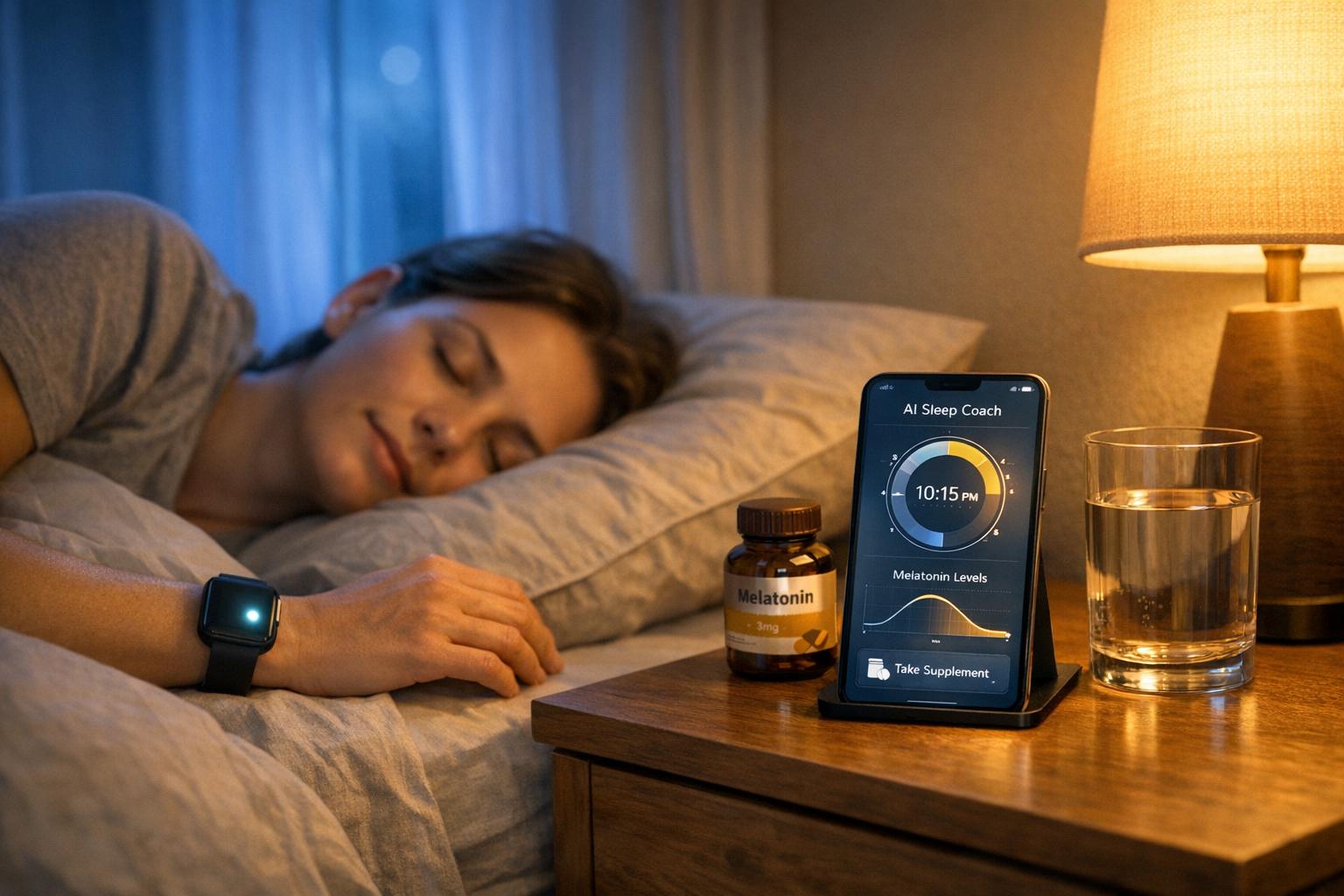
AI is changing how we manage sleep by improving melatonin regulation. Melatonin, the hormone responsible for signaling your body to sleep, often gets disrupted by modern habits like screen time, irregular schedules, and stress. Here's how AI steps in:
Tailored Sleep Advice: AI uses wearable data (e.g., heart rate, body temperature) to provide personalized tips for better melatonin production.
Circadian Rhythm Tracking: Advanced algorithms identify your optimal sleep window and adjust recommendations based on your biological clock.
Stress Monitoring: Real-time alerts help reduce stress, lowering cortisol levels that interfere with melatonin.
Melatonin Supplement Guidance: AI determines the best timing and dosage for supplements based on your unique sleep patterns.
Integrated Sleep Coaching: Tools like Healify analyze daily habits and wearable data to offer actionable steps for improving sleep quality.
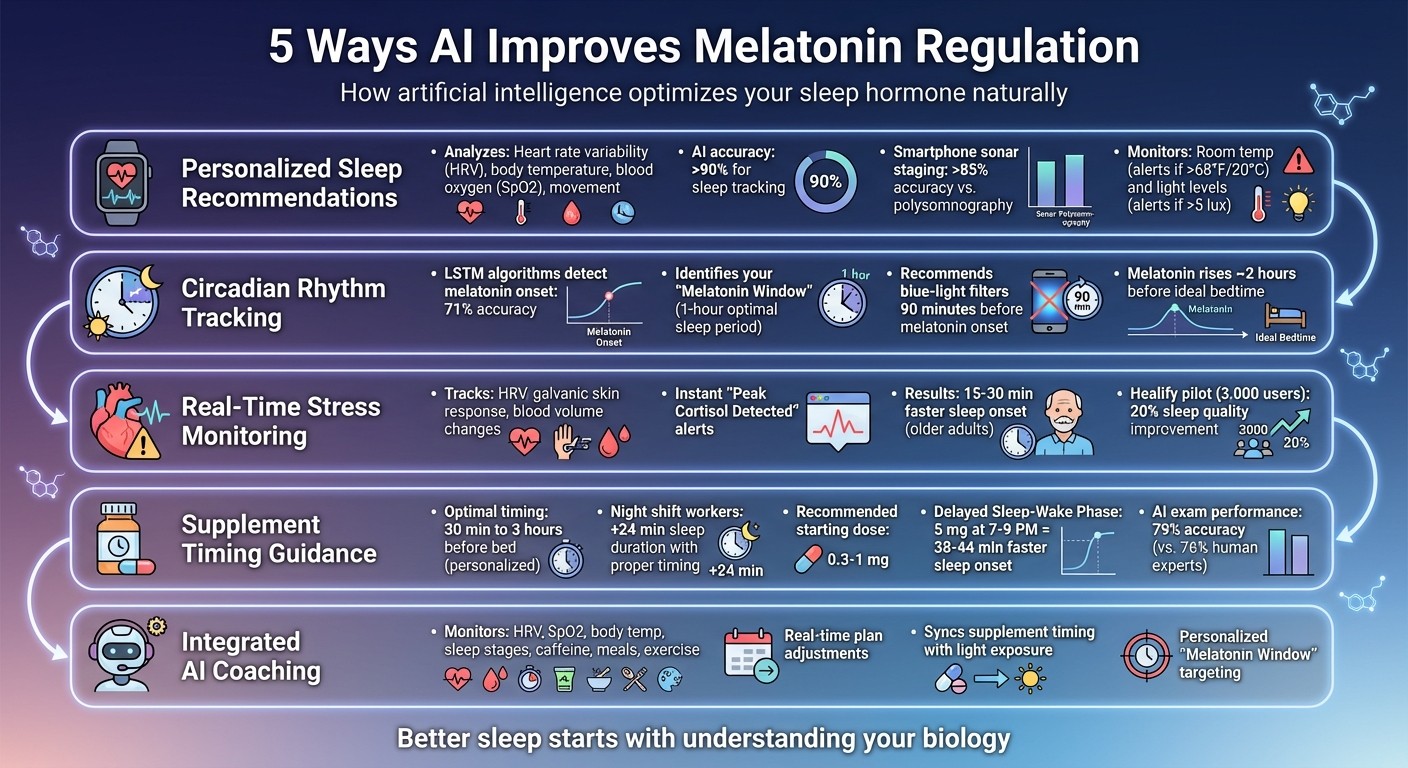
5 Ways AI Improves Melatonin Regulation and Sleep Quality
1. Personalized Sleep Recommendations Using Wearable Data
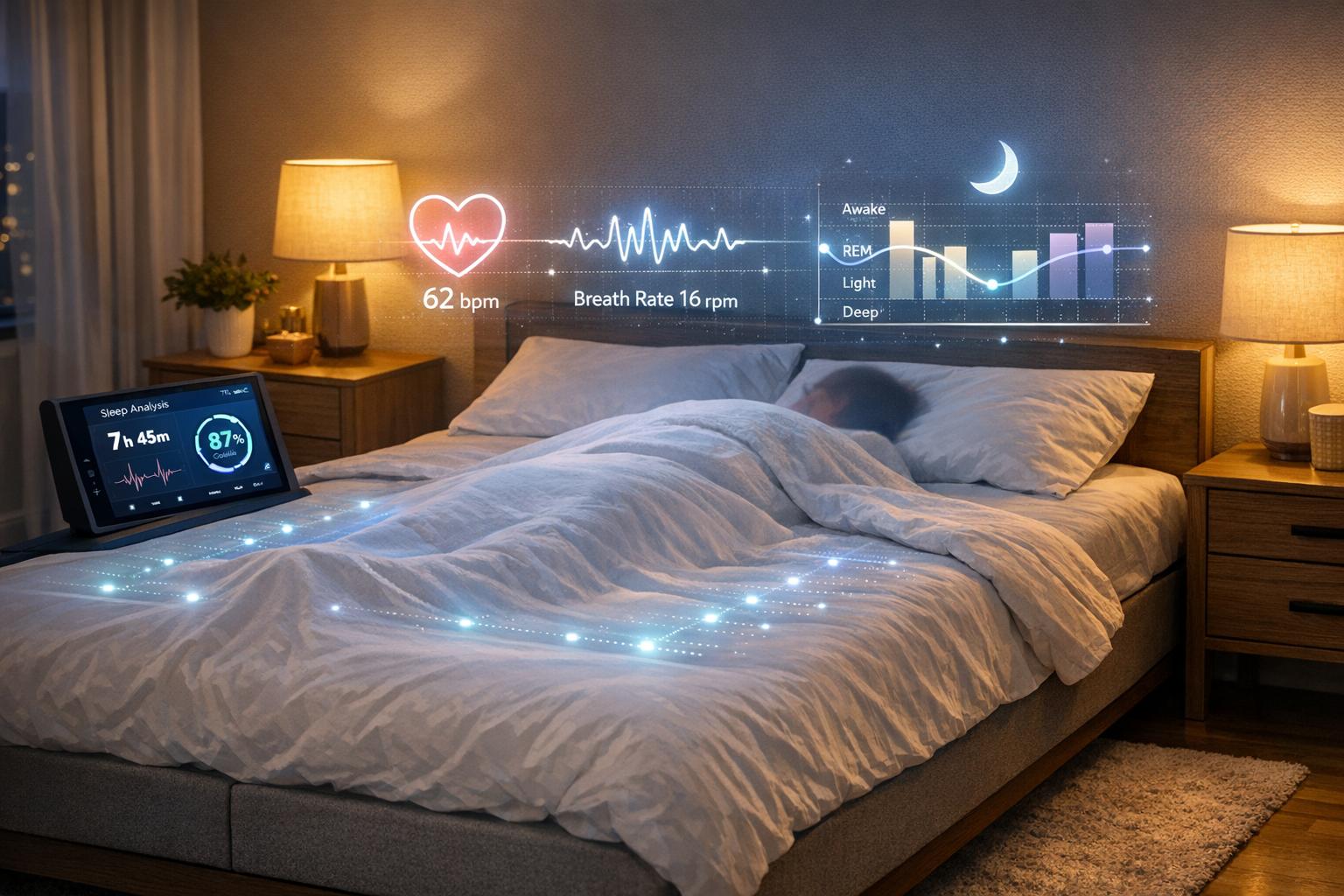
Wearable devices gather essential data like heart rate variability (HRV), body temperature, blood oxygen levels (SpO2), and movement. AI then transforms this information into tailored suggestions to help improve melatonin production and, ultimately, your sleep quality.
By analyzing weeks of collected data, AI identifies patterns that might be hindering melatonin release. For instance, a slow drop in evening body temperature or unusually high HRV at bedtime can delay the natural onset of melatonin. These internal signals are closely tied to external factors like room temperature and light exposure.
"Melatonin levels rise in the evening, prompting physiological changes like lowered body temperature and respiration rate, signaling the body to prepare for sleep." - Michael Breus, PhD, Clinical Psychologist [2]
AI also keeps an eye on environmental factors, notifying you if your room temperature exceeds 68°F (20°C) or if light levels are above 5 lux - both of which can interfere with melatonin production and disrupt your sleep cycle.
Research backs up the effectiveness of these technologies. AI-powered sleep trackers boast over 90% accuracy, and smartphone-based sonar sleep staging achieves accuracy rates of more than 85% when compared to the gold standard of polysomnography [4]. This data-driven approach is proving to be a reliable tool for improving sleep habits.
2. AI-Powered Circadian Rhythm Tracking and Adjustments
Your circadian rhythm, a 24-hour internal clock managed by the hypothalamus, plays a key role in regulating sleep by signaling the pineal gland to release melatonin as night falls [1][12]. AI has taken this natural process to the next level, offering capabilities that go far beyond traditional sleep tracking.
Using advanced algorithms like LSTM networks, AI can analyze data from wearables to identify the onset of melatonin production with 71% accuracy [8]. This allows it to pinpoint your "Melatonin Window", a critical one-hour period that optimizes your ability to fall asleep [9].
"The deep-learning model presented in this study detected the onset of melatonin with 71% accuracy... concluding that deep learning could be used to track melatonin-onset in real-life." - R. Castaldo et al., Biomedical Signal Processing and Control [8]
These findings pave the way for AI-driven, proactive sleep coaching.
AI doesn’t stop at tracking - it anticipates. By analyzing recent behaviors and physiological data, it predicts potential sleep disruptions [6][13]. Instead of just presenting data on a dashboard, it provides actionable advice, such as when to get sunlight exposure in the morning or when to activate blue-light filters - typically 90 minutes before your predicted melatonin onset [9][10].
What’s more, AI balances your fixed chronotype with dynamic recommendations tailored to your sleep debt and recovery needs [11][3]. Since melatonin levels naturally begin to rise about two hours before your ideal bedtime [10], AI can create personalized wind-down routines that align with your unique biological rhythm, moving beyond generic one-size-fits-all advice.
3. Real-Time Stress and Sleep Monitoring for Better Melatonin Production
Stress has a direct impact on your sleep by raising cortisol levels - a hormone that interferes with melatonin production in the pineal gland. This disruption throws off your circadian rhythm, making it harder to fall asleep or stay asleep[14][17]. Fortunately, modern sensors can now detect these cortisol spikes in real time, enabling timely interventions before the stress wreaks havoc on your sleep cycle.
Using real-time stress alerts alongside personalized sleep recommendations can help you adjust your environment or habits immediately. AI-powered wearables track key metrics like heart rate variability (HRV), galvanic skin response, and blood volume changes[15]. When stress indicators rise or HRV dips, the system sends you an instant notification - something like "Peak Cortisol Detected" - encouraging a quick 5-minute breathing exercise to lower stress levels[15][17]. These rapid adjustments help reduce cortisol, paving the way for your body to naturally produce melatonin.
Research underscores the importance of managing stress as it happens. Studies show that continuous HRV monitoring combined with timely interventions can shorten the time it takes to fall asleep by 15–30 minutes, particularly in older adults[16]. Healify's 2025 pilot program with 3,000 participants highlighted the effectiveness of this approach, reporting a 20% improvement in sleep quality when users received AI-driven alerts through Healify's health coach[7]. By integrating data from devices like Apple Watches, the system provides real-time feedback to counteract stress-related disruptions to melatonin.
AI doesn't stop at stress management - it also enhances overall sleep quality by tracking other physiological changes. Real-time sleep monitoring evaluates factors like movement, breathing patterns, and sleep stage transitions to pinpoint issues such as fragmented REM sleep, a telltale sign of poor melatonin regulation[14][16]. For example, if you're using your phone late at night, the system may suggest enabling night mode or putting the device away to reduce blue light exposure[15].
4. AI-Generated Guidance for Melatonin Supplement Timing
Getting the timing right for melatonin supplements is crucial for them to be effective. The key is to sync the supplement with your body's natural melatonin production, which varies from person to person [18]. AI tools step in by analyzing your sleep habits, age, and any specific sleep issues to pinpoint the best time for you to take melatonin.
Interestingly, the common advice to take melatonin "30 minutes before bed" doesn’t work for everyone. Studies show that for some people, taking it up to 3 hours before bedtime can help them fall asleep faster [18]. For night shift workers, taking melatonin about 30 minutes before trying to sleep during the day can extend sleep duration by roughly 24 minutes [21]. AI systems also consider factors like your work schedule, your natural melatonin production cycle, and the natural decline in melatonin levels that happens after age 40 [1].
"Exogenous melatonin sleep-promoting action is highly influenced by the phase of the endogenous melatonin production." - Journal of Pineal Research [18]
Timing isn’t the only factor - dosage matters too. AI-powered tools often recommend starting with small doses, typically between 0.3 mg and 1 mg, to minimize the risk of morning grogginess [19][20]. Larger doses can sometimes backfire by causing receptor desensitization, reducing the supplement's effectiveness [20][21]. For those with Delayed Sleep-Wake Phase Disorder, research suggests that a 5 mg dose taken 1.5 to 2 hours before the desired sleep time (between 7:00 PM and 9:00 PM) can shorten the time it takes to fall asleep by 38–44 minutes [22].
AI tools are proving to be highly effective in this area. They now achieve 79% accuracy on sleep medicine exams, surpassing the 76% accuracy of human experts [5]. By analyzing weeks of data from wearable devices and factoring in lifestyle details, these systems provide personalized recommendations. Whether you're dealing with jet lag, adjusting to shift work, or just trying to improve your sleep, AI offers tailored solutions that adapt to your changing needs. This precision highlights how AI is reshaping the way we approach sleep health.
5. Healify: AI Health Coaching for Sleep Optimization
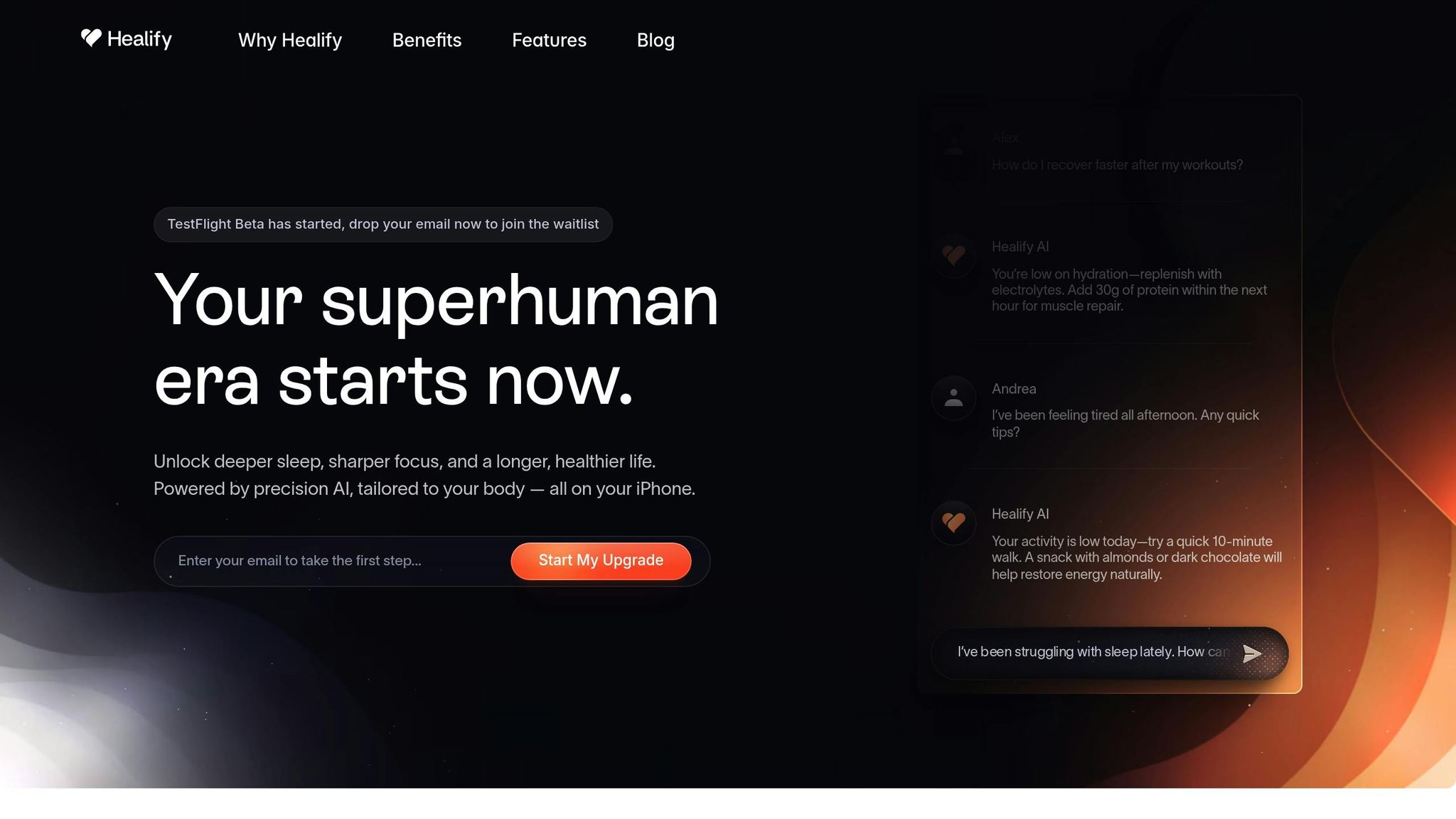
Healify combines cutting-edge AI-driven sleep optimization strategies into a single, user-friendly iPhone app. Instead of simply aggregating health metrics, the app’s AI health coach, Anna, dives deep into your Apple Watch data and daily habits to deliver tailored steps for improving melatonin levels. The result? A highly personalized sleep plan designed to fit seamlessly into your life.
The app monitors essential sleep metrics - like heart rate variability (HRV), blood oxygen levels, body temperature, and sleep stages - while also factoring in everyday variables such as work hours, caffeine intake, meals, and exercise. This dual focus on physiology and lifestyle ensures that Healify’s recommendations align with both your biological rhythms and daily routines.
What sets Healify apart is its ability to adjust in real time. If irregular patterns are detected, the app immediately updates your sleep plan to better support melatonin production. It even synchronizes supplement timing with light exposure schedules, offering a complete circadian reset instead of just addressing isolated issues. By integrating these diverse data points, Healify creates a cohesive sleep strategy.
"I used to feel overwhelmed by health data on my iPhone and Apple Watch. Healify changed that, giving me clear guidance. My energy has improved, and I now know exactly what steps to take for better health." - Sophie, Fitness Enthusiast [7]
This testimonial highlights how AI-powered coaching can transform sleep optimization into a straightforward and effective routine.
To get started, sync your devices and let the app gather consistent sleep data for about a week. Healify is free to download, with premium features available through the VIP Waitlist. By turning complex health data into actionable insights, Healify makes it easy to take charge of your sleep without needing an advanced understanding of biology or medicine.
Conclusion
AI leverages your unique biological patterns - like heart rate variability and sleep stages - to deliver strategies tailored specifically to you. By establishing a personalized baseline, it continuously updates recommendations as your health changes over time.
One standout feature is how AI pinpoints your "Melatonin Window", that critical one-hour period when your body’s natural melatonin production peaks. By syncing your bedtime to this window, you can fall asleep faster, enjoy better sleep quality, and spend more time in restorative deep and REM sleep.
AI also combines a variety of data points - such as morning light exposure, caffeine intake, and supplement timing - to provide precise, actionable advice. As Dr. Chester Wu explains, "Light is our most powerful tool when it comes to increasing melatonin. Get natural light exposure each morning and day, and avoid bright light before bed" [9].
Taking these insights further, Healify simplifies complex health data into easy-to-follow steps using its free app and VIP Waitlist premium features. By syncing your wearables and giving the system time to learn your habits, you’ll get customized guidance from Anna, your 24/7 AI health coach.
Better sleep starts with understanding your own biology. With AI-driven tools, generic tips are replaced by personalized solutions that actually work.
FAQs
How does AI figure out the best time to take melatonin?
AI uses data from wearables - tracking things like sleep patterns, heart rate variability, and light exposure - to get a clear picture of your unique circadian rhythm. With this information, it recommends taking melatonin 30 minutes to an hour before your expected bedtime, syncing it with your natural sleep cycle.
This tailored timing aims to maximize melatonin's effectiveness, promoting better sleep and improving how you feel overall.
How does AI help manage stress to improve sleep quality?
AI is becoming an essential tool for managing stress by analyzing data like heart rate variability, cortisol levels, and sleep patterns to deliver tailored stress-relief strategies. By tapping into wearables and biometric data, it can spot when stress levels are climbing and offer real-time suggestions, such as trying mindfulness exercises, going for a quick walk, or cutting back on caffeine.
Keeping stress in check is about more than just feeling calm - it also prevents cortisol from interfering with melatonin production, which plays a key role in helping you fall asleep and stay asleep. Over time, AI fine-tunes its recommendations to align with your daily habits, making stress management easier and improving the quality of your rest.
How does AI help regulate my sleep and melatonin levels?
AI taps into data from wearables like your Apple Watch to keep tabs on critical sleep factors, including heart-rate variability, body temperature, light exposure, and sleep patterns. By crunching this data, it spots disruptions in your circadian rhythm and tailors advice to help you optimize melatonin production. This could mean adjusting your light exposure, fine-tuning your bedtime, or even timing a melatonin supplement to work with your body’s natural rhythm.
With nightly updates based on fresh data, AI provides ever-evolving guidance to help sync your internal clock with your ideal sleep schedule. For instance, it might recommend dimming the lights earlier, slightly shifting your bedtime, or tweaking the room temperature to encourage melatonin release. Tools like Healify’s AI health coach, Anna, make this even easier by offering round-the-clock personalized advice, taking the guesswork out of achieving better sleep.
Related Blog Posts
AI is changing how we manage sleep by improving melatonin regulation. Melatonin, the hormone responsible for signaling your body to sleep, often gets disrupted by modern habits like screen time, irregular schedules, and stress. Here's how AI steps in:
Tailored Sleep Advice: AI uses wearable data (e.g., heart rate, body temperature) to provide personalized tips for better melatonin production.
Circadian Rhythm Tracking: Advanced algorithms identify your optimal sleep window and adjust recommendations based on your biological clock.
Stress Monitoring: Real-time alerts help reduce stress, lowering cortisol levels that interfere with melatonin.
Melatonin Supplement Guidance: AI determines the best timing and dosage for supplements based on your unique sleep patterns.
Integrated Sleep Coaching: Tools like Healify analyze daily habits and wearable data to offer actionable steps for improving sleep quality.
5 Ways AI Improves Melatonin Regulation and Sleep Quality
1. Personalized Sleep Recommendations Using Wearable Data
Wearable devices gather essential data like heart rate variability (HRV), body temperature, blood oxygen levels (SpO2), and movement. AI then transforms this information into tailored suggestions to help improve melatonin production and, ultimately, your sleep quality.
By analyzing weeks of collected data, AI identifies patterns that might be hindering melatonin release. For instance, a slow drop in evening body temperature or unusually high HRV at bedtime can delay the natural onset of melatonin. These internal signals are closely tied to external factors like room temperature and light exposure.
"Melatonin levels rise in the evening, prompting physiological changes like lowered body temperature and respiration rate, signaling the body to prepare for sleep." - Michael Breus, PhD, Clinical Psychologist [2]
AI also keeps an eye on environmental factors, notifying you if your room temperature exceeds 68°F (20°C) or if light levels are above 5 lux - both of which can interfere with melatonin production and disrupt your sleep cycle.
Research backs up the effectiveness of these technologies. AI-powered sleep trackers boast over 90% accuracy, and smartphone-based sonar sleep staging achieves accuracy rates of more than 85% when compared to the gold standard of polysomnography [4]. This data-driven approach is proving to be a reliable tool for improving sleep habits.
2. AI-Powered Circadian Rhythm Tracking and Adjustments
Your circadian rhythm, a 24-hour internal clock managed by the hypothalamus, plays a key role in regulating sleep by signaling the pineal gland to release melatonin as night falls [1][12]. AI has taken this natural process to the next level, offering capabilities that go far beyond traditional sleep tracking.
Using advanced algorithms like LSTM networks, AI can analyze data from wearables to identify the onset of melatonin production with 71% accuracy [8]. This allows it to pinpoint your "Melatonin Window", a critical one-hour period that optimizes your ability to fall asleep [9].
"The deep-learning model presented in this study detected the onset of melatonin with 71% accuracy... concluding that deep learning could be used to track melatonin-onset in real-life." - R. Castaldo et al., Biomedical Signal Processing and Control [8]
These findings pave the way for AI-driven, proactive sleep coaching.
AI doesn’t stop at tracking - it anticipates. By analyzing recent behaviors and physiological data, it predicts potential sleep disruptions [6][13]. Instead of just presenting data on a dashboard, it provides actionable advice, such as when to get sunlight exposure in the morning or when to activate blue-light filters - typically 90 minutes before your predicted melatonin onset [9][10].
What’s more, AI balances your fixed chronotype with dynamic recommendations tailored to your sleep debt and recovery needs [11][3]. Since melatonin levels naturally begin to rise about two hours before your ideal bedtime [10], AI can create personalized wind-down routines that align with your unique biological rhythm, moving beyond generic one-size-fits-all advice.
3. Real-Time Stress and Sleep Monitoring for Better Melatonin Production
Stress has a direct impact on your sleep by raising cortisol levels - a hormone that interferes with melatonin production in the pineal gland. This disruption throws off your circadian rhythm, making it harder to fall asleep or stay asleep[14][17]. Fortunately, modern sensors can now detect these cortisol spikes in real time, enabling timely interventions before the stress wreaks havoc on your sleep cycle.
Using real-time stress alerts alongside personalized sleep recommendations can help you adjust your environment or habits immediately. AI-powered wearables track key metrics like heart rate variability (HRV), galvanic skin response, and blood volume changes[15]. When stress indicators rise or HRV dips, the system sends you an instant notification - something like "Peak Cortisol Detected" - encouraging a quick 5-minute breathing exercise to lower stress levels[15][17]. These rapid adjustments help reduce cortisol, paving the way for your body to naturally produce melatonin.
Research underscores the importance of managing stress as it happens. Studies show that continuous HRV monitoring combined with timely interventions can shorten the time it takes to fall asleep by 15–30 minutes, particularly in older adults[16]. Healify's 2025 pilot program with 3,000 participants highlighted the effectiveness of this approach, reporting a 20% improvement in sleep quality when users received AI-driven alerts through Healify's health coach[7]. By integrating data from devices like Apple Watches, the system provides real-time feedback to counteract stress-related disruptions to melatonin.
AI doesn't stop at stress management - it also enhances overall sleep quality by tracking other physiological changes. Real-time sleep monitoring evaluates factors like movement, breathing patterns, and sleep stage transitions to pinpoint issues such as fragmented REM sleep, a telltale sign of poor melatonin regulation[14][16]. For example, if you're using your phone late at night, the system may suggest enabling night mode or putting the device away to reduce blue light exposure[15].
4. AI-Generated Guidance for Melatonin Supplement Timing
Getting the timing right for melatonin supplements is crucial for them to be effective. The key is to sync the supplement with your body's natural melatonin production, which varies from person to person [18]. AI tools step in by analyzing your sleep habits, age, and any specific sleep issues to pinpoint the best time for you to take melatonin.
Interestingly, the common advice to take melatonin "30 minutes before bed" doesn’t work for everyone. Studies show that for some people, taking it up to 3 hours before bedtime can help them fall asleep faster [18]. For night shift workers, taking melatonin about 30 minutes before trying to sleep during the day can extend sleep duration by roughly 24 minutes [21]. AI systems also consider factors like your work schedule, your natural melatonin production cycle, and the natural decline in melatonin levels that happens after age 40 [1].
"Exogenous melatonin sleep-promoting action is highly influenced by the phase of the endogenous melatonin production." - Journal of Pineal Research [18]
Timing isn’t the only factor - dosage matters too. AI-powered tools often recommend starting with small doses, typically between 0.3 mg and 1 mg, to minimize the risk of morning grogginess [19][20]. Larger doses can sometimes backfire by causing receptor desensitization, reducing the supplement's effectiveness [20][21]. For those with Delayed Sleep-Wake Phase Disorder, research suggests that a 5 mg dose taken 1.5 to 2 hours before the desired sleep time (between 7:00 PM and 9:00 PM) can shorten the time it takes to fall asleep by 38–44 minutes [22].
AI tools are proving to be highly effective in this area. They now achieve 79% accuracy on sleep medicine exams, surpassing the 76% accuracy of human experts [5]. By analyzing weeks of data from wearable devices and factoring in lifestyle details, these systems provide personalized recommendations. Whether you're dealing with jet lag, adjusting to shift work, or just trying to improve your sleep, AI offers tailored solutions that adapt to your changing needs. This precision highlights how AI is reshaping the way we approach sleep health.
5. Healify: AI Health Coaching for Sleep Optimization
Healify combines cutting-edge AI-driven sleep optimization strategies into a single, user-friendly iPhone app. Instead of simply aggregating health metrics, the app’s AI health coach, Anna, dives deep into your Apple Watch data and daily habits to deliver tailored steps for improving melatonin levels. The result? A highly personalized sleep plan designed to fit seamlessly into your life.
The app monitors essential sleep metrics - like heart rate variability (HRV), blood oxygen levels, body temperature, and sleep stages - while also factoring in everyday variables such as work hours, caffeine intake, meals, and exercise. This dual focus on physiology and lifestyle ensures that Healify’s recommendations align with both your biological rhythms and daily routines.
What sets Healify apart is its ability to adjust in real time. If irregular patterns are detected, the app immediately updates your sleep plan to better support melatonin production. It even synchronizes supplement timing with light exposure schedules, offering a complete circadian reset instead of just addressing isolated issues. By integrating these diverse data points, Healify creates a cohesive sleep strategy.
"I used to feel overwhelmed by health data on my iPhone and Apple Watch. Healify changed that, giving me clear guidance. My energy has improved, and I now know exactly what steps to take for better health." - Sophie, Fitness Enthusiast [7]
This testimonial highlights how AI-powered coaching can transform sleep optimization into a straightforward and effective routine.
To get started, sync your devices and let the app gather consistent sleep data for about a week. Healify is free to download, with premium features available through the VIP Waitlist. By turning complex health data into actionable insights, Healify makes it easy to take charge of your sleep without needing an advanced understanding of biology or medicine.
Conclusion
AI leverages your unique biological patterns - like heart rate variability and sleep stages - to deliver strategies tailored specifically to you. By establishing a personalized baseline, it continuously updates recommendations as your health changes over time.
One standout feature is how AI pinpoints your "Melatonin Window", that critical one-hour period when your body’s natural melatonin production peaks. By syncing your bedtime to this window, you can fall asleep faster, enjoy better sleep quality, and spend more time in restorative deep and REM sleep.
AI also combines a variety of data points - such as morning light exposure, caffeine intake, and supplement timing - to provide precise, actionable advice. As Dr. Chester Wu explains, "Light is our most powerful tool when it comes to increasing melatonin. Get natural light exposure each morning and day, and avoid bright light before bed" [9].
Taking these insights further, Healify simplifies complex health data into easy-to-follow steps using its free app and VIP Waitlist premium features. By syncing your wearables and giving the system time to learn your habits, you’ll get customized guidance from Anna, your 24/7 AI health coach.
Better sleep starts with understanding your own biology. With AI-driven tools, generic tips are replaced by personalized solutions that actually work.
FAQs
How does AI figure out the best time to take melatonin?
AI uses data from wearables - tracking things like sleep patterns, heart rate variability, and light exposure - to get a clear picture of your unique circadian rhythm. With this information, it recommends taking melatonin 30 minutes to an hour before your expected bedtime, syncing it with your natural sleep cycle.
This tailored timing aims to maximize melatonin's effectiveness, promoting better sleep and improving how you feel overall.
How does AI help manage stress to improve sleep quality?
AI is becoming an essential tool for managing stress by analyzing data like heart rate variability, cortisol levels, and sleep patterns to deliver tailored stress-relief strategies. By tapping into wearables and biometric data, it can spot when stress levels are climbing and offer real-time suggestions, such as trying mindfulness exercises, going for a quick walk, or cutting back on caffeine.
Keeping stress in check is about more than just feeling calm - it also prevents cortisol from interfering with melatonin production, which plays a key role in helping you fall asleep and stay asleep. Over time, AI fine-tunes its recommendations to align with your daily habits, making stress management easier and improving the quality of your rest.
How does AI help regulate my sleep and melatonin levels?
AI taps into data from wearables like your Apple Watch to keep tabs on critical sleep factors, including heart-rate variability, body temperature, light exposure, and sleep patterns. By crunching this data, it spots disruptions in your circadian rhythm and tailors advice to help you optimize melatonin production. This could mean adjusting your light exposure, fine-tuning your bedtime, or even timing a melatonin supplement to work with your body’s natural rhythm.
With nightly updates based on fresh data, AI provides ever-evolving guidance to help sync your internal clock with your ideal sleep schedule. For instance, it might recommend dimming the lights earlier, slightly shifting your bedtime, or tweaking the room temperature to encourage melatonin release. Tools like Healify’s AI health coach, Anna, make this even easier by offering round-the-clock personalized advice, taking the guesswork out of achieving better sleep.
Related Blog Posts
Finalmente toma el control de tu salud

Finalmente toma el control de tu salud
Finalmente toma el control de tu salud