Improve your health
Improve your health
Improve your health
12 de enero de 2026
Real-Time Smoking Detection with Wearables
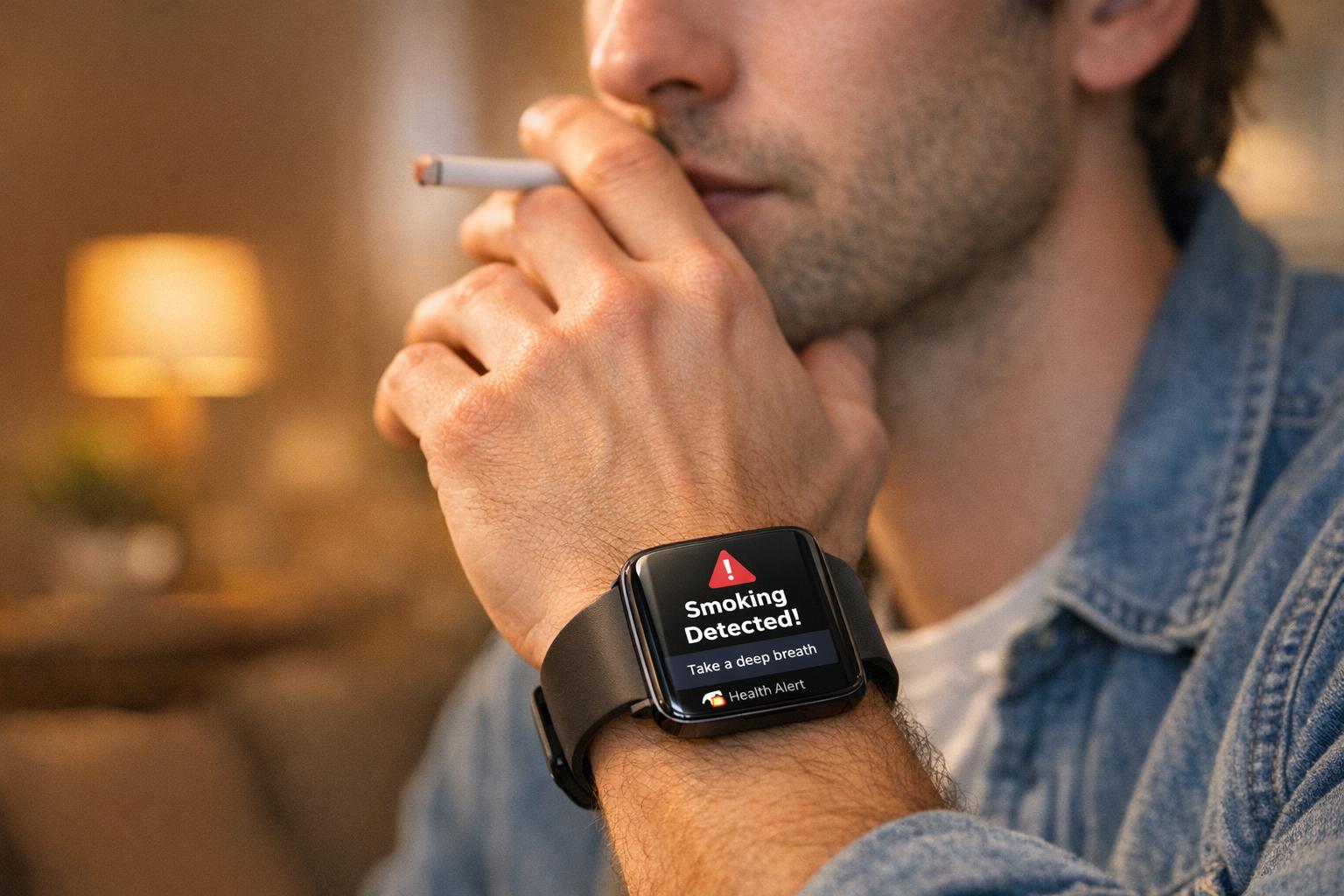
Quitting smoking is hard, but wearable technology is making it easier. By detecting smoking behaviors in real time, wearables like smartwatches and chest sensors help smokers become aware of their habits and provide instant support to prevent relapse.
Here’s the big picture:
Smoking is the leading cause of preventable death in the U.S., with 480,000 deaths annually and over $300 billion in related costs.
68% of smokers want to quit, but 95% relapse after even a small slip due to the automatic nature of smoking.
Traditional methods like self-reporting and clinical tests are unreliable or inconvenient, missing key moments when intervention is needed.
Wearables solve this problem by using motion sensors, heart rate monitors, and machine learning to detect smoking gestures, breathing patterns, and even stress levels. Real-time notifications and personalized interventions - like mindfulness exercises or stress management prompts - help smokers break the cycle of addiction.
Research shows these devices can reduce daily cigarette consumption by up to 10.2 cigarettes and nearly double smoke-free days compared to standard methods. Platforms like Healify even integrate coaching to address triggers like stress, making quitting more achievable than ever.
The future of smoking cessation is here - and it’s on your wrist.
Smart Necklace May Help You Stop Smoking
Why Quitting Smoking Without Real-Time Support Is Hard
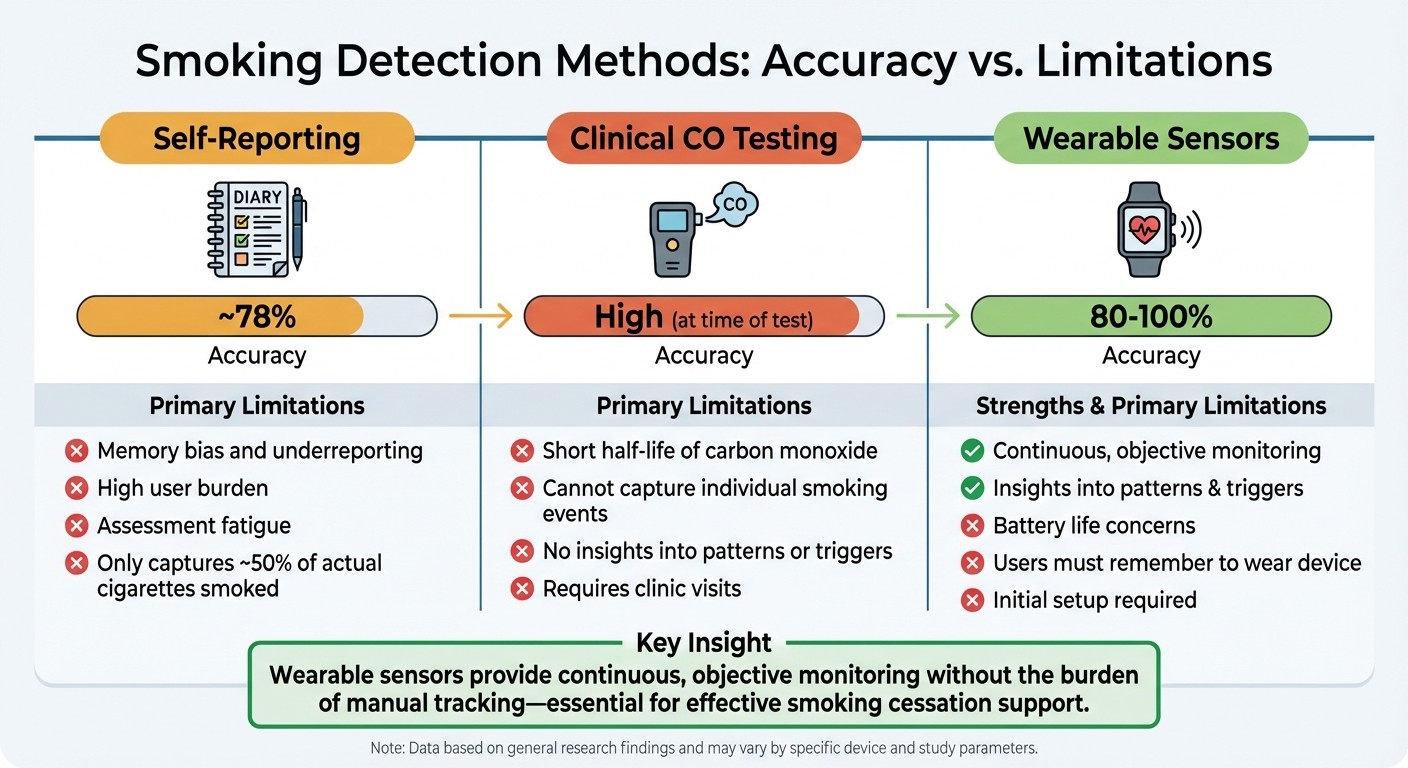
Smoking Detection Methods: Accuracy and Limitations Comparison
Why Most Quit Attempts Fail
Smoking often becomes such a routine part of daily life that many smokers light up without even realizing it. This automatic behavior makes it extremely difficult to interrupt the habit without outside intervention. In fact, this "autopilot" smoking is a hallmark of nicotine addiction and a strong indicator of potential relapse [4].
"Smoking is highly automatic, and people often smoke without thinking about it."
K.W. Bold, Lead Author, Yale University[4]
This automatic nature of smoking contributes to what researchers call the "slip-to-relapse pipeline." A staggering 95% of smokers who take even a few puffs after quitting end up back at their previous smoking levels [2]. Without immediate support, these small slips frequently snowball into full relapses. This highlights the need for a more consistent and reliable way to monitor smoking behavior and intervene effectively.
The Need for Continuous, Accurate Monitoring
Traditional approaches to tracking smoking habits rely heavily on manual logging, which is not only tedious but also prone to errors. Studies show that smokers using electronic diaries record only about half of the cigarettes they actually smoke [3]. Forgetfulness, intentional omissions, and memory gaps all contribute to the unreliability of self-reports, which are estimated to be only 78% accurate in real-world settings [7].
Clinical tools like carbon monoxide (CO) breath tests and cotinine tests aren’t much better at providing a full picture. CO tests can only detect recent smoking due to the short half-life of carbon monoxide, offering no insights into patterns or triggers [2]. Cotinine tests, while able to measure nicotine exposure over a longer period, cannot distinguish between a cigarette smoked today and one smoked several days ago. They also fail to differentiate between smoking and the use of nicotine replacement products [2].
Manual tracking methods also lead to "assessment fatigue", where the effort required to log every cigarette becomes overwhelming - especially for heavy smokers who might benefit most from support. A Yale University study conducted in November 2025 found that participants using real-time smartband notifications reduced their daily cigarette consumption by 10.2, compared to a reduction of 7.7 in the control group relying on standard treatment alone [4].
Method | Accuracy/Reliability | Primary Limitation |
|---|---|---|
Self-Reporting | ~78% [7] | |
Clinical CO Testing | High (at time of test) | Short half-life; fails to capture individual events [2] |
Wearable Sensors | 80%–100% [4] | Battery life issues; users must remember to wear the device [4][7] |
This data underscores the importance of objective, real-time monitoring in helping smokers quit. Without reliable tracking, understanding the full scope of smoking’s health and economic impacts becomes even harder.
Smoking and Health Risks in the U.S.
The stakes for quitting smoking couldn’t be higher: smoking cuts an average of 13 to 14 years off a person’s life [5]. The burden is even heavier for low-income and disadvantaged communities, where smoking rates are higher, but access to effective cessation tools is often limited [6]. Wearable solutions that require minimal effort from users could help bridge this gap, offering timely, real-time support without the need for constant manual input or frequent clinic visits, similar to how AI health coaching compares to traditional training in providing continuous guidance. This kind of intervention is not just helpful - it’s essential for creating more equitable health outcomes across the board.
How Wearables Detect Smoking in Real Time
Sensors That Enable Detection
Wearable devices use a variety of sensors to track smoking by monitoring movements and physiological changes. One key tool is the inertial measurement unit (IMU), which combines 3-axis accelerometers and 3-axis gyroscopes. These sensors are adept at identifying the signature hand-to-mouth motion that occurs with each puff [1].
Respiratory sensors add an extra layer of precision by analyzing breathing patterns. Devices equipped with respiratory inductance plethysmography (RIP) belts or bio-impedance sensors measure the expansion of the chest and abdomen, capturing the distinct breathing rhythm associated with smoking [5]. Some advanced chest-worn devices even utilize thermal sensors to detect the heat from a lit cigarette and its transfer to the face during a puff [8].
Other sensors also play a role, including proximity sensors that measure the distance between the hand and mouth using radio frequency signals, heart rate monitors that capture cardiovascular changes linked to smoking, and smart lighters equipped with Hall Effect sensors to record the exact moment a cigarette is lit [5].
Sensor Type | What It Detects | Strength | Limitation |
|---|---|---|---|
IMU (Wrist) | Hand-to-mouth gestures | Common in smartwatches, unobtrusive | High false positives from eating or drinking |
RIP (Chest) | Inhalation/exhalation patterns | Highly accurate for smoke intake | Can feel bulky or uncomfortable |
Thermal (Chest) | Heat from cigarette/ember | Passive, reduces gesture confusion | Needs a clear line-of-sight to the cigarette |
Smart Lighter | Ignition events | Provides a clear start signal | Cannot detect puffs alone |
These sensors work together to identify digital biomarkers that highlight smoking behavior.
Digital Biomarkers for Smoking Behavior
Wearables don’t just detect individual movements - they also identify digital biomarkers that reveal smoking patterns. One of the most critical biomarkers is the hand-to-mouth gesture. This movement involves a distinct upward motion, a brief pause for puffing, and a return to rest [1].
"Smoking manifests unique breathing patterns that are highly correlated with hand-to-mouth cigarette gestures." - Edward Sazonov, Ph.D., University of Alabama [3]
Breathing patterns provide additional confirmation of smoking events. On average, smokers take between 8 and 16 puffs per cigarette, with each cigarette lasting around 4 to 8 minutes [5][3].
The most reliable systems combine multiple biomarkers. For instance, the PACT 2.0 system, developed by researchers at the University of Alabama, integrates a 6-axis wrist IMU, a smart lighter with a Hall Effect sensor, and a chest module equipped with RIP and bio-impedance sensors. In a study involving 40 smokers over 24 hours, the system recorded 549 lighting events and over 20,000 hand-to-mouth movements [9][10].
Machine Learning and Real-Time Analysis
Real-time analysis is the backbone of these systems, turning sensor data into actionable insights to support smoking cessation. Machine learning algorithms process this data as it’s captured, enabling immediate detection and intervention.
These algorithms typically analyze data in short intervals, such as 5–10 seconds, to extract meaningful features [11]. A two-step approach is often used: the first layer identifies individual puffs, while the second examines the sequence and timing of gestures to confirm an entire smoking session [13].
Systems like RisQ (University of Massachusetts, Amherst), CigTrak, and Somatix have achieved impressive accuracy rates, ranging from 89% to 95.7%, with minimal false positives [1][4][7][12]. These advancements allow wearable devices to deliver immediate notifications as soon as smoking gestures are detected, offering timely support when it’s needed most.
Turning Detection Into Action: Real-Time Support
Just-In-Time Adaptive Interventions
Detecting smoking behavior is just the beginning. The real game-changer lies in delivering support at the exact moment it's needed. Just-In-Time Adaptive Interventions (JITAIs) use data from wearable sensors to pinpoint critical moments - when someone is most likely to smoke - and provide tailored support in real time [14][16].
These interventions operate in two main ways: reactive and predictive. Reactive interventions respond instantly when smoking gestures are detected. For example, in an 8-week study, real-time alerts led to a reduction of 10.2 cigarettes per day and doubled the number of smoke-free days compared to the control group [4].
Predictive interventions, on the other hand, assess smoking risk using physiological data like heart rate and skin conductance. The Sense2Stop trial, led by Dr. Bonnie Spring at Northwestern University, used the mCerebrum app suite and Autosense wearable sensors to deliver JITAIs to 75 participants. The system utilized the cStress algorithm to identify stress-related moments, triggering randomized prompts for stress-management exercises such as "Mood Surfing" or "Thought Shakeup" [16].
"Stress is hypothesized to increase a person's state of risk of smoking, while simultaneously creating cognitive interference that decreases their receptivity to intervention." - Bonnie Spring, Ph.D., Northwestern University [16]
The results were striking. Participants using real-time interventions via smartbands achieved an 11.1% biochemically confirmed 7-day abstinence rate, compared to just 5% in the control group. They also reported 12.4% smoke-free days during the study - almost double the 6.9% reported by those without real-time support [4].
These timely interventions provide a foundation for behavioral strategies that help combat cravings effectively.
Behavioral Techniques Triggered by Alerts
Wearables play a key role in activating evidence-based behavioral techniques that help users manage cravings and break automatic smoking habits. These targeted exercises are designed to interrupt the cycle of smoking behaviors.
One effective method is urge surfing. When a craving is detected, users are guided to visualize it as a wave they can "ride out" rather than resist. Another approach, the RAIN technique, uses mindfulness to address cravings through four steps: Recognize the craving, Allow it to exist, Investigate the sensations, and practice Non-identification - viewing the craving as a temporary experience rather than a defining trait [15][16].
In a trial conducted at Yale School of Medicine from May to December 2021, 155 daily smokers used Somatix smartbands that triggered "Mindful Smoking" audio exercises upon detecting smoking gestures. After a 30-day quit date, the system transitioned to delivering RAIN exercises during predicted high-risk periods. The study reported an impressive retention rate of 81.9% and positive feedback on the mindfulness exercises [15][17].
"Notification of smoking may bring awareness to automatic smoking behavior (e.g., lighting a cigarette without thinking about it), which is a central feature of nicotine dependence." - Mark Horvath, Yale School of Medicine [17]
Other techniques include cognitive reframing exercises like "Thought Shakeup", which help users challenge and reframe negative thoughts that might lead to smoking. Additionally, attentional control exercises such as guided breathing or short meditations are used to manage stress and reduce physical tension [16].
Technique | Trigger Mechanism | Goal |
|---|---|---|
Urge Surfing | Craving detection or prediction | Ride out cravings until they pass |
RAIN | Hand-to-mouth gesture detection | Address cravings mindfully without reacting |
Thought Shakeup | Stress detection via heart rate | Reframe negative thoughts to prevent relapse |
Mindful Smoking | Smoking gesture detection | Break automatic habits by focusing on sensations |
Breathing Exercises | Elevated heart rate or stress | Alleviate anxiety and reduce physical arousal |
These techniques, combined with personalized coaching, offer a comprehensive approach to tackling smoking behaviors.
Personalized Coaching with Healify

Healify takes things a step further by integrating smoking patterns into a broader health profile. Its AI coach, Anna, uses wearable data - like heart rate, stress levels, sleep patterns, and activity - to identify triggers and provide real-time, personalized coaching.
When a smoking gesture or stress is detected, Anna responds with tailored guidance. For instance, if stress is a trigger, Anna might suggest a breathing exercise or a quick walk to ease tension. If smoking tends to occur out of habit at specific times or places, Anna can send preventive reminders and offer alternative coping strategies before the urge strikes.
What sets Healify apart is its ability to connect the dots between smoking and overall well-being. Factors like poor sleep, high stress, and low physical activity can all increase the likelihood of smoking. By monitoring these elements, Healify creates a clear, actionable plan to address the root causes of smoking and support sustainable change.
"Receiving notifications when smoking occurs may help increase awareness of smoking behavior to help promote change." - PLOS Digital Health [4]
Evidence and Applications
Research on Wearable-Based Smoking Detection
Wearable technology has proven itself as a reliable tool for tracking smoking behavior, backed by extensive research conducted in both controlled environments and everyday settings. These studies highlight how wearables can monitor smoking habits with accuracy and minimal intrusion.
In December 2017, Dr. Homayoun Valafar from the University of South Carolina led a study using the Asus Zenwatch to observe 10 smokers over 120 hours. The research team developed a model that successfully detected 100 out of 123 reported smoking sessions, achieving an 81% detection rate. When participants closely followed the study protocols, this accuracy exceeded 90%. Additionally, the study reported a low false positive rate of just 2.8% [7].
"Smartwatch technology can provide an accurate, nonintrusive means of monitoring smoking behavior in natural contexts." - Casey A. Cole et al., University of South Carolina [7]
At the University of Alabama, researchers introduced the PACT2.0 system, a multi-sensor platform combining an instrumented lighter, wrist-worn motion sensors, and a chest module. During a 24-hour study involving 40 smokers, the system recorded 549 lighter activations and over 20,000 hand-to-mouth gestures across 943 hours of data collection. Remarkably, 98.6% of the recorded data was suitable for analysis. Participants also rated the system highly, giving it an average score of 8.3 out of 10 for usability [9].
Meanwhile, Northwestern University researchers developed SmokeMon, a chest-worn thermal sensor designed to detect heat signatures from cigarettes. After testing the device with 19 participants over 110 hours and 115 smoking sessions, the system achieved an F1-score of 0.9 in lab conditions and 0.8 in real-world settings [18][8].
These findings demonstrate the potential of wearable technology to evolve into practical, consumer-friendly solutions.
Examples of Clinically Validated Platforms
Several commercial systems have successfully translated this research into tools that can be used in daily life. One example is the Somatix smartband, which was tested in a randomized clinical trial at Yale-New Haven Hospital between 2020 and 2021. Involving 38 adults with an average age of 57.4, the study used real-time vibrations and phone notifications to alert users after 2–3 puffs were detected [4].
The results were promising: participants using the smartband achieved an 11.1% biochemically confirmed 7-day abstinence rate compared to 5% in the control group. They also reported 12.4% smoke-free days, double the 6.9% seen in participants without real-time alerts. Notably, 83.3% of users said they would recommend the device to others trying to quit smoking [4].
Another platform, ASPIRE (Automated Smoking PerceptIon and REcording), was tested by researchers from the University of South Carolina and the University of Missouri in February 2021. Running on Polar M600 smartwatches, ASPIRE was evaluated against video observation and the CReSS clinical topography device. The platform demonstrated strong accuracy, with a correlation of R² = 0.79 for puff duration and R² = 0.73 for interpuff intervals, surpassing traditional clinical tools [19].
These clinically validated platforms highlight the practicality of integrating wearable technology into smoking cessation strategies.
How Research Informs Consumer Apps
The insights gained from these studies have directly influenced the development of consumer apps like Healify, which provide real-time support based on robust scientific findings. By automating smoking detection, these apps remove the need for manual tracking - a crucial feature since smokers often underestimate or underreport their cigarette use [15].
Research has shown that wearing sensors on the dominant smoking hand significantly improves detection accuracy. For instance, when participants in the smartwatch study wore devices on the wrong wrist, detection rates dropped noticeably [7]. This practical advice ensures users can maximize the effectiveness of their devices.
Combining multiple sensors - such as wrist-worn motion trackers with smart lighters or thermal sensors - further reduces false positives caused by similar hand-to-mouth actions like eating or drinking [9][8]. This multi-sensor approach ensures that alerts are triggered only during actual smoking events.
Timing also plays a key role in intervention. Real-time notifications interrupt the automatic nature of smoking, helping users become more aware of their behavior. For example, Healify’s AI coach Anna can step in at the perfect moment, offering a calming breathing exercise during a stressful situation or sending a reminder before a smoker’s usual cigarette time [4].
"The ability to accurately track smoking is a critical issue as smokers may underestimate or deny smoking... Automatic monitoring and detection of smoking also enables triggering real-time interventions." - Garrison et al. [15]
Conclusion
Wearable technology has turned smoking cessation into a precise, data-driven process, moving far beyond the guesswork of manual tracking. Instead of relying on inconsistent self-reports, these devices automatically and continuously monitor smoking behaviors, capturing each puff as it happens [4].
Research shows that real-time feedback can dramatically improve quitting success. Clinical trials reveal that immediate alerts not only increase smoke-free days but also boost quit rates [4]. These alerts break the cycle of automatic smoking by giving users the chance to pause and choose healthier coping mechanisms. On top of that, these systems track puff patterns and identify stress triggers, offering valuable insights into smoking habits.
Personalized support is the next step in making these tools even more effective. Healify takes wearable data to the next level by combining it with personalized coaching. Through its AI coach, Anna, the app translates raw sensor data into tailored, real-time support. For instance, if your stress levels spike or a smoking pattern is detected, Anna might suggest a calming breathing exercise or a mindfulness activity right when you need it. This kind of intervention adapts to your specific triggers and habits, making it incredibly effective.
"This technology can provide additional support by notifying people when they are smoking to help them become more aware of their smoking triggers and provide opportunities to try alternative coping strategies." - Bold et al., Yale School of Medicine [4]
In the U.S., while 68% of smokers express a desire to quit, only 7.4% manage to do so each year [15]. This disconnect between intention and success highlights the need for better solutions. Wearable detection systems, paired with platforms like Healify, bridge this gap by turning awareness into immediate, actionable steps. This real-time, data-driven approach is shaping the future of smoking cessation strategies.
FAQs
How do wearable devices detect smoking in real time?
Wearable devices can now identify smoking behaviors by interpreting motion data from sensors like accelerometers and gyroscopes. These sensors monitor distinct hand-to-mouth movements, such as raising the arm, rotating the wrist, and pausing near the lips - motions that are characteristic of smoking.
The collected motion data is processed using compact machine learning models directly on the device. These models analyze features like acceleration, angular velocity, and movement patterns to pinpoint smoking gestures with impressive precision. Some advanced systems even incorporate data from complementary tools, such as smart lighters, to improve detection accuracy.
With real-time processing, wearables can immediately alert users via apps like Healify, delivering helpful coaching prompts or stress-management tips. By combining motion tracking with AI, these devices offer a practical and efficient way to monitor and address smoking habits in daily life.
What are the benefits of using wearables to quit smoking?
Wearable devices have become a game-changer for tracking and reducing smoking habits by offering real-time insights into your behavior. For instance, smartwatches equipped with sensors can monitor smoking-related actions, such as changes in heart rate or repetitive hand-to-mouth movements. This means you get accurate, ongoing data without needing to rely on self-reports.
The beauty of this real-time monitoring is the ability to provide immediate feedback and support. Whether it’s a quick mindfulness exercise, a motivational tip, or a gentle reminder to stick to your goals, these timely interventions can make a big difference. Studies even suggest that such instant prompts can help cut down smoking frequency and boost the chances of quitting successfully.
When paired with platforms like Healify, wearables take it a step further by offering customized, actionable advice tailored to your progress. This combination helps keep you motivated and accountable, making the journey to quit smoking feel more achievable.
How does real-time intervention help people quit smoking?
Real-time intervention works by identifying smoking events or cravings as they occur and offering immediate, personalized prompts. These might include mindfulness exercises, motivational messages, or simple reminders to pause and breathe. The goal is to break the automatic cycle of smoking and shift focus back to quitting. Tackling the urge in the moment helps users develop healthier habits and reduces the risk of relapse.
Studies back this "just-in-time" method, showing it can significantly boost quit rates. Wearable devices play a key role by using data like heart rate and movement to anticipate smoking-related behaviors, enabling timely support. Healify leverages this technology, analyzing wearable data to deliver round-the-clock personalized guidance, helping people in the U.S. stay smoke-free and work toward their health goals.
Related Blog Posts
Quitting smoking is hard, but wearable technology is making it easier. By detecting smoking behaviors in real time, wearables like smartwatches and chest sensors help smokers become aware of their habits and provide instant support to prevent relapse.
Here’s the big picture:
Smoking is the leading cause of preventable death in the U.S., with 480,000 deaths annually and over $300 billion in related costs.
68% of smokers want to quit, but 95% relapse after even a small slip due to the automatic nature of smoking.
Traditional methods like self-reporting and clinical tests are unreliable or inconvenient, missing key moments when intervention is needed.
Wearables solve this problem by using motion sensors, heart rate monitors, and machine learning to detect smoking gestures, breathing patterns, and even stress levels. Real-time notifications and personalized interventions - like mindfulness exercises or stress management prompts - help smokers break the cycle of addiction.
Research shows these devices can reduce daily cigarette consumption by up to 10.2 cigarettes and nearly double smoke-free days compared to standard methods. Platforms like Healify even integrate coaching to address triggers like stress, making quitting more achievable than ever.
The future of smoking cessation is here - and it’s on your wrist.
Smart Necklace May Help You Stop Smoking
Why Quitting Smoking Without Real-Time Support Is Hard
Smoking Detection Methods: Accuracy and Limitations Comparison
Why Most Quit Attempts Fail
Smoking often becomes such a routine part of daily life that many smokers light up without even realizing it. This automatic behavior makes it extremely difficult to interrupt the habit without outside intervention. In fact, this "autopilot" smoking is a hallmark of nicotine addiction and a strong indicator of potential relapse [4].
"Smoking is highly automatic, and people often smoke without thinking about it."
K.W. Bold, Lead Author, Yale University[4]
This automatic nature of smoking contributes to what researchers call the "slip-to-relapse pipeline." A staggering 95% of smokers who take even a few puffs after quitting end up back at their previous smoking levels [2]. Without immediate support, these small slips frequently snowball into full relapses. This highlights the need for a more consistent and reliable way to monitor smoking behavior and intervene effectively.
The Need for Continuous, Accurate Monitoring
Traditional approaches to tracking smoking habits rely heavily on manual logging, which is not only tedious but also prone to errors. Studies show that smokers using electronic diaries record only about half of the cigarettes they actually smoke [3]. Forgetfulness, intentional omissions, and memory gaps all contribute to the unreliability of self-reports, which are estimated to be only 78% accurate in real-world settings [7].
Clinical tools like carbon monoxide (CO) breath tests and cotinine tests aren’t much better at providing a full picture. CO tests can only detect recent smoking due to the short half-life of carbon monoxide, offering no insights into patterns or triggers [2]. Cotinine tests, while able to measure nicotine exposure over a longer period, cannot distinguish between a cigarette smoked today and one smoked several days ago. They also fail to differentiate between smoking and the use of nicotine replacement products [2].
Manual tracking methods also lead to "assessment fatigue", where the effort required to log every cigarette becomes overwhelming - especially for heavy smokers who might benefit most from support. A Yale University study conducted in November 2025 found that participants using real-time smartband notifications reduced their daily cigarette consumption by 10.2, compared to a reduction of 7.7 in the control group relying on standard treatment alone [4].
Method | Accuracy/Reliability | Primary Limitation |
|---|---|---|
Self-Reporting | ~78% [7] | |
Clinical CO Testing | High (at time of test) | Short half-life; fails to capture individual events [2] |
Wearable Sensors | 80%–100% [4] | Battery life issues; users must remember to wear the device [4][7] |
This data underscores the importance of objective, real-time monitoring in helping smokers quit. Without reliable tracking, understanding the full scope of smoking’s health and economic impacts becomes even harder.
Smoking and Health Risks in the U.S.
The stakes for quitting smoking couldn’t be higher: smoking cuts an average of 13 to 14 years off a person’s life [5]. The burden is even heavier for low-income and disadvantaged communities, where smoking rates are higher, but access to effective cessation tools is often limited [6]. Wearable solutions that require minimal effort from users could help bridge this gap, offering timely, real-time support without the need for constant manual input or frequent clinic visits, similar to how AI health coaching compares to traditional training in providing continuous guidance. This kind of intervention is not just helpful - it’s essential for creating more equitable health outcomes across the board.
How Wearables Detect Smoking in Real Time
Sensors That Enable Detection
Wearable devices use a variety of sensors to track smoking by monitoring movements and physiological changes. One key tool is the inertial measurement unit (IMU), which combines 3-axis accelerometers and 3-axis gyroscopes. These sensors are adept at identifying the signature hand-to-mouth motion that occurs with each puff [1].
Respiratory sensors add an extra layer of precision by analyzing breathing patterns. Devices equipped with respiratory inductance plethysmography (RIP) belts or bio-impedance sensors measure the expansion of the chest and abdomen, capturing the distinct breathing rhythm associated with smoking [5]. Some advanced chest-worn devices even utilize thermal sensors to detect the heat from a lit cigarette and its transfer to the face during a puff [8].
Other sensors also play a role, including proximity sensors that measure the distance between the hand and mouth using radio frequency signals, heart rate monitors that capture cardiovascular changes linked to smoking, and smart lighters equipped with Hall Effect sensors to record the exact moment a cigarette is lit [5].
Sensor Type | What It Detects | Strength | Limitation |
|---|---|---|---|
IMU (Wrist) | Hand-to-mouth gestures | Common in smartwatches, unobtrusive | High false positives from eating or drinking |
RIP (Chest) | Inhalation/exhalation patterns | Highly accurate for smoke intake | Can feel bulky or uncomfortable |
Thermal (Chest) | Heat from cigarette/ember | Passive, reduces gesture confusion | Needs a clear line-of-sight to the cigarette |
Smart Lighter | Ignition events | Provides a clear start signal | Cannot detect puffs alone |
These sensors work together to identify digital biomarkers that highlight smoking behavior.
Digital Biomarkers for Smoking Behavior
Wearables don’t just detect individual movements - they also identify digital biomarkers that reveal smoking patterns. One of the most critical biomarkers is the hand-to-mouth gesture. This movement involves a distinct upward motion, a brief pause for puffing, and a return to rest [1].
"Smoking manifests unique breathing patterns that are highly correlated with hand-to-mouth cigarette gestures." - Edward Sazonov, Ph.D., University of Alabama [3]
Breathing patterns provide additional confirmation of smoking events. On average, smokers take between 8 and 16 puffs per cigarette, with each cigarette lasting around 4 to 8 minutes [5][3].
The most reliable systems combine multiple biomarkers. For instance, the PACT 2.0 system, developed by researchers at the University of Alabama, integrates a 6-axis wrist IMU, a smart lighter with a Hall Effect sensor, and a chest module equipped with RIP and bio-impedance sensors. In a study involving 40 smokers over 24 hours, the system recorded 549 lighting events and over 20,000 hand-to-mouth movements [9][10].
Machine Learning and Real-Time Analysis
Real-time analysis is the backbone of these systems, turning sensor data into actionable insights to support smoking cessation. Machine learning algorithms process this data as it’s captured, enabling immediate detection and intervention.
These algorithms typically analyze data in short intervals, such as 5–10 seconds, to extract meaningful features [11]. A two-step approach is often used: the first layer identifies individual puffs, while the second examines the sequence and timing of gestures to confirm an entire smoking session [13].
Systems like RisQ (University of Massachusetts, Amherst), CigTrak, and Somatix have achieved impressive accuracy rates, ranging from 89% to 95.7%, with minimal false positives [1][4][7][12]. These advancements allow wearable devices to deliver immediate notifications as soon as smoking gestures are detected, offering timely support when it’s needed most.
Turning Detection Into Action: Real-Time Support
Just-In-Time Adaptive Interventions
Detecting smoking behavior is just the beginning. The real game-changer lies in delivering support at the exact moment it's needed. Just-In-Time Adaptive Interventions (JITAIs) use data from wearable sensors to pinpoint critical moments - when someone is most likely to smoke - and provide tailored support in real time [14][16].
These interventions operate in two main ways: reactive and predictive. Reactive interventions respond instantly when smoking gestures are detected. For example, in an 8-week study, real-time alerts led to a reduction of 10.2 cigarettes per day and doubled the number of smoke-free days compared to the control group [4].
Predictive interventions, on the other hand, assess smoking risk using physiological data like heart rate and skin conductance. The Sense2Stop trial, led by Dr. Bonnie Spring at Northwestern University, used the mCerebrum app suite and Autosense wearable sensors to deliver JITAIs to 75 participants. The system utilized the cStress algorithm to identify stress-related moments, triggering randomized prompts for stress-management exercises such as "Mood Surfing" or "Thought Shakeup" [16].
"Stress is hypothesized to increase a person's state of risk of smoking, while simultaneously creating cognitive interference that decreases their receptivity to intervention." - Bonnie Spring, Ph.D., Northwestern University [16]
The results were striking. Participants using real-time interventions via smartbands achieved an 11.1% biochemically confirmed 7-day abstinence rate, compared to just 5% in the control group. They also reported 12.4% smoke-free days during the study - almost double the 6.9% reported by those without real-time support [4].
These timely interventions provide a foundation for behavioral strategies that help combat cravings effectively.
Behavioral Techniques Triggered by Alerts
Wearables play a key role in activating evidence-based behavioral techniques that help users manage cravings and break automatic smoking habits. These targeted exercises are designed to interrupt the cycle of smoking behaviors.
One effective method is urge surfing. When a craving is detected, users are guided to visualize it as a wave they can "ride out" rather than resist. Another approach, the RAIN technique, uses mindfulness to address cravings through four steps: Recognize the craving, Allow it to exist, Investigate the sensations, and practice Non-identification - viewing the craving as a temporary experience rather than a defining trait [15][16].
In a trial conducted at Yale School of Medicine from May to December 2021, 155 daily smokers used Somatix smartbands that triggered "Mindful Smoking" audio exercises upon detecting smoking gestures. After a 30-day quit date, the system transitioned to delivering RAIN exercises during predicted high-risk periods. The study reported an impressive retention rate of 81.9% and positive feedback on the mindfulness exercises [15][17].
"Notification of smoking may bring awareness to automatic smoking behavior (e.g., lighting a cigarette without thinking about it), which is a central feature of nicotine dependence." - Mark Horvath, Yale School of Medicine [17]
Other techniques include cognitive reframing exercises like "Thought Shakeup", which help users challenge and reframe negative thoughts that might lead to smoking. Additionally, attentional control exercises such as guided breathing or short meditations are used to manage stress and reduce physical tension [16].
Technique | Trigger Mechanism | Goal |
|---|---|---|
Urge Surfing | Craving detection or prediction | Ride out cravings until they pass |
RAIN | Hand-to-mouth gesture detection | Address cravings mindfully without reacting |
Thought Shakeup | Stress detection via heart rate | Reframe negative thoughts to prevent relapse |
Mindful Smoking | Smoking gesture detection | Break automatic habits by focusing on sensations |
Breathing Exercises | Elevated heart rate or stress | Alleviate anxiety and reduce physical arousal |
These techniques, combined with personalized coaching, offer a comprehensive approach to tackling smoking behaviors.
Personalized Coaching with Healify
Healify takes things a step further by integrating smoking patterns into a broader health profile. Its AI coach, Anna, uses wearable data - like heart rate, stress levels, sleep patterns, and activity - to identify triggers and provide real-time, personalized coaching.
When a smoking gesture or stress is detected, Anna responds with tailored guidance. For instance, if stress is a trigger, Anna might suggest a breathing exercise or a quick walk to ease tension. If smoking tends to occur out of habit at specific times or places, Anna can send preventive reminders and offer alternative coping strategies before the urge strikes.
What sets Healify apart is its ability to connect the dots between smoking and overall well-being. Factors like poor sleep, high stress, and low physical activity can all increase the likelihood of smoking. By monitoring these elements, Healify creates a clear, actionable plan to address the root causes of smoking and support sustainable change.
"Receiving notifications when smoking occurs may help increase awareness of smoking behavior to help promote change." - PLOS Digital Health [4]
Evidence and Applications
Research on Wearable-Based Smoking Detection
Wearable technology has proven itself as a reliable tool for tracking smoking behavior, backed by extensive research conducted in both controlled environments and everyday settings. These studies highlight how wearables can monitor smoking habits with accuracy and minimal intrusion.
In December 2017, Dr. Homayoun Valafar from the University of South Carolina led a study using the Asus Zenwatch to observe 10 smokers over 120 hours. The research team developed a model that successfully detected 100 out of 123 reported smoking sessions, achieving an 81% detection rate. When participants closely followed the study protocols, this accuracy exceeded 90%. Additionally, the study reported a low false positive rate of just 2.8% [7].
"Smartwatch technology can provide an accurate, nonintrusive means of monitoring smoking behavior in natural contexts." - Casey A. Cole et al., University of South Carolina [7]
At the University of Alabama, researchers introduced the PACT2.0 system, a multi-sensor platform combining an instrumented lighter, wrist-worn motion sensors, and a chest module. During a 24-hour study involving 40 smokers, the system recorded 549 lighter activations and over 20,000 hand-to-mouth gestures across 943 hours of data collection. Remarkably, 98.6% of the recorded data was suitable for analysis. Participants also rated the system highly, giving it an average score of 8.3 out of 10 for usability [9].
Meanwhile, Northwestern University researchers developed SmokeMon, a chest-worn thermal sensor designed to detect heat signatures from cigarettes. After testing the device with 19 participants over 110 hours and 115 smoking sessions, the system achieved an F1-score of 0.9 in lab conditions and 0.8 in real-world settings [18][8].
These findings demonstrate the potential of wearable technology to evolve into practical, consumer-friendly solutions.
Examples of Clinically Validated Platforms
Several commercial systems have successfully translated this research into tools that can be used in daily life. One example is the Somatix smartband, which was tested in a randomized clinical trial at Yale-New Haven Hospital between 2020 and 2021. Involving 38 adults with an average age of 57.4, the study used real-time vibrations and phone notifications to alert users after 2–3 puffs were detected [4].
The results were promising: participants using the smartband achieved an 11.1% biochemically confirmed 7-day abstinence rate compared to 5% in the control group. They also reported 12.4% smoke-free days, double the 6.9% seen in participants without real-time alerts. Notably, 83.3% of users said they would recommend the device to others trying to quit smoking [4].
Another platform, ASPIRE (Automated Smoking PerceptIon and REcording), was tested by researchers from the University of South Carolina and the University of Missouri in February 2021. Running on Polar M600 smartwatches, ASPIRE was evaluated against video observation and the CReSS clinical topography device. The platform demonstrated strong accuracy, with a correlation of R² = 0.79 for puff duration and R² = 0.73 for interpuff intervals, surpassing traditional clinical tools [19].
These clinically validated platforms highlight the practicality of integrating wearable technology into smoking cessation strategies.
How Research Informs Consumer Apps
The insights gained from these studies have directly influenced the development of consumer apps like Healify, which provide real-time support based on robust scientific findings. By automating smoking detection, these apps remove the need for manual tracking - a crucial feature since smokers often underestimate or underreport their cigarette use [15].
Research has shown that wearing sensors on the dominant smoking hand significantly improves detection accuracy. For instance, when participants in the smartwatch study wore devices on the wrong wrist, detection rates dropped noticeably [7]. This practical advice ensures users can maximize the effectiveness of their devices.
Combining multiple sensors - such as wrist-worn motion trackers with smart lighters or thermal sensors - further reduces false positives caused by similar hand-to-mouth actions like eating or drinking [9][8]. This multi-sensor approach ensures that alerts are triggered only during actual smoking events.
Timing also plays a key role in intervention. Real-time notifications interrupt the automatic nature of smoking, helping users become more aware of their behavior. For example, Healify’s AI coach Anna can step in at the perfect moment, offering a calming breathing exercise during a stressful situation or sending a reminder before a smoker’s usual cigarette time [4].
"The ability to accurately track smoking is a critical issue as smokers may underestimate or deny smoking... Automatic monitoring and detection of smoking also enables triggering real-time interventions." - Garrison et al. [15]
Conclusion
Wearable technology has turned smoking cessation into a precise, data-driven process, moving far beyond the guesswork of manual tracking. Instead of relying on inconsistent self-reports, these devices automatically and continuously monitor smoking behaviors, capturing each puff as it happens [4].
Research shows that real-time feedback can dramatically improve quitting success. Clinical trials reveal that immediate alerts not only increase smoke-free days but also boost quit rates [4]. These alerts break the cycle of automatic smoking by giving users the chance to pause and choose healthier coping mechanisms. On top of that, these systems track puff patterns and identify stress triggers, offering valuable insights into smoking habits.
Personalized support is the next step in making these tools even more effective. Healify takes wearable data to the next level by combining it with personalized coaching. Through its AI coach, Anna, the app translates raw sensor data into tailored, real-time support. For instance, if your stress levels spike or a smoking pattern is detected, Anna might suggest a calming breathing exercise or a mindfulness activity right when you need it. This kind of intervention adapts to your specific triggers and habits, making it incredibly effective.
"This technology can provide additional support by notifying people when they are smoking to help them become more aware of their smoking triggers and provide opportunities to try alternative coping strategies." - Bold et al., Yale School of Medicine [4]
In the U.S., while 68% of smokers express a desire to quit, only 7.4% manage to do so each year [15]. This disconnect between intention and success highlights the need for better solutions. Wearable detection systems, paired with platforms like Healify, bridge this gap by turning awareness into immediate, actionable steps. This real-time, data-driven approach is shaping the future of smoking cessation strategies.
FAQs
How do wearable devices detect smoking in real time?
Wearable devices can now identify smoking behaviors by interpreting motion data from sensors like accelerometers and gyroscopes. These sensors monitor distinct hand-to-mouth movements, such as raising the arm, rotating the wrist, and pausing near the lips - motions that are characteristic of smoking.
The collected motion data is processed using compact machine learning models directly on the device. These models analyze features like acceleration, angular velocity, and movement patterns to pinpoint smoking gestures with impressive precision. Some advanced systems even incorporate data from complementary tools, such as smart lighters, to improve detection accuracy.
With real-time processing, wearables can immediately alert users via apps like Healify, delivering helpful coaching prompts or stress-management tips. By combining motion tracking with AI, these devices offer a practical and efficient way to monitor and address smoking habits in daily life.
What are the benefits of using wearables to quit smoking?
Wearable devices have become a game-changer for tracking and reducing smoking habits by offering real-time insights into your behavior. For instance, smartwatches equipped with sensors can monitor smoking-related actions, such as changes in heart rate or repetitive hand-to-mouth movements. This means you get accurate, ongoing data without needing to rely on self-reports.
The beauty of this real-time monitoring is the ability to provide immediate feedback and support. Whether it’s a quick mindfulness exercise, a motivational tip, or a gentle reminder to stick to your goals, these timely interventions can make a big difference. Studies even suggest that such instant prompts can help cut down smoking frequency and boost the chances of quitting successfully.
When paired with platforms like Healify, wearables take it a step further by offering customized, actionable advice tailored to your progress. This combination helps keep you motivated and accountable, making the journey to quit smoking feel more achievable.
How does real-time intervention help people quit smoking?
Real-time intervention works by identifying smoking events or cravings as they occur and offering immediate, personalized prompts. These might include mindfulness exercises, motivational messages, or simple reminders to pause and breathe. The goal is to break the automatic cycle of smoking and shift focus back to quitting. Tackling the urge in the moment helps users develop healthier habits and reduces the risk of relapse.
Studies back this "just-in-time" method, showing it can significantly boost quit rates. Wearable devices play a key role by using data like heart rate and movement to anticipate smoking-related behaviors, enabling timely support. Healify leverages this technology, analyzing wearable data to deliver round-the-clock personalized guidance, helping people in the U.S. stay smoke-free and work toward their health goals.
Related Blog Posts


Finalmente toma el control de tu salud

Finalmente toma el control de tu salud
Finalmente toma el control de tu salud