Improve your health
Improve your health
Improve your health
9 de diciembre de 2025
Revocación de claves en tecnología vestible
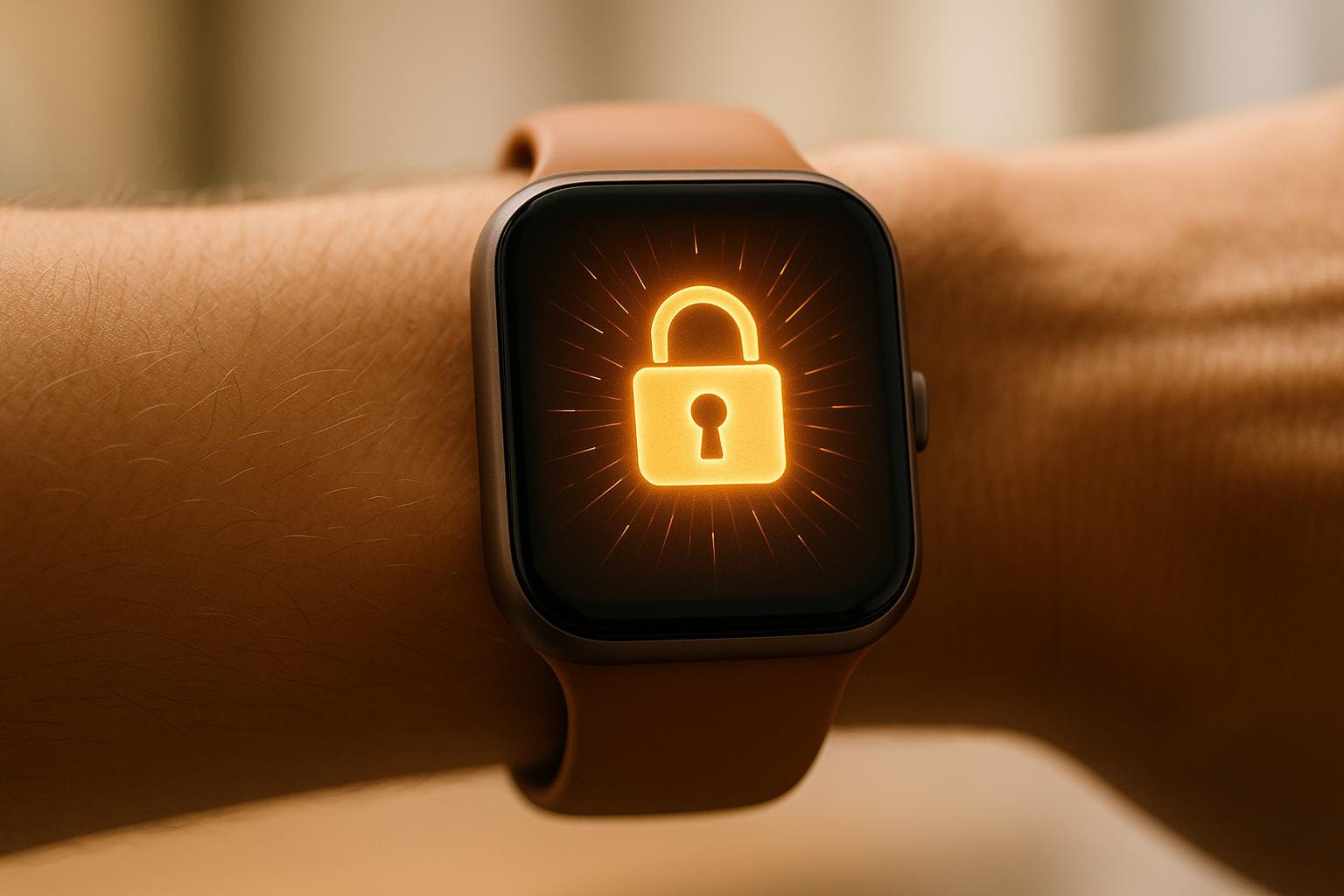
Tus dispositivos portátiles recopilan datos de salud sensibles, como frecuencia cardíaca, patrones de sueño y ubicación, y los transmiten a través de canales cifrados. Pero, ¿qué sucede si un dispositivo se pierde, se vende o revocas el acceso a una aplicación? La revocación de claves garantiza que tus datos permanezcan protegidos invalidando las claves de cifrado, bloqueando el acceso a las partes no autorizadas.
La revocación de claves es crítica para:
Proteger los datos de salud de usos indebidos o violaciones.
Gestionar cambios de acceso en sistemas dinámicos, como portátiles y plataformas de salud.
Los desafíos incluyen:
Hardware limitado en dispositivos portátiles, lo que dificulta las actualizaciones de cifrado.
Redes complejas de intercambio de datos que involucran a múltiples usuarios y aplicaciones.
Riesgos de revocación retrasada o fallida, lo que puede dejar los datos expuestos.
Las soluciones incluyen:
Claves de sesión de corta duración para limitar la exposición.
Re-cifrado de proxy para actualizaciones eficientes.
Cifrado basado en atributos para acceso específico por roles.
La revocación de claves es vital para asegurar los datos de salud, garantizar la privacidad y cumplir con las regulaciones. Plataformas como Healify utilizan estos métodos para bloquear el acceso de forma rápida y segura cuando cambian los permisos.
Cómo Funciona la Revocación de Claves en Dispositivos Portátiles
¿Qué es la Revocación de Claves?
La revocación de claves es el proceso de cancelar o deshabilitar una clave de cifrado, asegurando que un dispositivo, usuario o aplicación específica ya no pueda acceder a datos de salud protegidos. Los dispositivos portátiles, como rastreadoras de fitness y relojes inteligentes, usan claves de cifrado para proteger información sensible como la frecuencia cardíaca, niveles de actividad y patrones de sueño. Estas claves funcionan como cerraduras digitales, permitiendo que solo las partes autorizadas desbloqueen y usen los datos.
Por ejemplo, cuando revocas el acceso de una aplicación de terceros a tu rastreador de fitness o desvinculas un reloj inteligente antiguo, el sistema asegura que estas partes ya no reciban nuevas claves de cifrado. Esto puede involucrar detener la distribución de nuevas claves de sesión o actualizar la clave de cifrado y compartirla solo con usuarios autorizados.
Los dispositivos portátiles generalmente dependen de dos tipos de cifrado: cifrado simétrico, donde la misma clave se usa tanto para bloquear como para desbloquear datos, y cifrado asimétrico, que usa un par de claves (pública y privada). Cuando se revoca el acceso, el sistema asegura que la parte revocada ya no reciba la clave compartida (en sistemas simétricos) o que los nuevos datos se cifren solo para claves públicas autorizadas (en sistemas asimétricos).
Toma el sistema SecuWear como ejemplo. Utiliza claves rotativas para cada sesión, haciendo que la revocación de claves sea sencilla. Si un usuario decide revocar los permisos de intercambio de datos, SecuWear deja de compartir claves en la siguiente sesión, cortando efectivamente el acceso. Este método funciona bien en escenarios donde las reglas de acceso cambian con frecuencia, como en dispositivos de salud portátiles[1].
A continuación, profundicemos en por qué este proceso es tan crítico para proteger los datos de salud.
Por Qué la Revocación de Claves es Importante para la Seguridad de los Datos de Salud
La revocación de claves juega un papel vital en la protección de los datos de salud porque los dispositivos portátiles recopilan información altamente personal, como indicadores de actividad física y salud mental. En los EE.UU., este tipo de datos a menudo está protegido por leyes como HIPAA, y el acceso no autorizado podría llevar a preocupaciones significativas de privacidad y legales.
Por ejemplo, imagina que has estado usando una aplicación de fitness para rastrear tus entrenamientos pero decides detenerte porque te preocupa cómo la aplicación maneja tus datos. Al revocar el acceso de la aplicación, la revocación de claves asegura que la aplicación ya no pueda descifrar nuevos datos de tu reloj inteligente. Aunque la aplicación aún pueda retener datos previamente recopilados, no tendrá acceso a nuevas lecturas de frecuencia cardíaca, patrones de sueño o registros de actividad. Esto reduce el riesgo de mal uso de datos, violaciones o perfilamiento.
La revocación de claves también se alinea con los derechos de privacidad bajo leyes de EE.UU. como la Ley de Privacidad del Consumidor de California (CCPA), que otorga a las personas el derecho de eliminar o restringir el acceso a sus datos. Al aplicar estas restricciones a nivel criptográfico, la revocación de claves asegura que, una vez que se revoque el acceso, los datos permanezcan cifrados e inaccesibles para partes no autorizadas. Este enfoque va más allá de simplemente eliminar permisos en una aplicación: asegura que el acceso se bloquee en el núcleo de cifrado.
La importancia de una revocación de claves oportuna resalta la necesidad de que los sistemas de tecnología portátil implementen medidas de seguridad sólidas, las cuales exploraremos a continuación.
Partes de un Sistema de Tecnologías Portátiles
Para entender cómo funciona la revocación de claves, ayuda saber cómo están estructurados los sistemas de tecnologías portátiles. Estos sistemas consisten en varios componentes interconectados, cada uno contribuyendo a la recolección, transmisión y análisis seguros de datos de salud.
Sensores portátiles: Dispositivos como acelerómetros y sensores ópticos recolectan datos, que se cifran inmediatamente utilizando claves criptográficas antes de ser transmitidos.
Aplicaciones móviles: Estas actúan como centros, recopilando y preprocesando datos de dispositivos portátiles a través de Bluetooth Low Energy (BLE). La conexión se asegura usando una Clave de Largo Plazo (LTK), establecida mediante protocolos de emparejamiento seguros.
Plataformas en la nube: Una vez que los datos llegan a tu smartphone, se transmiten de manera segura al almacenamiento en la nube para un análisis posterior. Las plataformas en la nube usan claves de aplicación o tokens para gestionar el acceso, asegurando que solo aplicaciones o servicios autorizados puedan descifrar los datos.
Plataformas de salud impulsadas por IA: Plataformas como Healify combinan datos de dispositivos portátiles, biometría y otras fuentes para brindar información de salud personalizada. Estas plataformas dependen de una gestión segura de claves para garantizar que, cuando se retire un dispositivo portátil o se cambie de proveedor de atención, se revoquen las claves antiguas y las nuevas sesiones usen claves renovadas.
Para que la revocación de claves sea efectiva, todos estos componentes deben funcionar juntos. Cuando desvinculas un dispositivo portátil o revocas los permisos de una aplicación, las claves almacenadas en el dispositivo portátil, el smartphone y la nube deben actualizarse o invalidarse. Por ejemplo, desvincular un reloj inteligente de tu teléfono debería resultar en la eliminación de claves como la Clave Resolutiva de Identidad (IRK) y la Clave Resolutiva de Firma de Conexión (CSRK) en ambos dispositivos, asegurando que no puedan reutilizarse.
La investigación sobre la seguridad de los relojes inteligentes ha demostrado que una vez que un reloj inteligente se empareja con un smartphone, las conexiones cifradas evitan que los detectores de Bluetooth capturen datos sensibles. Sin embargo, si las claves no se revocan adecuadamente cuando los dispositivos se desvinculan o los permisos se eliminan, las partes no autorizadas podrían seguir accediendo a los datos cifrados si retienen claves válidas[2].
Para abordar esto, los dispositivos portátiles modernos a menudo usan claves de sesión de corta duración y rotativas. Esto significa que la revocación no requiere invalidar claves a largo plazo en todos los sistemas: simplemente detener la emisión de nuevas claves de sesión es suficiente. Este enfoque es particularmente útil en escenarios dinámicos como el seguimiento de salud y fitness, donde los usuarios frecuentemente agregan o eliminan dispositivos y aplicaciones. Al asegurar que las claves se actualicen o invaliden puntualmente, los sistemas de tecnología portátil pueden mantener una gestión segura y privada de datos de salud en todos los componentes.
Retos en la Revocación de Claves para Portátiles
La revocación de claves juega un papel crucial en la protección de los datos de salud, pero implementarla eficazmente en dispositivos portátiles no es tarea fácil. Estos obstáculos surgen de las limitaciones del hardware portátil, la gestión intrincada del acceso entre múltiples usuarios y las posibles consecuencias cuando fallan los sistemas de revocación.
Límites de Hardware de los Dispositivos Portátiles
Los dispositivos portátiles, como las rastreadoras de fitness y los relojes inteligentes, operan bajo estrictas limitaciones de hardware que hacen que una revocación de claves robusta sea un desafío. A diferencia de los smartphones o laptops, estos dispositivos están diseñados con potencia de procesamiento limitada, memoria mínima y baterías pequeñas para asegurar un uso prolongado entre cargas. Estas limitaciones impactan directamente en la complejidad y eficiencia de sus sistemas de seguridad.
Por ejemplo, tareas criptográficas avanzadas como la generación de nuevas claves, la verificación de listas de revocación o el re-cifrado de datos pueden agotar la vida de la batería y ralentizar el rendimiento. Dado que estos dispositivos están pensados para ser usados continuamente, encontrar un equilibrio entre seguridad y usabilidad se convierte en un desafío importante.
La conectividad Bluetooth agrega otra capa de dificultad. Un estudio de ciberseguridad en 2023 reveló vulnerabilidades en seis relojes inteligentes diferentes, muchos de los cuales aún dependían del antiguo método de Emparejamiento de Baja Energía Bluetooth Legacy. Este protocolo carece de métodos modernos de cifrado como el Elliptic-curve Diffie-Hellman (ECDH), dejando a los dispositivos expuestos a ataques de interceptación que pueden comprometer la Clave a Largo Plazo (LTK) usada para asegurar las comunicaciones [2]. Incluso cuando los dispositivos portátiles adoptan protocolos más fuertes como LE Secure Connections, las demandas computacionales adicionales pueden tensionar sus recursos limitados.
El almacenamiento es otro cuello de botella. Los dispositivos portátiles a menudo carecen de memoria suficiente para mantener grandes listas de revocación: bases de datos que hacen seguimiento a las claves invalidadas. A medida que estas listas crecen, especialmente en sistemas con cambios frecuentes de acceso o múltiples usuarios, los portátiles pueden necesitar depender de servidores remotos para verificar el estatus de revocación. Esta dependencia introduce latencia y requiere conectividad constante, lo cual no siempre es factible durante entrenamientos o en áreas con cobertura de red deficiente.
Estas limitaciones de hardware destacan las complejidades de implementar una revocación de claves efectiva en dispositivos portátiles, especialmente a medida que escalan para satisfacer las demandas de entornos dinámicos.
Problemas de Escalado en el Intercambio Dinámico de Datos
Más allá de las limitaciones de hardware, los ecosistemas portátiles enfrentan desafíos únicos en la gestión del intercambio dinámico de datos. Los datos de salud recopilados por dispositivos portátiles a menudo se comparten con una variedad de partes interesadas, incluyendo proveedores de atención médica, investigadores, familiares y plataformas como Healify. Cada parte puede requerir acceso a diferentes subconjuntos de datos, y estas necesidades de acceso pueden cambiar con frecuencia.
Gestionar la revocación de claves en sistemas tan dinámicos está lejos de ser sencillo. Por ejemplo, cuando un estudio de investigación termina, el sistema debe revocar el acceso de los investigadores sin interrumpir el acceso para otros usuarios autorizados. Los sistemas de claves a largo plazo tradicionales luchan en tales escenarios, ya que revocar la clave de un usuario podría afectar inadvertidamente a otros.
El problema se vuelve aún más complejo a medida que los dispositivos portátiles recopilan continuamente nuevos datos. Diferentes partes interesadas pueden necesitar acceso a distintos conjuntos de datos recopilados en diferentes momentos. Por ejemplo, un fisioterapeuta podría necesitar datos de actividad del último mes, mientras que un especialista del sueño solo requiere datos de la última semana. Coordinar la revocación a través de dispositivos, almacenamiento en la nube y aplicaciones de terceros requiere sistemas sofisticados que muchas plataformas actuales carecen.
Algunos sistemas usan claves de sesión rotativas para abordar estos desafíos, pero este enfoque tiene sus propias limitaciones. En casos donde las sesiones son largas o donde la monitorización continua carece de límites claros de sesión, gestionar la revocación se vuelve cada vez más difícil.
Para plataformas como Healify, que integran datos de múltiples dispositivos portátiles y fuentes, el proceso de revocación debe ser sin fisuras, escalable y energéticamente eficiente para asegurar la seguridad sin comprometer la experiencia del usuario.
Riesgos de Revocación Lenta o Fallida
Cuando la revocación de claves se retrasa o falla por completo, las consecuencias para la seguridad de los datos de salud pueden ser graves. A diferencia de los datos financieros, que pueden ser reemplazados o cancelados, los registros de salud son permanentes: una vez expuestos, el daño es irreversible.
La revocación fallida crea brechas de seguridad. Por ejemplo, si las claves de cifrado de un proveedor de atención médica anterior no se revocan adecuadamente, podrían seguir accediendo a datos de salud sensibles indefinidamente. Esta amenaza interna es particularmente preocupante, ya que involucra a partes previamente autorizadas que explotan su acceso residual.
Los retrasos en la revocación también introducen vulnerabilidades críticas. Incluso un breve retraso puede darle a los atacantes una oportunidad para explotar debilidades. Por ejemplo, los ataques pasivos durante el emparejamiento de dispositivos portátiles pueden exponer claves de cifrado en texto simple [2]. Además, algunos relojes inteligentes permanecen vulnerables a la interceptación por Bluetooth, haciendo que la revocación oportuna sea esencial para prevenir el acceso no autorizado.
Cumplir con las regulaciones añade otra capa de urgencia. Las leyes de EE.UU. como HIPAA y la Ley de Privacidad del Consumidor de California (CCPA) exigen pruebas de que el acceso ha sido revocado cuando se solicite. Los sistemas con mecanismos de revocación poco confiables arriesgan no cumplir con estos requisitos legales, exponiendo potencialmente a los proveedores de atención médica y plataformas a sanciones significativas.
Las vulnerabilidades de la cadena de suministro exacerban aún más el problema. Dispositivos de fabricantes que no cumplen con las recomendaciones del grupo de interés específico de Bluetooth son más susceptibles a ataques que eluden los controles de seguridad [2]. Además, las puertas traseras en el firmware de dispositivos médicos - descubiertas incluso en productos de grandes marcas - pueden permitir a los atacantes ejecutar código remoto, haciendo que la revocación de claves sea ineficaz [3].
Para plataformas impulsadas por IA como Healify, que combinan datos de dispositivos portátiles, biometría y otras fuentes para brindar información de salud personalizada, los riesgos son aún mayores. Una falla en la revocación de claves en cualquier punto de este ecosistema podría comprometer la seguridad de toda la cadena de datos, exponiendo perfiles de salud profundamente personales.
Estos riesgos subrayan la importancia crítica de desarrollar estrategias efectivas de revocación de claves que puedan seguir el ritmo de la creciente complejidad de los ecosistemas de salud portátiles.
Métodos para Revocación de Claves en Sistemas de Salud Portátiles
Investigadores han desarrollado técnicas criptográficas adaptadas para dispositivos de salud portátiles, centrándose en equilibrar medidas de seguridad fuertes con los recursos limitados de estos dispositivos. Estos métodos aseguran que el acceso pueda revocarse eficientemente sin imponer demandas excesivas sobre la batería, la memoria o la potencia de procesamiento del dispositivo. A continuación, se presentan algunos de los enfoques clave utilizados para gestionar la revocación en sistemas de salud portátiles.
Re-cifrado de Proxy y Particionamiento de Claves
El re-cifrado de proxy ofrece una manera eficiente de manejar la revocación de claves sin re-cifrar grandes volúmenes de datos de salud. En lugar de requerir que el dispositivo portátil o el sistema de backend comiencen de nuevo, un proxy semi-seguro - como una puerta de enlace en la nube o un servidor de borde - transforma los datos cifrados de modo que solo los usuarios autorizados puedan descifrarlos. Si se necesita revocar el acceso, el proxy re-cifra solo las porciones relevantes usando una nueva clave, sin acceder nunca a los datos de salud originales.
El particionamiento de claves trabaja junto con esto dividiendo la clave maestra en múltiples sub-claves, cada una ligada a tipos específicos de datos (por ejemplo, frecuencia cardíaca, patrones de sueño o rastreo de actividad). Si se revoca el acceso a un tipo de dato en particular, solo se actualiza la sub-clave correspondiente. Por ejemplo, un dispositivo portátil podría cifrar datos de salud usando una clave de sesión, que luego se envuelve con una de estas sub-claves. Cuando ocurre una revocación, solo se actualiza la clave maestra, y el proxy re-cifra las claves de sesión afectadas. Este enfoque específico minimiza la carga computacional en el dispositivo.
Cifrado Basado en Atributos (ABE) con Revocación
El Cifrado Basado en Atributos (ABE) introduce un método más basado en políticas para gestionar el acceso. En lugar de cifrar datos para individuos específicos, ABE los cifra en función de atributos o roles. Hay dos tipos principales de ABE: ABE basado en Clave de Políticas (KP-ABE) y ABE basado en Políticas de Cifrado (CP-ABE). El CP-ABE es a menudo preferido para datos de salud portátiles porque permite que el propietario de los datos defina quién puede acceder a la información.
Por ejemplo, un dispositivo portátil podría cifrar datos de ECG con una política como "clínica de confianza Y consentimiento válido". Si el usuario revoca el consentimiento, la clave de atributo de la clínica se vuelve inválida, bloqueando el acceso futuro a los datos. La revocación en ABE se maneja típicamente emitiendo claves de atributo de corta duración a través de una autoridad central. Estas claves expiran automáticamente, reduciendo la necesidad de re-cifrado inmediato. Sin embargo, el ABE es computacionalmente exigente, por lo que generalmente se reserva para datos críticos o para asegurar claves maestras en lugar de cifrar todos los datos de sensores en bruto.
Rotación de Claves de Sesión y Claves de Corta Duración
Los métodos basados en sesiones ofrecen una alternativa ligera y práctica a los enfoques basados en políticas. La rotación de claves de sesión implica generar una nueva clave de cifrado para cada sesión de comunicación - ya sea sincronizando un reloj inteligente con un teléfono o cargando datos a la nube - y descartarla después de su uso. Esto limita el riesgo, ya que incluso si un atacante intercepta una clave de sesión, solo se comprometen los datos de esa sesión.
Por ejemplo, un dispositivo portátil podría crear una nueva clave de sesión AES-128 cada vez que se empareja con un smartphone, usando Bluetooth Low Energy (BLE) Secure Connections con Elliptic-curve Diffie-Hellman (ECDH) para una comunicación segura. Estas claves podrían ser válidas solo durante la duración de la conexión o por un período corto, dependiendo de las restricciones de energía del dispositivo y la sensibilidad de los datos. Las conexiones seguras BLE también usan ECDH con verificación de contraseña, reduciendo drásticamente las probabilidades de que un atacante adivine la contraseña - estimadas en aproximadamente una entre un millón[2].
Un análisis de 2023 de seis relojes inteligentes del mercado reveló vulnerabilidades en algunos dispositivos, donde las claves de cifrado podrían ser interceptadas usando detectores de Bluetooth o registros de espionaje de HCI, particularmente cuando se usaban métodos antiguos de emparejamiento[2]. Esto destaca la importancia de adoptar conexiones seguras BLE con medidas de autenticación sólidas.
Cuando se revoca el acceso, como desvinculando un dispositivo, el portátil deja de compartir claves en sesiones subsecuentes. Este enfoque, como se ve en el marco SecuWear[1], es altamente eficiente, con bajas demandas computacionales, haciéndolo ideal para dispositivos portátiles con recursos limitados.
Impacto en Plataformas de Salud Impulsadas por IA como Healify
Habilitando la Integración de Datos Enfocada en la Privacidad
Las plataformas de salud impulsadas por IA enfrentan un difícil equilibrio: necesitan combinar datos sensibles de varias fuentes mientras aseguran que los usuarios mantengan el control total sobre su información. Una forma de lograr esto es mediante la revocación de claves, que invalida inmediatamente las claves criptográficas cuando un usuario desvincula un dispositivo. Esto impide cualquier acceso futuro a los datos.
Toma las plataformas como Healify, por ejemplo. Agregan datos de dispositivos portátiles como Apple Watch, Fitbit y Garmin, junto con resultados de análisis de sangre e información sobre el estilo de vida. Con la revocación de claves en su lugar, los flujos de datos están criptográficamente aislados, por lo que la revocación ocurre a nivel de clave - no solo a través de un alternador de API o configuración de aplicación. Si un usuario desvincula su reloj Garmin, el sistema bloquea cualquier futuro desciframiento de sus datos, incluso si el dispositivo sigue sincronizándose.
Este método se alinea con el principio de privacidad desde el diseño, integrando la seguridad en el sistema desde el principio. También permite controles de privacidad más granulares. Por ejemplo, Healify podría cifrar los datos de frecuencia cardíaca, patrones de sueño y seguimiento de actividad bajo claves separadas. Si un usuario decide dejar de compartir solo sus datos de sueño, la plataforma puede revocar el acceso a esa clave específica sin afectar otros flujos de datos. Este enfoque brinda a los usuarios opciones de privacidad reales y accionables mientras asegura información de salud sensible.
Estrategias de Diseño para Plataformas de Salud Seguras
Crear una plataforma de salud segura implica un diseño reflexivo que equilibra un fuerte cifrado con la limitada potencia de procesamiento de los dispositivos portátiles. Una solución práctica es descargar las tareas criptográficas exigentes a dispositivos más potentes, como smartphones o servidores en la nube. Los dispositivos portátiles manejan tareas más simples, como cifrar datos con claves de sesión de corta duración, asegurando que la vida útil de la batería y el rendimiento no se vean comprometidos. Mientras tanto, smartphones o servidores en la nube gestionan el almacenamiento de claves a largo plazo, aplican políticas y controlan el acceso.
Por ejemplo, Healify podría imponer una política como: "Descifrar datos de ECG solo si el usuario ha dado su consentimiento y el dispositivo es de confianza". Si un dispositivo portátil se revoca, la plataforma actualiza sus políticas para bloquear futuros desciframientos sin re-cifrar datos históricos.
Los controles de acceso de grano fino también son críticos para plataformas que extraen datos de múltiples fuentes. En lugar de usar una clave maestra única para todos los datos de salud, Healify podría asignar claves separadas para cada tipo de dato: conteo de pasos, análisis del sueño, niveles de oxígeno en la sangre, etc. Esta configuración asegura que revocar un flujo de datos no interrumpa otros.
La automatización de la rotación de claves añade otra capa de conveniencia y seguridad. Healify podría generar una nueva clave de sesión cada vez que un dispositivo portátil se sincroniza con un smartphone, a menudo durante la carga nocturna cuando el dispositivo está inactivo. Si un usuario revoca un dispositivo, la plataforma simplemente deja de emitir claves en la próxima sincronización, asegurando que el proceso sea sin fisuras y normalmente se complete en 24 horas.
Desde la perspectiva del usuario, esta complejidad se oculta detrás de controles simples de la aplicación. Un botón de "Desconectar Dispositivo" en la aplicación Healify activa la revocación criptográfica en el backend - invalidando claves, actualizando políticas de acceso y marcando el dispositivo como no confiable. El usuario solo ve una confirmación de que el dispositivo ya no está compartiendo datos, cumpliendo con sus expectativas de seguridad fácil e intuitiva.
Consideraciones Específicas de EE.UU. para la Gestión de Claves
Estas estrategias también ayudan a plataformas como Healify a cumplir con los requisitos regulatorios de EE.UU., particularmente con el cumplimiento de HIPAA, que rige el manejo de la información de salud protegida (PHI). HIPAA manda salvaguardias técnicas para asegurar la confidencialidad, integridad y disponibilidad de PHI.
La revocación de claves juega un papel directo aquí. Cuando un usuario revoca el acceso a un dispositivo portátil o aplicación de terceros, datos sensibles como la frecuencia cardíaca, niveles de actividad y patrones de sueño ya no pueden ser accedidos o descifrados por partes no autorizadas. Las plataformas que operan como asociados comerciales de HIPAA deben documentar estos controles de acceso y demostrar que los dispositivos o usuarios revocados se eliminan prontamente del sistema.
La revocación de claves también crea un registro auditable, esencial para el cumplimiento. Las plataformas pueden registrar cuándo se autorizó un dispositivo, cuándo se emitieron claves y cuándo ocurrió la revocación. Estos registros ayudan a cumplir con los requisitos de HIPAA para el control de acceso, registros de auditoría y transmisión segura de datos. Combinando esto con cifrado de extremo a extremo y almacenamiento seguro de claves, como utilizar el Enclave Seguro del iPhone, se asegura un marco de seguridad robusto.
Almacenar claves de manera segura es crítico. Si las claves se almacenan en software o en texto plano, un servidor o dispositivo comprometido podría permitir a los atacantes acceder a datos incluso después de la revocación. Healify debería confiar en entornos protegidos por hardware como el Enclave Seguro del iPhone o módulos de plataforma confiables (TPMs) en servidores en la nube para almacenar claves a largo plazo. Estos módulos evitan la extracción de claves y permiten operaciones seguras, como derivación de claves y firma. Si un iPhone de un usuario se pierde, Healify puede borrar remotamente las claves del Enclave Seguro, cortando el acceso a los datos de salud almacenados en el dispositivo.
Comprender las marcas de dispositivos portátiles populares y los hábitos de uso en EE.UU. también ayuda a las plataformas a diseñar estrategias de revocación efectivas. Dispositivos como Apple Watch, Fitbit, Garmin y Samsung Galaxy Watch típicamente se sincronizan con smartphones vía Bluetooth y cargan datos durante la carga, a menudo durante la noche. Healify puede alinear la rotación de claves con estas ventanas de sincronización, generando una nueva clave de sesión durante la carga nocturna y sincronizándola de manera segura con el smartphone.
Este tiempo asegura que la revocación sea efectiva sin interrumpir las rutinas de los usuarios. Por ejemplo, si un usuario revoca un dispositivo a través de la aplicación Healify, la plataforma deja de emitir nuevas claves en la próxima sincronización, generalmente dentro de 24 horas. El usuario no necesita gestionar claves manualmente ni ingresar contraseñas: la seguridad funciona silenciosamente en el fondo.
Para los usuarios no técnicos, este enfoque sin fisuras es esencial. La seguridad fuerte no debería requerir conocimientos técnicos ni interferir con la vida diaria. Al automatizar la gestión de claves durante actividades rutinarias como cargar y ofrecer controles directos para la gestión de dispositivos, las plataformas pueden entregar una seguridad robusta que cumple con los estándares regulatorios mientras mantiene las cosas fáciles para los usuarios.
Conclusión
Proteger los datos de salud portátiles depende de una revocación de claves efectiva, asegurando que la información sensible permanezca segura a medida que cambian los permisos del usuario. Ya sea un dispositivo desconectado, un dispositivo portátil perdido o un usuario retirando el consentimiento para compartir datos, la revocación adecuada protege tanto los datos históricos como los de tiempo real del acceso no autorizado. Sin ella, integraciones obsoletas o credenciales comprometidas podrían seguir exponiendo métricas personales como la frecuencia cardíaca, patrones de sueño y niveles de actividad.
Las estrategias descritas anteriormente - claves de sesión de corta duración, cifrado basado en políticas con revocación de atributos y gestión automatizada del ciclo de vida - trabajan juntas para proteger los datos portátiles en cada etapa. Las claves de corta duración cortan inmediatamente el acceso futuro, mientras que el cifrado basado en políticas asegura que los usuarios revocados ya no cumplan las condiciones para descifrar datos. Las herramientas centralizadas, como listas de revocación de certificados o OCSP, agilizan aún más la gestión de confianza a escala.
Para plataformas impulsadas por IA como Healify, aplicar estas prácticas asegura experiencias de usuario seguras y personalizadas. Por ejemplo, cuando se desconecta un dispositivo portátil, el backend de Healify debería dejar inmediatamente de procesar telemetría de ese dispositivo, eliminar sus claves de sesión y excluir sus datos de análisis en curso. Si el rol de un proveedor de atención médica cambia, la revocación debería bloquear el acceso a futuros informes. La gestión automatizada del ciclo de vida añade otra capa de protección al identificar continuamente dispositivos, marcar anomalías y revocar credenciales en tiempo casi real. Estos procesos no solo mejoran la seguridad, sino que también apoyan el cumplimiento de HIPAA con controles auditables y almacenamiento seguro de claves.
Desde la perspectiva del usuario, una revocación robusta inspira confianza - similar a la confianza que brindan las aplicaciones bancarias cuando se revoca el acceso. Saber quién puede acceder a sus datos de salud, cuán rápidamente toma efecto la revocación y qué sucede con la información almacenada ayuda a los usuarios a sentirse seguros. A medida que los avances en cifrado habilitado para revocación y sistemas de confianza automatizados continúan, la industria se dirige hacia estrategias más precisas y conscientes del contexto que reducen aún más los riesgos.
Los procesos de revocación sólidos son tan importantes como el cifrado inicial para asegurar los ecosistemas de salud portátiles. Al construir sistemas con la revocación en mente desde el inicio, automatizar la gestión de claves y dispositivos, y reducir la dependencia de cualquier componente único, los desarrolladores pueden crear plataformas seguras que no solo cumplen con los requisitos regulatorios sino que también resultan sin fisuras y confiables para los usuarios diarios.
FAQs
¿Qué es la revocación de claves y cómo protege los datos de mi dispositivo portátil?
La revocación de claves es el proceso de invalidar claves de cifrado obsoletas o comprometidas que protegen los datos recopilados por tus dispositivos portátiles. Piénsalo como cambiar una cerradura defectuosa en la puerta principal para asegurar que tu hogar permanezca seguro. Para dispositivos como relojes inteligentes y rastreadores de fitness que recogen información de salud sensible, este proceso es esencial.
Al revocar claves comprometidas, tus datos personales permanecen protegidos - incluso si una clave anterior se expone o se considera poco confiable. Esto asegura que solo individuos o sistemas autorizados puedan acceder a tu información de salud. Por ejemplo, aplicaciones como Healify utilizan prácticas seguras de cifrado y gestión de claves para analizar tus datos portátiles de manera segura, brindando información de salud personalizada sin comprometer tu privacidad.
¿Qué desafíos presenta la revocación de claves de seguridad en dispositivos portátiles y cómo se gestionan?
Revocar las claves de seguridad en dispositivos portátiles, como relojes inteligentes y rastreadores de fitness, presenta sus respectivas complicaciones. Estos dispositivos dependen en gran medida de la conectividad constante y la comunicación segura, haciendo que el proceso sea algo complicado. Los principales obstáculos incluyen garantizar que el dispositivo esté conectado para recibir actualizaciones, proteger la privacidad del usuario durante la revocación y bloquear el acceso no autorizado mientras se cambia a nuevas claves.
Para abordar estos problemas, los fabricantes suelen confiar en actualizaciones seguras por aire (OTA) para revocar y reemplazar claves eficientemente. Los métodos de cifrado y autenticación también juegan un papel crucial en la protección de datos de salud sensibles durante el proceso de actualización. Estas estrategias aseguran que los dispositivos portátiles continúen protegiendo de manera efectiva la información personal de salud de los usuarios.
¿Cómo protege la revocación de claves la privacidad y asegura el cumplimiento de leyes como HIPAA y CCPA en dispositivos portátiles?
La revocación de claves desempeña un papel esencial en la tecnología portátil, asegurando la privacidad y seguridad al invalidar claves de cifrado que están comprometidas o ya no se utilizan. Este proceso ayuda a mantener seguros los datos de salud sensibles - como la información recopilada por relojes inteligentes y rastreadores de fitness - de accesos no autorizados.
Incorporar la revocación de claves permite que los dispositivos portátiles cumplan con los estrictos requisitos de privacidad de leyes como HIPAA y CCPA, diseñadas para proteger la información de salud personal. Si una clave de cifrado se compromete, revocarla bloquea efectivamente posibles violaciones de seguridad, salvaguardando los datos de los usuarios mientras se mantiene el cumplimiento con estos estándares legales.
Entradas de Blog Relacionadas
Tus dispositivos portátiles recopilan datos de salud sensibles, como frecuencia cardíaca, patrones de sueño y ubicación, y los transmiten a través de canales cifrados. Pero, ¿qué sucede si un dispositivo se pierde, se vende o revocas el acceso a una aplicación? La revocación de claves garantiza que tus datos permanezcan protegidos invalidando las claves de cifrado, bloqueando el acceso a las partes no autorizadas.
La revocación de claves es crítica para:
Proteger los datos de salud de usos indebidos o violaciones.
Gestionar cambios de acceso en sistemas dinámicos, como portátiles y plataformas de salud.
Los desafíos incluyen:
Hardware limitado en dispositivos portátiles, lo que dificulta las actualizaciones de cifrado.
Redes complejas de intercambio de datos que involucran a múltiples usuarios y aplicaciones.
Riesgos de revocación retrasada o fallida, lo que puede dejar los datos expuestos.
Las soluciones incluyen:
Claves de sesión de corta duración para limitar la exposición.
Re-cifrado de proxy para actualizaciones eficientes.
Cifrado basado en atributos para acceso específico por roles.
La revocación de claves es vital para asegurar los datos de salud, garantizar la privacidad y cumplir con las regulaciones. Plataformas como Healify utilizan estos métodos para bloquear el acceso de forma rápida y segura cuando cambian los permisos.
Cómo Funciona la Revocación de Claves en Dispositivos Portátiles
¿Qué es la Revocación de Claves?
La revocación de claves es el proceso de cancelar o deshabilitar una clave de cifrado, asegurando que un dispositivo, usuario o aplicación específica ya no pueda acceder a datos de salud protegidos. Los dispositivos portátiles, como rastreadoras de fitness y relojes inteligentes, usan claves de cifrado para proteger información sensible como la frecuencia cardíaca, niveles de actividad y patrones de sueño. Estas claves funcionan como cerraduras digitales, permitiendo que solo las partes autorizadas desbloqueen y usen los datos.
Por ejemplo, cuando revocas el acceso de una aplicación de terceros a tu rastreador de fitness o desvinculas un reloj inteligente antiguo, el sistema asegura que estas partes ya no reciban nuevas claves de cifrado. Esto puede involucrar detener la distribución de nuevas claves de sesión o actualizar la clave de cifrado y compartirla solo con usuarios autorizados.
Los dispositivos portátiles generalmente dependen de dos tipos de cifrado: cifrado simétrico, donde la misma clave se usa tanto para bloquear como para desbloquear datos, y cifrado asimétrico, que usa un par de claves (pública y privada). Cuando se revoca el acceso, el sistema asegura que la parte revocada ya no reciba la clave compartida (en sistemas simétricos) o que los nuevos datos se cifren solo para claves públicas autorizadas (en sistemas asimétricos).
Toma el sistema SecuWear como ejemplo. Utiliza claves rotativas para cada sesión, haciendo que la revocación de claves sea sencilla. Si un usuario decide revocar los permisos de intercambio de datos, SecuWear deja de compartir claves en la siguiente sesión, cortando efectivamente el acceso. Este método funciona bien en escenarios donde las reglas de acceso cambian con frecuencia, como en dispositivos de salud portátiles[1].
A continuación, profundicemos en por qué este proceso es tan crítico para proteger los datos de salud.
Por Qué la Revocación de Claves es Importante para la Seguridad de los Datos de Salud
La revocación de claves juega un papel vital en la protección de los datos de salud porque los dispositivos portátiles recopilan información altamente personal, como indicadores de actividad física y salud mental. En los EE.UU., este tipo de datos a menudo está protegido por leyes como HIPAA, y el acceso no autorizado podría llevar a preocupaciones significativas de privacidad y legales.
Por ejemplo, imagina que has estado usando una aplicación de fitness para rastrear tus entrenamientos pero decides detenerte porque te preocupa cómo la aplicación maneja tus datos. Al revocar el acceso de la aplicación, la revocación de claves asegura que la aplicación ya no pueda descifrar nuevos datos de tu reloj inteligente. Aunque la aplicación aún pueda retener datos previamente recopilados, no tendrá acceso a nuevas lecturas de frecuencia cardíaca, patrones de sueño o registros de actividad. Esto reduce el riesgo de mal uso de datos, violaciones o perfilamiento.
La revocación de claves también se alinea con los derechos de privacidad bajo leyes de EE.UU. como la Ley de Privacidad del Consumidor de California (CCPA), que otorga a las personas el derecho de eliminar o restringir el acceso a sus datos. Al aplicar estas restricciones a nivel criptográfico, la revocación de claves asegura que, una vez que se revoque el acceso, los datos permanezcan cifrados e inaccesibles para partes no autorizadas. Este enfoque va más allá de simplemente eliminar permisos en una aplicación: asegura que el acceso se bloquee en el núcleo de cifrado.
La importancia de una revocación de claves oportuna resalta la necesidad de que los sistemas de tecnología portátil implementen medidas de seguridad sólidas, las cuales exploraremos a continuación.
Partes de un Sistema de Tecnologías Portátiles
Para entender cómo funciona la revocación de claves, ayuda saber cómo están estructurados los sistemas de tecnologías portátiles. Estos sistemas consisten en varios componentes interconectados, cada uno contribuyendo a la recolección, transmisión y análisis seguros de datos de salud.
Sensores portátiles: Dispositivos como acelerómetros y sensores ópticos recolectan datos, que se cifran inmediatamente utilizando claves criptográficas antes de ser transmitidos.
Aplicaciones móviles: Estas actúan como centros, recopilando y preprocesando datos de dispositivos portátiles a través de Bluetooth Low Energy (BLE). La conexión se asegura usando una Clave de Largo Plazo (LTK), establecida mediante protocolos de emparejamiento seguros.
Plataformas en la nube: Una vez que los datos llegan a tu smartphone, se transmiten de manera segura al almacenamiento en la nube para un análisis posterior. Las plataformas en la nube usan claves de aplicación o tokens para gestionar el acceso, asegurando que solo aplicaciones o servicios autorizados puedan descifrar los datos.
Plataformas de salud impulsadas por IA: Plataformas como Healify combinan datos de dispositivos portátiles, biometría y otras fuentes para brindar información de salud personalizada. Estas plataformas dependen de una gestión segura de claves para garantizar que, cuando se retire un dispositivo portátil o se cambie de proveedor de atención, se revoquen las claves antiguas y las nuevas sesiones usen claves renovadas.
Para que la revocación de claves sea efectiva, todos estos componentes deben funcionar juntos. Cuando desvinculas un dispositivo portátil o revocas los permisos de una aplicación, las claves almacenadas en el dispositivo portátil, el smartphone y la nube deben actualizarse o invalidarse. Por ejemplo, desvincular un reloj inteligente de tu teléfono debería resultar en la eliminación de claves como la Clave Resolutiva de Identidad (IRK) y la Clave Resolutiva de Firma de Conexión (CSRK) en ambos dispositivos, asegurando que no puedan reutilizarse.
La investigación sobre la seguridad de los relojes inteligentes ha demostrado que una vez que un reloj inteligente se empareja con un smartphone, las conexiones cifradas evitan que los detectores de Bluetooth capturen datos sensibles. Sin embargo, si las claves no se revocan adecuadamente cuando los dispositivos se desvinculan o los permisos se eliminan, las partes no autorizadas podrían seguir accediendo a los datos cifrados si retienen claves válidas[2].
Para abordar esto, los dispositivos portátiles modernos a menudo usan claves de sesión de corta duración y rotativas. Esto significa que la revocación no requiere invalidar claves a largo plazo en todos los sistemas: simplemente detener la emisión de nuevas claves de sesión es suficiente. Este enfoque es particularmente útil en escenarios dinámicos como el seguimiento de salud y fitness, donde los usuarios frecuentemente agregan o eliminan dispositivos y aplicaciones. Al asegurar que las claves se actualicen o invaliden puntualmente, los sistemas de tecnología portátil pueden mantener una gestión segura y privada de datos de salud en todos los componentes.
Retos en la Revocación de Claves para Portátiles
La revocación de claves juega un papel crucial en la protección de los datos de salud, pero implementarla eficazmente en dispositivos portátiles no es tarea fácil. Estos obstáculos surgen de las limitaciones del hardware portátil, la gestión intrincada del acceso entre múltiples usuarios y las posibles consecuencias cuando fallan los sistemas de revocación.
Límites de Hardware de los Dispositivos Portátiles
Los dispositivos portátiles, como las rastreadoras de fitness y los relojes inteligentes, operan bajo estrictas limitaciones de hardware que hacen que una revocación de claves robusta sea un desafío. A diferencia de los smartphones o laptops, estos dispositivos están diseñados con potencia de procesamiento limitada, memoria mínima y baterías pequeñas para asegurar un uso prolongado entre cargas. Estas limitaciones impactan directamente en la complejidad y eficiencia de sus sistemas de seguridad.
Por ejemplo, tareas criptográficas avanzadas como la generación de nuevas claves, la verificación de listas de revocación o el re-cifrado de datos pueden agotar la vida de la batería y ralentizar el rendimiento. Dado que estos dispositivos están pensados para ser usados continuamente, encontrar un equilibrio entre seguridad y usabilidad se convierte en un desafío importante.
La conectividad Bluetooth agrega otra capa de dificultad. Un estudio de ciberseguridad en 2023 reveló vulnerabilidades en seis relojes inteligentes diferentes, muchos de los cuales aún dependían del antiguo método de Emparejamiento de Baja Energía Bluetooth Legacy. Este protocolo carece de métodos modernos de cifrado como el Elliptic-curve Diffie-Hellman (ECDH), dejando a los dispositivos expuestos a ataques de interceptación que pueden comprometer la Clave a Largo Plazo (LTK) usada para asegurar las comunicaciones [2]. Incluso cuando los dispositivos portátiles adoptan protocolos más fuertes como LE Secure Connections, las demandas computacionales adicionales pueden tensionar sus recursos limitados.
El almacenamiento es otro cuello de botella. Los dispositivos portátiles a menudo carecen de memoria suficiente para mantener grandes listas de revocación: bases de datos que hacen seguimiento a las claves invalidadas. A medida que estas listas crecen, especialmente en sistemas con cambios frecuentes de acceso o múltiples usuarios, los portátiles pueden necesitar depender de servidores remotos para verificar el estatus de revocación. Esta dependencia introduce latencia y requiere conectividad constante, lo cual no siempre es factible durante entrenamientos o en áreas con cobertura de red deficiente.
Estas limitaciones de hardware destacan las complejidades de implementar una revocación de claves efectiva en dispositivos portátiles, especialmente a medida que escalan para satisfacer las demandas de entornos dinámicos.
Problemas de Escalado en el Intercambio Dinámico de Datos
Más allá de las limitaciones de hardware, los ecosistemas portátiles enfrentan desafíos únicos en la gestión del intercambio dinámico de datos. Los datos de salud recopilados por dispositivos portátiles a menudo se comparten con una variedad de partes interesadas, incluyendo proveedores de atención médica, investigadores, familiares y plataformas como Healify. Cada parte puede requerir acceso a diferentes subconjuntos de datos, y estas necesidades de acceso pueden cambiar con frecuencia.
Gestionar la revocación de claves en sistemas tan dinámicos está lejos de ser sencillo. Por ejemplo, cuando un estudio de investigación termina, el sistema debe revocar el acceso de los investigadores sin interrumpir el acceso para otros usuarios autorizados. Los sistemas de claves a largo plazo tradicionales luchan en tales escenarios, ya que revocar la clave de un usuario podría afectar inadvertidamente a otros.
El problema se vuelve aún más complejo a medida que los dispositivos portátiles recopilan continuamente nuevos datos. Diferentes partes interesadas pueden necesitar acceso a distintos conjuntos de datos recopilados en diferentes momentos. Por ejemplo, un fisioterapeuta podría necesitar datos de actividad del último mes, mientras que un especialista del sueño solo requiere datos de la última semana. Coordinar la revocación a través de dispositivos, almacenamiento en la nube y aplicaciones de terceros requiere sistemas sofisticados que muchas plataformas actuales carecen.
Algunos sistemas usan claves de sesión rotativas para abordar estos desafíos, pero este enfoque tiene sus propias limitaciones. En casos donde las sesiones son largas o donde la monitorización continua carece de límites claros de sesión, gestionar la revocación se vuelve cada vez más difícil.
Para plataformas como Healify, que integran datos de múltiples dispositivos portátiles y fuentes, el proceso de revocación debe ser sin fisuras, escalable y energéticamente eficiente para asegurar la seguridad sin comprometer la experiencia del usuario.
Riesgos de Revocación Lenta o Fallida
Cuando la revocación de claves se retrasa o falla por completo, las consecuencias para la seguridad de los datos de salud pueden ser graves. A diferencia de los datos financieros, que pueden ser reemplazados o cancelados, los registros de salud son permanentes: una vez expuestos, el daño es irreversible.
La revocación fallida crea brechas de seguridad. Por ejemplo, si las claves de cifrado de un proveedor de atención médica anterior no se revocan adecuadamente, podrían seguir accediendo a datos de salud sensibles indefinidamente. Esta amenaza interna es particularmente preocupante, ya que involucra a partes previamente autorizadas que explotan su acceso residual.
Los retrasos en la revocación también introducen vulnerabilidades críticas. Incluso un breve retraso puede darle a los atacantes una oportunidad para explotar debilidades. Por ejemplo, los ataques pasivos durante el emparejamiento de dispositivos portátiles pueden exponer claves de cifrado en texto simple [2]. Además, algunos relojes inteligentes permanecen vulnerables a la interceptación por Bluetooth, haciendo que la revocación oportuna sea esencial para prevenir el acceso no autorizado.
Cumplir con las regulaciones añade otra capa de urgencia. Las leyes de EE.UU. como HIPAA y la Ley de Privacidad del Consumidor de California (CCPA) exigen pruebas de que el acceso ha sido revocado cuando se solicite. Los sistemas con mecanismos de revocación poco confiables arriesgan no cumplir con estos requisitos legales, exponiendo potencialmente a los proveedores de atención médica y plataformas a sanciones significativas.
Las vulnerabilidades de la cadena de suministro exacerban aún más el problema. Dispositivos de fabricantes que no cumplen con las recomendaciones del grupo de interés específico de Bluetooth son más susceptibles a ataques que eluden los controles de seguridad [2]. Además, las puertas traseras en el firmware de dispositivos médicos - descubiertas incluso en productos de grandes marcas - pueden permitir a los atacantes ejecutar código remoto, haciendo que la revocación de claves sea ineficaz [3].
Para plataformas impulsadas por IA como Healify, que combinan datos de dispositivos portátiles, biometría y otras fuentes para brindar información de salud personalizada, los riesgos son aún mayores. Una falla en la revocación de claves en cualquier punto de este ecosistema podría comprometer la seguridad de toda la cadena de datos, exponiendo perfiles de salud profundamente personales.
Estos riesgos subrayan la importancia crítica de desarrollar estrategias efectivas de revocación de claves que puedan seguir el ritmo de la creciente complejidad de los ecosistemas de salud portátiles.
Métodos para Revocación de Claves en Sistemas de Salud Portátiles
Investigadores han desarrollado técnicas criptográficas adaptadas para dispositivos de salud portátiles, centrándose en equilibrar medidas de seguridad fuertes con los recursos limitados de estos dispositivos. Estos métodos aseguran que el acceso pueda revocarse eficientemente sin imponer demandas excesivas sobre la batería, la memoria o la potencia de procesamiento del dispositivo. A continuación, se presentan algunos de los enfoques clave utilizados para gestionar la revocación en sistemas de salud portátiles.
Re-cifrado de Proxy y Particionamiento de Claves
El re-cifrado de proxy ofrece una manera eficiente de manejar la revocación de claves sin re-cifrar grandes volúmenes de datos de salud. En lugar de requerir que el dispositivo portátil o el sistema de backend comiencen de nuevo, un proxy semi-seguro - como una puerta de enlace en la nube o un servidor de borde - transforma los datos cifrados de modo que solo los usuarios autorizados puedan descifrarlos. Si se necesita revocar el acceso, el proxy re-cifra solo las porciones relevantes usando una nueva clave, sin acceder nunca a los datos de salud originales.
El particionamiento de claves trabaja junto con esto dividiendo la clave maestra en múltiples sub-claves, cada una ligada a tipos específicos de datos (por ejemplo, frecuencia cardíaca, patrones de sueño o rastreo de actividad). Si se revoca el acceso a un tipo de dato en particular, solo se actualiza la sub-clave correspondiente. Por ejemplo, un dispositivo portátil podría cifrar datos de salud usando una clave de sesión, que luego se envuelve con una de estas sub-claves. Cuando ocurre una revocación, solo se actualiza la clave maestra, y el proxy re-cifra las claves de sesión afectadas. Este enfoque específico minimiza la carga computacional en el dispositivo.
Cifrado Basado en Atributos (ABE) con Revocación
El Cifrado Basado en Atributos (ABE) introduce un método más basado en políticas para gestionar el acceso. En lugar de cifrar datos para individuos específicos, ABE los cifra en función de atributos o roles. Hay dos tipos principales de ABE: ABE basado en Clave de Políticas (KP-ABE) y ABE basado en Políticas de Cifrado (CP-ABE). El CP-ABE es a menudo preferido para datos de salud portátiles porque permite que el propietario de los datos defina quién puede acceder a la información.
Por ejemplo, un dispositivo portátil podría cifrar datos de ECG con una política como "clínica de confianza Y consentimiento válido". Si el usuario revoca el consentimiento, la clave de atributo de la clínica se vuelve inválida, bloqueando el acceso futuro a los datos. La revocación en ABE se maneja típicamente emitiendo claves de atributo de corta duración a través de una autoridad central. Estas claves expiran automáticamente, reduciendo la necesidad de re-cifrado inmediato. Sin embargo, el ABE es computacionalmente exigente, por lo que generalmente se reserva para datos críticos o para asegurar claves maestras en lugar de cifrar todos los datos de sensores en bruto.
Rotación de Claves de Sesión y Claves de Corta Duración
Los métodos basados en sesiones ofrecen una alternativa ligera y práctica a los enfoques basados en políticas. La rotación de claves de sesión implica generar una nueva clave de cifrado para cada sesión de comunicación - ya sea sincronizando un reloj inteligente con un teléfono o cargando datos a la nube - y descartarla después de su uso. Esto limita el riesgo, ya que incluso si un atacante intercepta una clave de sesión, solo se comprometen los datos de esa sesión.
Por ejemplo, un dispositivo portátil podría crear una nueva clave de sesión AES-128 cada vez que se empareja con un smartphone, usando Bluetooth Low Energy (BLE) Secure Connections con Elliptic-curve Diffie-Hellman (ECDH) para una comunicación segura. Estas claves podrían ser válidas solo durante la duración de la conexión o por un período corto, dependiendo de las restricciones de energía del dispositivo y la sensibilidad de los datos. Las conexiones seguras BLE también usan ECDH con verificación de contraseña, reduciendo drásticamente las probabilidades de que un atacante adivine la contraseña - estimadas en aproximadamente una entre un millón[2].
Un análisis de 2023 de seis relojes inteligentes del mercado reveló vulnerabilidades en algunos dispositivos, donde las claves de cifrado podrían ser interceptadas usando detectores de Bluetooth o registros de espionaje de HCI, particularmente cuando se usaban métodos antiguos de emparejamiento[2]. Esto destaca la importancia de adoptar conexiones seguras BLE con medidas de autenticación sólidas.
Cuando se revoca el acceso, como desvinculando un dispositivo, el portátil deja de compartir claves en sesiones subsecuentes. Este enfoque, como se ve en el marco SecuWear[1], es altamente eficiente, con bajas demandas computacionales, haciéndolo ideal para dispositivos portátiles con recursos limitados.
Impacto en Plataformas de Salud Impulsadas por IA como Healify
Habilitando la Integración de Datos Enfocada en la Privacidad
Las plataformas de salud impulsadas por IA enfrentan un difícil equilibrio: necesitan combinar datos sensibles de varias fuentes mientras aseguran que los usuarios mantengan el control total sobre su información. Una forma de lograr esto es mediante la revocación de claves, que invalida inmediatamente las claves criptográficas cuando un usuario desvincula un dispositivo. Esto impide cualquier acceso futuro a los datos.
Toma las plataformas como Healify, por ejemplo. Agregan datos de dispositivos portátiles como Apple Watch, Fitbit y Garmin, junto con resultados de análisis de sangre e información sobre el estilo de vida. Con la revocación de claves en su lugar, los flujos de datos están criptográficamente aislados, por lo que la revocación ocurre a nivel de clave - no solo a través de un alternador de API o configuración de aplicación. Si un usuario desvincula su reloj Garmin, el sistema bloquea cualquier futuro desciframiento de sus datos, incluso si el dispositivo sigue sincronizándose.
Este método se alinea con el principio de privacidad desde el diseño, integrando la seguridad en el sistema desde el principio. También permite controles de privacidad más granulares. Por ejemplo, Healify podría cifrar los datos de frecuencia cardíaca, patrones de sueño y seguimiento de actividad bajo claves separadas. Si un usuario decide dejar de compartir solo sus datos de sueño, la plataforma puede revocar el acceso a esa clave específica sin afectar otros flujos de datos. Este enfoque brinda a los usuarios opciones de privacidad reales y accionables mientras asegura información de salud sensible.
Estrategias de Diseño para Plataformas de Salud Seguras
Crear una plataforma de salud segura implica un diseño reflexivo que equilibra un fuerte cifrado con la limitada potencia de procesamiento de los dispositivos portátiles. Una solución práctica es descargar las tareas criptográficas exigentes a dispositivos más potentes, como smartphones o servidores en la nube. Los dispositivos portátiles manejan tareas más simples, como cifrar datos con claves de sesión de corta duración, asegurando que la vida útil de la batería y el rendimiento no se vean comprometidos. Mientras tanto, smartphones o servidores en la nube gestionan el almacenamiento de claves a largo plazo, aplican políticas y controlan el acceso.
Por ejemplo, Healify podría imponer una política como: "Descifrar datos de ECG solo si el usuario ha dado su consentimiento y el dispositivo es de confianza". Si un dispositivo portátil se revoca, la plataforma actualiza sus políticas para bloquear futuros desciframientos sin re-cifrar datos históricos.
Los controles de acceso de grano fino también son críticos para plataformas que extraen datos de múltiples fuentes. En lugar de usar una clave maestra única para todos los datos de salud, Healify podría asignar claves separadas para cada tipo de dato: conteo de pasos, análisis del sueño, niveles de oxígeno en la sangre, etc. Esta configuración asegura que revocar un flujo de datos no interrumpa otros.
La automatización de la rotación de claves añade otra capa de conveniencia y seguridad. Healify podría generar una nueva clave de sesión cada vez que un dispositivo portátil se sincroniza con un smartphone, a menudo durante la carga nocturna cuando el dispositivo está inactivo. Si un usuario revoca un dispositivo, la plataforma simplemente deja de emitir claves en la próxima sincronización, asegurando que el proceso sea sin fisuras y normalmente se complete en 24 horas.
Desde la perspectiva del usuario, esta complejidad se oculta detrás de controles simples de la aplicación. Un botón de "Desconectar Dispositivo" en la aplicación Healify activa la revocación criptográfica en el backend - invalidando claves, actualizando políticas de acceso y marcando el dispositivo como no confiable. El usuario solo ve una confirmación de que el dispositivo ya no está compartiendo datos, cumpliendo con sus expectativas de seguridad fácil e intuitiva.
Consideraciones Específicas de EE.UU. para la Gestión de Claves
Estas estrategias también ayudan a plataformas como Healify a cumplir con los requisitos regulatorios de EE.UU., particularmente con el cumplimiento de HIPAA, que rige el manejo de la información de salud protegida (PHI). HIPAA manda salvaguardias técnicas para asegurar la confidencialidad, integridad y disponibilidad de PHI.
La revocación de claves juega un papel directo aquí. Cuando un usuario revoca el acceso a un dispositivo portátil o aplicación de terceros, datos sensibles como la frecuencia cardíaca, niveles de actividad y patrones de sueño ya no pueden ser accedidos o descifrados por partes no autorizadas. Las plataformas que operan como asociados comerciales de HIPAA deben documentar estos controles de acceso y demostrar que los dispositivos o usuarios revocados se eliminan prontamente del sistema.
La revocación de claves también crea un registro auditable, esencial para el cumplimiento. Las plataformas pueden registrar cuándo se autorizó un dispositivo, cuándo se emitieron claves y cuándo ocurrió la revocación. Estos registros ayudan a cumplir con los requisitos de HIPAA para el control de acceso, registros de auditoría y transmisión segura de datos. Combinando esto con cifrado de extremo a extremo y almacenamiento seguro de claves, como utilizar el Enclave Seguro del iPhone, se asegura un marco de seguridad robusto.
Almacenar claves de manera segura es crítico. Si las claves se almacenan en software o en texto plano, un servidor o dispositivo comprometido podría permitir a los atacantes acceder a datos incluso después de la revocación. Healify debería confiar en entornos protegidos por hardware como el Enclave Seguro del iPhone o módulos de plataforma confiables (TPMs) en servidores en la nube para almacenar claves a largo plazo. Estos módulos evitan la extracción de claves y permiten operaciones seguras, como derivación de claves y firma. Si un iPhone de un usuario se pierde, Healify puede borrar remotamente las claves del Enclave Seguro, cortando el acceso a los datos de salud almacenados en el dispositivo.
Comprender las marcas de dispositivos portátiles populares y los hábitos de uso en EE.UU. también ayuda a las plataformas a diseñar estrategias de revocación efectivas. Dispositivos como Apple Watch, Fitbit, Garmin y Samsung Galaxy Watch típicamente se sincronizan con smartphones vía Bluetooth y cargan datos durante la carga, a menudo durante la noche. Healify puede alinear la rotación de claves con estas ventanas de sincronización, generando una nueva clave de sesión durante la carga nocturna y sincronizándola de manera segura con el smartphone.
Este tiempo asegura que la revocación sea efectiva sin interrumpir las rutinas de los usuarios. Por ejemplo, si un usuario revoca un dispositivo a través de la aplicación Healify, la plataforma deja de emitir nuevas claves en la próxima sincronización, generalmente dentro de 24 horas. El usuario no necesita gestionar claves manualmente ni ingresar contraseñas: la seguridad funciona silenciosamente en el fondo.
Para los usuarios no técnicos, este enfoque sin fisuras es esencial. La seguridad fuerte no debería requerir conocimientos técnicos ni interferir con la vida diaria. Al automatizar la gestión de claves durante actividades rutinarias como cargar y ofrecer controles directos para la gestión de dispositivos, las plataformas pueden entregar una seguridad robusta que cumple con los estándares regulatorios mientras mantiene las cosas fáciles para los usuarios.
Conclusión
Proteger los datos de salud portátiles depende de una revocación de claves efectiva, asegurando que la información sensible permanezca segura a medida que cambian los permisos del usuario. Ya sea un dispositivo desconectado, un dispositivo portátil perdido o un usuario retirando el consentimiento para compartir datos, la revocación adecuada protege tanto los datos históricos como los de tiempo real del acceso no autorizado. Sin ella, integraciones obsoletas o credenciales comprometidas podrían seguir exponiendo métricas personales como la frecuencia cardíaca, patrones de sueño y niveles de actividad.
Las estrategias descritas anteriormente - claves de sesión de corta duración, cifrado basado en políticas con revocación de atributos y gestión automatizada del ciclo de vida - trabajan juntas para proteger los datos portátiles en cada etapa. Las claves de corta duración cortan inmediatamente el acceso futuro, mientras que el cifrado basado en políticas asegura que los usuarios revocados ya no cumplan las condiciones para descifrar datos. Las herramientas centralizadas, como listas de revocación de certificados o OCSP, agilizan aún más la gestión de confianza a escala.
Para plataformas impulsadas por IA como Healify, aplicar estas prácticas asegura experiencias de usuario seguras y personalizadas. Por ejemplo, cuando se desconecta un dispositivo portátil, el backend de Healify debería dejar inmediatamente de procesar telemetría de ese dispositivo, eliminar sus claves de sesión y excluir sus datos de análisis en curso. Si el rol de un proveedor de atención médica cambia, la revocación debería bloquear el acceso a futuros informes. La gestión automatizada del ciclo de vida añade otra capa de protección al identificar continuamente dispositivos, marcar anomalías y revocar credenciales en tiempo casi real. Estos procesos no solo mejoran la seguridad, sino que también apoyan el cumplimiento de HIPAA con controles auditables y almacenamiento seguro de claves.
Desde la perspectiva del usuario, una revocación robusta inspira confianza - similar a la confianza que brindan las aplicaciones bancarias cuando se revoca el acceso. Saber quién puede acceder a sus datos de salud, cuán rápidamente toma efecto la revocación y qué sucede con la información almacenada ayuda a los usuarios a sentirse seguros. A medida que los avances en cifrado habilitado para revocación y sistemas de confianza automatizados continúan, la industria se dirige hacia estrategias más precisas y conscientes del contexto que reducen aún más los riesgos.
Los procesos de revocación sólidos son tan importantes como el cifrado inicial para asegurar los ecosistemas de salud portátiles. Al construir sistemas con la revocación en mente desde el inicio, automatizar la gestión de claves y dispositivos, y reducir la dependencia de cualquier componente único, los desarrolladores pueden crear plataformas seguras que no solo cumplen con los requisitos regulatorios sino que también resultan sin fisuras y confiables para los usuarios diarios.
FAQs
¿Qué es la revocación de claves y cómo protege los datos de mi dispositivo portátil?
La revocación de claves es el proceso de invalidar claves de cifrado obsoletas o comprometidas que protegen los datos recopilados por tus dispositivos portátiles. Piénsalo como cambiar una cerradura defectuosa en la puerta principal para asegurar que tu hogar permanezca seguro. Para dispositivos como relojes inteligentes y rastreadores de fitness que recogen información de salud sensible, este proceso es esencial.
Al revocar claves comprometidas, tus datos personales permanecen protegidos - incluso si una clave anterior se expone o se considera poco confiable. Esto asegura que solo individuos o sistemas autorizados puedan acceder a tu información de salud. Por ejemplo, aplicaciones como Healify utilizan prácticas seguras de cifrado y gestión de claves para analizar tus datos portátiles de manera segura, brindando información de salud personalizada sin comprometer tu privacidad.
¿Qué desafíos presenta la revocación de claves de seguridad en dispositivos portátiles y cómo se gestionan?
Revocar las claves de seguridad en dispositivos portátiles, como relojes inteligentes y rastreadores de fitness, presenta sus respectivas complicaciones. Estos dispositivos dependen en gran medida de la conectividad constante y la comunicación segura, haciendo que el proceso sea algo complicado. Los principales obstáculos incluyen garantizar que el dispositivo esté conectado para recibir actualizaciones, proteger la privacidad del usuario durante la revocación y bloquear el acceso no autorizado mientras se cambia a nuevas claves.
Para abordar estos problemas, los fabricantes suelen confiar en actualizaciones seguras por aire (OTA) para revocar y reemplazar claves eficientemente. Los métodos de cifrado y autenticación también juegan un papel crucial en la protección de datos de salud sensibles durante el proceso de actualización. Estas estrategias aseguran que los dispositivos portátiles continúen protegiendo de manera efectiva la información personal de salud de los usuarios.
¿Cómo protege la revocación de claves la privacidad y asegura el cumplimiento de leyes como HIPAA y CCPA en dispositivos portátiles?
La revocación de claves desempeña un papel esencial en la tecnología portátil, asegurando la privacidad y seguridad al invalidar claves de cifrado que están comprometidas o ya no se utilizan. Este proceso ayuda a mantener seguros los datos de salud sensibles - como la información recopilada por relojes inteligentes y rastreadores de fitness - de accesos no autorizados.
Incorporar la revocación de claves permite que los dispositivos portátiles cumplan con los estrictos requisitos de privacidad de leyes como HIPAA y CCPA, diseñadas para proteger la información de salud personal. Si una clave de cifrado se compromete, revocarla bloquea efectivamente posibles violaciones de seguridad, salvaguardando los datos de los usuarios mientras se mantiene el cumplimiento con estos estándares legales.
Entradas de Blog Relacionadas

Finalmente toma el control de tu salud

Finalmente toma el control de tu salud
Finalmente toma el control de tu salud