Improve your health
Improve your health
Improve your health
16. Januar 2026
AI Tools for Sports Nutrition
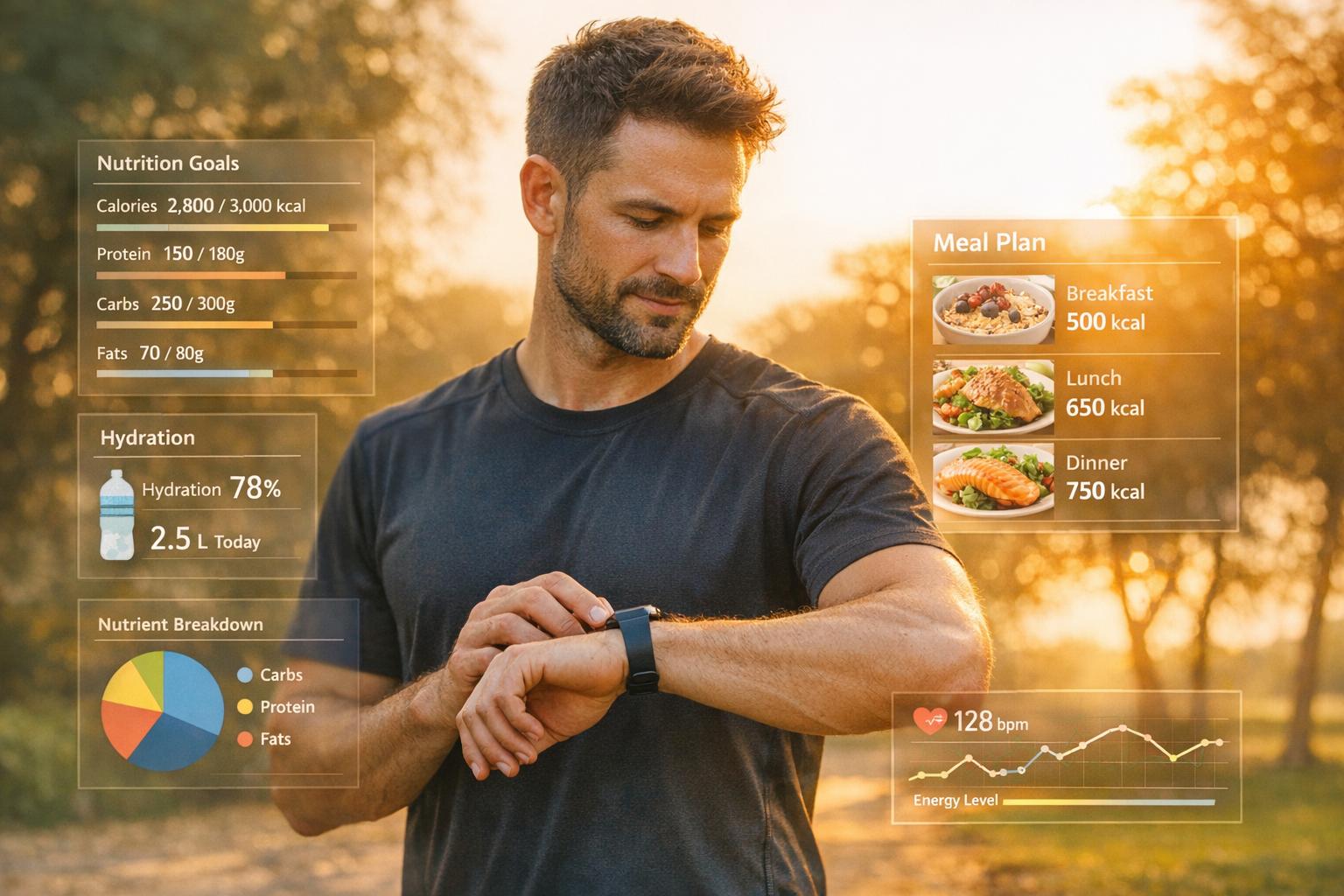
AI is transforming sports nutrition by offering tailored solutions for athletes. Tools like Healify, Hexis, and wearable-connected platforms integrate real-time data from devices like Apple Watch and Garmin to create personalized nutrition plans. These systems analyze metrics such as heart rate, sleep quality, and calorie expenditure to adjust macronutrient targets, hydration levels, and meal timing. AI even excels in areas like fluid requirement calculations, outperforming both athletes and dietitians in accuracy.
Key highlights:
Healify: Syncs with wearables to provide real-time nutrition advice, adjusting targets based on activity and biometrics.
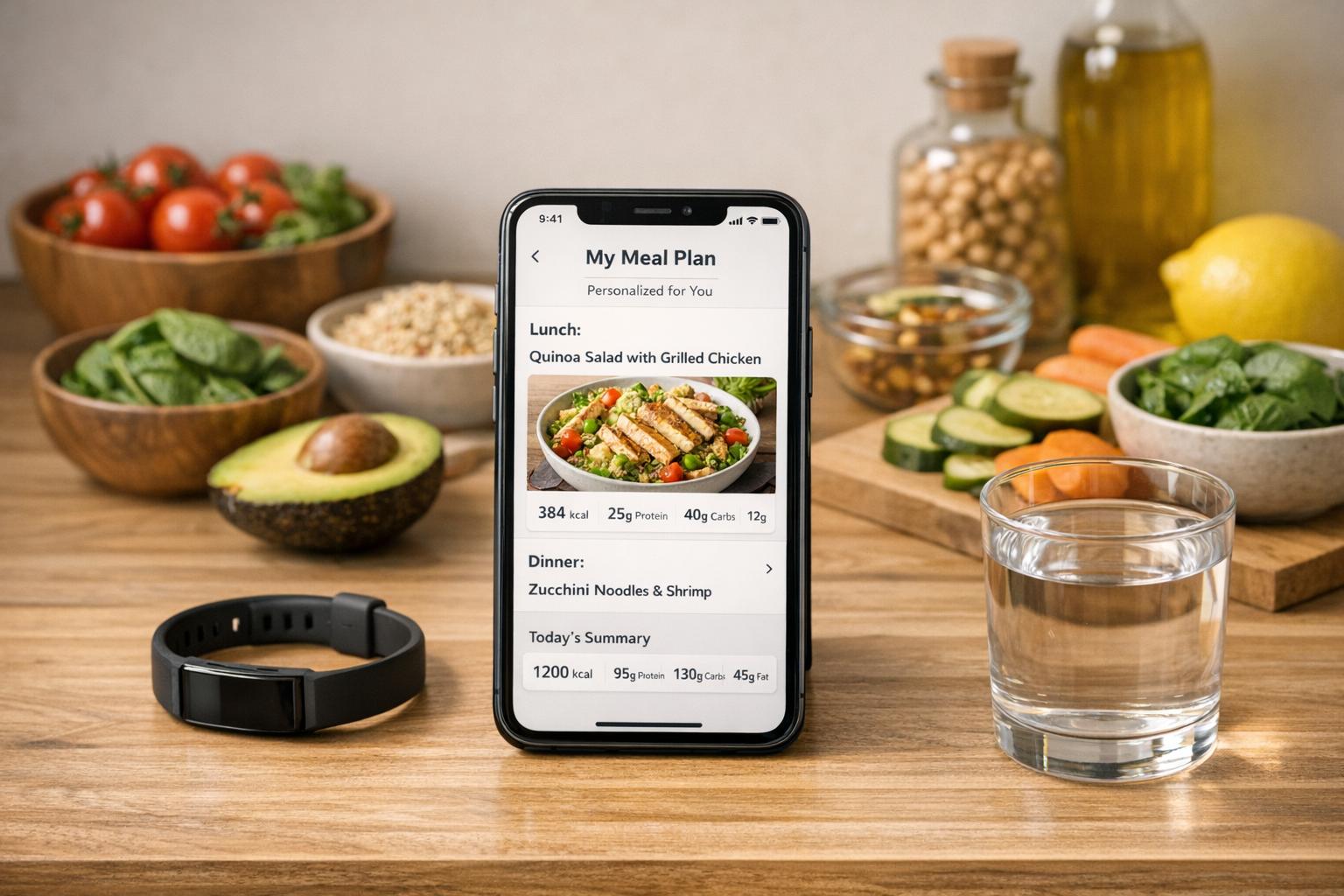
Meal Planning Tools: Use AI to predict nutritional needs and automate meal logging with image recognition.
Wearable Platforms: Combine data from multiple devices (e.g., CGMs, fitness trackers) for a holistic view of athletic performance.
These tools empower athletes to optimize performance with precision, but they complement - not replace - expert nutritionists. Whether you're a professional or recreational athlete, AI offers practical ways to refine your diet and recovery strategies.
Top 10 AI-Powered Nutrition Apps for Coaches & Personal Trainers [2024]
1. Healify
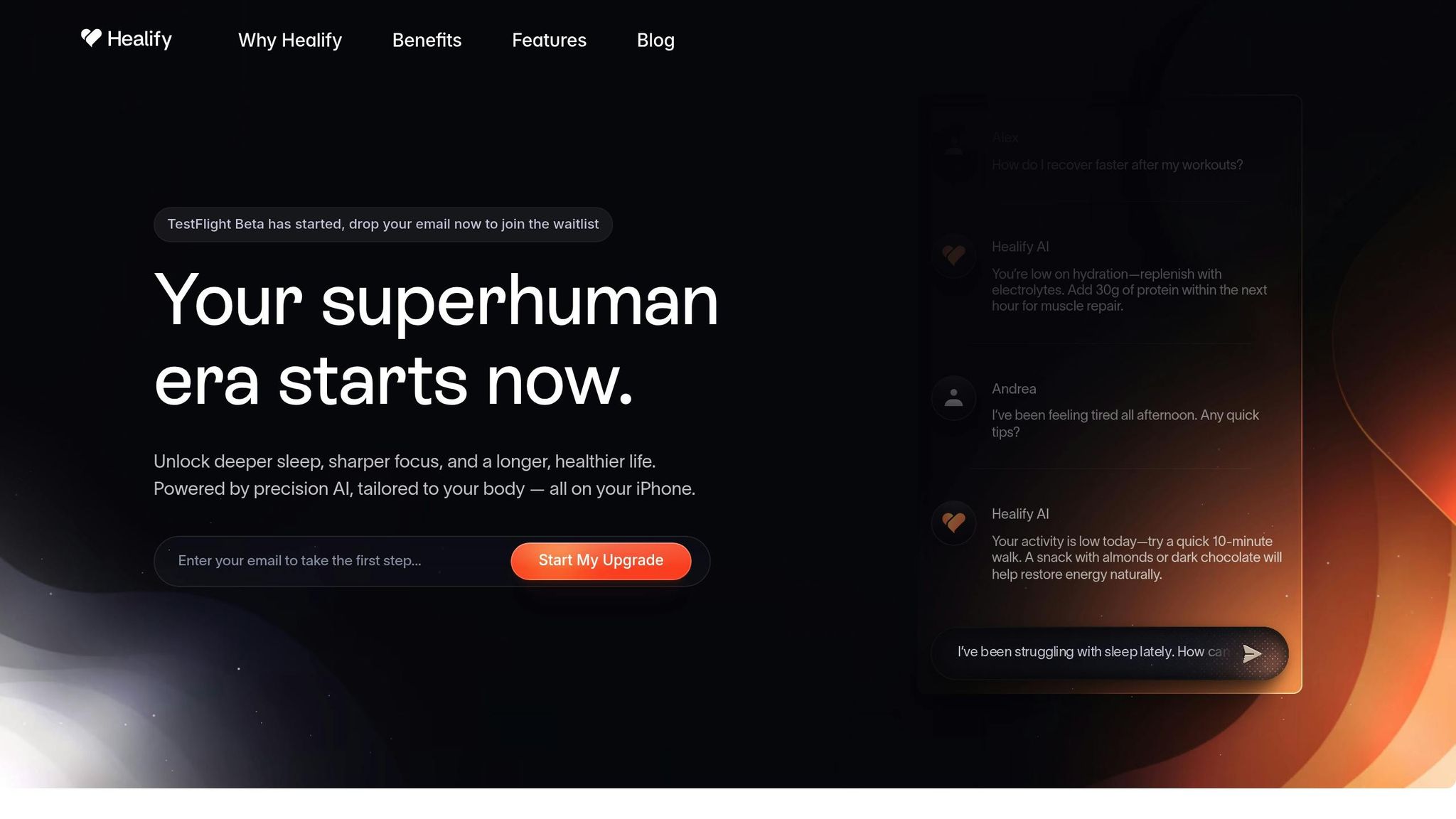
Healify is a health coaching app powered by AI, built specifically for iPhone users. It transforms health data into practical, real-time nutrition advice. By syncing with Apple Health and wearable devices, it creates a full picture of an athlete's physical condition and adjusts nutrition targets on the go to match performance goals.
Real-Time Data Integration
Healify pulls data from wearables, food logs, and biometric devices, including heart rate, steps, calories, blood glucose, weight, and blood pressure. This constant flow of information ensures that your profile stays in sync with your training demands. For example, if your activity level spikes, the app automatically increases calorie and macronutrient targets. On rest days, those targets adjust downward. This real-time feedback allows for personalized nutrition strategies tailored to your daily needs.
Personalized Nutrition Recommendations
The app’s AI coach, Anna, uses real-time data analysis to provide customized advice. Thanks to Natural Language Processing, Anna can recognize patterns like stress-related eating and suggest healthier options. If your biometrics indicate a blood sugar spike after a meal, Anna might recommend changing the timing of your meals or adding more fiber and protein next time. This dual focus on physical and behavioral factors ensures nutrition advice that fits your unique lifestyle and goals.
Dynamic Goal Setting
Healify's advice evolves as your needs change, offering a more flexible alternative to rigid, one-size-fits-all plans. For instance, after a workout, the app evaluates hydration levels and activity data to suggest recovery steps, such as replenishing electrolytes or increasing protein intake to aid muscle repair. This dynamic approach makes it easy to integrate personalized guidance into your daily routine.
User Accessibility
Healify is free to download on the Apple App Store following its private beta phase. It complies with HIPAA regulations in the U.S., using encryption and requiring explicit consent for all data collection. This commitment to privacy ensures your sensitive health information stays secure while enabling the in-depth analysis needed for effective nutrition and performance guidance.
2. AI Meal Planning Tools
AI meal planning tools have come a long way from basic calorie tracking. Now, they use advanced systems to predict nutritional needs based on upcoming physical demands. This proactive method ensures athletes are fueled before workouts, rather than playing catch-up afterward. While platforms like Healify focus on broader health coaching, these tools stand out by using real-time data to fine-tune nutrition, complementing the dynamic goal-setting strategies discussed earlier. Let’s dive into how these tools leverage real-time insights to sharpen nutritional planning.
Real-Time Data Integration
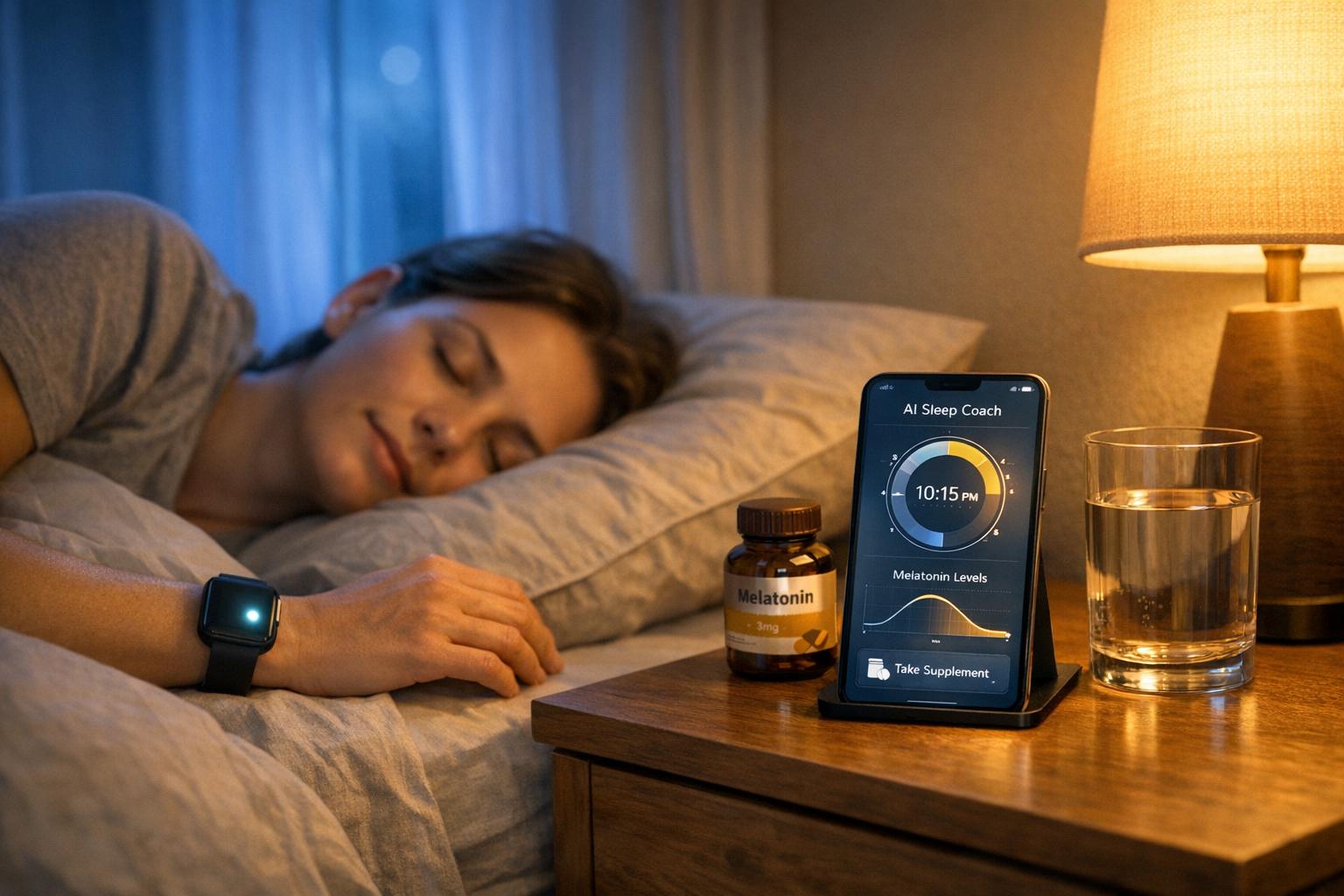
Modern AI tools seamlessly connect with wearables like WHOOP and Apple Health, pulling in real-time biometric data such as recovery scores, strain levels, sleep patterns, and calorie expenditure. For example, Hexis offers a "Live Energy" feature, while MacroShift uses machine learning to adjust nutritional targets instantly based on the data collected. This allows for a highly adaptive approach to meal planning.
Personalized Nutrition Recommendations
A 2024 ULTRA-Q study revealed that ChatGPT-4 achieved 93% accuracy in fluid management, outperforming ultra-endurance athletes by 20 percentage points and registered dietitians by 49 percentage points [3]. Some tools also integrate image recognition technology, enabling users to snap a photo of their meal. The AI then analyzes the image, identifying ingredients and portion sizes with precision.
Dynamic Goal Setting
"If, for example, this went from being a light session into a hard session, nutritional targets update instantly, as if guided by a personal nutritionist." - David Dunne, CEO, Hexis [2]
These tools adapt to changing conditions. For instance, high strain levels prompt increased refueling targets, while low recovery scores shift the focus toward balance and restoration. Hexis, which integrated with Apple Health in April 2023, has already attracted over 500 paid subscribers, including professional and Olympic athletes. Its ability to recalibrate macronutrient targets based on energy expenditure makes it a standout choice for athletes seeking precision.
User Accessibility
AI-powered meal planning apps for iOS and Android make the process easier than ever. Features like photo-based meal logging and automated grocery list creation reduce the hassle of tracking. By syncing with your primary health devices, the AI establishes a baseline for your metabolic health and activity levels, allowing for more tailored recommendations. This streamlined approach is paving the way for even more advanced wearable-connected nutrition solutions in the future.
3. Wearable-Connected Nutrition Platforms
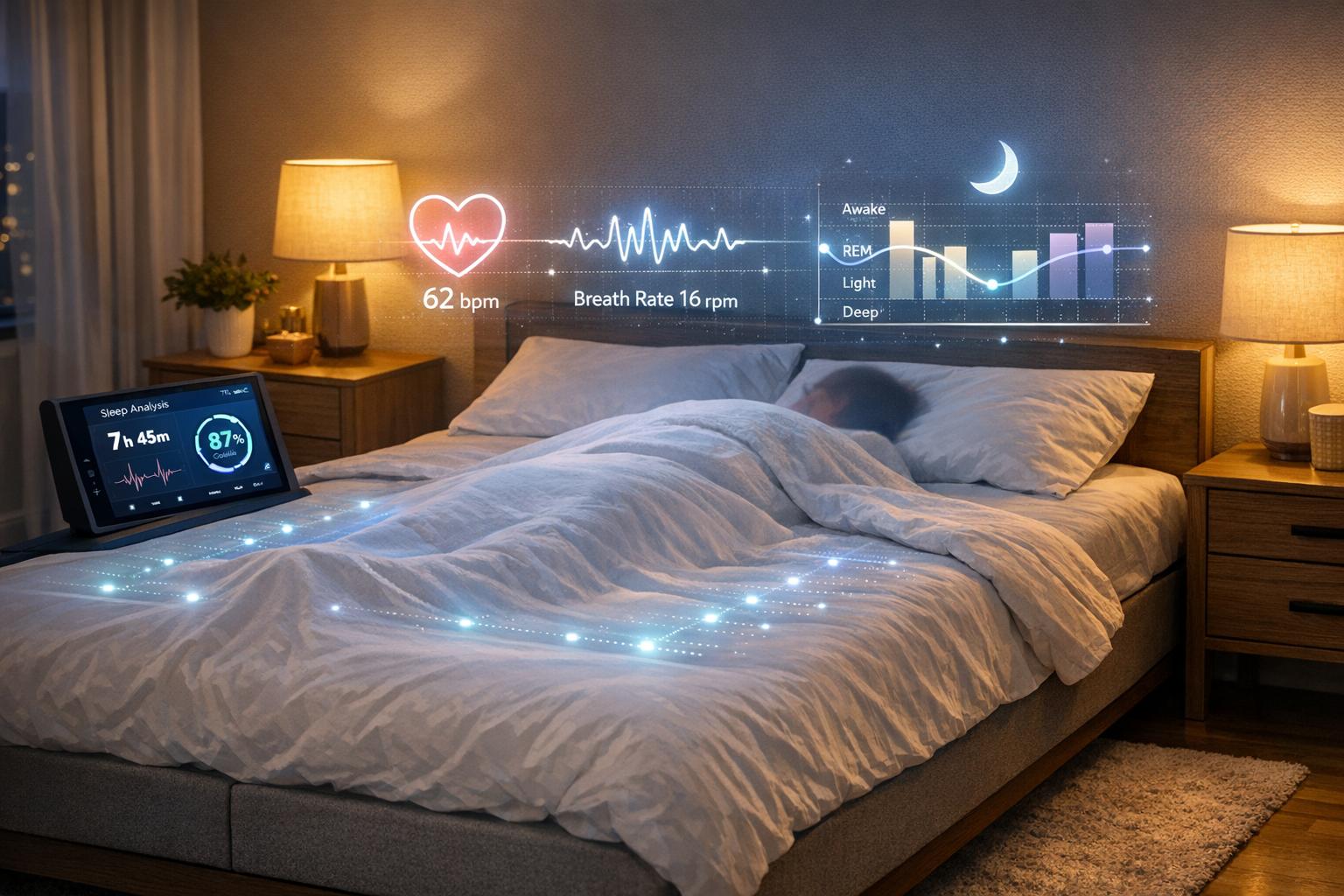
Wearable-connected nutrition platforms bring together data from various devices into one centralized dashboard. These platforms sync information from tools like smart scales, fitness rings, sleep trackers, and continuous glucose monitors (CGMs), creating a unified system. This integration allows athletes to uncover patterns across multiple metrics - something single-device systems simply can't provide. By building on earlier AI-driven meal planning tools, these platforms offer an even more cohesive view of health data.
Real-Time Data Integration
Platforms such as Body Byte and Calibrated Athlete stand out by combining data from multiple devices in real time, revealing connections between health metrics that might otherwise go unnoticed. For example, Calibrated Athlete offers plans starting at $10 per month for single-device syncing, with multi-device integration and AI insights available for $25 per month[7]. This multi-device approach provides a more detailed picture of how key metrics interact.
In May 2025, Oura took a significant step by integrating Dexcom Stelo CGM data into its app, backed by a $75 million investment. This integration introduced the "time above range" metric, which helps users maintain glucose levels within the 70–140 mg/dL range. Features like AI-powered meal logging and the Oura Advisor chatbot enhance the user experience[5]. The Dexcom Stelo CGM is available over the counter for $99, while Oura’s subscription costs around $5 per month, granting access to exclusive reports and AI-driven tools[5].
Personalized Nutrition Recommendations
With the rich data these platforms gather, users receive tailored AI health coaching and dietary advice in real time. The systems analyze biometric feedback to suggest specific changes. For instance, if your CGM detects a glucose spike after breakfast, the AI might recommend adding protein or fiber to your meal to stabilize future responses[6].
"Nutrition determines what you can do. Calories, macros, and timing directly affect performance, recovery, and long-term healthspan." – Pivot[4]
User Accessibility
To make tracking easier, these platforms often include photo-based logging. Instead of manually entering every detail of a meal, users can simply snap a photo, and AI estimates portion sizes. Research shows this method is highly reliable (ICC = 0.81) and can identify up to 20% of errors in traditional three-day food records[8].
Strengths and Weaknesses
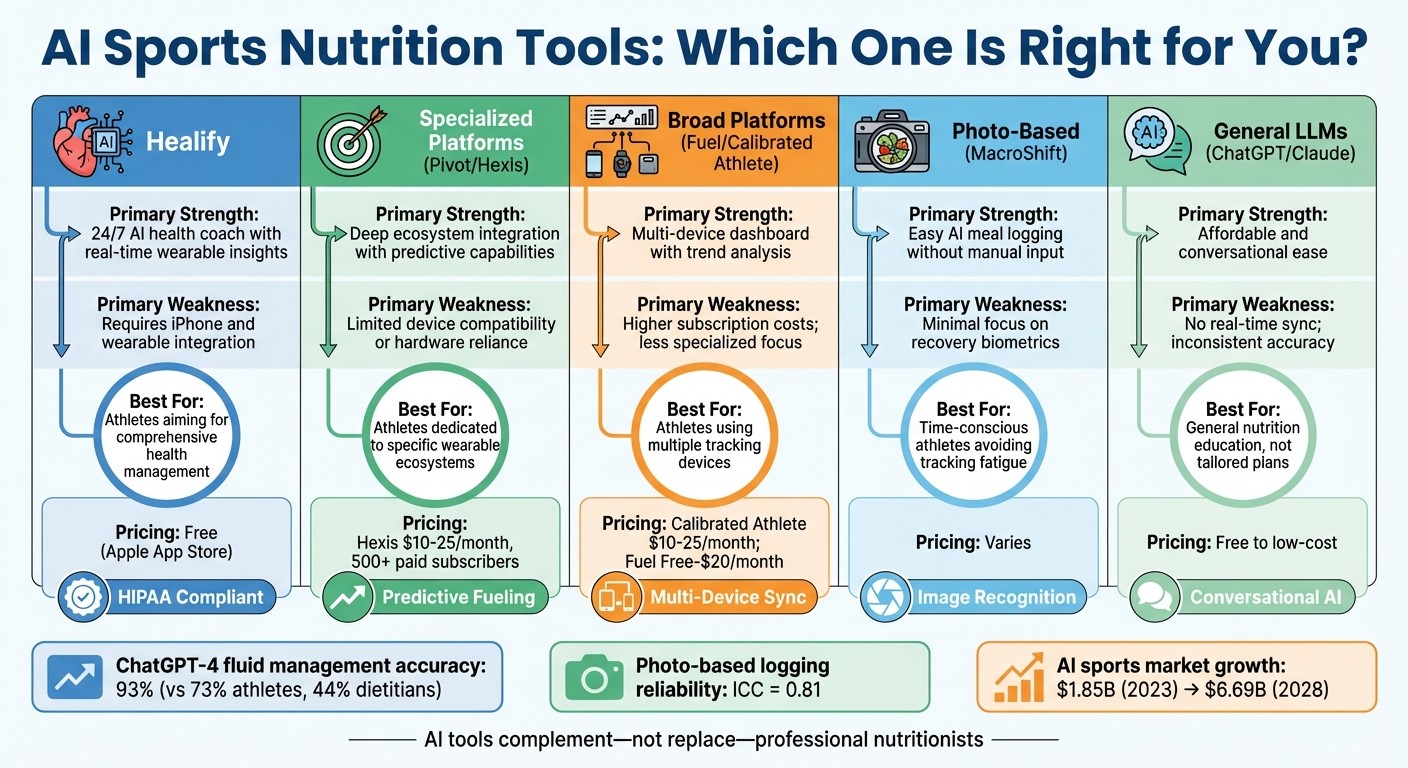
AI Sports Nutrition Tools Comparison: Features, Pricing, and Best Use Cases
AI-powered tools come with their own strengths and limitations, which often depend on your hardware setup, technical preferences, and whether you value real-time data integration or broad data aggregation more.
Specialized platforms like Pivot and Hexis shine when it comes to integrating deeply within specific ecosystems. For instance, Pivot connects exclusively to WHOOP, recalculating macro targets based on strain and recovery scores to deliver a Daily Nutritional Wellness (DNW) Score. Hexis, on the other hand, avoids machine learning in its physiology engine, ensuring it doesn’t adapt based on potential biochemical errors. These tools cater to users who want a tailored experience within a specific ecosystem.
Broad integration platforms like Fuel and Calibrated Athlete act as "performance dashboards", combining data from multiple devices like Apple Health, Garmin, and WHOOP. Calibrated Athlete’s Elite plan ($25/month) enables AI coaching and supports up to three devices, making it ideal for athletes tracking trends across various gadgets. However, these platforms can be pricey - unlocking full AI features often requires a higher-tier subscription. Fuel offers a free version and a $20/month Pro tier, but its broader focus might not provide the specialized depth some athletes need for niche training goals.
For those looking for conversational tools, general AI chatbots like ChatGPT and Claude are accessible and user-friendly. However, they lack precision and real-time data integration. Researcher Solomon TPJ observed that their accuracy can be inconsistent across models[1]. Without syncing to wearables, these chatbots rely on manual data entry and static information, making them better suited for general learning rather than detailed performance planning.
Tool Category | Primary Strength | Primary Weakness | Best For |
|---|---|---|---|
Healify | 24/7 AI health coach with real-time wearable insights | Requires iPhone and wearable integration | Athletes aiming for comprehensive health management |
Specialized (Pivot/Hexis) | Deep ecosystem integration with predictive capabilities | Limited device compatibility or hardware reliance | Athletes dedicated to specific wearable ecosystems |
Broad Platforms (Fuel/Calibrated) | Multi-device dashboard with trend analysis | Higher subscription costs; less specialized focus | Athletes using multiple tracking devices |
Photo-Based (MacroShift) | Easy AI meal logging without manual input | Minimal focus on recovery biometrics | Time-conscious athletes avoiding tracking fatigue |
General LLMs | Affordable and conversational ease | No real-time sync; inconsistent accuracy[1] | General nutrition education, not tailored plans |
Each tool has its place, whether you're looking for a highly specialized system, a broad data aggregator, or a conversational assistant. Ultimately, the right choice depends on your specific goals and how much you're willing to invest in precision and integration.
Conclusion
Choosing the right AI nutrition tool depends on your training style and the data you have access to. For elite or endurance athletes, tools with predictive fueling capabilities can be a game-changer, especially for planning pre-workout nutrition. Recent research highlights the impressive accuracy of AI in sports nutrition, making it a valuable resource for optimizing performance. If you're looking for a more comprehensive approach, Healify stands out by combining real-time wearable data, biometrics, and lifestyle factors into a cohesive action plan. Meanwhile, Anna, the 24/7 AI health coach, simplifies complex metrics into actionable advice for managing stress, improving sleep, preventing injuries, and refining nutrition strategies. These tools bring advanced sports nutrition techniques into the realm of everyday fitness.
For recreational athletes or those just starting out, simpler AI tools that focus on motivation and basic meal planning are often sufficient. Importantly, AI should complement - not replace - the expertise of professional nutritionists. As Nicola Luigi Bragazzi wisely stated:
"AI-generated insights could be integrated with expert human judgment for effective athlete performance optimization" [3].
Tools like Healify demonstrate how dynamic data integration can empower athletes at every level. With the AI in sports market expected to grow from $1.85 billion in 2023 to $6.69 billion by 2028 [9], it's clear that these tools are becoming essential. Whether you're fine-tuning your carb intake for a marathon or simply aiming to eat better, AI-powered solutions like Healify bring expertise once reserved for elite teams directly to your smartphone.
FAQs
How does AI enhance nutrition plans for athletes?
AI is transforming sports nutrition by leveraging data from wearables, biometrics, and activity trackers. It dives into details like heart rate, sleep patterns, and workout intensity to craft customized nutrition plans that align with an athlete's individual requirements.
What's more, these plans are flexible, adapting in real time to provide meal and macronutrient suggestions that match the demands of specific training sessions. This way, athletes are fueled efficiently, boosting both performance and recovery when it matters most.
What data does Healify use to provide personalized nutrition advice?
Healify taps into a variety of data sources to craft personalized nutrition advice. It pulls information from wearables, tracking metrics like heart rate, heart rate variability (HRV), sleep patterns, and activity levels. On top of that, it analyzes biometric data, such as blood oxygen levels and cortisol levels.
But that’s not all - it also factors in blood test results, medical records, and lifestyle details you provide manually. This includes things like food logs, meal timing, portion sizes, and even indicators of stress or mood.
By weaving all these elements together, Healify offers tailored recommendations designed to help you fine-tune your nutrition and enhance your overall health.
Can AI tools fully replace sports nutritionists for athletes?
AI tools in sports nutrition provide tailored, data-based insights by analyzing factors such as biometrics, wearable device data, and individual lifestyle habits. They assist athletes in setting realistic goals, tracking progress, and fine-tuning their performance strategies over time.
That said, these tools are not a substitute for the knowledge and judgment of professional nutritionists. Experts bring a deeper understanding of elements like medical history, intricate dietary requirements, and emotional health - areas where human insight is indispensable. Instead, AI tools act as a helpful addition, offering practical recommendations that are most effective when paired with expert guidance.
Related Blog Posts
AI is transforming sports nutrition by offering tailored solutions for athletes. Tools like Healify, Hexis, and wearable-connected platforms integrate real-time data from devices like Apple Watch and Garmin to create personalized nutrition plans. These systems analyze metrics such as heart rate, sleep quality, and calorie expenditure to adjust macronutrient targets, hydration levels, and meal timing. AI even excels in areas like fluid requirement calculations, outperforming both athletes and dietitians in accuracy.
Key highlights:
Healify: Syncs with wearables to provide real-time nutrition advice, adjusting targets based on activity and biometrics.
Meal Planning Tools: Use AI to predict nutritional needs and automate meal logging with image recognition.
Wearable Platforms: Combine data from multiple devices (e.g., CGMs, fitness trackers) for a holistic view of athletic performance.
These tools empower athletes to optimize performance with precision, but they complement - not replace - expert nutritionists. Whether you're a professional or recreational athlete, AI offers practical ways to refine your diet and recovery strategies.
Top 10 AI-Powered Nutrition Apps for Coaches & Personal Trainers [2024]
1. Healify
Healify is a health coaching app powered by AI, built specifically for iPhone users. It transforms health data into practical, real-time nutrition advice. By syncing with Apple Health and wearable devices, it creates a full picture of an athlete's physical condition and adjusts nutrition targets on the go to match performance goals.
Real-Time Data Integration
Healify pulls data from wearables, food logs, and biometric devices, including heart rate, steps, calories, blood glucose, weight, and blood pressure. This constant flow of information ensures that your profile stays in sync with your training demands. For example, if your activity level spikes, the app automatically increases calorie and macronutrient targets. On rest days, those targets adjust downward. This real-time feedback allows for personalized nutrition strategies tailored to your daily needs.
Personalized Nutrition Recommendations
The app’s AI coach, Anna, uses real-time data analysis to provide customized advice. Thanks to Natural Language Processing, Anna can recognize patterns like stress-related eating and suggest healthier options. If your biometrics indicate a blood sugar spike after a meal, Anna might recommend changing the timing of your meals or adding more fiber and protein next time. This dual focus on physical and behavioral factors ensures nutrition advice that fits your unique lifestyle and goals.
Dynamic Goal Setting
Healify's advice evolves as your needs change, offering a more flexible alternative to rigid, one-size-fits-all plans. For instance, after a workout, the app evaluates hydration levels and activity data to suggest recovery steps, such as replenishing electrolytes or increasing protein intake to aid muscle repair. This dynamic approach makes it easy to integrate personalized guidance into your daily routine.
User Accessibility
Healify is free to download on the Apple App Store following its private beta phase. It complies with HIPAA regulations in the U.S., using encryption and requiring explicit consent for all data collection. This commitment to privacy ensures your sensitive health information stays secure while enabling the in-depth analysis needed for effective nutrition and performance guidance.
2. AI Meal Planning Tools
AI meal planning tools have come a long way from basic calorie tracking. Now, they use advanced systems to predict nutritional needs based on upcoming physical demands. This proactive method ensures athletes are fueled before workouts, rather than playing catch-up afterward. While platforms like Healify focus on broader health coaching, these tools stand out by using real-time data to fine-tune nutrition, complementing the dynamic goal-setting strategies discussed earlier. Let’s dive into how these tools leverage real-time insights to sharpen nutritional planning.
Real-Time Data Integration
Modern AI tools seamlessly connect with wearables like WHOOP and Apple Health, pulling in real-time biometric data such as recovery scores, strain levels, sleep patterns, and calorie expenditure. For example, Hexis offers a "Live Energy" feature, while MacroShift uses machine learning to adjust nutritional targets instantly based on the data collected. This allows for a highly adaptive approach to meal planning.
Personalized Nutrition Recommendations
A 2024 ULTRA-Q study revealed that ChatGPT-4 achieved 93% accuracy in fluid management, outperforming ultra-endurance athletes by 20 percentage points and registered dietitians by 49 percentage points [3]. Some tools also integrate image recognition technology, enabling users to snap a photo of their meal. The AI then analyzes the image, identifying ingredients and portion sizes with precision.
Dynamic Goal Setting
"If, for example, this went from being a light session into a hard session, nutritional targets update instantly, as if guided by a personal nutritionist." - David Dunne, CEO, Hexis [2]
These tools adapt to changing conditions. For instance, high strain levels prompt increased refueling targets, while low recovery scores shift the focus toward balance and restoration. Hexis, which integrated with Apple Health in April 2023, has already attracted over 500 paid subscribers, including professional and Olympic athletes. Its ability to recalibrate macronutrient targets based on energy expenditure makes it a standout choice for athletes seeking precision.
User Accessibility
AI-powered meal planning apps for iOS and Android make the process easier than ever. Features like photo-based meal logging and automated grocery list creation reduce the hassle of tracking. By syncing with your primary health devices, the AI establishes a baseline for your metabolic health and activity levels, allowing for more tailored recommendations. This streamlined approach is paving the way for even more advanced wearable-connected nutrition solutions in the future.
3. Wearable-Connected Nutrition Platforms
Wearable-connected nutrition platforms bring together data from various devices into one centralized dashboard. These platforms sync information from tools like smart scales, fitness rings, sleep trackers, and continuous glucose monitors (CGMs), creating a unified system. This integration allows athletes to uncover patterns across multiple metrics - something single-device systems simply can't provide. By building on earlier AI-driven meal planning tools, these platforms offer an even more cohesive view of health data.
Real-Time Data Integration
Platforms such as Body Byte and Calibrated Athlete stand out by combining data from multiple devices in real time, revealing connections between health metrics that might otherwise go unnoticed. For example, Calibrated Athlete offers plans starting at $10 per month for single-device syncing, with multi-device integration and AI insights available for $25 per month[7]. This multi-device approach provides a more detailed picture of how key metrics interact.
In May 2025, Oura took a significant step by integrating Dexcom Stelo CGM data into its app, backed by a $75 million investment. This integration introduced the "time above range" metric, which helps users maintain glucose levels within the 70–140 mg/dL range. Features like AI-powered meal logging and the Oura Advisor chatbot enhance the user experience[5]. The Dexcom Stelo CGM is available over the counter for $99, while Oura’s subscription costs around $5 per month, granting access to exclusive reports and AI-driven tools[5].
Personalized Nutrition Recommendations
With the rich data these platforms gather, users receive tailored AI health coaching and dietary advice in real time. The systems analyze biometric feedback to suggest specific changes. For instance, if your CGM detects a glucose spike after breakfast, the AI might recommend adding protein or fiber to your meal to stabilize future responses[6].
"Nutrition determines what you can do. Calories, macros, and timing directly affect performance, recovery, and long-term healthspan." – Pivot[4]
User Accessibility
To make tracking easier, these platforms often include photo-based logging. Instead of manually entering every detail of a meal, users can simply snap a photo, and AI estimates portion sizes. Research shows this method is highly reliable (ICC = 0.81) and can identify up to 20% of errors in traditional three-day food records[8].
Strengths and Weaknesses
AI Sports Nutrition Tools Comparison: Features, Pricing, and Best Use Cases
AI-powered tools come with their own strengths and limitations, which often depend on your hardware setup, technical preferences, and whether you value real-time data integration or broad data aggregation more.
Specialized platforms like Pivot and Hexis shine when it comes to integrating deeply within specific ecosystems. For instance, Pivot connects exclusively to WHOOP, recalculating macro targets based on strain and recovery scores to deliver a Daily Nutritional Wellness (DNW) Score. Hexis, on the other hand, avoids machine learning in its physiology engine, ensuring it doesn’t adapt based on potential biochemical errors. These tools cater to users who want a tailored experience within a specific ecosystem.
Broad integration platforms like Fuel and Calibrated Athlete act as "performance dashboards", combining data from multiple devices like Apple Health, Garmin, and WHOOP. Calibrated Athlete’s Elite plan ($25/month) enables AI coaching and supports up to three devices, making it ideal for athletes tracking trends across various gadgets. However, these platforms can be pricey - unlocking full AI features often requires a higher-tier subscription. Fuel offers a free version and a $20/month Pro tier, but its broader focus might not provide the specialized depth some athletes need for niche training goals.
For those looking for conversational tools, general AI chatbots like ChatGPT and Claude are accessible and user-friendly. However, they lack precision and real-time data integration. Researcher Solomon TPJ observed that their accuracy can be inconsistent across models[1]. Without syncing to wearables, these chatbots rely on manual data entry and static information, making them better suited for general learning rather than detailed performance planning.
Tool Category | Primary Strength | Primary Weakness | Best For |
|---|---|---|---|
Healify | 24/7 AI health coach with real-time wearable insights | Requires iPhone and wearable integration | Athletes aiming for comprehensive health management |
Specialized (Pivot/Hexis) | Deep ecosystem integration with predictive capabilities | Limited device compatibility or hardware reliance | Athletes dedicated to specific wearable ecosystems |
Broad Platforms (Fuel/Calibrated) | Multi-device dashboard with trend analysis | Higher subscription costs; less specialized focus | Athletes using multiple tracking devices |
Photo-Based (MacroShift) | Easy AI meal logging without manual input | Minimal focus on recovery biometrics | Time-conscious athletes avoiding tracking fatigue |
General LLMs | Affordable and conversational ease | No real-time sync; inconsistent accuracy[1] | General nutrition education, not tailored plans |
Each tool has its place, whether you're looking for a highly specialized system, a broad data aggregator, or a conversational assistant. Ultimately, the right choice depends on your specific goals and how much you're willing to invest in precision and integration.
Conclusion
Choosing the right AI nutrition tool depends on your training style and the data you have access to. For elite or endurance athletes, tools with predictive fueling capabilities can be a game-changer, especially for planning pre-workout nutrition. Recent research highlights the impressive accuracy of AI in sports nutrition, making it a valuable resource for optimizing performance. If you're looking for a more comprehensive approach, Healify stands out by combining real-time wearable data, biometrics, and lifestyle factors into a cohesive action plan. Meanwhile, Anna, the 24/7 AI health coach, simplifies complex metrics into actionable advice for managing stress, improving sleep, preventing injuries, and refining nutrition strategies. These tools bring advanced sports nutrition techniques into the realm of everyday fitness.
For recreational athletes or those just starting out, simpler AI tools that focus on motivation and basic meal planning are often sufficient. Importantly, AI should complement - not replace - the expertise of professional nutritionists. As Nicola Luigi Bragazzi wisely stated:
"AI-generated insights could be integrated with expert human judgment for effective athlete performance optimization" [3].
Tools like Healify demonstrate how dynamic data integration can empower athletes at every level. With the AI in sports market expected to grow from $1.85 billion in 2023 to $6.69 billion by 2028 [9], it's clear that these tools are becoming essential. Whether you're fine-tuning your carb intake for a marathon or simply aiming to eat better, AI-powered solutions like Healify bring expertise once reserved for elite teams directly to your smartphone.
FAQs
How does AI enhance nutrition plans for athletes?
AI is transforming sports nutrition by leveraging data from wearables, biometrics, and activity trackers. It dives into details like heart rate, sleep patterns, and workout intensity to craft customized nutrition plans that align with an athlete's individual requirements.
What's more, these plans are flexible, adapting in real time to provide meal and macronutrient suggestions that match the demands of specific training sessions. This way, athletes are fueled efficiently, boosting both performance and recovery when it matters most.
What data does Healify use to provide personalized nutrition advice?
Healify taps into a variety of data sources to craft personalized nutrition advice. It pulls information from wearables, tracking metrics like heart rate, heart rate variability (HRV), sleep patterns, and activity levels. On top of that, it analyzes biometric data, such as blood oxygen levels and cortisol levels.
But that’s not all - it also factors in blood test results, medical records, and lifestyle details you provide manually. This includes things like food logs, meal timing, portion sizes, and even indicators of stress or mood.
By weaving all these elements together, Healify offers tailored recommendations designed to help you fine-tune your nutrition and enhance your overall health.
Can AI tools fully replace sports nutritionists for athletes?
AI tools in sports nutrition provide tailored, data-based insights by analyzing factors such as biometrics, wearable device data, and individual lifestyle habits. They assist athletes in setting realistic goals, tracking progress, and fine-tuning their performance strategies over time.
That said, these tools are not a substitute for the knowledge and judgment of professional nutritionists. Experts bring a deeper understanding of elements like medical history, intricate dietary requirements, and emotional health - areas where human insight is indispensable. Instead, AI tools act as a helpful addition, offering practical recommendations that are most effective when paired with expert guidance.
Related Blog Posts

Endlich die Kontrolle über Ihre Gesundheit übernehmen

Endlich die Kontrolle über Ihre Gesundheit übernehmen
Endlich die Kontrolle über Ihre Gesundheit übernehmen