Improve your health
Improve your health
Improve your health
11. November 2025
AI Stress Tracking: Workplace Wellness Benefits
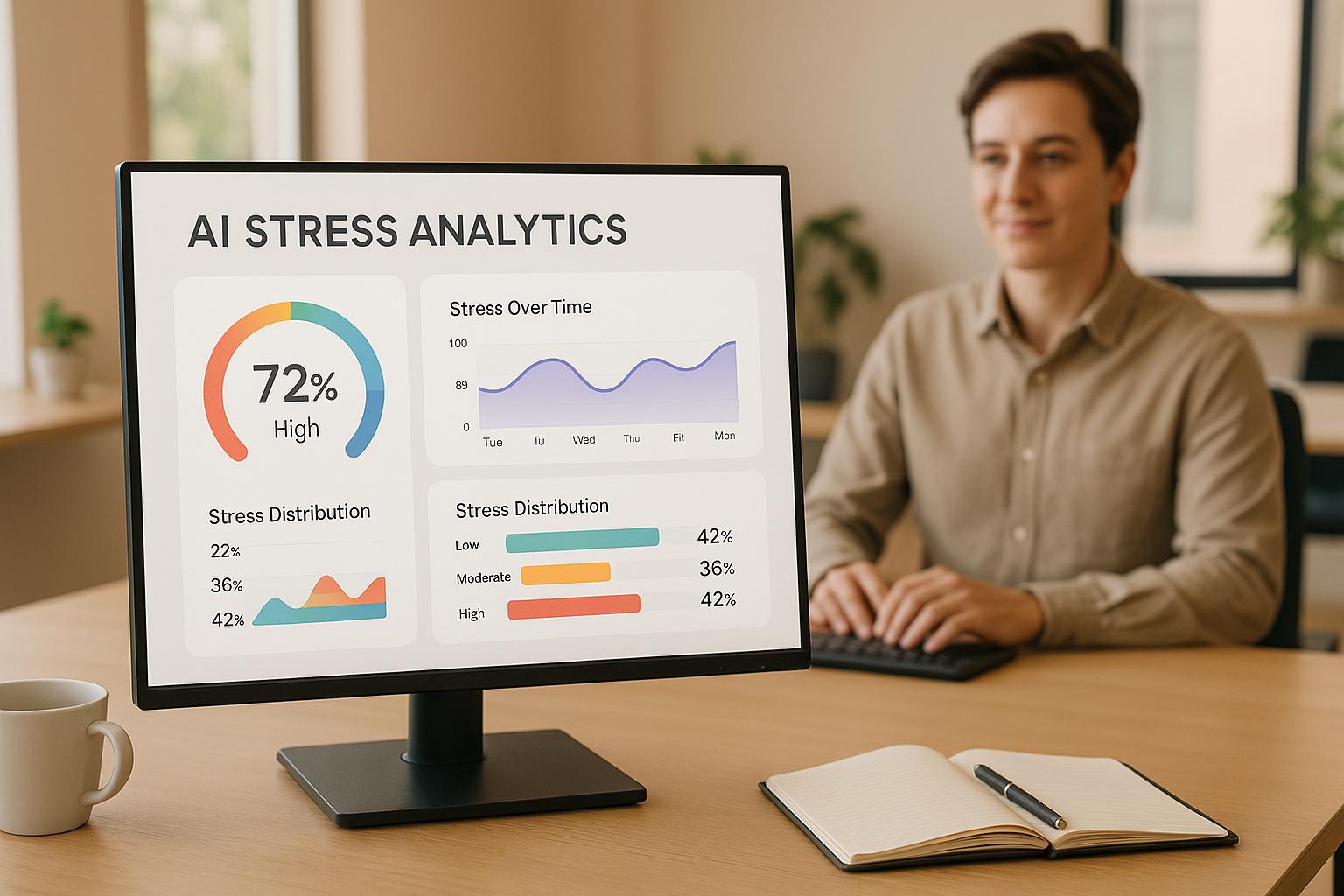
Workplace stress is a growing problem, impacting both employee health and company performance. AI stress tracking offers a modern solution by using wearable devices and biometric data to monitor stress in real time, providing personalized support when it’s needed most. Here’s why it matters:
83% of U.S. workers report work-related stress, costing businesses over $300 billion annually in lost productivity and healthcare expenses.
Traditional wellness programs often fail to address stress effectively due to their lack of immediacy and personalization.
AI-powered tools like Healifyanalyze heart rate, sleep patterns, and communication habits to detect stress early and offer practical interventions, such as breathing exercises or rest recommendations.
Results: Companies using AI stress tracking have reported a 25% reduction in sick days and a 41% decrease in stress levels, while employees experience improved health and job satisfaction. These tools also maintain privacy by anonymizing data and complying with regulations like HIPAA.
Takeaway: AI stress tracking is reshaping workplace wellness, helping employees manage stress proactively while boosting organizational productivity and morale.
Will AI Reduce Productivity Stress Or Make It Worse? - The Time Management Pro
How AI Stress Tracking Technology Works
AI stress tracking is changing how workplaces approach stress management by combining physiological and behavioral data with advanced analysis to detect early signs of stress. Here’s how biometric data collection and AI analysis work together to monitor stress in real time.
Biometric Data Collection for Stress Detection
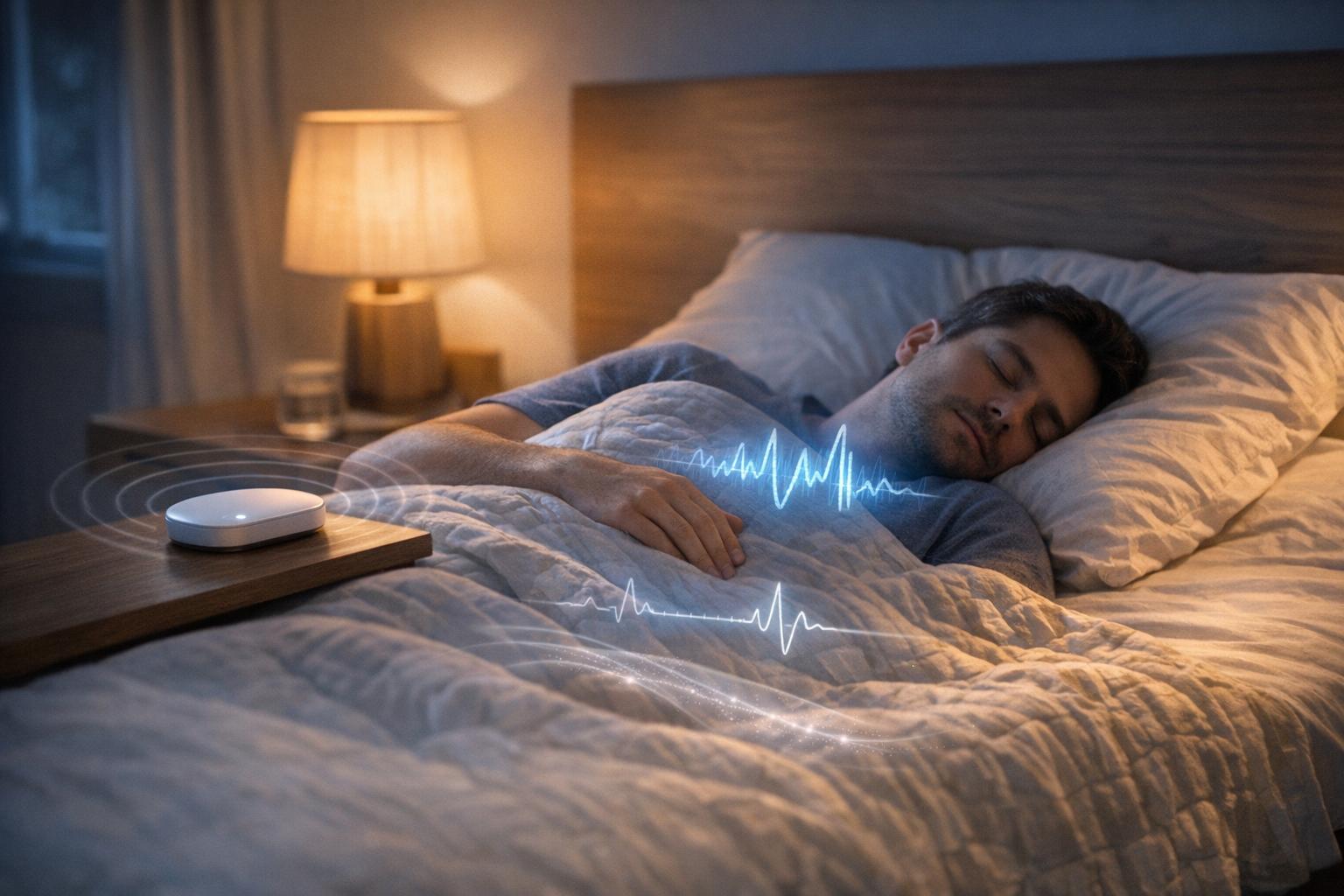
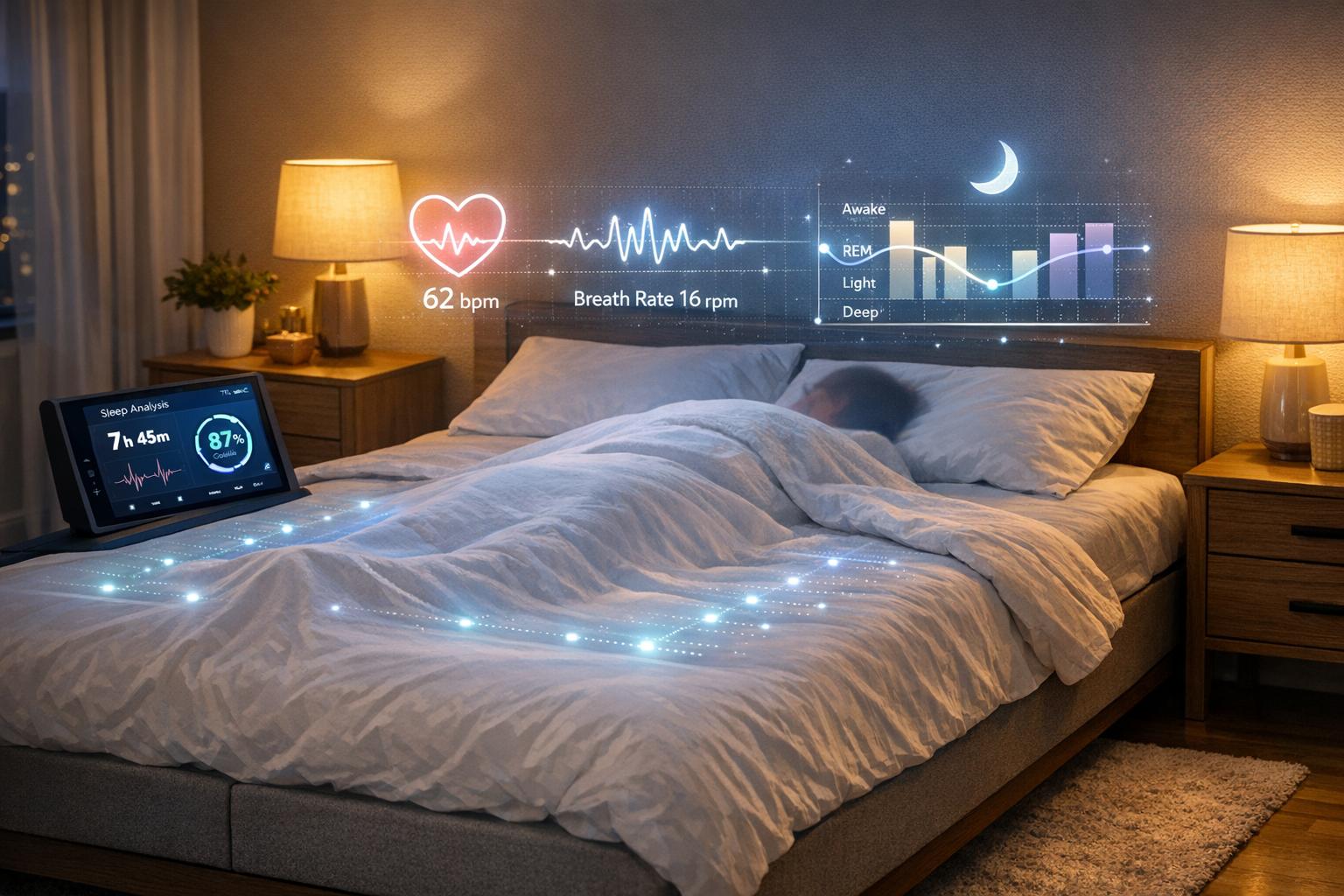
This technology relies on wearables and sensors to track key indicators like heart rate variability (HRV), sleep quality, and activity levels. HRV, for example, is a strong stress marker - when stress levels rise, the natural variation between heartbeats tends to drop. Devices like smartwatches and fitness trackers monitor HRV continuously, providing a steady stream of data.
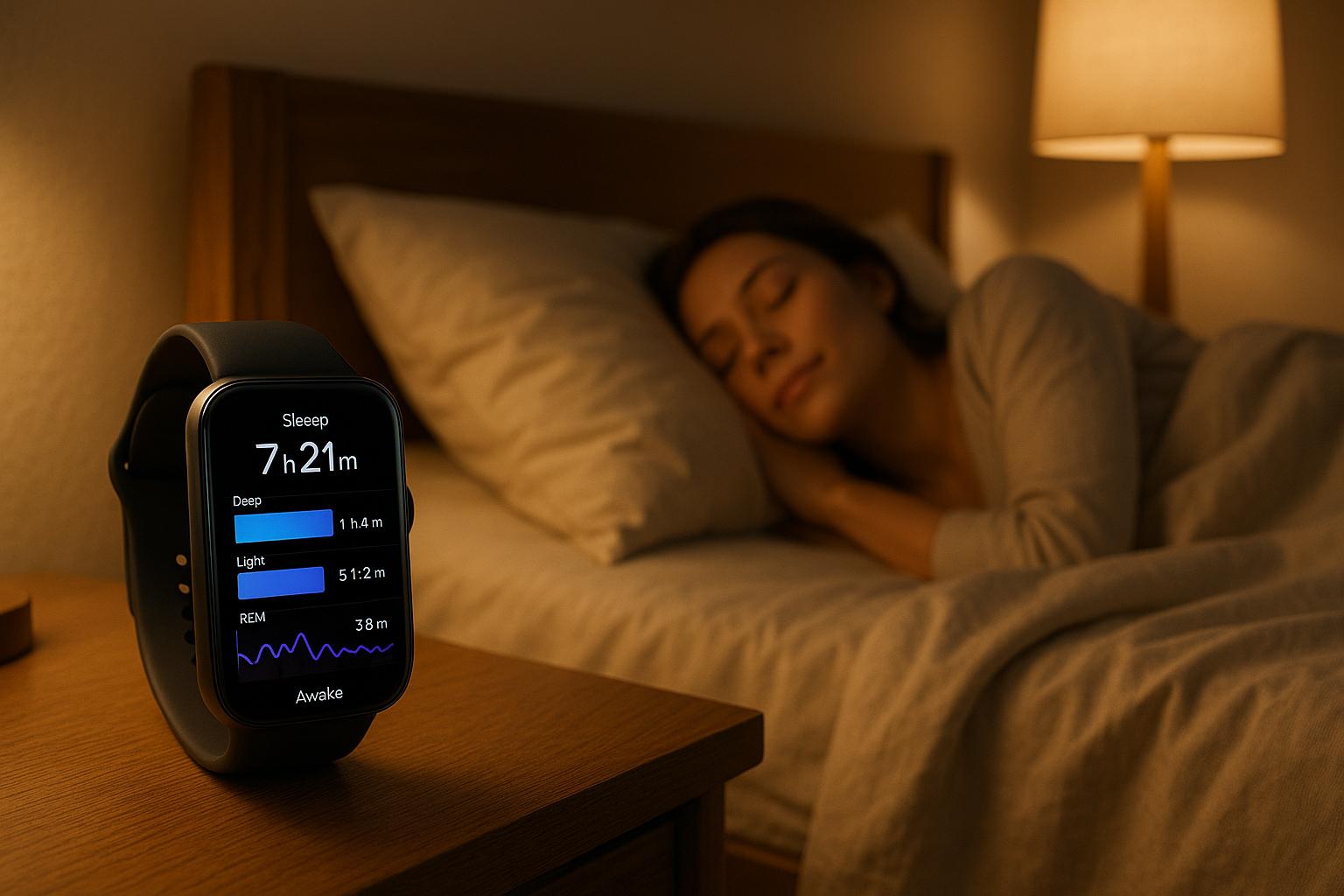
Sleep data is another vital piece of the puzzle. Poor sleep quality, frequent wake-ups, or changes in sleep duration can signal rising stress, often before you consciously notice it. Similarly, significant drops in physical activity could point to stress-related fatigue.
Some systems also analyze voice patterns and digital communication habits. For example, if your usual tone becomes more abrupt or negative, the AI might flag this shift as a sign of emotional strain.
Platforms like Healify take it further by integrating wearable data, biometric readings, bloodwork results, and lifestyle habits to create a comprehensive stress profile. If concerning trends emerge - like a spike in cortisol or low blood oxygen levels - the system sends personalized, actionable alerts to help you manage stress effectively.
AI Data Analysis and Real-Time Alerts
Once gathered, the data is processed by AI to provide timely insights. Over time, the system learns your unique baseline, understanding what’s typical for your body and daily habits. If multiple factors - like a higher heart rate during meetings combined with poor sleep - fall outside your norm, the AI can detect stress before it becomes overwhelming.
Real-time analysis sets these systems apart. For instance, if your smartwatch notices a rising heart rate during a tense phone call, the AI might suggest a quick breathing exercise or recommend taking a short break. This instant feedback helps you address stress as it happens, preventing it from snowballing throughout the day.
The AI also refines its predictions over time. It identifies patterns, such as which situations trigger stress and which coping strategies work best for you, ensuring that its recommendations become increasingly tailored to your needs.
Research indicates that AI-driven stress tracking can boost employee engagement by 23% and increase organizational profitability by 21% for companies that adopt these tools[2].
Unlike traditional stress assessments, which offer only a snapshot, AI stress tracking provides continuous monitoring throughout your day. This allows it to spot trends, like gradual stress buildup or moments when you’re particularly susceptible.
To address privacy concerns, these systems anonymize and aggregate data, ensuring that insights remain secure and confidential.
Benefits of AI Stress Tracking in the Workplace
AI stress tracking is reshaping workplace wellness by offering measurable benefits for both employees and organizations. These advancements lead to healthier, more satisfied employees and a more productive work environment.
Better Employee Health and Increased Job Satisfaction
AI-driven wellness programs focus on continuous monitoring and personalized interventions, which adapt to each employee's stress patterns. The impact is clear: companies using these programs have reported a 25% drop in sick days, a 64% greater reduction in depression symptoms compared to traditional methods, a 41% decrease in stress levels, and a 23% boost in employee engagement, alongside a 21% increase in profitability[1][2][3]. By tailoring guidance based on real-time physiological data and individual work habits, these systems enhance both physical health and overall job satisfaction. Moreover, they address acute stress immediately, preventing it from escalating into larger health issues.
Real-Time Stress Alerts and Tailored Support
One standout feature of AI stress tracking is its ability to provide real-time interventions, something traditional wellness programs often lack. When stress spikes - whether during a high-pressure meeting or looming deadlines - the system detects it instantly. For example, a smartwatch might notice an elevated heart rate during a tense phone call and suggest a calming breathing exercise or recommend rescheduling a follow-up meeting to help the employee recover.
Healify’s system exemplifies this approach, analyzing data from wearables, biometrics, bloodwork, and lifestyle habits to deliver immediate, personalized alerts. Its AI health coach is available 24/7, offering tailored advice to help employees manage stress and identify potential health risks early. Interestingly, 68% of employees prefer interacting with AI systems over discussing stress with a manager, and 80% are open to AI-based therapy[1]. This shows how AI can provide a level of comfort and accessibility that traditional methods often cannot.
Balancing Data Privacy and Ethical Use
With the adoption of AI stress tracking, protecting employee data is a critical concern. Leading platforms ensure compliance with regulations like HIPAA, GDPR, and CCPA[4]. By anonymizing and aggregating data, companies can identify team-level stress trends and workplace stressors without exposing individual identities. Transparent data collection and usage policies help build trust among employees.
Healify, for instance, emphasizes data security and ethical AI use, ensuring that wellness data isn’t misused in performance reviews or disciplinary actions. By transforming complex health data into actionable insights, while maintaining strict privacy standards, Healify helps organizations create a supportive workplace. This approach allows companies to gain valuable insights and offer personalized support without compromising employee trust, fostering a healthier and more balanced work environment.
How to Add Stress Tracking Apps to Workplace Programs
Bringing AI-driven stress tracking tools into workplace wellness programs takes thoughtful planning. A well-organized approach not only encourages employees to use the tools but also delivers measurable benefits.
Steps for Implementation
Start by identifying workplace stress challenges. Gather employee feedback and review your current wellness initiatives to find an AI stress tracking app that aligns with your goals.
Next, collaborate with HR and IT teams to ensure smooth integration. Link the app to existing HR systems, wellness platforms, and even wearable devices, creating a unified health dashboard that's easy for employees to access and use.
Consider running a pilot program in one department before rolling it out company-wide. This helps you test the app, gather feedback, and fine-tune your implementation plan. Pilots often work best in departments with higher stress levels or where there's enthusiasm for wellness programs.
Provide clear onboarding sessions to help employees understand the app's features, privacy safeguards, and how to interpret stress alerts. Keep the momentum going with FAQs, tutorials, and ongoing support to make sure employees feel comfortable using the technology.
Privacy is key. Be transparent about how data is collected and used, and comply with U.S. privacy laws like HIPAA when relevant. Offering an opt-in model and conducting regular audits can help build trust.
Finally, track the program's impact. Use metrics like reduced absenteeism, improved employee engagement, and lower stress levels to assess its effectiveness. Combine anonymized app data with employee feedback to make continuous improvements.
By following these steps, companies can seamlessly integrate tools like Healify into their wellness initiatives.
Healify: A Holistic Workplace Wellness Tool
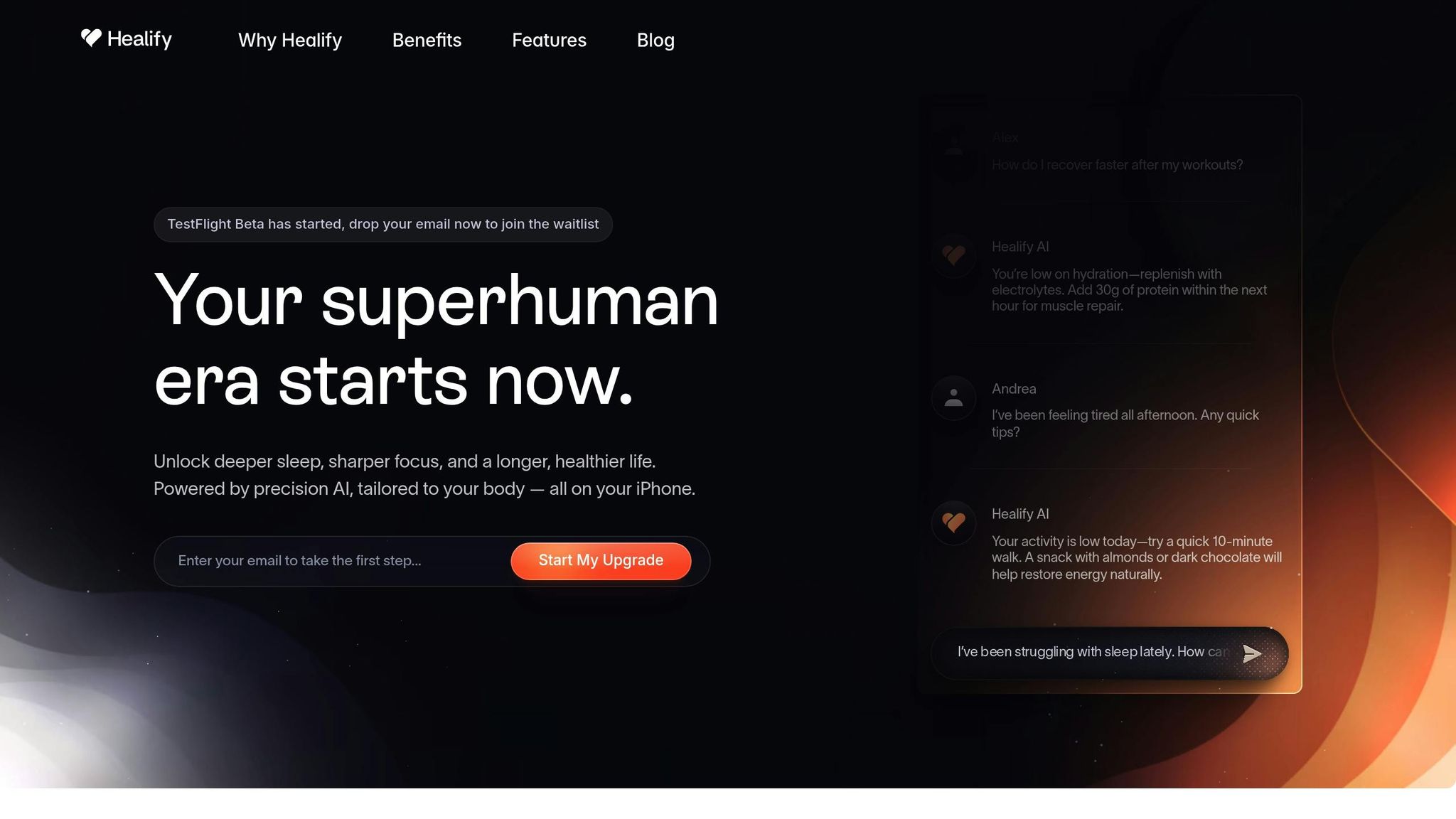
Healify is a platform designed specifically to address workplace stress and wellness. It combines real-time monitoring with personalized interventions, making it a strong choice for organizations aiming to improve employee well-being.
One standout feature is its ability to integrate smoothly with existing systems, offering immediate stress management support during high-pressure situations. For instance, when stress spikes during demanding projects or meetings, Healify’s AI health coach, Anna, steps in with tailored advice based on detailed health data.
Healify goes beyond stress management by tackling other wellness factors like sleep quality. By analyzing a range of health indicators, it provides actionable recommendations to help employees stay balanced both at work and at home.
The platform also prioritizes data security and ethical practices, ensuring that wellness data remains separate from performance evaluations. This approach not only protects employee privacy but also helps organizations gain meaningful insights at a team level while maintaining trust.
Currently, Healify is available through an exclusive private beta, offering free access to premium features. It will soon launch on the Apple App Store, making it an accessible option for companies looking to incorporate AI-powered wellness solutions into their programs.
Standard vs. AI-Powered Stress Management Methods
Organizations are moving away from traditional, one-size-fits-all stress management strategies and embracing real-time, data-driven solutions. By comparing standard stress management methods to AI-powered solutions, companies can better evaluate how to invest in their employees’ well-being.
Traditional approaches often rely on periodic workshops, Employee Assistance Programs, and generic wellness sessions. While these methods provide general advice, they frequently fail to address individual employee needs. Moreover, they depend on self-reported surveys or occasional check-ins, which can overlook early signs of stress.
In contrast, AI-powered solutions like Healify take a completely different route. These tools use continuous, real-time monitoring through wearables, biometric sensors, and lifestyle data. By identifying stress patterns early, they deliver personalized interventions tailored to each employee’s unique health profile.
As employees grow more comfortable with tech-based support, workplace wellness programs are evolving. To better understand this shift, let’s break down the key differences.
Side-by-Side Comparison of Key Features
Here’s a closer look at how traditional methods compare to AI-powered solutions:
Feature | Standard Methods | AI-Powered Solutions (e.g., Healify) |
|---|---|---|
Accuracy | Periodic, self-reported data | Real-time precision |
Personalization | Generic approach | Highly personalized, adaptive recommendations |
Cost Efficiency | $12–$50 per employee annually | $5–$20 per employee monthly |
Scalability | Limited, requires manual facilitation | Highly scalable, automated 24/7 support |
Privacy | Minimal data collection, lower risk | Sensitive data requires strong safeguards |
One major advantage of AI solutions is their accuracy. Traditional methods may only detect stress issues during quarterly reviews or annual surveys, but AI-powered tools can flag potential problems within hours or days. For example, studies show that AI therapy chatbots can reduce depression symptoms by 64% more effectively than traditional methods[1].
While AI solutions may carry higher monthly costs, they often pay for themselves by reducing absenteeism and boosting productivity. Companies using AI wellness tools have reported up to a 25% drop in employee sick days[1], which can quickly offset subscription expenses.
Scalability is another game-changer for growing organizations. Standard programs require more facilitators, trainers, and resources as the workforce expands, whereas AI-powered platforms can support thousands of employees simultaneously without significantly increasing costs.
However, privacy concerns are a critical factor when considering AI-driven solutions. These platforms collect sensitive biometric and behavioral data, necessitating strong security measures and clear policies on data handling. Organizations must comply with regulations like HIPAA and be transparent about how employee data is used and protected.
The results speak for themselves: app-based wellness programs have been shown to reduce stress by 41% and increase positive feelings by 21% among employees[3]. These outcomes highlight the practical benefits of moving from reactive, traditional methods to proactive, technology-driven solutions that address stress before it affects productivity and well-being. By leveraging AI, companies can gain a proactive edge in supporting employee wellness.
Conclusion: The Future of AI Stress Tracking at Work
AI stress tracking is reshaping how workplaces approach employee wellness, shifting from reactive measures to proactive, personalized solutions. By leveraging intelligent systems that detect and respond to stress in real time, businesses are moving away from traditional methods and embracing tools that better support their workforce.
The need for such innovation is clear. Workplace stress continues to take a toll, with recent data showing its significant impact on productivity and health. Companies adopting AI-driven wellness tools have reported a 25% drop in employee sick days, while users of AI therapy chatbots experience a 64% greater reduction in depression symptoms compared to conventional methods[1].
Looking ahead, advancements in stress tracking promise even more precise and actionable insights. Biometric technologies are evolving beyond heart rate monitoring to include voice analysis, sleep quality tracking, and predictive analytics capable of identifying burnout risks weeks in advance. By integrating data from sources like bloodwork, lifestyle habits, and behavioral patterns, these tools aim to provide a more complete picture of employee well-being.
A great example of this future is Healify's AI health coach, Anna. Available 24/7, Anna uses data from wearables, biometrics, and lifestyle inputs to deliver tailored guidance. By turning complex health information into practical advice, Healify offers employees tools for stress management and better sleep in a single, easy-to-use platform.
This shift aligns with changing employee preferences. Many now favor digital wellness solutions over traditional management-led approaches, reflecting a broader cultural move toward tech-enabled support systems.
For organizations looking to adopt AI stress tracking, starting small with pilot programs can help demonstrate its value. Ensuring employee privacy and security, while choosing platforms that offer a broad range of wellness features, will be key. Companies that invest in these technologies today are setting the foundation for healthier, more engaged, and resilient teams tomorrow.
The future of workplace wellness lies in creating environments where employees thrive, thanks to intelligent, personalized support systems.
FAQs
How does AI stress tracking protect my personal data and ensure privacy?
AI stress tracking apps take your privacy seriously by employing strong data security protocols. Personal information, including data from wearables or biometric inputs, is encrypted both during transmission and while stored, reducing the risk of unauthorized access.
These apps also adhere to recognized privacy regulations like HIPAA and GDPR, ensuring your health data is managed with care and accountability. Many platforms go a step further by offering clear, detailed privacy policies, giving you a transparent view of how your information is used and safeguarded. It’s always a good idea to review these policies to stay informed and maintain peace of mind about your data’s safety.
What types of biometric data do AI stress tracking systems use to identify stress, and how is this data processed?
AI-driven stress tracking systems, like those integrated into Healify, use a mix of biometric data to monitor and manage stress levels. They pull information from wearables - tracking heart rate, sleep quality, and activity patterns - alongside details from bloodwork and other lifestyle factors.
By analyzing these inputs, the system uncovers patterns and delivers real-time insights. It then offers tailored recommendations to help users lower stress and enhance their overall well-being. This process simplifies complex health data into practical, easy-to-follow steps, making stress management more approachable.
How can companies seamlessly incorporate AI stress-tracking tools like Healify into their wellness programs?
Integrating Healify into your workplace wellness program is straightforward and impactful. This app taps into data from wearables, biometrics, bloodwork, and lifestyle habits to deliver round-the-clock personalized health insights for employees.
Healify offers tools like real-time health tracking, custom recommendations, stress management resources, and sleep improvement strategies. These features help employees make meaningful changes to enhance their physical and mental well-being. By incorporating Healify into your current wellness efforts, you can cultivate a more supportive and health-focused workplace.
Related Blog Posts
Workplace stress is a growing problem, impacting both employee health and company performance. AI stress tracking offers a modern solution by using wearable devices and biometric data to monitor stress in real time, providing personalized support when it’s needed most. Here’s why it matters:
83% of U.S. workers report work-related stress, costing businesses over $300 billion annually in lost productivity and healthcare expenses.
Traditional wellness programs often fail to address stress effectively due to their lack of immediacy and personalization.
AI-powered tools like Healifyanalyze heart rate, sleep patterns, and communication habits to detect stress early and offer practical interventions, such as breathing exercises or rest recommendations.
Results: Companies using AI stress tracking have reported a 25% reduction in sick days and a 41% decrease in stress levels, while employees experience improved health and job satisfaction. These tools also maintain privacy by anonymizing data and complying with regulations like HIPAA.
Takeaway: AI stress tracking is reshaping workplace wellness, helping employees manage stress proactively while boosting organizational productivity and morale.
Will AI Reduce Productivity Stress Or Make It Worse? - The Time Management Pro
How AI Stress Tracking Technology Works
AI stress tracking is changing how workplaces approach stress management by combining physiological and behavioral data with advanced analysis to detect early signs of stress. Here’s how biometric data collection and AI analysis work together to monitor stress in real time.
Biometric Data Collection for Stress Detection
This technology relies on wearables and sensors to track key indicators like heart rate variability (HRV), sleep quality, and activity levels. HRV, for example, is a strong stress marker - when stress levels rise, the natural variation between heartbeats tends to drop. Devices like smartwatches and fitness trackers monitor HRV continuously, providing a steady stream of data.
Sleep data is another vital piece of the puzzle. Poor sleep quality, frequent wake-ups, or changes in sleep duration can signal rising stress, often before you consciously notice it. Similarly, significant drops in physical activity could point to stress-related fatigue.
Some systems also analyze voice patterns and digital communication habits. For example, if your usual tone becomes more abrupt or negative, the AI might flag this shift as a sign of emotional strain.
Platforms like Healify take it further by integrating wearable data, biometric readings, bloodwork results, and lifestyle habits to create a comprehensive stress profile. If concerning trends emerge - like a spike in cortisol or low blood oxygen levels - the system sends personalized, actionable alerts to help you manage stress effectively.
AI Data Analysis and Real-Time Alerts
Once gathered, the data is processed by AI to provide timely insights. Over time, the system learns your unique baseline, understanding what’s typical for your body and daily habits. If multiple factors - like a higher heart rate during meetings combined with poor sleep - fall outside your norm, the AI can detect stress before it becomes overwhelming.
Real-time analysis sets these systems apart. For instance, if your smartwatch notices a rising heart rate during a tense phone call, the AI might suggest a quick breathing exercise or recommend taking a short break. This instant feedback helps you address stress as it happens, preventing it from snowballing throughout the day.
The AI also refines its predictions over time. It identifies patterns, such as which situations trigger stress and which coping strategies work best for you, ensuring that its recommendations become increasingly tailored to your needs.
Research indicates that AI-driven stress tracking can boost employee engagement by 23% and increase organizational profitability by 21% for companies that adopt these tools[2].
Unlike traditional stress assessments, which offer only a snapshot, AI stress tracking provides continuous monitoring throughout your day. This allows it to spot trends, like gradual stress buildup or moments when you’re particularly susceptible.
To address privacy concerns, these systems anonymize and aggregate data, ensuring that insights remain secure and confidential.
Benefits of AI Stress Tracking in the Workplace
AI stress tracking is reshaping workplace wellness by offering measurable benefits for both employees and organizations. These advancements lead to healthier, more satisfied employees and a more productive work environment.
Better Employee Health and Increased Job Satisfaction
AI-driven wellness programs focus on continuous monitoring and personalized interventions, which adapt to each employee's stress patterns. The impact is clear: companies using these programs have reported a 25% drop in sick days, a 64% greater reduction in depression symptoms compared to traditional methods, a 41% decrease in stress levels, and a 23% boost in employee engagement, alongside a 21% increase in profitability[1][2][3]. By tailoring guidance based on real-time physiological data and individual work habits, these systems enhance both physical health and overall job satisfaction. Moreover, they address acute stress immediately, preventing it from escalating into larger health issues.
Real-Time Stress Alerts and Tailored Support
One standout feature of AI stress tracking is its ability to provide real-time interventions, something traditional wellness programs often lack. When stress spikes - whether during a high-pressure meeting or looming deadlines - the system detects it instantly. For example, a smartwatch might notice an elevated heart rate during a tense phone call and suggest a calming breathing exercise or recommend rescheduling a follow-up meeting to help the employee recover.
Healify’s system exemplifies this approach, analyzing data from wearables, biometrics, bloodwork, and lifestyle habits to deliver immediate, personalized alerts. Its AI health coach is available 24/7, offering tailored advice to help employees manage stress and identify potential health risks early. Interestingly, 68% of employees prefer interacting with AI systems over discussing stress with a manager, and 80% are open to AI-based therapy[1]. This shows how AI can provide a level of comfort and accessibility that traditional methods often cannot.
Balancing Data Privacy and Ethical Use
With the adoption of AI stress tracking, protecting employee data is a critical concern. Leading platforms ensure compliance with regulations like HIPAA, GDPR, and CCPA[4]. By anonymizing and aggregating data, companies can identify team-level stress trends and workplace stressors without exposing individual identities. Transparent data collection and usage policies help build trust among employees.
Healify, for instance, emphasizes data security and ethical AI use, ensuring that wellness data isn’t misused in performance reviews or disciplinary actions. By transforming complex health data into actionable insights, while maintaining strict privacy standards, Healify helps organizations create a supportive workplace. This approach allows companies to gain valuable insights and offer personalized support without compromising employee trust, fostering a healthier and more balanced work environment.
How to Add Stress Tracking Apps to Workplace Programs
Bringing AI-driven stress tracking tools into workplace wellness programs takes thoughtful planning. A well-organized approach not only encourages employees to use the tools but also delivers measurable benefits.
Steps for Implementation
Start by identifying workplace stress challenges. Gather employee feedback and review your current wellness initiatives to find an AI stress tracking app that aligns with your goals.
Next, collaborate with HR and IT teams to ensure smooth integration. Link the app to existing HR systems, wellness platforms, and even wearable devices, creating a unified health dashboard that's easy for employees to access and use.
Consider running a pilot program in one department before rolling it out company-wide. This helps you test the app, gather feedback, and fine-tune your implementation plan. Pilots often work best in departments with higher stress levels or where there's enthusiasm for wellness programs.
Provide clear onboarding sessions to help employees understand the app's features, privacy safeguards, and how to interpret stress alerts. Keep the momentum going with FAQs, tutorials, and ongoing support to make sure employees feel comfortable using the technology.
Privacy is key. Be transparent about how data is collected and used, and comply with U.S. privacy laws like HIPAA when relevant. Offering an opt-in model and conducting regular audits can help build trust.
Finally, track the program's impact. Use metrics like reduced absenteeism, improved employee engagement, and lower stress levels to assess its effectiveness. Combine anonymized app data with employee feedback to make continuous improvements.
By following these steps, companies can seamlessly integrate tools like Healify into their wellness initiatives.
Healify: A Holistic Workplace Wellness Tool
Healify is a platform designed specifically to address workplace stress and wellness. It combines real-time monitoring with personalized interventions, making it a strong choice for organizations aiming to improve employee well-being.
One standout feature is its ability to integrate smoothly with existing systems, offering immediate stress management support during high-pressure situations. For instance, when stress spikes during demanding projects or meetings, Healify’s AI health coach, Anna, steps in with tailored advice based on detailed health data.
Healify goes beyond stress management by tackling other wellness factors like sleep quality. By analyzing a range of health indicators, it provides actionable recommendations to help employees stay balanced both at work and at home.
The platform also prioritizes data security and ethical practices, ensuring that wellness data remains separate from performance evaluations. This approach not only protects employee privacy but also helps organizations gain meaningful insights at a team level while maintaining trust.
Currently, Healify is available through an exclusive private beta, offering free access to premium features. It will soon launch on the Apple App Store, making it an accessible option for companies looking to incorporate AI-powered wellness solutions into their programs.
Standard vs. AI-Powered Stress Management Methods
Organizations are moving away from traditional, one-size-fits-all stress management strategies and embracing real-time, data-driven solutions. By comparing standard stress management methods to AI-powered solutions, companies can better evaluate how to invest in their employees’ well-being.
Traditional approaches often rely on periodic workshops, Employee Assistance Programs, and generic wellness sessions. While these methods provide general advice, they frequently fail to address individual employee needs. Moreover, they depend on self-reported surveys or occasional check-ins, which can overlook early signs of stress.
In contrast, AI-powered solutions like Healify take a completely different route. These tools use continuous, real-time monitoring through wearables, biometric sensors, and lifestyle data. By identifying stress patterns early, they deliver personalized interventions tailored to each employee’s unique health profile.
As employees grow more comfortable with tech-based support, workplace wellness programs are evolving. To better understand this shift, let’s break down the key differences.
Side-by-Side Comparison of Key Features
Here’s a closer look at how traditional methods compare to AI-powered solutions:
Feature | Standard Methods | AI-Powered Solutions (e.g., Healify) |
|---|---|---|
Accuracy | Periodic, self-reported data | Real-time precision |
Personalization | Generic approach | Highly personalized, adaptive recommendations |
Cost Efficiency | $12–$50 per employee annually | $5–$20 per employee monthly |
Scalability | Limited, requires manual facilitation | Highly scalable, automated 24/7 support |
Privacy | Minimal data collection, lower risk | Sensitive data requires strong safeguards |
One major advantage of AI solutions is their accuracy. Traditional methods may only detect stress issues during quarterly reviews or annual surveys, but AI-powered tools can flag potential problems within hours or days. For example, studies show that AI therapy chatbots can reduce depression symptoms by 64% more effectively than traditional methods[1].
While AI solutions may carry higher monthly costs, they often pay for themselves by reducing absenteeism and boosting productivity. Companies using AI wellness tools have reported up to a 25% drop in employee sick days[1], which can quickly offset subscription expenses.
Scalability is another game-changer for growing organizations. Standard programs require more facilitators, trainers, and resources as the workforce expands, whereas AI-powered platforms can support thousands of employees simultaneously without significantly increasing costs.
However, privacy concerns are a critical factor when considering AI-driven solutions. These platforms collect sensitive biometric and behavioral data, necessitating strong security measures and clear policies on data handling. Organizations must comply with regulations like HIPAA and be transparent about how employee data is used and protected.
The results speak for themselves: app-based wellness programs have been shown to reduce stress by 41% and increase positive feelings by 21% among employees[3]. These outcomes highlight the practical benefits of moving from reactive, traditional methods to proactive, technology-driven solutions that address stress before it affects productivity and well-being. By leveraging AI, companies can gain a proactive edge in supporting employee wellness.
Conclusion: The Future of AI Stress Tracking at Work
AI stress tracking is reshaping how workplaces approach employee wellness, shifting from reactive measures to proactive, personalized solutions. By leveraging intelligent systems that detect and respond to stress in real time, businesses are moving away from traditional methods and embracing tools that better support their workforce.
The need for such innovation is clear. Workplace stress continues to take a toll, with recent data showing its significant impact on productivity and health. Companies adopting AI-driven wellness tools have reported a 25% drop in employee sick days, while users of AI therapy chatbots experience a 64% greater reduction in depression symptoms compared to conventional methods[1].
Looking ahead, advancements in stress tracking promise even more precise and actionable insights. Biometric technologies are evolving beyond heart rate monitoring to include voice analysis, sleep quality tracking, and predictive analytics capable of identifying burnout risks weeks in advance. By integrating data from sources like bloodwork, lifestyle habits, and behavioral patterns, these tools aim to provide a more complete picture of employee well-being.
A great example of this future is Healify's AI health coach, Anna. Available 24/7, Anna uses data from wearables, biometrics, and lifestyle inputs to deliver tailored guidance. By turning complex health information into practical advice, Healify offers employees tools for stress management and better sleep in a single, easy-to-use platform.
This shift aligns with changing employee preferences. Many now favor digital wellness solutions over traditional management-led approaches, reflecting a broader cultural move toward tech-enabled support systems.
For organizations looking to adopt AI stress tracking, starting small with pilot programs can help demonstrate its value. Ensuring employee privacy and security, while choosing platforms that offer a broad range of wellness features, will be key. Companies that invest in these technologies today are setting the foundation for healthier, more engaged, and resilient teams tomorrow.
The future of workplace wellness lies in creating environments where employees thrive, thanks to intelligent, personalized support systems.
FAQs
How does AI stress tracking protect my personal data and ensure privacy?
AI stress tracking apps take your privacy seriously by employing strong data security protocols. Personal information, including data from wearables or biometric inputs, is encrypted both during transmission and while stored, reducing the risk of unauthorized access.
These apps also adhere to recognized privacy regulations like HIPAA and GDPR, ensuring your health data is managed with care and accountability. Many platforms go a step further by offering clear, detailed privacy policies, giving you a transparent view of how your information is used and safeguarded. It’s always a good idea to review these policies to stay informed and maintain peace of mind about your data’s safety.
What types of biometric data do AI stress tracking systems use to identify stress, and how is this data processed?
AI-driven stress tracking systems, like those integrated into Healify, use a mix of biometric data to monitor and manage stress levels. They pull information from wearables - tracking heart rate, sleep quality, and activity patterns - alongside details from bloodwork and other lifestyle factors.
By analyzing these inputs, the system uncovers patterns and delivers real-time insights. It then offers tailored recommendations to help users lower stress and enhance their overall well-being. This process simplifies complex health data into practical, easy-to-follow steps, making stress management more approachable.
How can companies seamlessly incorporate AI stress-tracking tools like Healify into their wellness programs?
Integrating Healify into your workplace wellness program is straightforward and impactful. This app taps into data from wearables, biometrics, bloodwork, and lifestyle habits to deliver round-the-clock personalized health insights for employees.
Healify offers tools like real-time health tracking, custom recommendations, stress management resources, and sleep improvement strategies. These features help employees make meaningful changes to enhance their physical and mental well-being. By incorporating Healify into your current wellness efforts, you can cultivate a more supportive and health-focused workplace.
Related Blog Posts

Endlich die Kontrolle über Ihre Gesundheit übernehmen

Endlich die Kontrolle über Ihre Gesundheit übernehmen
Endlich die Kontrolle über Ihre Gesundheit übernehmen