Improve your health
Improve your health
Improve your health
2. Dezember 2025
AI in Post-Surgical Wound Monitoring
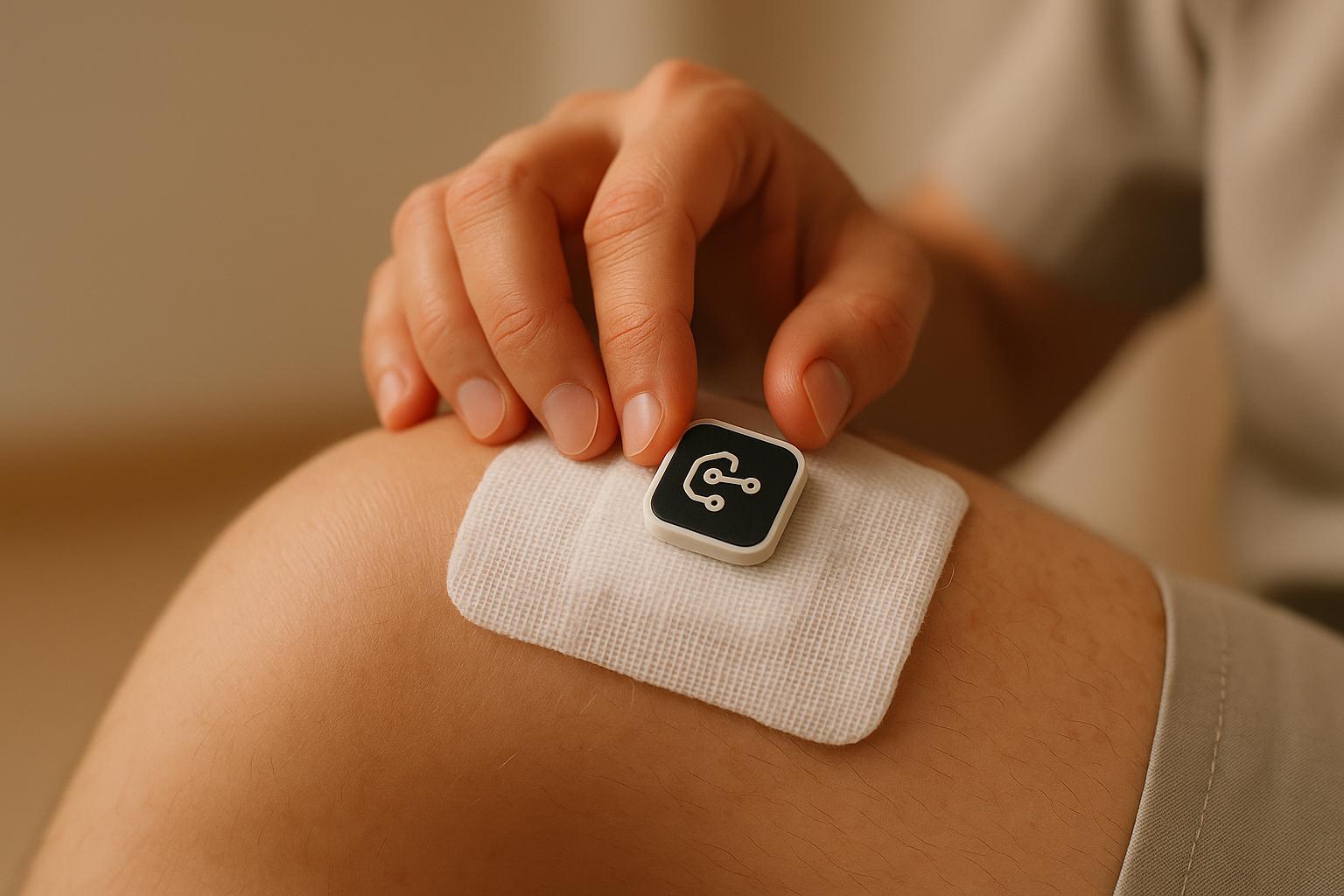
AI is changing how surgical wounds are monitored by offering faster, at-home assessments using smartphones and wearable devices. This technology helps detect infections early, reducing complications and unnecessary clinic visits. Tools like Mayo Clinic’s Vision Transformer model, trained on thousands of wound images, analyze patient-submitted photos with 94% accuracy in identifying surgical sites and 81% AUC in spotting infections. Wearable biosensors also track wound conditions continuously, identifying problems before symptoms appear. These advancements aim to improve recovery while easing the burden on healthcare systems.
Key points:
Smartphone-based AI: Patients submit wound photos for analysis, allowing early detection of issues.
Wearable biosensors: Devices track wound metrics like temperature and moisture for continuous monitoring.
Clinical results: AI systems achieve high accuracy in identifying infections, improving patient outcomes.
Challenges remain, such as ensuring data quality, integration with healthcare systems, and clinician trust. However, AI tools are poised to make post-surgical care more efficient and accessible, especially for patients in remote areas.
NUS-A*STAR team develops AI patch to determine wound healing status

AI Technologies Used in Wound Monitoring
AI is reshaping how wounds are monitored, offering two standout approaches: one relies on computer vision to analyze photos patients take at home, while the other uses wearable devices with built-in sensors for continuous monitoring. These technologies are moving from research labs into clinical practice, enhancing the way post-surgical care is delivered.
Image Analysis and Computer Vision
Computer vision turns smartphone photos into powerful diagnostic tools. When patients submit a wound image through a digital platform, AI systems identify the surgical site and assess it for signs of infection, such as redness, swelling, discharge, or unusual tissue changes.
Deep learning models, like Vision Transformers, analyze thousands of wound images to provide fast and consistent results. These systems help minimize variability between human assessments. For instance, in one study, physicians rated AI-generated wound tracings as comparable to expert annotations in 60.4% of cases[5].
AI also improves wound measurement efficiency. Mobile apps equipped with deep learning can cut assessment time by 54% and achieve a 92.2% accuracy rate for first-attempt imaging[5]. In clinical trials, such as one involving 120 coronary artery bypass patients across two UK hospitals, AI systems flagged high-risk cases from patient-submitted photos. Patients sent images via text on days 7, 14, and 21 post-surgery, and the AI highlighted any "red flags" requiring urgent attention[2].
Dr. Hala Muaddi from the Mayo Clinic emphasized the importance of this technology, stating it is "especially relevant as outpatient operations and virtual follow-ups become more common."[3]
For patients recovering at home, this technology offers peace of mind by confirming proper healing or alerting them to potential problems early, ensuring timely medical intervention.
Wearable Biosensors for Continuous Monitoring
Wearable biosensors, often embedded in smart bandages, provide continuous data collection, offering a different approach to wound monitoring. These devices track key metrics like temperature, moisture, pH, and other biomarkers, which can signal potential infections or complications.
A team led by Professor Michael Gurtner at the University of Arizona has been at the forefront of this research. In 2023, they published findings in Nature Biotechnology showcasing a sensor-equipped bandage that monitored and treated wounds in mice[4]. This technology has since progressed to human trials, with 83 patients being monitored using handheld sensors that connect sensor data to clinical outcomes[4].
Even with limited data collection - one reading every 168 hours during weekly visits - researchers identified early warning signs of infection before symptoms became visible. The system achieved a 90% positive predictive value for detecting complications[4]. Additionally, researchers streamlined the design, reducing the number of sensors from nine to two, making the technology more practical and cost-efficient[4]. The sensors provide continuous tracking over the course of a week, generating large datasets that AI processes to detect subtle changes.
This continuous monitoring approach has a clear edge over traditional methods, which often catch infections only after symptoms have fully developed. By identifying issues earlier, wearable sensors can help reduce healthcare costs, prevent severe complications, and improve recovery outcomes. While current trials require weekly visits for data collection, the ultimate goal is fully remote, real-time monitoring that instantly alerts clinicians to emerging concerns.
Together, these AI-driven solutions are revolutionizing post-surgical care, enabling faster interventions and better patient outcomes. Healify (https://healify.ai) is committed to advancing AI technologies to deliver comprehensive, real-time support for postoperative recovery.
Research Evidence Supporting AI in Wound Care
Recent research and clinical trials show that AI can detect post-surgical complications with accuracy comparable to traditional methods. These conclusions are backed by data from thousands of patients across multiple hospitals and surgical specialties.
Accuracy and Performance Data from Studies
A study conducted by the Mayo Clinic reported a 94% accuracy rate and an 81% AUC (area under the curve) in identifying surgical complications. Notably, the system performed consistently across diverse patient populations, addressing concerns about potential algorithmic bias [3]. Additionally, mobile apps powered by deep learning have significantly reduced wound assessment times - by 54% - while achieving 92.2% accuracy on first-attempt imaging. In 60.4% of cases, AI-generated wound tracings matched expert-level precision [5].
Wearable biosensors have shown similarly encouraging results. Researchers at the University of Arizona reported a 90% positive predictive value for detecting complications using handheld sensors. In an ongoing trial involving 83 patients, the AI system demonstrated the ability to identify subtle signs of infections or wound deterioration - often before these symptoms became clinically apparent [4]. These findings further validate AI’s potential to improve postoperative care through early detection and intervention.
Clinical Trials and Practical Applications
Building on these promising findings, clinical trials are now exploring how AI performs in real-world healthcare settings. For instance, a trial (NCT06475703) is testing an AI prioritization tool integrated into a digital wound monitoring platform. This study involves 120 patients undergoing coronary artery bypass graft surgeries at two hospitals in the UK. Patients submit wound images via SMS at 7, 14, and 21 days post-surgery, and the AI system flags high-priority cases for urgent review by clinicians. This approach not only helps streamline clinician workloads but also improves patient outcomes and satisfaction by ensuring timely care [2].
The Mayo Clinic's AI system has been validated across nine hospitals and a variety of surgical specialties, including colorectal, vascular, hepatobiliary, pancreatic, and cardiac procedures [3]. An integrative review of 118 studies on AI-driven postoperative wound monitoring highlighted significant progress in the field. However, it also emphasized the need for more robust validation of AI applications specifically targeting surgical wounds [1]. Ongoing prospective studies aim to explore how these tools can be seamlessly integrated into everyday surgical care across different clinical environments.
Continuous monitoring generates enormous amounts of data - ranging from terabytes to petabytes - that only AI can process efficiently. Machine learning algorithms transform this data into actionable insights, enabling earlier interventions and making continuous biosensor monitoring feasible in practice.
These advancements mark a shift from theoretical AI applications to practical tools that are enhancing real-world wound care.
Challenges and Areas for Improvement
AI wound monitoring systems have shown promise in earlier studies, but there are still hurdles to clear before they can become a routine part of clinical practice. These challenges range from technical limitations in algorithm development to practical difficulties in integrating these tools into the daily workflows of healthcare providers.
Data Standards and Algorithm Bias
The effectiveness of any AI system depends heavily on the quality and consistency of the data it’s trained on. Unfortunately, AI wound monitoring lacks access to large, standardized datasets that can ensure reliable performance across different hospitals and patient populations. For instance, healthcare facilities capture wound images with varying levels of quality, and there’s little uniformity in wound assessment protocols or infection criteria. These inconsistencies make it harder to develop algorithms that work well in diverse clinical settings.
While some studies have reported high accuracy rates for these systems[3], the data used in those studies represents just a small fraction of what’s needed for broader, reliable performance. Another issue is algorithmic bias. If an AI system is trained primarily on data from a specific demographic group, its accuracy may drop when applied to patients with different characteristics. Although some research has shown consistent performance across diverse groups[3], ensuring fairness will require intentional efforts to collect data that reflects all patient populations. Without addressing these gaps, it will be difficult to translate promising research into everyday clinical use.
Integration with Healthcare Systems
Beyond data challenges, integrating AI tools into healthcare systems presents significant obstacles. Many hospitals still rely on older electronic health record (EHR) systems that aren’t equipped for real-time image analysis or automated alerts. Connecting AI platforms to these legacy systems requires extensive IT resources and clear protocols. For example, one clinical trial on AI in digital wound monitoring highlighted the need for seamless coordination between patient mobile devices, the AI platform, and hospital workflows[2]. Each of these connections must also meet strict data security and HIPAA compliance standards.
Another challenge is the potential for increased workload. These systems are designed to reduce clinician burden by flagging potential issues, but they also generate a constant stream of patient-submitted images that need review. Without effective prioritization, clinicians could become overwhelmed by the sheer volume of images[2]. This issue is especially problematic in rural or under-resourced areas, where limited IT infrastructure and technical expertise make implementation even more difficult[3].
Clinician trust is another major hurdle. Healthcare providers are accustomed to relying on transparent, interpretable clinical reasoning. However, deep learning models like Vision Transformers often lack transparency, making it unclear why a specific prediction was made. For example, clinicians might want to know whether redness, swelling, or drainage triggered the AI's decision. Without clear explanations, providers may hesitate to trust these tools, particularly when medicolegal accountability is at stake. Research has emphasized the importance of explainable AI frameworks[1], but improving transparency can sometimes reduce the accuracy of these systems.
The diversity of surgical specialties adds another layer of complexity. An AI system designed for one type of wound, such as those from cardiac surgery, might not perform as well for wounds from colorectal or vascular surgeries. Differences in incision characteristics and infection risks mean developers can’t rely on a one-size-fits-all approach. Instead, they need to create customized algorithms and validate them for specific specialties[1][2].
Finally, while retrospective studies have shown encouraging results, researchers at the Mayo Clinic have noted the importance of validating these tools through prospective studies to see how they perform in real-world surgical care settings[3]. Healthcare organizations must also address data governance issues, such as deciding where AI-processed data will be stored, who can access it, and how it complies with privacy regulations. These efforts, along with necessary investments in training, infrastructure, and change management, require significant upfront resources. Justifying these costs will depend on clear evidence that AI can improve patient outcomes and reduce overall expenses. Overcoming these challenges is critical to unlocking the full potential of AI in post-surgical care.
The Future of AI in Post-Surgical Wound Monitoring
AI-powered wound monitoring is no longer confined to research labs - it’s making its way into real-world clinical settings. Prospective studies are underway, and healthcare systems are beginning to test these tools with actual patients[3]. This marks a shift in post-operative care, from reacting to infections after they occur to predicting and preventing them before they take hold.
One of the most immediate applications is remote monitoring. Patients can now upload photos of their wounds through digital platforms, where AI systems analyze them for signs of complications. Recent studies show that these systems can reliably screen wounds, flagging potential issues while providing reassurance for normal healing.
But the technology doesn’t stop there. At the University of Arizona, researchers are working on wearable devices for continuous wound monitoring, eliminating the need for periodic photo submissions. Early trials with handheld sensors have shown promising results in predicting complications[4]. These devices generate large amounts of data that AI can analyze to detect subtle changes, often spotting early signs of infection before they are visible to clinicians. This predictive ability could allow for earlier interventions, preventing minor issues from escalating into serious infections.
"The AI tool paves the way for developing algorithms capable of detecting subtle signs of infection, potentially before they become visually apparent to the care team, which would allow for earlier treatment, decreased morbidity, and reduced costs", noted the Mayo Clinic research team[3].
These advancements also improve healthcare system efficiency. AI triage systems can automatically prioritize patient-submitted images, ensuring clinicians focus on the most urgent cases first. This is especially valuable in rural or resource-limited areas where access to surgical expertise is limited[3]. By streamlining workflows and optimizing resource allocation[5], these tools make better use of clinical resources.
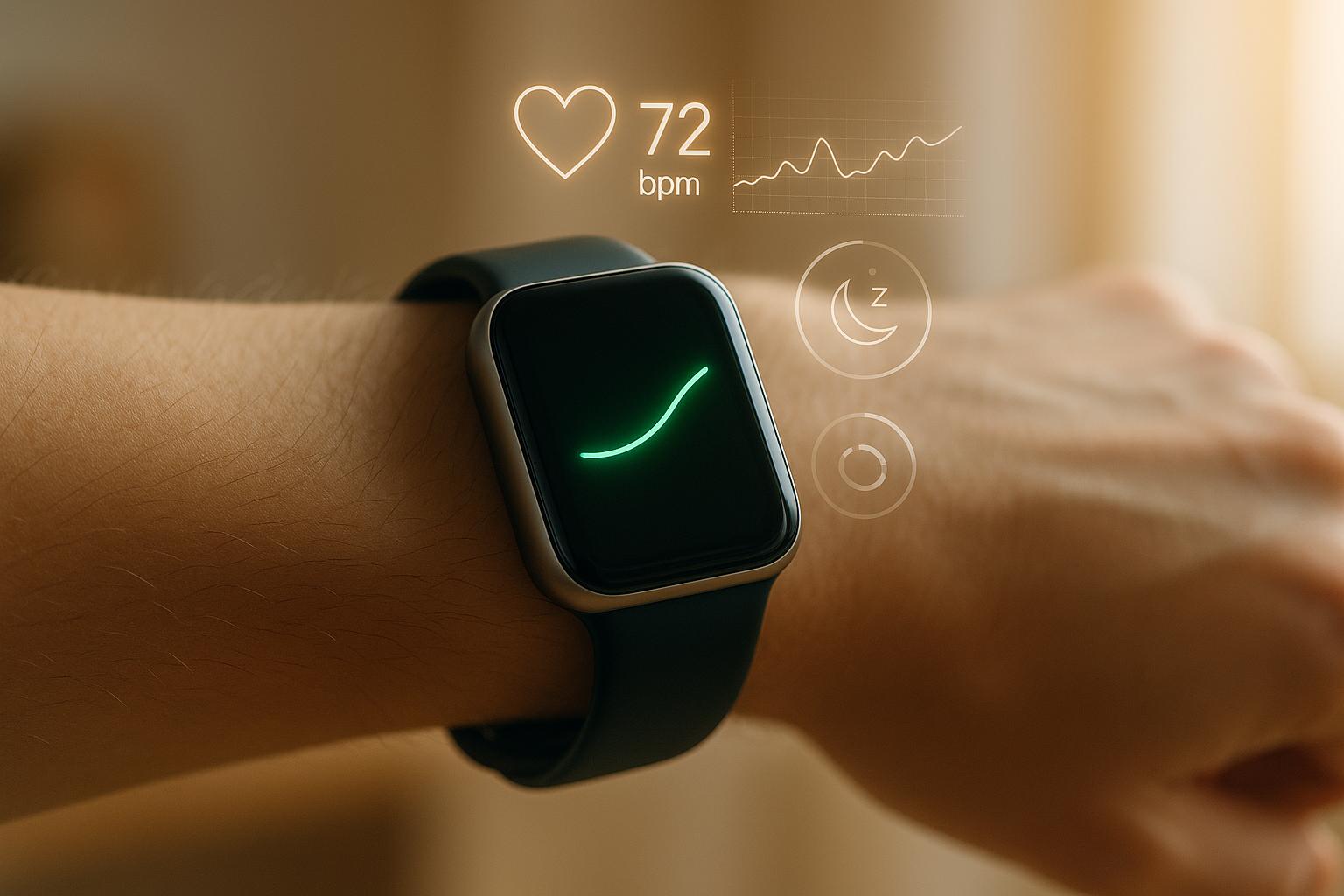
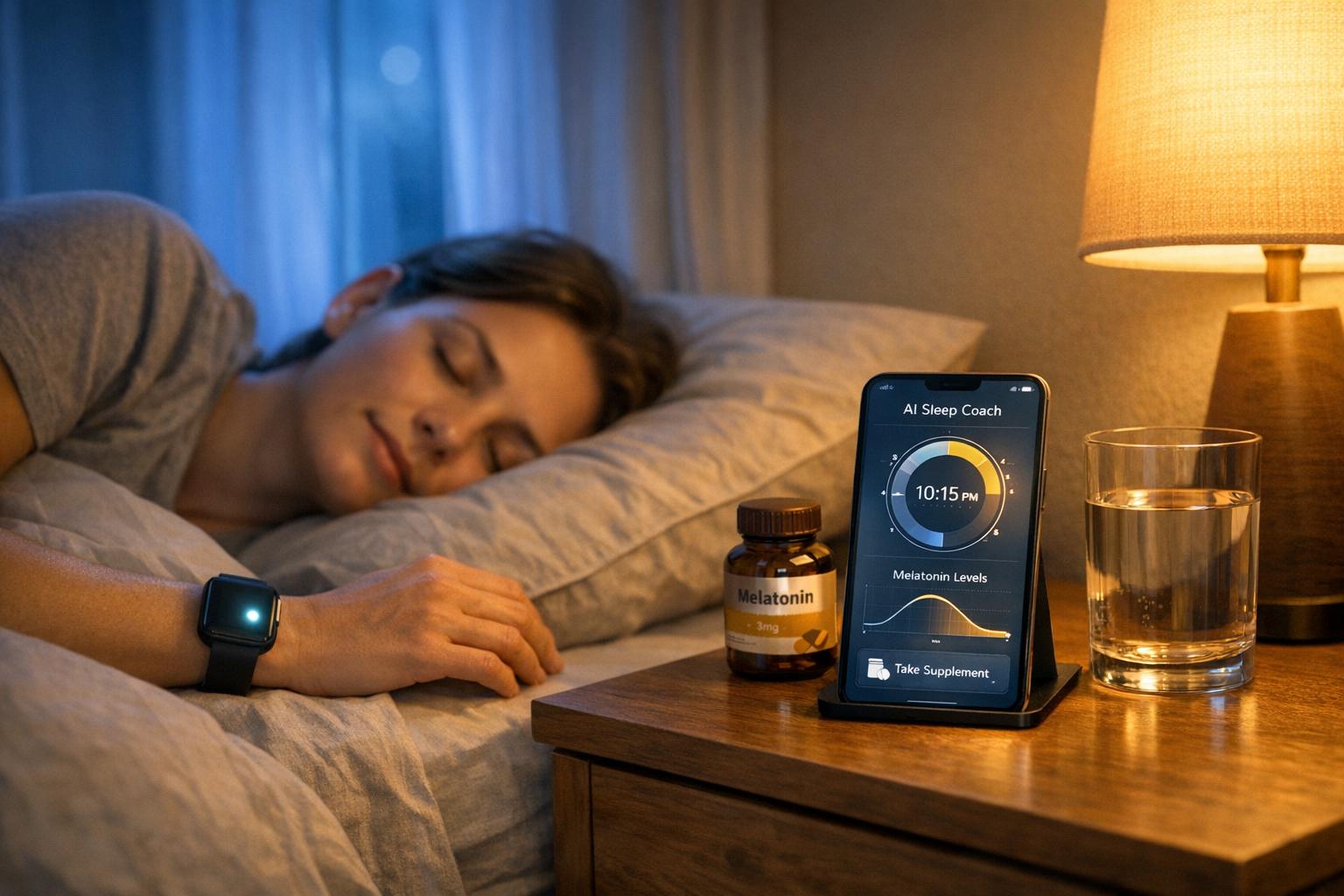
Looking at the bigger picture, successful post-surgical recovery involves more than just wound care. Factors like sleep quality, stress, nutrition, and physical activity all play a role. Platforms such as Healify are stepping in to address these needs. Healify’s 24/7 AI health coach uses data from wearables, biometrics, and lifestyle habits to provide personalized advice on sleep, stress, and energy levels - helping patients create the best conditions for healing. By combining precise wound monitoring with overall wellness support, patients benefit from a more holistic approach to recovery.
To fully integrate these tools into surgical care, further validation through ongoing studies is essential. Healthcare providers will also need to invest in infrastructure to connect AI systems with electronic health records and clinical workflows. Solving challenges around data standardization and integration will be key to widespread adoption. With accuracy rates on par with or better than human performance, AI-driven wound monitoring is set to become a cornerstone of post-surgical care - improving outcomes while making recovery more convenient for patients and more efficient for healthcare teams.
FAQs
How does AI help detect post-surgical wound infections earlier than traditional methods?
AI technology is transforming how post-surgical wound infections are detected by using real-time data from wearable devices, images, and patient-reported symptoms. Traditional methods, like scheduled check-ups or self-reporting, often leave gaps in monitoring. In contrast, AI provides continuous oversight, spotting subtle changes that might signal complications.
With advanced algorithms, AI can detect early warning signs - like abnormal redness, swelling, or temperature shifts - sometimes even before patients or doctors notice them. This early detection enables quicker interventions, helping to prevent serious infections and promoting better recovery outcomes.
What obstacles exist when implementing AI-based wound monitoring systems in healthcare settings?
Integrating AI-powered wound monitoring systems into healthcare isn't without its hurdles. A key challenge lies in ensuring these systems work seamlessly with existing electronic health record (EHR) systems, which can differ significantly across healthcare providers. This lack of standardization often complicates integration efforts.
Protecting patient data and meeting strict regulations like HIPAA is another critical concern. Since these systems handle sensitive medical information, maintaining robust privacy measures is non-negotiable.
Building trust among healthcare professionals and patients is equally important. Both groups may need clear explanations about how AI functions and the advantages it offers before they feel comfortable relying on it. Lastly, the financial aspect can't be ignored. The costs associated with implementing these systems - such as training staff and upgrading infrastructure - can pose a significant challenge for many healthcare facilities.
How do wearable biosensors help monitor surgical wounds continuously, and why are they better than submitting photos periodically?
Wearable biosensors are compact, high-tech devices designed to monitor critical health indicators like temperature, moisture, and skin changes in real time. By continuously gathering and analyzing this data, these devices can identify early warning signs of infections or other complications - without needing patients to manually track or report anything.
This is a big advantage over methods like periodic photo submissions, which depend on patients remembering to take and send images. With biosensors, monitoring is automated and constant, offering a more reliable and timely view of how wounds are healing. This not only reduces the chances of delayed responses to issues but also supports better recovery outcomes, giving both patients and healthcare providers greater confidence in the healing process.
Related Blog Posts
AI is changing how surgical wounds are monitored by offering faster, at-home assessments using smartphones and wearable devices. This technology helps detect infections early, reducing complications and unnecessary clinic visits. Tools like Mayo Clinic’s Vision Transformer model, trained on thousands of wound images, analyze patient-submitted photos with 94% accuracy in identifying surgical sites and 81% AUC in spotting infections. Wearable biosensors also track wound conditions continuously, identifying problems before symptoms appear. These advancements aim to improve recovery while easing the burden on healthcare systems.
Key points:
Smartphone-based AI: Patients submit wound photos for analysis, allowing early detection of issues.
Wearable biosensors: Devices track wound metrics like temperature and moisture for continuous monitoring.
Clinical results: AI systems achieve high accuracy in identifying infections, improving patient outcomes.
Challenges remain, such as ensuring data quality, integration with healthcare systems, and clinician trust. However, AI tools are poised to make post-surgical care more efficient and accessible, especially for patients in remote areas.
NUS-A*STAR team develops AI patch to determine wound healing status
AI Technologies Used in Wound Monitoring
AI is reshaping how wounds are monitored, offering two standout approaches: one relies on computer vision to analyze photos patients take at home, while the other uses wearable devices with built-in sensors for continuous monitoring. These technologies are moving from research labs into clinical practice, enhancing the way post-surgical care is delivered.
Image Analysis and Computer Vision
Computer vision turns smartphone photos into powerful diagnostic tools. When patients submit a wound image through a digital platform, AI systems identify the surgical site and assess it for signs of infection, such as redness, swelling, discharge, or unusual tissue changes.
Deep learning models, like Vision Transformers, analyze thousands of wound images to provide fast and consistent results. These systems help minimize variability between human assessments. For instance, in one study, physicians rated AI-generated wound tracings as comparable to expert annotations in 60.4% of cases[5].
AI also improves wound measurement efficiency. Mobile apps equipped with deep learning can cut assessment time by 54% and achieve a 92.2% accuracy rate for first-attempt imaging[5]. In clinical trials, such as one involving 120 coronary artery bypass patients across two UK hospitals, AI systems flagged high-risk cases from patient-submitted photos. Patients sent images via text on days 7, 14, and 21 post-surgery, and the AI highlighted any "red flags" requiring urgent attention[2].
Dr. Hala Muaddi from the Mayo Clinic emphasized the importance of this technology, stating it is "especially relevant as outpatient operations and virtual follow-ups become more common."[3]
For patients recovering at home, this technology offers peace of mind by confirming proper healing or alerting them to potential problems early, ensuring timely medical intervention.
Wearable Biosensors for Continuous Monitoring
Wearable biosensors, often embedded in smart bandages, provide continuous data collection, offering a different approach to wound monitoring. These devices track key metrics like temperature, moisture, pH, and other biomarkers, which can signal potential infections or complications.
A team led by Professor Michael Gurtner at the University of Arizona has been at the forefront of this research. In 2023, they published findings in Nature Biotechnology showcasing a sensor-equipped bandage that monitored and treated wounds in mice[4]. This technology has since progressed to human trials, with 83 patients being monitored using handheld sensors that connect sensor data to clinical outcomes[4].
Even with limited data collection - one reading every 168 hours during weekly visits - researchers identified early warning signs of infection before symptoms became visible. The system achieved a 90% positive predictive value for detecting complications[4]. Additionally, researchers streamlined the design, reducing the number of sensors from nine to two, making the technology more practical and cost-efficient[4]. The sensors provide continuous tracking over the course of a week, generating large datasets that AI processes to detect subtle changes.
This continuous monitoring approach has a clear edge over traditional methods, which often catch infections only after symptoms have fully developed. By identifying issues earlier, wearable sensors can help reduce healthcare costs, prevent severe complications, and improve recovery outcomes. While current trials require weekly visits for data collection, the ultimate goal is fully remote, real-time monitoring that instantly alerts clinicians to emerging concerns.
Together, these AI-driven solutions are revolutionizing post-surgical care, enabling faster interventions and better patient outcomes. Healify (https://healify.ai) is committed to advancing AI technologies to deliver comprehensive, real-time support for postoperative recovery.
Research Evidence Supporting AI in Wound Care
Recent research and clinical trials show that AI can detect post-surgical complications with accuracy comparable to traditional methods. These conclusions are backed by data from thousands of patients across multiple hospitals and surgical specialties.
Accuracy and Performance Data from Studies
A study conducted by the Mayo Clinic reported a 94% accuracy rate and an 81% AUC (area under the curve) in identifying surgical complications. Notably, the system performed consistently across diverse patient populations, addressing concerns about potential algorithmic bias [3]. Additionally, mobile apps powered by deep learning have significantly reduced wound assessment times - by 54% - while achieving 92.2% accuracy on first-attempt imaging. In 60.4% of cases, AI-generated wound tracings matched expert-level precision [5].
Wearable biosensors have shown similarly encouraging results. Researchers at the University of Arizona reported a 90% positive predictive value for detecting complications using handheld sensors. In an ongoing trial involving 83 patients, the AI system demonstrated the ability to identify subtle signs of infections or wound deterioration - often before these symptoms became clinically apparent [4]. These findings further validate AI’s potential to improve postoperative care through early detection and intervention.
Clinical Trials and Practical Applications
Building on these promising findings, clinical trials are now exploring how AI performs in real-world healthcare settings. For instance, a trial (NCT06475703) is testing an AI prioritization tool integrated into a digital wound monitoring platform. This study involves 120 patients undergoing coronary artery bypass graft surgeries at two hospitals in the UK. Patients submit wound images via SMS at 7, 14, and 21 days post-surgery, and the AI system flags high-priority cases for urgent review by clinicians. This approach not only helps streamline clinician workloads but also improves patient outcomes and satisfaction by ensuring timely care [2].
The Mayo Clinic's AI system has been validated across nine hospitals and a variety of surgical specialties, including colorectal, vascular, hepatobiliary, pancreatic, and cardiac procedures [3]. An integrative review of 118 studies on AI-driven postoperative wound monitoring highlighted significant progress in the field. However, it also emphasized the need for more robust validation of AI applications specifically targeting surgical wounds [1]. Ongoing prospective studies aim to explore how these tools can be seamlessly integrated into everyday surgical care across different clinical environments.
Continuous monitoring generates enormous amounts of data - ranging from terabytes to petabytes - that only AI can process efficiently. Machine learning algorithms transform this data into actionable insights, enabling earlier interventions and making continuous biosensor monitoring feasible in practice.
These advancements mark a shift from theoretical AI applications to practical tools that are enhancing real-world wound care.
Challenges and Areas for Improvement
AI wound monitoring systems have shown promise in earlier studies, but there are still hurdles to clear before they can become a routine part of clinical practice. These challenges range from technical limitations in algorithm development to practical difficulties in integrating these tools into the daily workflows of healthcare providers.
Data Standards and Algorithm Bias
The effectiveness of any AI system depends heavily on the quality and consistency of the data it’s trained on. Unfortunately, AI wound monitoring lacks access to large, standardized datasets that can ensure reliable performance across different hospitals and patient populations. For instance, healthcare facilities capture wound images with varying levels of quality, and there’s little uniformity in wound assessment protocols or infection criteria. These inconsistencies make it harder to develop algorithms that work well in diverse clinical settings.
While some studies have reported high accuracy rates for these systems[3], the data used in those studies represents just a small fraction of what’s needed for broader, reliable performance. Another issue is algorithmic bias. If an AI system is trained primarily on data from a specific demographic group, its accuracy may drop when applied to patients with different characteristics. Although some research has shown consistent performance across diverse groups[3], ensuring fairness will require intentional efforts to collect data that reflects all patient populations. Without addressing these gaps, it will be difficult to translate promising research into everyday clinical use.
Integration with Healthcare Systems
Beyond data challenges, integrating AI tools into healthcare systems presents significant obstacles. Many hospitals still rely on older electronic health record (EHR) systems that aren’t equipped for real-time image analysis or automated alerts. Connecting AI platforms to these legacy systems requires extensive IT resources and clear protocols. For example, one clinical trial on AI in digital wound monitoring highlighted the need for seamless coordination between patient mobile devices, the AI platform, and hospital workflows[2]. Each of these connections must also meet strict data security and HIPAA compliance standards.
Another challenge is the potential for increased workload. These systems are designed to reduce clinician burden by flagging potential issues, but they also generate a constant stream of patient-submitted images that need review. Without effective prioritization, clinicians could become overwhelmed by the sheer volume of images[2]. This issue is especially problematic in rural or under-resourced areas, where limited IT infrastructure and technical expertise make implementation even more difficult[3].
Clinician trust is another major hurdle. Healthcare providers are accustomed to relying on transparent, interpretable clinical reasoning. However, deep learning models like Vision Transformers often lack transparency, making it unclear why a specific prediction was made. For example, clinicians might want to know whether redness, swelling, or drainage triggered the AI's decision. Without clear explanations, providers may hesitate to trust these tools, particularly when medicolegal accountability is at stake. Research has emphasized the importance of explainable AI frameworks[1], but improving transparency can sometimes reduce the accuracy of these systems.
The diversity of surgical specialties adds another layer of complexity. An AI system designed for one type of wound, such as those from cardiac surgery, might not perform as well for wounds from colorectal or vascular surgeries. Differences in incision characteristics and infection risks mean developers can’t rely on a one-size-fits-all approach. Instead, they need to create customized algorithms and validate them for specific specialties[1][2].
Finally, while retrospective studies have shown encouraging results, researchers at the Mayo Clinic have noted the importance of validating these tools through prospective studies to see how they perform in real-world surgical care settings[3]. Healthcare organizations must also address data governance issues, such as deciding where AI-processed data will be stored, who can access it, and how it complies with privacy regulations. These efforts, along with necessary investments in training, infrastructure, and change management, require significant upfront resources. Justifying these costs will depend on clear evidence that AI can improve patient outcomes and reduce overall expenses. Overcoming these challenges is critical to unlocking the full potential of AI in post-surgical care.
The Future of AI in Post-Surgical Wound Monitoring
AI-powered wound monitoring is no longer confined to research labs - it’s making its way into real-world clinical settings. Prospective studies are underway, and healthcare systems are beginning to test these tools with actual patients[3]. This marks a shift in post-operative care, from reacting to infections after they occur to predicting and preventing them before they take hold.
One of the most immediate applications is remote monitoring. Patients can now upload photos of their wounds through digital platforms, where AI systems analyze them for signs of complications. Recent studies show that these systems can reliably screen wounds, flagging potential issues while providing reassurance for normal healing.
But the technology doesn’t stop there. At the University of Arizona, researchers are working on wearable devices for continuous wound monitoring, eliminating the need for periodic photo submissions. Early trials with handheld sensors have shown promising results in predicting complications[4]. These devices generate large amounts of data that AI can analyze to detect subtle changes, often spotting early signs of infection before they are visible to clinicians. This predictive ability could allow for earlier interventions, preventing minor issues from escalating into serious infections.
"The AI tool paves the way for developing algorithms capable of detecting subtle signs of infection, potentially before they become visually apparent to the care team, which would allow for earlier treatment, decreased morbidity, and reduced costs", noted the Mayo Clinic research team[3].
These advancements also improve healthcare system efficiency. AI triage systems can automatically prioritize patient-submitted images, ensuring clinicians focus on the most urgent cases first. This is especially valuable in rural or resource-limited areas where access to surgical expertise is limited[3]. By streamlining workflows and optimizing resource allocation[5], these tools make better use of clinical resources.
Looking at the bigger picture, successful post-surgical recovery involves more than just wound care. Factors like sleep quality, stress, nutrition, and physical activity all play a role. Platforms such as Healify are stepping in to address these needs. Healify’s 24/7 AI health coach uses data from wearables, biometrics, and lifestyle habits to provide personalized advice on sleep, stress, and energy levels - helping patients create the best conditions for healing. By combining precise wound monitoring with overall wellness support, patients benefit from a more holistic approach to recovery.
To fully integrate these tools into surgical care, further validation through ongoing studies is essential. Healthcare providers will also need to invest in infrastructure to connect AI systems with electronic health records and clinical workflows. Solving challenges around data standardization and integration will be key to widespread adoption. With accuracy rates on par with or better than human performance, AI-driven wound monitoring is set to become a cornerstone of post-surgical care - improving outcomes while making recovery more convenient for patients and more efficient for healthcare teams.
FAQs
How does AI help detect post-surgical wound infections earlier than traditional methods?
AI technology is transforming how post-surgical wound infections are detected by using real-time data from wearable devices, images, and patient-reported symptoms. Traditional methods, like scheduled check-ups or self-reporting, often leave gaps in monitoring. In contrast, AI provides continuous oversight, spotting subtle changes that might signal complications.
With advanced algorithms, AI can detect early warning signs - like abnormal redness, swelling, or temperature shifts - sometimes even before patients or doctors notice them. This early detection enables quicker interventions, helping to prevent serious infections and promoting better recovery outcomes.
What obstacles exist when implementing AI-based wound monitoring systems in healthcare settings?
Integrating AI-powered wound monitoring systems into healthcare isn't without its hurdles. A key challenge lies in ensuring these systems work seamlessly with existing electronic health record (EHR) systems, which can differ significantly across healthcare providers. This lack of standardization often complicates integration efforts.
Protecting patient data and meeting strict regulations like HIPAA is another critical concern. Since these systems handle sensitive medical information, maintaining robust privacy measures is non-negotiable.
Building trust among healthcare professionals and patients is equally important. Both groups may need clear explanations about how AI functions and the advantages it offers before they feel comfortable relying on it. Lastly, the financial aspect can't be ignored. The costs associated with implementing these systems - such as training staff and upgrading infrastructure - can pose a significant challenge for many healthcare facilities.
How do wearable biosensors help monitor surgical wounds continuously, and why are they better than submitting photos periodically?
Wearable biosensors are compact, high-tech devices designed to monitor critical health indicators like temperature, moisture, and skin changes in real time. By continuously gathering and analyzing this data, these devices can identify early warning signs of infections or other complications - without needing patients to manually track or report anything.
This is a big advantage over methods like periodic photo submissions, which depend on patients remembering to take and send images. With biosensors, monitoring is automated and constant, offering a more reliable and timely view of how wounds are healing. This not only reduces the chances of delayed responses to issues but also supports better recovery outcomes, giving both patients and healthcare providers greater confidence in the healing process.
Related Blog Posts

Endlich die Kontrolle über Ihre Gesundheit übernehmen

Endlich die Kontrolle über Ihre Gesundheit übernehmen
Endlich die Kontrolle über Ihre Gesundheit übernehmen