Improve your health
Improve your health
Improve your health
6. Dezember 2025
AI in Gamified Stress Management Apps
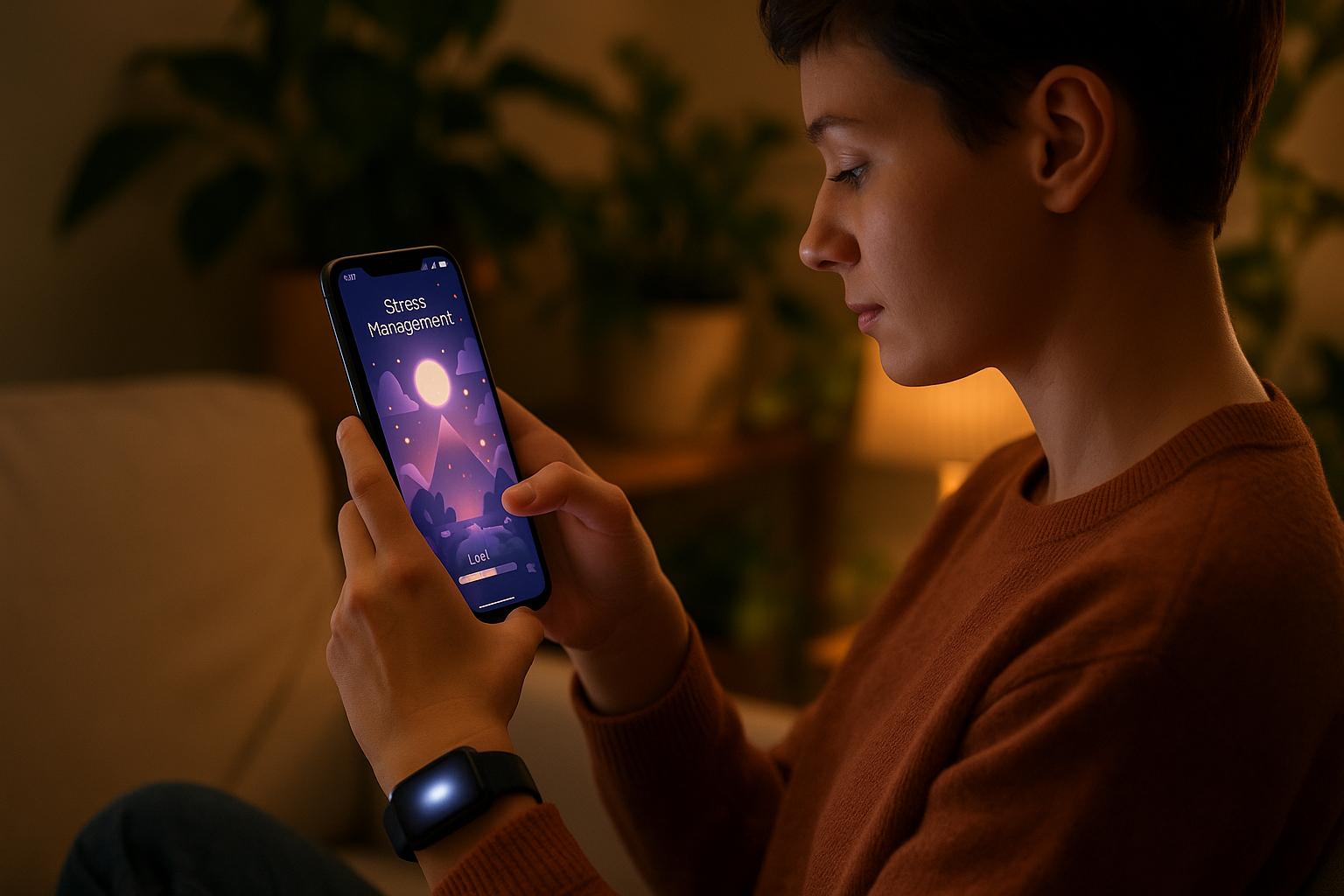
Stress is a growing challenge in the U.S., impacting sleep, productivity, and well-being. Many traditional methods for managing stress fail to keep people engaged long-term. Enter AI-powered gamified stress management apps, which combine artificial intelligence with game-like features to make stress relief more engaging and personalized.
These apps go beyond static solutions like meditation libraries by using AI to analyze your habits, mood, and even wearable data. They offer tailored suggestions - like breathing exercises or quick challenges - at the right time. Gamification adds features like streak tracking, badges, and progress bars, turning stress management into a rewarding, interactive experience.
Key features include:
Personalized recommendations based on real-time data (e.g., heart rate, sleep patterns).
Game mechanics like points, levels, and challenges to encourage consistency.
Wearable integration for real-time stress detection and actionable insights.
24/7 AI coaching for on-demand support tailored to your daily routine.
Apps like Healify are already leading this trend, helping users transform stress into manageable actions. However, these tools are not substitutes for professional mental health care and raise concerns around data privacy and ethical use.
Looking ahead, advancements like emotion sensing and integrated health platforms could make these apps even more effective for everyday use.
HOW GAMIFICATION TURNED OUT TO BE THE KEY TO MENTAL HEALTH
Key Features of AI-Powered Gamified Stress Management Apps
AI-powered gamified stress management apps blend cutting-edge technology with game-like elements to offer a tailored and engaging way to handle stress. These apps don’t just dish out generic advice - they adapt to your unique needs and learn from your habits to provide real-time support. Let’s dive into what makes these apps so effective.
AI Personalization and Adaptive Strategies
AI takes stress management to a new level by offering a personalized experience that evolves with you. It starts by assessing your baseline through onboarding questions and early mood check-ins. Then, it uses data like your app usage, mood ratings, and even biometric signals from wearables (e.g., heart rate, sleep patterns, and activity levels) to fine-tune your stress profile.
Here’s how it works: machine learning clusters users into behavioral groups and assigns routines that fit their lifestyles. For example, if you’re a night owl who struggles with anxiety, the app might recommend evening meditations. Desk workers might get reminders for midday stretches, while those dealing with high anxiety could receive quick cognitive reframing exercises. Over time, the app tracks which techniques work best for you - promoting those that lower your stress or improve your sleep - and adjusts the difficulty of exercises based on your progress.
AI can even step in when it notices you’re losing interest. For instance, if you skip a couple of sessions or your mood scores drop, the app might simplify your goals, shorten session times, or introduce a fun challenge to re-engage you. For busy Americans balancing work, family, and everything else, the app can also reschedule activities to fit your routine, whether that’s during your commute, lunch break, or evening downtime.
Take Healify, for example. This app uses data from wearables, biometrics, and lifestyle inputs to provide 24/7 coaching that adapts as your circumstances change. If it detects poor sleep patterns, it might suggest a quick walk or a calming breathing exercise to help you reset before stress builds up. One user shared their experience:
"I used to feel overwhelmed by health data on my iPhone and Apple Watch. Healify changed that, giving me clear guidance. My energy has improved, and I now know exactly what steps to take for better health."
– Sophie, Fitness Enthusiast [1]
This constant learning ensures your stress management plan stays relevant, even when life throws you curveballs.
Game Mechanics for Stress Management
Beyond personalization, gamification transforms stress management into something you’ll actually want to stick with. By adding game-like features, these apps make stress relief feel more like a rewarding adventure than a chore.
Streaks: Keep track of your daily habits - like completing a breathing exercise or mindfulness session - and build a visual record of your progress. Seeing those streaks grow can help you stay motivated, even on tough days.
Badges and Achievements: Celebrate milestones, like finishing your first week of daily check-ins or completing a longer program. These small rewards make you feel accomplished and encourage consistency.
Experience Points (XP) and Levels: Earn XP as you complete exercises and watch yourself level up, going from a “breathing novice” to a “resilience pro.” It’s a fun way to measure growth and build confidence.
Challenges and Quests: Break stress management into bite-sized tasks, such as “Do three 5-minute breathing sessions this week” or “Write in your gratitude journal for five days.” Framing these as quests adds a sense of adventure.
Progress Tracking: Visual tools like progress bars, mood charts, or maps of completed activities give you tangible proof of your efforts, which is especially helpful during slow progress periods.
A 2017 review of 62 stress management apps found that those combining gamification (like points, badges, and progress bars) with evidence-based techniques (such as mindfulness and breathing exercises) had higher engagement and better retention rates [3]. These game-like features fit seamlessly into busy American lifestyles, offering quick, stress-relief activities that don’t disrupt your day.
Wearable Integration and Real-Time Data
The integration of wearable devices takes stress management to the next level by providing real-time insights. Unlike static self-report systems, wearables like Apple Watch, Fitbit, and Garmin continuously monitor your body’s stress signals throughout the day.
Heart Rate Variability (HRV): A higher HRV generally indicates better stress resilience, while lower HRV can signal the need for extra recovery.
Resting Heart Rate: An elevated resting heart rate, especially alongside poor sleep, can be an early warning sign of rising stress.
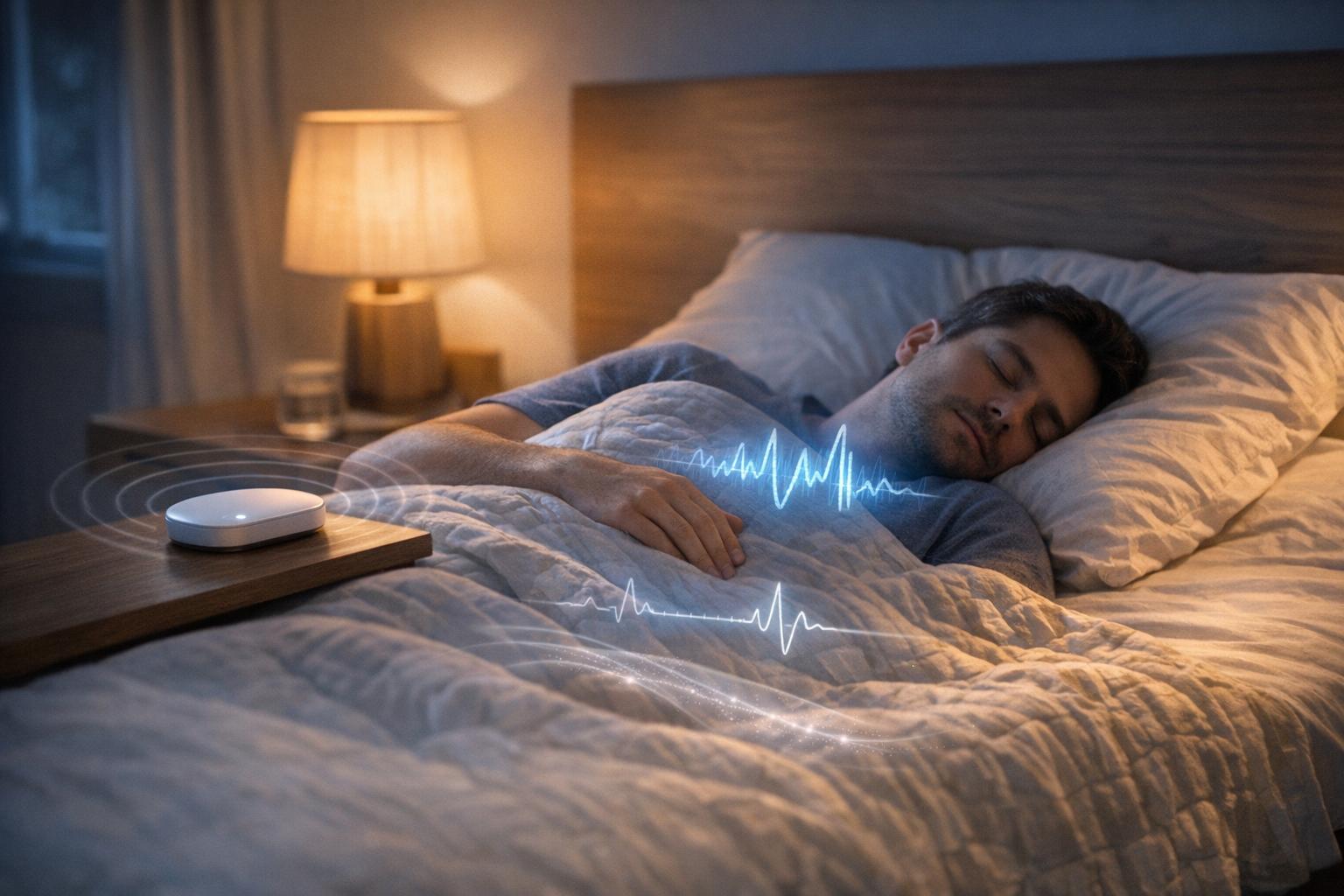
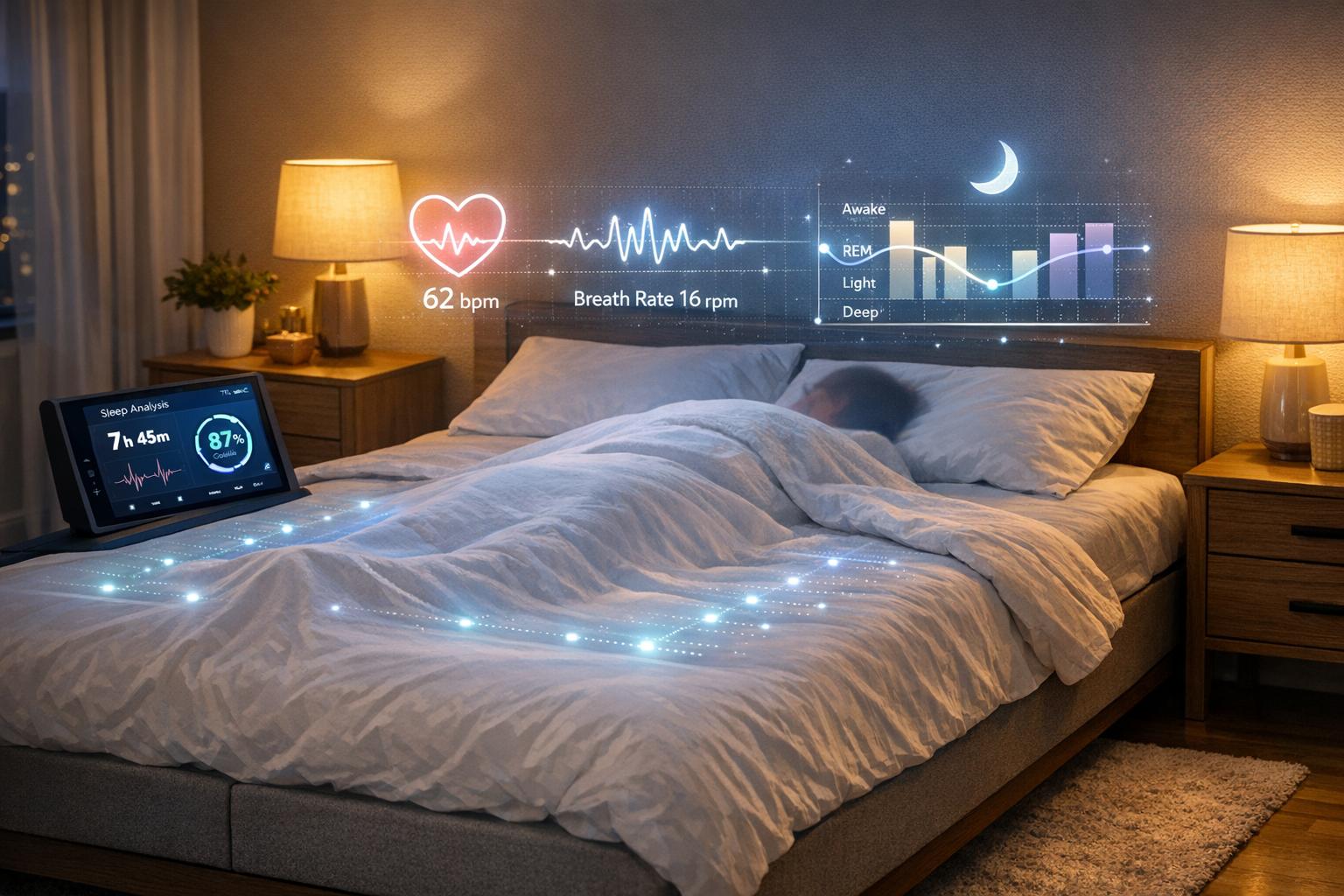
Sleep Data: Tracking your sleep duration, quality, and disruptions reveals how stress is impacting your recovery, helping the app suggest better sleep habits.
Activity Levels: Monitoring steps and movement helps the app know when you’ve been too sedentary, prompting you to take a quick walk or stretch.
For instance, if your HRV dips during a calm afternoon, the app might suggest a quick breathing exercise. Or, after a restless night, it could recommend lighter activities and remind you to prioritize rest. This kind of real-time feedback is especially valuable for users who rely on instant insights to adjust their routines.
Healify sets an example of this approach, using wearable data and biometric inputs to deliver instant alerts and actionable advice. As the app explains:
"Healify is your powered health companion, designed to decode your body in real time. From stress levels to sleep patterns, it provides personalized insights and actionable advice, empowering you to optimize your physical and mental well-being instantly."
– Healify AI [1]
How AI Health Coaching Supports Stress Management
AI health coaches are changing how we approach stress management, shifting from reactive solutions to proactive, real-time support. These systems use machine learning and behavioral science to analyze your data, offering tailored strategies that adapt as your needs evolve. By continuously learning from inputs like biometrics, mood logs, and behavior patterns, they can suggest timely interventions - whether it’s recommending a breathing exercise, a short walk, or framing feedback in a way that keeps you motivated.
What sets AI health coaches apart is their ability to actively monitor your signals and step in at the right moment. Instead of waiting for you to reach out for help, they turn stress prevention into a proactive practice, ensuring you’re supported before stress becomes overwhelming.
24/7 AI Health Coaching
One of the standout features of AI health coaching is its availability around the clock. Whether it’s 2:00 p.m. during a tough meeting or 2:00 a.m. when insomnia strikes, the app is there to provide personalized guidance. This constant support is especially helpful for busy Americans balancing work, family, and other demands.
During onboarding, the AI establishes your stress baseline by tracking your mood, biometrics, and daily habits. From there, it delivers tailored interventions like breathing exercises or reminders to take a walk.
Take Healify's AI health coach, Anna, for example. Anna operates 24/7, analyzing data from wearables, biometrics, bloodwork, and lifestyle inputs to deliver real-time support. If Anna detects elevated cortisol levels - say, a spike to 250 nmol/L - she immediately alerts you and suggests actionable steps. When a user named Andrea felt fatigued in the afternoon, Anna analyzed her activity data and offered this suggestion:
"Your activity is low today - try a quick 10-minute walk. A snack with almonds or dark chocolate will help restore energy naturally." [1]
To make stress management more engaging, Anna uses gamified elements like challenges and rewards. For example, she might create a 3-minute breathing challenge during a high-pressure moment or encourage a 10-minute walk after long periods of screen time. These challenges evolve based on your progress, keeping the experience both fun and effective.
Data-Driven Recommendations
AI health coaches rely on data from devices like the Apple Watch, Oura Ring, or Fitbit to detect early signs of stress or poor recovery. If your heart rate variability (HRV) drops, your sleep becomes fragmented, or sedentary time increases, the coach can recommend recovery strategies - like an earlier bedtime, lighter evening activities, or quick breathing exercises. Over time, these recommendations are fine-tuned based on how they impact your metrics.
By integrating data from wearables, lab results, and daily habits - like caffeine intake, step counts, screen time, and sleep patterns - AI coaches create personalized recovery plans. For instance, if a U.S. user is juggling long work hours, commuting, and family responsibilities, the system might notice that late-evening screen time and high afternoon caffeine levels are disrupting sleep. It could then suggest a phased plan with actionable goals, like cutting off caffeine by 2:00 p.m., adopting a 20-minute pre-bed offline routine, and setting weekend outdoor activity targets.
Apps like Healify take this approach further by combining data from multiple sources to offer clear, actionable plans. For example, it might translate complex health metrics into simple steps for improving sleep, managing stress, or enhancing overall well-being.
Many AI health coaches also incorporate proven methods like cognitive behavioral therapy (CBT), mindfulness-based stress reduction, and behavior change techniques such as self-monitoring and graded task assignments. These evidence-based frameworks ensure the guidance is both practical and effective.
Applications in U.S. Daily Life
AI coaching fits seamlessly into the routines of busy Americans. For office workers, the system can sync with your calendar to schedule micro-breaks, encourage brief walks, or send focus reminders during high-pressure periods. For remote workers, it might detect late-night computer activity and suggest a shutdown ritual, turning healthy boundaries into trackable goals like "5 days of on-time logoff."
For those dealing with commuting or caregiving stress, the AI might recommend in-car breathing exercises, audio mindfulness sessions, or transition rituals to ease the shift from one role to another. These everyday stressors become opportunities to build resilience through small, rewarding habits.
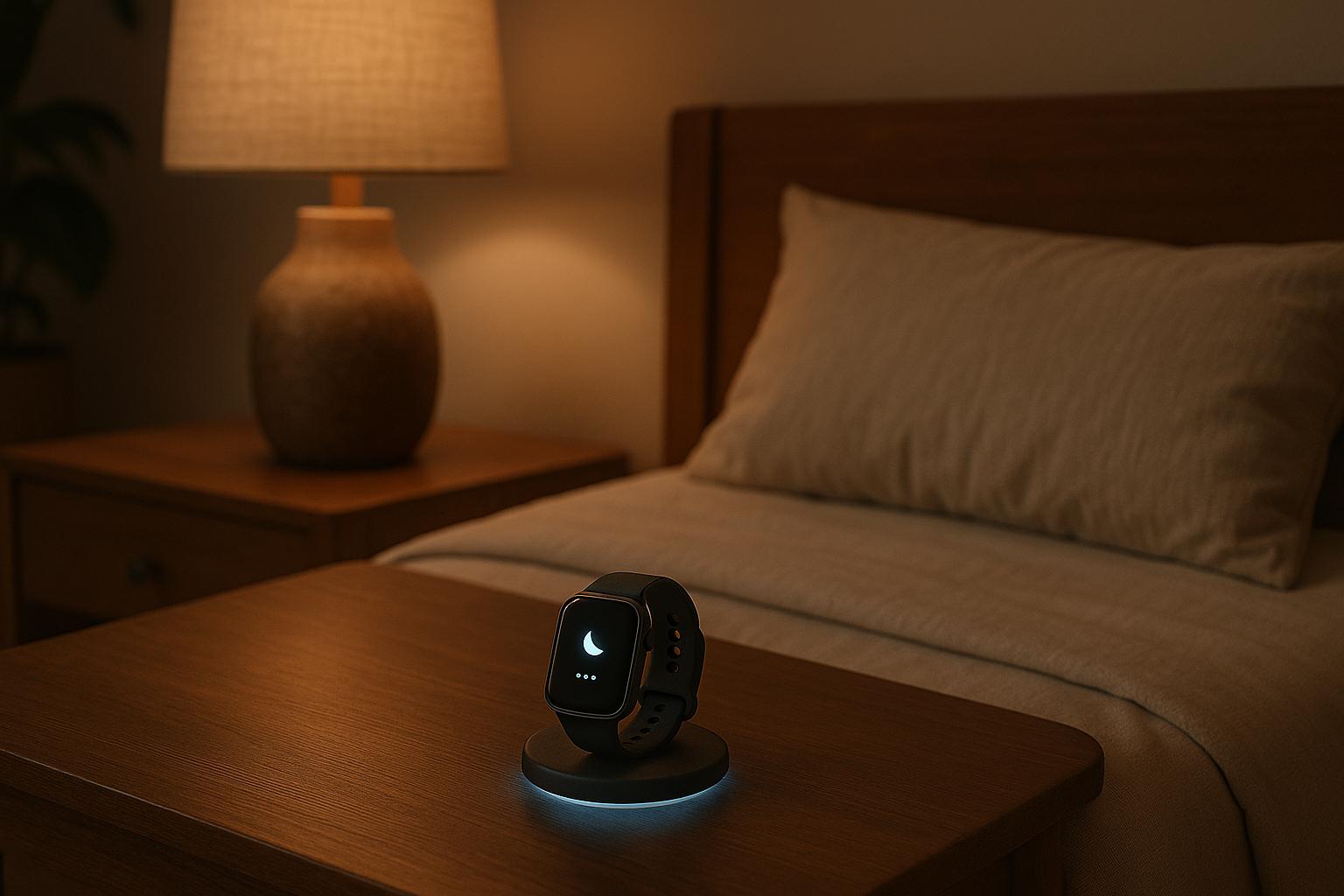
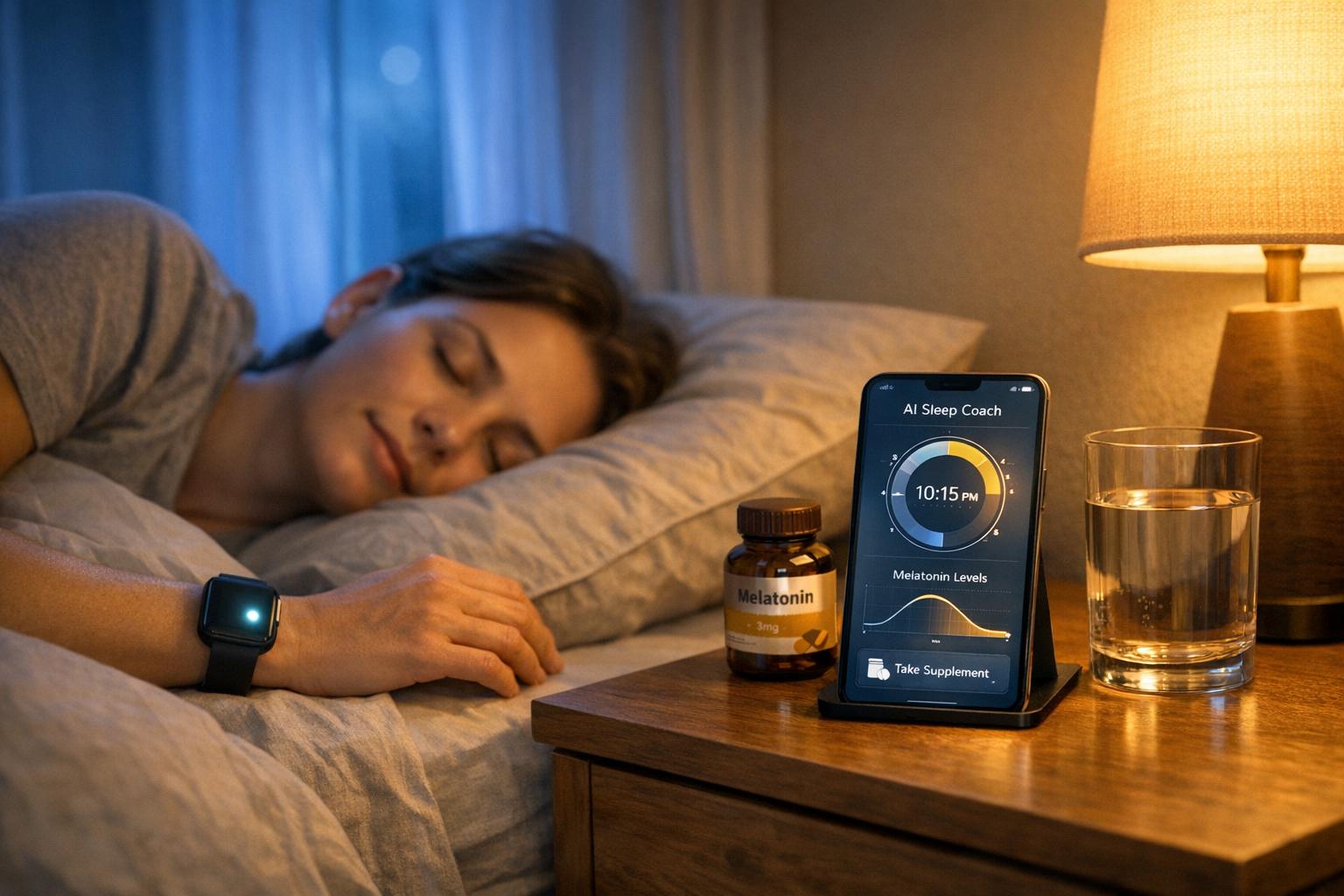
When it comes to sleep, AI health coaches analyze bedtime routines, wake times, and sleep-stage data alongside evening behaviors to create a personalized wind-down strategy. This might include avoiding heavy meals or intense exercise before bed, incorporating calming activities, and optimizing your bedroom environment. Suggestions are often framed as short, level-based missions to keep you engaged. For example, if poor sleep patterns are detected, the coach might recommend a quick walk or a breathing exercise to help reset your energy before stress builds up.
Gamification plays a key role in making these habits stick. Features like points, streaks, and levels turn abstract goals - like "reduce stress" - into measurable actions. You might earn rewards for daily check-ins, completing stress-relief exercises, or maintaining consistent sleep schedules. These small wins help reinforce long-term habits that build stress resilience.
For workplace stress, AI coaching can schedule reminders around commuting, lunch breaks, or late-afternoon slumps, embedding stress-relief practices into your day. Corporate teams using gamified AI wellness platforms have seen engagement increase by up to 60% compared to non-gamified options [2].
When exploring AI health coaching for stress management, it’s essential to understand how the app handles sensitive data like heart rate, sleep patterns, and lab results. Look for clear policies on encryption, data retention, and sharing. For those with medical or mental health conditions, AI coaching should complement - not replace - professional care, offering day-to-day support while major concerns are addressed by licensed experts.
Benefits and Limitations of AI-Gamified Stress Apps
AI-gamified stress apps are designed to reduce stress and build resilience, offering a mix of advantages and challenges. Understanding these can help you decide how to incorporate them into your wellness routine.
Benefits of AI-Gamified Stress Management
Combining AI's ability to personalize with gamification techniques has shown promising results in keeping users engaged. Research highlights that these apps often outperform traditional wellness programs in terms of participation and effectiveness [2].
Using machine learning, these apps adapt challenges, exercises, and rewards to your behavior, biometric data, and emotional patterns. This ensures activities remain interesting - neither too easy nor overwhelming [4][5]. For example, a University of Pennsylvania study found that users of SuperBetter reported noticeable reductions in depression and anxiety within just 30 days. Similar results have been observed in apps like Happify [4]. By turning everyday tasks into measurable milestones, these tools help users make steady progress toward better mental health.
Gamified features like mood-tracking rewards or streak achievements can be particularly helpful for those struggling with depression or finding it hard to feel joy. These features address reward-processing difficulties, making self-care more enjoyable and encouraging consistency. Over time, this can transform abstract goals into meaningful, achievable outcomes, promoting long-term stress resilience [5].
Another major advantage is accessibility. These apps are available 24/7, offering support outside regular office hours. They also provide valuable data-driven insights by tracking metrics like heart rate variability, sleep quality, and activity levels. This information can help identify stress triggers and guide tailored interventions. However, while the benefits are clear, these apps are not without limitations.
Limitations and Ethical Concerns
While these tools can be effective for managing mild to moderate stress and anxiety, they are not designed to handle severe mental health conditions such as major depression, suicidal thoughts, or acute anxiety disorders [4]. The gamification elements, while engaging, may create a misleading sense of progress, potentially delaying necessary professional help [4]. For serious mental health concerns, these apps should only be seen as supplementary tools.
Data privacy is another concern. These apps collect sensitive personal information - like mood patterns and biometric data - to tailor their recommendations. This raises questions about how securely this data is stored and whether it could be accessed without authorization [4]. It’s crucial for users to carefully review privacy policies and understand how their data will be used.
AI systems used in these apps also have limitations. They may struggle with interpreting sarcasm or understanding cultural differences in emotional expression, leading to recommendations that don’t fully align with a user’s needs [5].
Poorly designed gamification features can sometimes backfire. Competitive leaderboards, constant notifications, or time-based challenges might increase stress rather than reduce it. For instance, features that emphasize rivalry instead of support can create unnecessary pressure [2][4]. On the other hand, apps like Headspace focus on fostering community encouragement instead of competition, creating a more positive experience [6]. Additionally, some users may experience "gamification fatigue", where repetitive rewards lose their appeal over time [3].
Ethical considerations are also critical. Users should be fully informed about what data is collected, how it’s used, and how decisions are made by the app's algorithms [4]. While AI can provide continuous support, it lacks the nuanced understanding and clinical expertise of licensed mental health professionals. This means it may not effectively address complex emotions or atypical situations [5].
Future Trends in AI and Gamified Stress Management
The combination of AI and gamification is reshaping how stress is managed in the U.S., offering tools that are smarter, more engaging, and better suited for long-term mental health support. Advances in this space are making stress detection more precise, interventions more timely, and the overall experience more interactive.
Multimodal Emotion Sensing and Early Interventions
Stress management apps are evolving beyond basic self-reporting by integrating multiple data sources to provide a fuller picture of stress levels. This approach, known as multimodal emotion sensing, combines data like heart rate, breathing patterns, sleep quality, and even voice analysis to detect stress more effectively. For instance, subtle signs such as a rising resting heart rate, poor sleep, or negative self-reports can trigger timely interventions. Instead of waiting for users to feel overwhelmed, these systems might suggest a quick breathing exercise, a short cognitive challenge, or a relaxing stretching game - helping to address stress before it spirals.
For Americans, this technology fits seamlessly into daily life through popular wearables. These apps transform complex biometric data into simple, game-like prompts that can be done during a commute, between meetings, or even in the middle of a busy workday. Examples include workplace stress trackers, audio-based mini-games for commuters, and resilience-building quests tailored for college students during exam season. However, developers face challenges, such as ensuring accuracy when combining noisy data streams and addressing privacy concerns. Users must feel confident that their sensitive biometric data is secure and that any uncertainty in the system’s recommendations is clearly communicated.
This enhanced sensing technology is paving the way for integrated platforms that bring together various aspects of health management.
Integrated Health Coaching Platforms
The future of stress management is moving away from isolated apps toward unified platforms that combine stress, sleep, movement, nutrition, and even medical data. These integrated systems use AI to create personalized coaching experiences, often gamified to encourage participation. Instead of juggling multiple apps, users can access everything in one place, making it easier to see how habits like evening screen time might affect sleep and mood the next day.
Take Healify as an example. This app features an AI health coach named Anna, who provides round-the-clock guidance by analyzing data from wearables, biometrics, and lifestyle patterns. Anna can detect real-time stress indicators, such as high cortisol levels, and offer instant recommendations. Future platforms may include dashboards that display stress, sleep, and activity data, while also offering dynamic coaching and challenges tailored to individual needs.
In practice, this could look like "resilience paths" that turn workday calendar slots into stress-recovery games, or "evening wind-down modes" that gamify pre-sleep routines. Community-based challenges might even reward participants with incentives like cash prizes for completing stress-reduction campaigns sponsored by employers or cities. As these platforms start to integrate with electronic health records and employer wellness programs, designers will need to navigate complex issues around data sharing, ensuring transparency and giving users control over their information.
The Future of Gamification in Wellness Apps
Gamification in wellness apps is evolving to engage users in deeper, more meaningful ways. Instead of relying on basic points and badges, future designs will focus on promoting consistent habits, self-reflection, and emotional resilience. Features like adaptive quest lines that shift with life events, long-term "seasons" of play aligned with therapeutic goals, and rewards tied to personal progress - such as better sleep or fewer panic episodes - are on the horizon. Developers are also exploring ways to normalize taking breaks, offering "gentle reset" bonuses to encourage balance and avoid burnout.
Different groups will benefit from tailored experiences. For instance, employees might play short, context-aware games during 2–5 minute breaks, while students could engage in narrative-driven resilience games that unlock academic or social benefits. Parents might enjoy family quests that turn bedtime routines into cooperative challenges, and older adults could participate in activities like guided gratitude journaling, designed with simplicity and accessibility in mind. These activities may even include options for caregiver or clinician involvement when needed.
Social and collaborative gamification is also gaining traction. Instead of competitive leaderboards, which can sometimes increase stress, future apps will focus on team challenges and supportive leaderboards that foster connection and accountability. Responsible design will play a key role, ensuring that gamification avoids harmful practices like endless streak pressure or unhealthy comparisons. Clear communication about monetization and easy access to professional help will also be essential.
To bring these ideas to life, product teams can start small - by incorporating basic stress signals from wearables and simple quests - before advancing to AI-driven coaching that links stress, sleep, and activity data into personalized missions. Over time, features like context-aware nudges tied to calendar events or commute times can be added. The goal isn’t to make apps more addictive but to create tools that are effective, personalized, and seamlessly woven into everyday life. As these technologies advance, they have the potential to turn abstract wellness goals into practical, achievable steps that help Americans manage stress more effectively.
Conclusion
AI and gamification are reshaping how we approach stress management, turning what was once a clinical process into something engaging and accessible for everyday life. These technologies tackle common hurdles like high stress levels, fragmented healthcare systems, and the overwhelming flow of health data that many Americans face daily.
What sets this approach apart is its ability to provide tailored, real-time interventions. AI leverages data from wearables and biometric devices to deliver personalized strategies exactly when they’re needed. Meanwhile, gamification keeps users motivated by incorporating features like streaks, progress tracking, quests, and badges. These elements tap into the brain’s reward system, making it easier - and more enjoyable - to build habits that reduce stress.
Take Healify’s AI coach, Anna, for example. Available 24/7, Anna simplifies complex health data into actionable steps, offering personalized guidance for users balancing the demands of work, family, and personal well-being. This kind of proactive support transforms stress management from just another item on the to-do list into a collaborative effort toward better health.
Looking ahead, the potential for wellness apps is even greater. Future advancements could include multimodal emotion sensing, which uses voice, facial expressions, and biometric patterns to detect stress before it escalates. Integrated platforms may combine stress management with other wellness areas like sleep, movement, and nutrition, creating seamless, all-in-one solutions. Gamification will also become more sophisticated, moving beyond basic points to introduce adaptive challenges, narrative-driven resilience tools, and even collaborative activities that foster real connections.
It’s important to remember, however, that these tools are meant to complement - not replace - professional mental health care. When designed ethically, with strong data protection measures, AI-powered apps can empower users while ensuring they know when to seek human support for more complex issues like severe anxiety or depression. Used thoughtfully, these technologies can help transform wellness goals into meaningful, lasting actions, giving Americans the tools they need to build resilience and thrive.
FAQs
How do AI-driven gamified stress management apps protect user data and ensure privacy?
AI-driven gamified stress management apps take user privacy and security seriously. They use advanced encryption, secure data storage, and adhere to strict privacy regulations like HIPAA and GDPR to safeguard personal information, including sensitive health and biometric data, from unauthorized access.
Many of these apps also offer clear, easy-to-understand privacy policies and give users control over what data they choose to share. By blending modern technology with responsible data handling, these apps provide a safe space for users to focus on enhancing their mental well-being.
How does Healify's AI health coach, Anna, tailor recommendations to match different lifestyles and stress levels?
Healify's AI health coach, Anna, is designed to offer guidance that aligns perfectly with your lifestyle and stress management needs. By tapping into data from wearables, biometrics, blood tests, and even your daily routines, Anna spots trends and delivers advice tailored specifically to you.
Whether you're juggling a packed calendar, trying to enhance your sleep quality, or working to lower stress levels, Anna adapts her recommendations in real time to keep you on track toward your health and wellness goals.
What are the challenges of using AI and gamification for stress management, and when should you consider professional mental health support?
While AI and gamification bring exciting possibilities to stress management apps, they do come with their own set of challenges. AI insights depend heavily on the quality and accuracy of the data they receive, which means their effectiveness can vary. Similarly, gamified features might not appeal to everyone and often fall short when it comes to tackling deeper emotional struggles. These tools are designed to offer general support, but they aren't a substitute for personalized care in more complex situations.
If you're dealing with ongoing stress, severe anxiety, or other mental health issues that disrupt your daily life, reaching out to a licensed mental health professional is crucial. These apps can be valuable for prevention and extra support, but they should always be seen as a complement to - not a replacement for - professional care when it's truly needed.
Related Blog Posts
Stress is a growing challenge in the U.S., impacting sleep, productivity, and well-being. Many traditional methods for managing stress fail to keep people engaged long-term. Enter AI-powered gamified stress management apps, which combine artificial intelligence with game-like features to make stress relief more engaging and personalized.
These apps go beyond static solutions like meditation libraries by using AI to analyze your habits, mood, and even wearable data. They offer tailored suggestions - like breathing exercises or quick challenges - at the right time. Gamification adds features like streak tracking, badges, and progress bars, turning stress management into a rewarding, interactive experience.
Key features include:
Personalized recommendations based on real-time data (e.g., heart rate, sleep patterns).
Game mechanics like points, levels, and challenges to encourage consistency.
Wearable integration for real-time stress detection and actionable insights.
24/7 AI coaching for on-demand support tailored to your daily routine.
Apps like Healify are already leading this trend, helping users transform stress into manageable actions. However, these tools are not substitutes for professional mental health care and raise concerns around data privacy and ethical use.
Looking ahead, advancements like emotion sensing and integrated health platforms could make these apps even more effective for everyday use.
HOW GAMIFICATION TURNED OUT TO BE THE KEY TO MENTAL HEALTH
Key Features of AI-Powered Gamified Stress Management Apps
AI-powered gamified stress management apps blend cutting-edge technology with game-like elements to offer a tailored and engaging way to handle stress. These apps don’t just dish out generic advice - they adapt to your unique needs and learn from your habits to provide real-time support. Let’s dive into what makes these apps so effective.
AI Personalization and Adaptive Strategies
AI takes stress management to a new level by offering a personalized experience that evolves with you. It starts by assessing your baseline through onboarding questions and early mood check-ins. Then, it uses data like your app usage, mood ratings, and even biometric signals from wearables (e.g., heart rate, sleep patterns, and activity levels) to fine-tune your stress profile.
Here’s how it works: machine learning clusters users into behavioral groups and assigns routines that fit their lifestyles. For example, if you’re a night owl who struggles with anxiety, the app might recommend evening meditations. Desk workers might get reminders for midday stretches, while those dealing with high anxiety could receive quick cognitive reframing exercises. Over time, the app tracks which techniques work best for you - promoting those that lower your stress or improve your sleep - and adjusts the difficulty of exercises based on your progress.
AI can even step in when it notices you’re losing interest. For instance, if you skip a couple of sessions or your mood scores drop, the app might simplify your goals, shorten session times, or introduce a fun challenge to re-engage you. For busy Americans balancing work, family, and everything else, the app can also reschedule activities to fit your routine, whether that’s during your commute, lunch break, or evening downtime.
Take Healify, for example. This app uses data from wearables, biometrics, and lifestyle inputs to provide 24/7 coaching that adapts as your circumstances change. If it detects poor sleep patterns, it might suggest a quick walk or a calming breathing exercise to help you reset before stress builds up. One user shared their experience:
"I used to feel overwhelmed by health data on my iPhone and Apple Watch. Healify changed that, giving me clear guidance. My energy has improved, and I now know exactly what steps to take for better health."
– Sophie, Fitness Enthusiast [1]
This constant learning ensures your stress management plan stays relevant, even when life throws you curveballs.
Game Mechanics for Stress Management
Beyond personalization, gamification transforms stress management into something you’ll actually want to stick with. By adding game-like features, these apps make stress relief feel more like a rewarding adventure than a chore.
Streaks: Keep track of your daily habits - like completing a breathing exercise or mindfulness session - and build a visual record of your progress. Seeing those streaks grow can help you stay motivated, even on tough days.
Badges and Achievements: Celebrate milestones, like finishing your first week of daily check-ins or completing a longer program. These small rewards make you feel accomplished and encourage consistency.
Experience Points (XP) and Levels: Earn XP as you complete exercises and watch yourself level up, going from a “breathing novice” to a “resilience pro.” It’s a fun way to measure growth and build confidence.
Challenges and Quests: Break stress management into bite-sized tasks, such as “Do three 5-minute breathing sessions this week” or “Write in your gratitude journal for five days.” Framing these as quests adds a sense of adventure.
Progress Tracking: Visual tools like progress bars, mood charts, or maps of completed activities give you tangible proof of your efforts, which is especially helpful during slow progress periods.
A 2017 review of 62 stress management apps found that those combining gamification (like points, badges, and progress bars) with evidence-based techniques (such as mindfulness and breathing exercises) had higher engagement and better retention rates [3]. These game-like features fit seamlessly into busy American lifestyles, offering quick, stress-relief activities that don’t disrupt your day.
Wearable Integration and Real-Time Data
The integration of wearable devices takes stress management to the next level by providing real-time insights. Unlike static self-report systems, wearables like Apple Watch, Fitbit, and Garmin continuously monitor your body’s stress signals throughout the day.
Heart Rate Variability (HRV): A higher HRV generally indicates better stress resilience, while lower HRV can signal the need for extra recovery.
Resting Heart Rate: An elevated resting heart rate, especially alongside poor sleep, can be an early warning sign of rising stress.
Sleep Data: Tracking your sleep duration, quality, and disruptions reveals how stress is impacting your recovery, helping the app suggest better sleep habits.
Activity Levels: Monitoring steps and movement helps the app know when you’ve been too sedentary, prompting you to take a quick walk or stretch.
For instance, if your HRV dips during a calm afternoon, the app might suggest a quick breathing exercise. Or, after a restless night, it could recommend lighter activities and remind you to prioritize rest. This kind of real-time feedback is especially valuable for users who rely on instant insights to adjust their routines.
Healify sets an example of this approach, using wearable data and biometric inputs to deliver instant alerts and actionable advice. As the app explains:
"Healify is your powered health companion, designed to decode your body in real time. From stress levels to sleep patterns, it provides personalized insights and actionable advice, empowering you to optimize your physical and mental well-being instantly."
– Healify AI [1]
How AI Health Coaching Supports Stress Management
AI health coaches are changing how we approach stress management, shifting from reactive solutions to proactive, real-time support. These systems use machine learning and behavioral science to analyze your data, offering tailored strategies that adapt as your needs evolve. By continuously learning from inputs like biometrics, mood logs, and behavior patterns, they can suggest timely interventions - whether it’s recommending a breathing exercise, a short walk, or framing feedback in a way that keeps you motivated.
What sets AI health coaches apart is their ability to actively monitor your signals and step in at the right moment. Instead of waiting for you to reach out for help, they turn stress prevention into a proactive practice, ensuring you’re supported before stress becomes overwhelming.
24/7 AI Health Coaching
One of the standout features of AI health coaching is its availability around the clock. Whether it’s 2:00 p.m. during a tough meeting or 2:00 a.m. when insomnia strikes, the app is there to provide personalized guidance. This constant support is especially helpful for busy Americans balancing work, family, and other demands.
During onboarding, the AI establishes your stress baseline by tracking your mood, biometrics, and daily habits. From there, it delivers tailored interventions like breathing exercises or reminders to take a walk.
Take Healify's AI health coach, Anna, for example. Anna operates 24/7, analyzing data from wearables, biometrics, bloodwork, and lifestyle inputs to deliver real-time support. If Anna detects elevated cortisol levels - say, a spike to 250 nmol/L - she immediately alerts you and suggests actionable steps. When a user named Andrea felt fatigued in the afternoon, Anna analyzed her activity data and offered this suggestion:
"Your activity is low today - try a quick 10-minute walk. A snack with almonds or dark chocolate will help restore energy naturally." [1]
To make stress management more engaging, Anna uses gamified elements like challenges and rewards. For example, she might create a 3-minute breathing challenge during a high-pressure moment or encourage a 10-minute walk after long periods of screen time. These challenges evolve based on your progress, keeping the experience both fun and effective.
Data-Driven Recommendations
AI health coaches rely on data from devices like the Apple Watch, Oura Ring, or Fitbit to detect early signs of stress or poor recovery. If your heart rate variability (HRV) drops, your sleep becomes fragmented, or sedentary time increases, the coach can recommend recovery strategies - like an earlier bedtime, lighter evening activities, or quick breathing exercises. Over time, these recommendations are fine-tuned based on how they impact your metrics.
By integrating data from wearables, lab results, and daily habits - like caffeine intake, step counts, screen time, and sleep patterns - AI coaches create personalized recovery plans. For instance, if a U.S. user is juggling long work hours, commuting, and family responsibilities, the system might notice that late-evening screen time and high afternoon caffeine levels are disrupting sleep. It could then suggest a phased plan with actionable goals, like cutting off caffeine by 2:00 p.m., adopting a 20-minute pre-bed offline routine, and setting weekend outdoor activity targets.
Apps like Healify take this approach further by combining data from multiple sources to offer clear, actionable plans. For example, it might translate complex health metrics into simple steps for improving sleep, managing stress, or enhancing overall well-being.
Many AI health coaches also incorporate proven methods like cognitive behavioral therapy (CBT), mindfulness-based stress reduction, and behavior change techniques such as self-monitoring and graded task assignments. These evidence-based frameworks ensure the guidance is both practical and effective.
Applications in U.S. Daily Life
AI coaching fits seamlessly into the routines of busy Americans. For office workers, the system can sync with your calendar to schedule micro-breaks, encourage brief walks, or send focus reminders during high-pressure periods. For remote workers, it might detect late-night computer activity and suggest a shutdown ritual, turning healthy boundaries into trackable goals like "5 days of on-time logoff."
For those dealing with commuting or caregiving stress, the AI might recommend in-car breathing exercises, audio mindfulness sessions, or transition rituals to ease the shift from one role to another. These everyday stressors become opportunities to build resilience through small, rewarding habits.
When it comes to sleep, AI health coaches analyze bedtime routines, wake times, and sleep-stage data alongside evening behaviors to create a personalized wind-down strategy. This might include avoiding heavy meals or intense exercise before bed, incorporating calming activities, and optimizing your bedroom environment. Suggestions are often framed as short, level-based missions to keep you engaged. For example, if poor sleep patterns are detected, the coach might recommend a quick walk or a breathing exercise to help reset your energy before stress builds up.
Gamification plays a key role in making these habits stick. Features like points, streaks, and levels turn abstract goals - like "reduce stress" - into measurable actions. You might earn rewards for daily check-ins, completing stress-relief exercises, or maintaining consistent sleep schedules. These small wins help reinforce long-term habits that build stress resilience.
For workplace stress, AI coaching can schedule reminders around commuting, lunch breaks, or late-afternoon slumps, embedding stress-relief practices into your day. Corporate teams using gamified AI wellness platforms have seen engagement increase by up to 60% compared to non-gamified options [2].
When exploring AI health coaching for stress management, it’s essential to understand how the app handles sensitive data like heart rate, sleep patterns, and lab results. Look for clear policies on encryption, data retention, and sharing. For those with medical or mental health conditions, AI coaching should complement - not replace - professional care, offering day-to-day support while major concerns are addressed by licensed experts.
Benefits and Limitations of AI-Gamified Stress Apps
AI-gamified stress apps are designed to reduce stress and build resilience, offering a mix of advantages and challenges. Understanding these can help you decide how to incorporate them into your wellness routine.
Benefits of AI-Gamified Stress Management
Combining AI's ability to personalize with gamification techniques has shown promising results in keeping users engaged. Research highlights that these apps often outperform traditional wellness programs in terms of participation and effectiveness [2].
Using machine learning, these apps adapt challenges, exercises, and rewards to your behavior, biometric data, and emotional patterns. This ensures activities remain interesting - neither too easy nor overwhelming [4][5]. For example, a University of Pennsylvania study found that users of SuperBetter reported noticeable reductions in depression and anxiety within just 30 days. Similar results have been observed in apps like Happify [4]. By turning everyday tasks into measurable milestones, these tools help users make steady progress toward better mental health.
Gamified features like mood-tracking rewards or streak achievements can be particularly helpful for those struggling with depression or finding it hard to feel joy. These features address reward-processing difficulties, making self-care more enjoyable and encouraging consistency. Over time, this can transform abstract goals into meaningful, achievable outcomes, promoting long-term stress resilience [5].
Another major advantage is accessibility. These apps are available 24/7, offering support outside regular office hours. They also provide valuable data-driven insights by tracking metrics like heart rate variability, sleep quality, and activity levels. This information can help identify stress triggers and guide tailored interventions. However, while the benefits are clear, these apps are not without limitations.
Limitations and Ethical Concerns
While these tools can be effective for managing mild to moderate stress and anxiety, they are not designed to handle severe mental health conditions such as major depression, suicidal thoughts, or acute anxiety disorders [4]. The gamification elements, while engaging, may create a misleading sense of progress, potentially delaying necessary professional help [4]. For serious mental health concerns, these apps should only be seen as supplementary tools.
Data privacy is another concern. These apps collect sensitive personal information - like mood patterns and biometric data - to tailor their recommendations. This raises questions about how securely this data is stored and whether it could be accessed without authorization [4]. It’s crucial for users to carefully review privacy policies and understand how their data will be used.
AI systems used in these apps also have limitations. They may struggle with interpreting sarcasm or understanding cultural differences in emotional expression, leading to recommendations that don’t fully align with a user’s needs [5].
Poorly designed gamification features can sometimes backfire. Competitive leaderboards, constant notifications, or time-based challenges might increase stress rather than reduce it. For instance, features that emphasize rivalry instead of support can create unnecessary pressure [2][4]. On the other hand, apps like Headspace focus on fostering community encouragement instead of competition, creating a more positive experience [6]. Additionally, some users may experience "gamification fatigue", where repetitive rewards lose their appeal over time [3].
Ethical considerations are also critical. Users should be fully informed about what data is collected, how it’s used, and how decisions are made by the app's algorithms [4]. While AI can provide continuous support, it lacks the nuanced understanding and clinical expertise of licensed mental health professionals. This means it may not effectively address complex emotions or atypical situations [5].
Future Trends in AI and Gamified Stress Management
The combination of AI and gamification is reshaping how stress is managed in the U.S., offering tools that are smarter, more engaging, and better suited for long-term mental health support. Advances in this space are making stress detection more precise, interventions more timely, and the overall experience more interactive.
Multimodal Emotion Sensing and Early Interventions
Stress management apps are evolving beyond basic self-reporting by integrating multiple data sources to provide a fuller picture of stress levels. This approach, known as multimodal emotion sensing, combines data like heart rate, breathing patterns, sleep quality, and even voice analysis to detect stress more effectively. For instance, subtle signs such as a rising resting heart rate, poor sleep, or negative self-reports can trigger timely interventions. Instead of waiting for users to feel overwhelmed, these systems might suggest a quick breathing exercise, a short cognitive challenge, or a relaxing stretching game - helping to address stress before it spirals.
For Americans, this technology fits seamlessly into daily life through popular wearables. These apps transform complex biometric data into simple, game-like prompts that can be done during a commute, between meetings, or even in the middle of a busy workday. Examples include workplace stress trackers, audio-based mini-games for commuters, and resilience-building quests tailored for college students during exam season. However, developers face challenges, such as ensuring accuracy when combining noisy data streams and addressing privacy concerns. Users must feel confident that their sensitive biometric data is secure and that any uncertainty in the system’s recommendations is clearly communicated.
This enhanced sensing technology is paving the way for integrated platforms that bring together various aspects of health management.
Integrated Health Coaching Platforms
The future of stress management is moving away from isolated apps toward unified platforms that combine stress, sleep, movement, nutrition, and even medical data. These integrated systems use AI to create personalized coaching experiences, often gamified to encourage participation. Instead of juggling multiple apps, users can access everything in one place, making it easier to see how habits like evening screen time might affect sleep and mood the next day.
Take Healify as an example. This app features an AI health coach named Anna, who provides round-the-clock guidance by analyzing data from wearables, biometrics, and lifestyle patterns. Anna can detect real-time stress indicators, such as high cortisol levels, and offer instant recommendations. Future platforms may include dashboards that display stress, sleep, and activity data, while also offering dynamic coaching and challenges tailored to individual needs.
In practice, this could look like "resilience paths" that turn workday calendar slots into stress-recovery games, or "evening wind-down modes" that gamify pre-sleep routines. Community-based challenges might even reward participants with incentives like cash prizes for completing stress-reduction campaigns sponsored by employers or cities. As these platforms start to integrate with electronic health records and employer wellness programs, designers will need to navigate complex issues around data sharing, ensuring transparency and giving users control over their information.
The Future of Gamification in Wellness Apps
Gamification in wellness apps is evolving to engage users in deeper, more meaningful ways. Instead of relying on basic points and badges, future designs will focus on promoting consistent habits, self-reflection, and emotional resilience. Features like adaptive quest lines that shift with life events, long-term "seasons" of play aligned with therapeutic goals, and rewards tied to personal progress - such as better sleep or fewer panic episodes - are on the horizon. Developers are also exploring ways to normalize taking breaks, offering "gentle reset" bonuses to encourage balance and avoid burnout.
Different groups will benefit from tailored experiences. For instance, employees might play short, context-aware games during 2–5 minute breaks, while students could engage in narrative-driven resilience games that unlock academic or social benefits. Parents might enjoy family quests that turn bedtime routines into cooperative challenges, and older adults could participate in activities like guided gratitude journaling, designed with simplicity and accessibility in mind. These activities may even include options for caregiver or clinician involvement when needed.
Social and collaborative gamification is also gaining traction. Instead of competitive leaderboards, which can sometimes increase stress, future apps will focus on team challenges and supportive leaderboards that foster connection and accountability. Responsible design will play a key role, ensuring that gamification avoids harmful practices like endless streak pressure or unhealthy comparisons. Clear communication about monetization and easy access to professional help will also be essential.
To bring these ideas to life, product teams can start small - by incorporating basic stress signals from wearables and simple quests - before advancing to AI-driven coaching that links stress, sleep, and activity data into personalized missions. Over time, features like context-aware nudges tied to calendar events or commute times can be added. The goal isn’t to make apps more addictive but to create tools that are effective, personalized, and seamlessly woven into everyday life. As these technologies advance, they have the potential to turn abstract wellness goals into practical, achievable steps that help Americans manage stress more effectively.
Conclusion
AI and gamification are reshaping how we approach stress management, turning what was once a clinical process into something engaging and accessible for everyday life. These technologies tackle common hurdles like high stress levels, fragmented healthcare systems, and the overwhelming flow of health data that many Americans face daily.
What sets this approach apart is its ability to provide tailored, real-time interventions. AI leverages data from wearables and biometric devices to deliver personalized strategies exactly when they’re needed. Meanwhile, gamification keeps users motivated by incorporating features like streaks, progress tracking, quests, and badges. These elements tap into the brain’s reward system, making it easier - and more enjoyable - to build habits that reduce stress.
Take Healify’s AI coach, Anna, for example. Available 24/7, Anna simplifies complex health data into actionable steps, offering personalized guidance for users balancing the demands of work, family, and personal well-being. This kind of proactive support transforms stress management from just another item on the to-do list into a collaborative effort toward better health.
Looking ahead, the potential for wellness apps is even greater. Future advancements could include multimodal emotion sensing, which uses voice, facial expressions, and biometric patterns to detect stress before it escalates. Integrated platforms may combine stress management with other wellness areas like sleep, movement, and nutrition, creating seamless, all-in-one solutions. Gamification will also become more sophisticated, moving beyond basic points to introduce adaptive challenges, narrative-driven resilience tools, and even collaborative activities that foster real connections.
It’s important to remember, however, that these tools are meant to complement - not replace - professional mental health care. When designed ethically, with strong data protection measures, AI-powered apps can empower users while ensuring they know when to seek human support for more complex issues like severe anxiety or depression. Used thoughtfully, these technologies can help transform wellness goals into meaningful, lasting actions, giving Americans the tools they need to build resilience and thrive.
FAQs
How do AI-driven gamified stress management apps protect user data and ensure privacy?
AI-driven gamified stress management apps take user privacy and security seriously. They use advanced encryption, secure data storage, and adhere to strict privacy regulations like HIPAA and GDPR to safeguard personal information, including sensitive health and biometric data, from unauthorized access.
Many of these apps also offer clear, easy-to-understand privacy policies and give users control over what data they choose to share. By blending modern technology with responsible data handling, these apps provide a safe space for users to focus on enhancing their mental well-being.
How does Healify's AI health coach, Anna, tailor recommendations to match different lifestyles and stress levels?
Healify's AI health coach, Anna, is designed to offer guidance that aligns perfectly with your lifestyle and stress management needs. By tapping into data from wearables, biometrics, blood tests, and even your daily routines, Anna spots trends and delivers advice tailored specifically to you.
Whether you're juggling a packed calendar, trying to enhance your sleep quality, or working to lower stress levels, Anna adapts her recommendations in real time to keep you on track toward your health and wellness goals.
What are the challenges of using AI and gamification for stress management, and when should you consider professional mental health support?
While AI and gamification bring exciting possibilities to stress management apps, they do come with their own set of challenges. AI insights depend heavily on the quality and accuracy of the data they receive, which means their effectiveness can vary. Similarly, gamified features might not appeal to everyone and often fall short when it comes to tackling deeper emotional struggles. These tools are designed to offer general support, but they aren't a substitute for personalized care in more complex situations.
If you're dealing with ongoing stress, severe anxiety, or other mental health issues that disrupt your daily life, reaching out to a licensed mental health professional is crucial. These apps can be valuable for prevention and extra support, but they should always be seen as a complement to - not a replacement for - professional care when it's truly needed.
Related Blog Posts
Endlich die Kontrolle über Ihre Gesundheit übernehmen

Endlich die Kontrolle über Ihre Gesundheit übernehmen
Endlich die Kontrolle über Ihre Gesundheit übernehmen