Improve your health
Improve your health
Improve your health
18. November 2025
How AI Analyzes Immune Data from Wearables
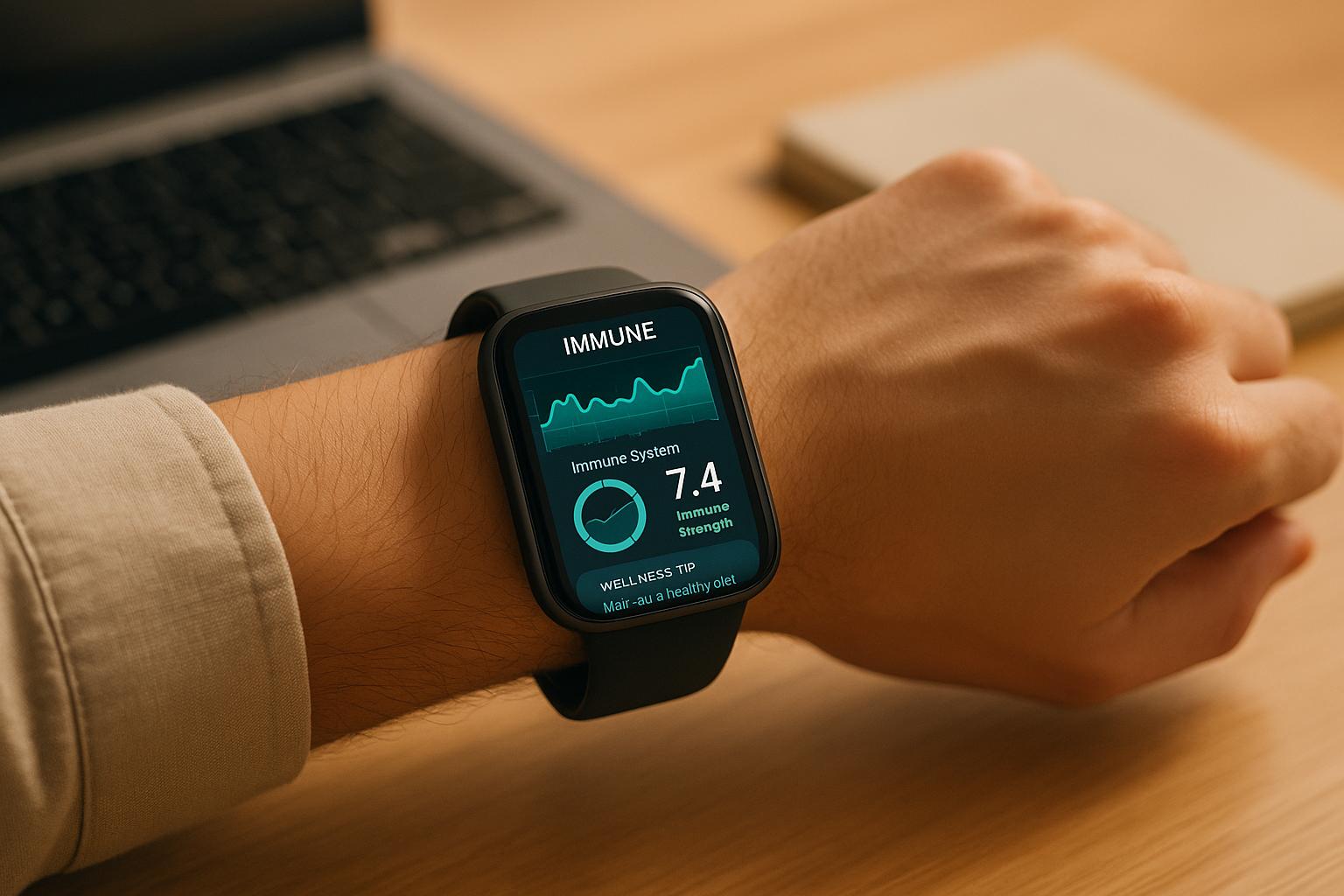
Your smartwatch does more than track steps - it can monitor your immune health. AI processes data like heart rate, body temperature, and sleep patterns from wearables to detect early signs of immune responses, such as inflammation or stress. This tech helps prevent illnesses by identifying issues before symptoms appear. Tools like Healify take it further, offering actionable advice tailored to your unique health data. While promising, challenges like data accuracy, privacy, and integration with healthcare systems remain. Here's how AI and wearables are shaping immune health monitoring.
Continuous Health Monitoring Webinar | AI, Wearables & Preventive Care
Types of Wearable Devices and Data Collection
Wearable technology has come a long way from simple step trackers. Today’s devices are capable of monitoring complex physiological signals, offering AI systems a clearer picture of your immune system's status. Let’s dive into how these devices and their sensors transform raw data into actionable insights about immune health.
Common Wearable Devices for Immune Monitoring
When it comes to immune monitoring, smartwatches and smart rings take center stage. Devices like the Apple Watch, for instance, integrate with platforms such as Healify, tracking multiple health metrics simultaneously. Using optical and electrical sensors, these wearables monitor heart rate, heart rate variability (HRV), and body temperature changes - key indicators of immune activity.
Smart rings, designed for 24/7 wear, are lightweight and unobtrusive, capturing data during sleep and daily activities. Both smartwatches and rings transmit this information wirelessly via Bluetooth or Wi-Fi to your smartphone, where AI processes it in real time.
For a more comprehensive approach, sensor-equipped clothing incorporates flexible electronics or textile-based sensors directly into fabrics. This allows monitoring of metrics like temperature changes, respiratory patterns, and movement across larger areas of the body, such as the torso or limbs. Unlike single-point trackers, smart clothing offers continuous, detailed data collection without the hassle of managing separate devices. This makes it particularly useful for athletes or anyone needing constant monitoring during physical activity.
Each of these devices collects critical physiological data that, when analyzed, provides a clearer picture of your immune system's status.
Key Metrics for Immune Health
Several physiological metrics are essential for understanding immune health:
Heart Rate Variability (HRV): HRV reflects the balance of your autonomic nervous system. Changes in HRV often occur when the immune system is activated in response to stress or threats.
Body Temperature: Fluctuations in body temperature - whether skin or core - can signal early signs of infection or inflammation, indicating an immune response.
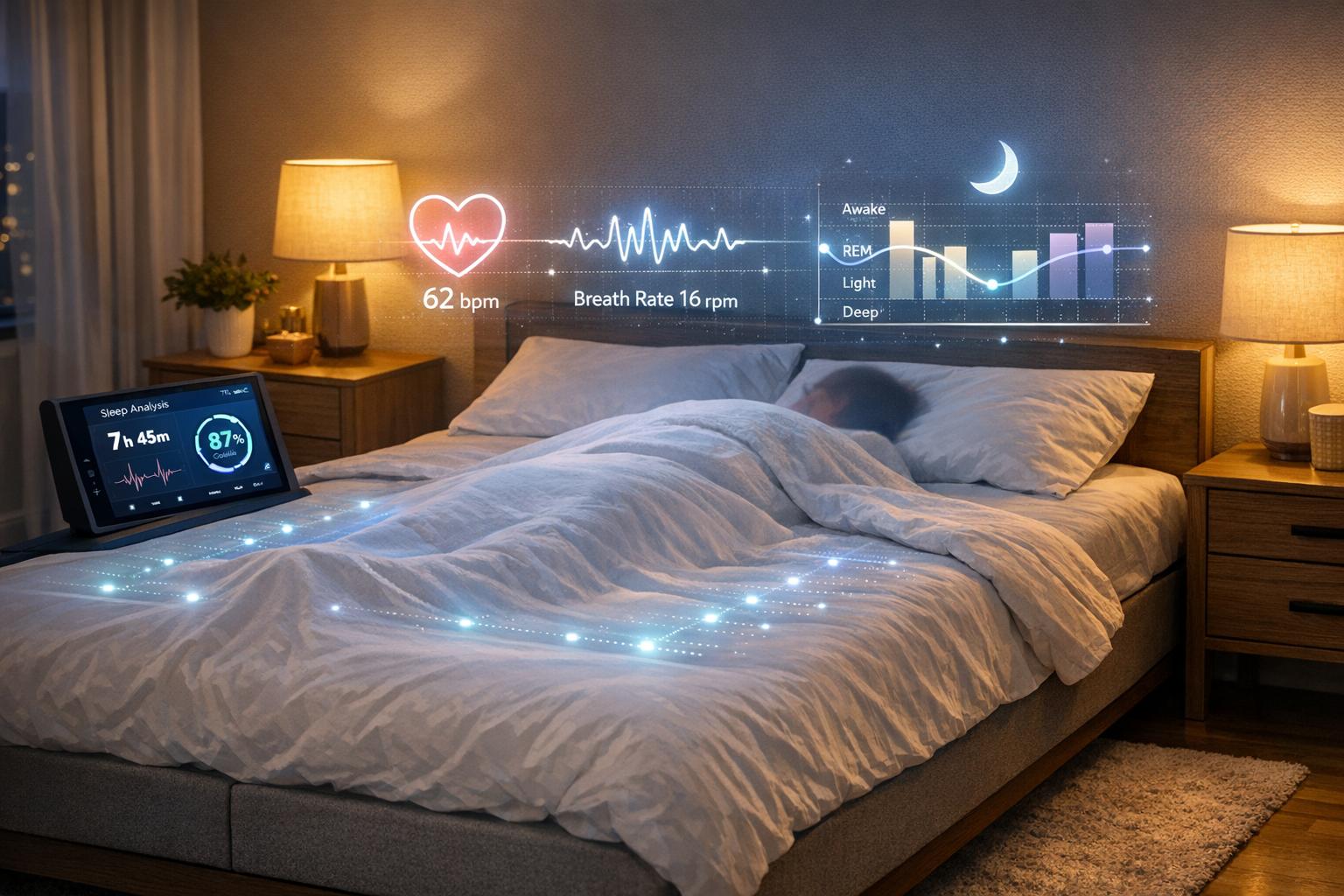
Respiratory Rate: Variations in breathing patterns may point to inflammation or other physiological challenges. Sleep-focused devices are particularly effective at capturing respiratory data, as breathing is most consistent during rest.
Sleep Patterns: Poor-quality sleep, frequent awakenings, or disruptions in sleep stages can indicate immune activation or stress, which may weaken the body’s defenses.
When combined with platforms like Healify, these metrics are transformed into personalized, real-time recommendations for better immune health.
Advanced Sensors for Immune System Tracking
Beyond standard wearables, advanced sensors are pushing the boundaries of immune monitoring:
Biochemical Sensors: Devices like microneedle patches use tiny needles to sample interstitial fluid, enabling real-time tracking of inflammatory biomarkers such as cytokines (e.g., IL-1β, IL-6, IL-8, TNF-α) and C-reactive protein (CRP). For instance, a 2025 study in Montreal demonstrated a wearable AI system that could predict acute inflammation with 90% sensitivity [6].
Flexible Electronic Skins: These ultra-thin devices, worn like temporary tattoos, use nanosensors to detect immune-related biomarkers in sweat or through skin conductance changes. They’re particularly useful for chronic inflammatory conditions where frequent blood tests are impractical.
Textile-Based Biosensors: Embedded in clothing, these sensors analyze sweat to detect electrolytes, metabolites, and inflammatory markers, offering a convenient option for long-term immune monitoring.
Here’s a quick comparison of these devices:
Device Type | Key Immune Metrics | Invasiveness | Best Use Case |
|---|---|---|---|
Smartwatch/Smart Ring | HRV, temperature, sleep, activity | Non-invasive | Daily immune health tracking |
Sensor-Equipped Clothing | Respiratory rate, temperature, movement | Non-invasive | Continuous monitoring during activity |
Microneedle Patch | Cytokines, CRP in interstitial fluid | Minimally invasive | Tracking chronic inflammation |
Flexible Electronic Skin | Biochemical signals, sweat analysis | Non-invasive | Real-time immune response monitoring |
Although many of these advanced sensors are still in the early stages of development, they show promise in delivering clinical-grade insights outside of hospital settings. As these technologies mature, they’ll likely integrate further with platforms like Healify, offering more precise and tailored recommendations to help you stay ahead of potential health challenges.
How AI Processes Wearable Data for Immune Insights
Once wearables gather data, AI steps in to turn those raw numbers into meaningful immune health insights. By understanding how this process works, you can better appreciate the technology and feel more confident in the recommendations it provides.
AI Data Processing and Collection
AI systems start by collecting continuous data streams from multiple wearable devices at the same time. Instead of relying on a single device, platforms like Healify sync data from several sources to create a more comprehensive health profile. This approach improves both accuracy and reliability.
The AI then merges and standardizes inputs from different devices. For example, your smartwatch might measure heart rate and body temperature, your smart ring tracks sleep, and sensor-equipped clothing monitors your breathing. Algorithms clean up the data by filtering out noise and correcting any sensor errors. The result is a reliable dataset that offers a clearer picture of your immune health[2][4].
"Healify's AI-powered health coach simplifies complex data into personalized, actionable insights"[1]
This process doesn’t just focus on isolated data points. Instead, the AI builds a detailed profile by combining wearable data with other inputs like biometrics, blood tests, and lifestyle habits. Real-time processing allows the system to spot subtle changes in your immune system, often before symptoms even appear.
Real-time calibration plays a key role in ensuring the data’s accuracy. For instance, if your heart rate monitor records an unusually high reading that doesn’t match your activity level or other metrics, the AI can flag it as a potential sensor glitch rather than a health issue.
This integrated dataset sets the stage for advanced pattern recognition.
Pattern Recognition and Predictive Modeling
One of the standout features of AI-driven immune monitoring is its ability to spot patterns that would go unnoticed by the human eye. Machine learning models, trained on massive datasets, compare your current metrics to your personal baseline. They look for subtle combinations of changes - like a slight uptick in resting heart rate paired with elevated temperature and disrupted sleep - that could indicate immune system activation[2][4].
Predictive modeling relies on advanced techniques like random forests, support vector machines, and neural networks. These models analyze data from multiple sources to predict risks like acute inflammation or infections with impressive accuracy.
AI also excels at identifying specific physiological events. For example, platforms like Healify can detect shifts in stress levels, cortisol spikes, or drops in blood oxygen in real time. When these patterns emerge, the system sends alerts aimed at catching potential health issues before they escalate[1].
What makes this technology even more effective is its ability to learn your unique patterns over time. Metrics like heart rate variability, sleep cycles, and temperature fluctuations create a personalized baseline. The AI monitors for meaningful deviations from this baseline, which helps reduce false alarms while increasing the chances of catching real immune responses early. This level of precision ensures that the recommendations you receive are tailored to your needs.
Real-Time Adjustments and Validation
AI systems don’t just analyze data - they’re constantly fine-tuning their accuracy. These algorithms take into account individual differences, environmental conditions, and sensor limitations to deliver insights that are both reliable and actionable.
Personalized calibration is key to effective immune monitoring. By analyzing your historical data, the AI adjusts thresholds for alerts and recommendations to align with your unique physiological baseline. This reduces false positives and ensures the insights you receive are more precise[2][4].
The system also employs error correction by cross-checking data from multiple sensors. For instance, if one device records an unusual body temperature, the AI will compare it against other metrics like heart rate, activity levels, and sleep data to determine whether it’s a real immune response or just a sensor hiccup.
Environmental factors are also part of the equation. The AI accounts for natural fluctuations in body temperature caused by things like room temperature, physical activity, or the time of day. By factoring in these variables, the system ensures that changes are interpreted accurately as potential immune activity.
Behind the scenes, the AI makes countless micro-adjustments to refine its understanding of your health. Over time, it becomes increasingly accurate as it learns your patterns and adapts to your unique profile. This constant improvement ensures that the insights you receive are timely, reliable, and tailored to support personalized health recommendations in the next stage.
AI-Generated Immune Insights and Personalized Recommendations
AI technology takes wearable data and transforms it into clear, actionable steps to support your immune health. This is where it truly stands out - turning raw biometric information into practical guidance tailored to your needs.
Identifying Early Warning Signs
AI is exceptionally skilled at detecting subtle signs of immune activation by constantly analyzing multiple data streams. It can spot early indicators of inflammation, infection, or immune system activity before symptoms even surface.
In July 2025, researchers at McGill University Health Centre showcased this capability with impressive results. Their AI platform analyzed data from smart wearables - rings, watches, and shirts - worn by 55 healthy adults, collecting over 2 billion data points. The system achieved nearly 90% sensitivity in predicting acute systemic inflammation and successfully identified immune responses to influenza and SARS-CoV-2 before symptoms appeared or PCR tests confirmed infection[2].
The AI identifies specific patterns that signal immune activation. For example, a slight rise in skin temperature combined with reduced heart rate variability and disrupted sleep might indicate your body is fighting an infection[3][4][6]. This early detection is invaluable because traditional methods rely on symptoms that only appear after the immune system is fully engaged. Wearable technology, powered by AI, offers a crucial advantage by identifying these patterns earlier, giving you time for proactive intervention[2][4].
Advanced sensors in wearables also track inflammatory biomarkers like IL-1β, IL-6, TNF-α, and CRP through sweat and interstitial fluid. When these markers spike, the AI flags potential inflammatory events, enabling rapid responses[3].
Personalized Wellness Recommendations
Once early markers of immune activation are detected, the AI shifts to providing customized wellness strategies. These recommendations are tailored to your unique data, lifestyle habits, and health goals.
The system offers real-time advice to improve sleep, manage stress, adjust physical activity, and optimize nutrition. For instance, if your wearable detects fragmented sleep or a high nighttime heart rate, the AI may suggest changes like adjusting your bedtime routine, lowering your room temperature, or incorporating relaxation techniques[4][5].
Stress management is equally personalized. If your wearable picks up elevated cortisol levels or heightened electrodermal activity, the AI might recommend breathing exercises, meditation, or tweaks to your daily schedule to reduce stress[4][5].
Physical activity recommendations are tailored to your immune status. If early signs of inflammation are detected, the AI may suggest scaling back on workout intensity to avoid additional strain. On the flip side, if low activity levels are linked to weaker immune markers, the system could recommend exercises to help strengthen your immune response[4][5].
Nutritional advice is also fine-tuned to your immune data. For example, if inflammatory markers are high, the AI might suggest anti-inflammatory foods, specific nutrient timing, or hydration strategies to support your body's needs[4][5].
What makes these recommendations stand out is their real-time adaptability. As your wearable data changes throughout the day, the AI updates its guidance, ensuring you always have the most relevant advice for your current health state. This continuous feedback loop empowers you to actively protect and enhance your immune health.
How Healify Uses Wearable Data
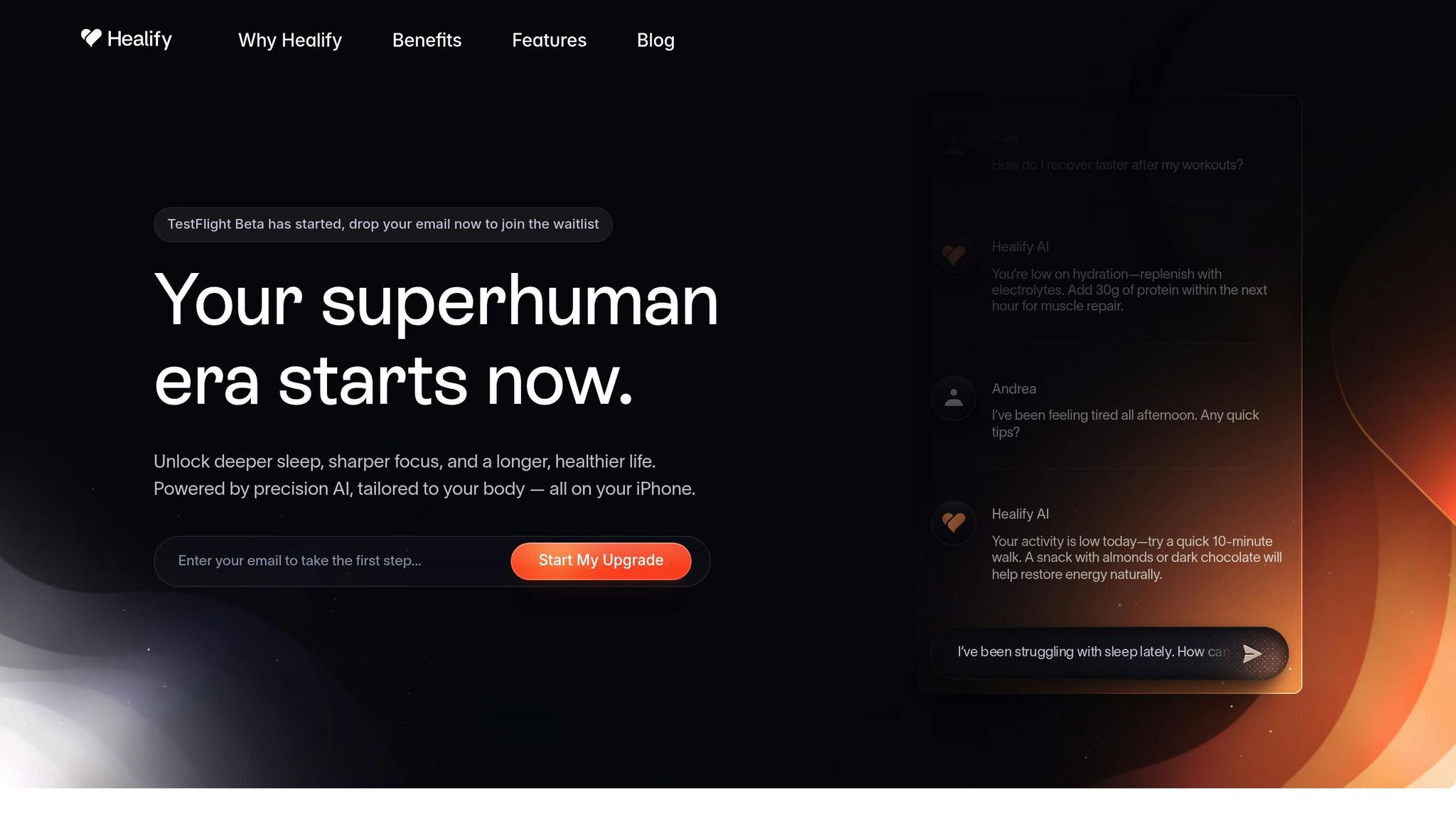
Healify takes immune monitoring to the next level by integrating wearable data with real-time analytics to guide your daily health decisions. This AI-powered health coaching app, designed for iPhone users, combines data from wearables, biometrics, bloodwork, and lifestyle factors to create a complete picture of your immune health.
Healify's AI health coach, Anna, provides 24/7 personalized guidance by analyzing immune-related metrics in real time. For instance, if your wearable data shows elevated inflammatory markers or poor sleep, Healify instantly generates tailored recommendations.
Take Alex, for example. Struggling with sleep issues that impacted his immune function, Healify offered personalized tips to help him achieve deeper rest based on his unique data. Or consider another user who needed workout recovery advice. Healify suggested: "You're low on hydration - replenish with electrolytes. Add 30g of protein within the next hour for muscle repair."[1]
The platform simplifies complex immune data into straightforward action steps. Instead of overwhelming users with raw metrics, Healify offers clear, easy-to-follow guidance. When Andrea felt fatigued in the afternoon, the AI analyzed her activity and metabolic data, recommending: "Your activity is low today - try a quick 10-minute walk. A snack with almonds or dark chocolate will help restore energy naturally."[1]
Healify's strength lies in its holistic approach. It doesn’t just analyze wearable data in isolation; it combines this information with bloodwork, lifestyle habits, and personal health goals. This comprehensive analysis allows the AI to address the underlying causes of immune challenges, not just the symptoms.
The platform also provides instant alerts for immune-related changes. For example, if stress indicators spike, users receive notifications like "Stress level detected, see recommendation", along with actionable steps to prevent stress from compromising their immune health[1].
This real-time, personalized approach turns immune monitoring into an active tool for health optimization, enabling you to take control of your immune health before problems arise.
Benefits and Challenges of AI-Based Immune Monitoring
AI-powered immune monitoring through wearable devices marks a significant step forward in preventive healthcare. While this technology offers exciting possibilities, it also comes with some important challenges. Understanding both sides of the equation can help you decide whether it’s the right fit for your health needs.
Benefits of AI-Powered Immune Monitoring
One of the standout benefits is the ability to monitor your immune system continuously without needing invasive procedures. Traditional approaches, like periodic blood tests or waiting for symptoms to develop, often fall short in providing a full picture of your immune health. Wearables, on the other hand, offer a more comprehensive and real-time view.
These devices excel in early detection. For instance, AI systems can predict acute systemic inflammation with nearly 90% sensitivity, often identifying immune responses before any symptoms appear [2]. By detecting subtle changes in biomarkers non-invasively, they allow for timely interventions that might prevent more serious health issues.
Another key advantage is personalization. AI analyzes your unique baseline data to deliver tailored recommendations for improving your lifestyle. Whether it’s optimizing sleep, managing stress, adjusting exercise routines, or fine-tuning your diet, these insights are designed to meet your specific needs. Plus, the non-invasive nature of wearables - no needles, blood draws, or clinic visits - makes it easier to stick with regular monitoring. This convenience not only encourages consistent use but could also lead to better long-term health outcomes and potentially lower healthcare costs.
Challenges and Limitations
Despite these benefits, there are hurdles to overcome. Data privacy and security are major concerns, especially in the United States, where HIPAA regulations govern personal health information. Ensuring that sensitive data is securely stored, transmitted, and accessed only by authorized parties can complicate the adoption of this technology.
Another challenge is sensor accuracy. False positives might cause unnecessary worry or lead to unneeded medical interventions, while false negatives could delay critical care. These errors can stem from device limitations, user mistakes, or individual physiological differences. Many wearable sensors for immune monitoring are still under development, and some haven’t yet received full clinical validation or FDA approval.
Integrating wearable data into existing healthcare systems is another technical barrier. Most electronic health records and clinical workflows aren’t yet equipped to handle the continuous data streams these devices provide.
There’s also the risk of users relying too heavily on AI-generated insights without consulting healthcare professionals. Making health decisions based solely on these recommendations could lead to inappropriate actions or missing serious conditions that require medical attention.
Lastly, the current generation of wearables has limited biomarker specificity. While they can detect general signs of inflammation, distinguishing between different immune responses or identifying specific pathogens remains a challenge. This limitation reduces the clinical precision of the data these devices provide.
Pros and Cons Comparison Table
Pros | Cons |
|---|---|
Continuous, real-time immune monitoring | Data privacy and security concerns (e.g., HIPAA compliance) |
Early detection of immune changes | Risk of inaccurate readings (false positives/negatives) |
Personalized health recommendations | Limited FDA-approved devices for immune monitoring |
Supports preventive healthcare strategies | Challenges in integrating data into healthcare systems |
Non-invasive and easy to use | Over-reliance on AI without consulting professionals |
Could lower healthcare costs over time | Limited ability to identify specific immune responses or pathogens |
As this technology evolves and regulatory standards catch up, the balance between its benefits and challenges will continue to shift. While AI-based immune monitoring has the potential to reshape preventive healthcare, it’s essential to approach it with realistic expectations and a focus on responsible use.
The Future of Immune Monitoring with AI and Wearables
The way we monitor immune health is undergoing a transformation, with AI and wearable technology driving a shift toward more proactive and personalized healthcare. These tools are reshaping how we understand and manage immune health.
Key Takeaways
The move from reactive care to preventive immune health monitoring marks a major step forward in modern healthcare. AI-powered wearables are now capable of detecting immune responses even before symptoms surface, offering an invaluable opportunity for early intervention.
AI systems excel at making sense of complex physiological data. Through continuous monitoring, they can identify potential immune issues early and provide actionable insights to stop problems from escalating. This approach goes beyond just spotting issues - it actively works to prevent them.
Equally exciting is the personalization factor. Platforms like Healify are leveraging AI to analyze data from wearables, biometrics, and lifestyle habits, creating health recommendations tailored to each individual. Instead of generic advice, users receive a customized plan based on their unique immune system patterns and overall health. Healify's AI coach, for example, offers real-time monitoring and stress-management strategies, making advanced health insights accessible for everyday use. As this technology evolves, platforms like Healify will deliver even more precise and individualized recommendations.
Immune monitoring is also becoming more seamless. Traditional methods like blood draws or annual check-ups are being replaced by wearables capable of detecting inflammatory biomarkers such as IL-1β, IL-6, and TNF-α in sweat and interstitial fluid[3]. This allows for a comprehensive understanding of immune health without the discomfort of invasive procedures.
These advancements are laying the groundwork for even more accurate and accessible immune health solutions.
What's Next
The future holds exciting developments in immune monitoring technology. Biosensors are advancing, with innovations like microneedle patches, flexible electronic skins, and textile-based sensors expanding the range of detectable immune biomarkers[3]. These tools promise improved comfort and accuracy, making continuous monitoring as easy as wearing a watch or clothing.
Emerging wearables are also improving their ability to detect multiple immune signals at once. By using deep neural networks to analyze complex data in real time, future devices will provide detailed insights into various immune responses, going beyond general inflammation markers[4].
Another key area of progress is the integration of wearables with telehealth and remote monitoring. Healthcare providers are starting to incorporate wearable data into preventive care plans[7]. This allows them to catch early signs of immune dysfunction and act quickly, potentially lowering healthcare costs and improving patient outcomes.
Access to AI-driven health insights is also expected to grow. More platforms will emerge to help users interpret their immune data, transforming complex health information into clear, personalized guidance that supports everyday well-being.
Lastly, the regulatory landscape is evolving to keep pace with these advancements. As more devices gain clinical validation and regulatory approval, adoption across healthcare systems will likely increase. This progress will address challenges like data integration and clinical acceptance, paving the way for widespread use of AI-powered immune monitoring.
FAQs
How does AI process immune data from wearable devices to ensure accuracy?
AI plays a key role in ensuring the reliability of immune data collected from wearable devices. By leveraging advanced algorithms, it analyzes and cross-references multiple data points to spot patterns, flag irregularities, and filter out inconsistencies. This process helps deliver dependable insights.
What’s more, AI doesn’t remain static - it learns and evolves. As it processes new data and incorporates feedback, its accuracy improves over time. This means it can offer tailored and accurate recommendations based on your specific health metrics, daily habits, and the data from your wearable device.
Are there any privacy concerns when using AI and wearables to monitor immune health?
Privacy concerns often come into play when using AI and wearables for immune monitoring, especially regarding the collection, storage, and sharing of personal health data. To protect your information, it's crucial to select a platform that adheres to strict data protection measures, such as encryption and compliance with regulations like HIPAA.
Healify takes privacy seriously by securely processing data from wearables, biometrics, and lifestyle inputs. This ensures you receive tailored health insights and actionable recommendations while keeping your personal information confidential.
How can I use AI insights from wearables to improve my health routine?
Wearable tech is no longer just about tracking steps or counting calories - it’s becoming a powerful tool for understanding your body and improving your health. With platforms like Healify, you can turn the data from your wearables into real-time, personalized advice that fits your specific needs.
These insights allow you to keep an eye on important health metrics, fine-tune your daily routines, and tackle challenges like stress, sleep issues, and overall wellness. Think of it as having a round-the-clock health coach right in your pocket, ready to guide you toward your goals and keep you on track.
Related Blog Posts
Your smartwatch does more than track steps - it can monitor your immune health. AI processes data like heart rate, body temperature, and sleep patterns from wearables to detect early signs of immune responses, such as inflammation or stress. This tech helps prevent illnesses by identifying issues before symptoms appear. Tools like Healify take it further, offering actionable advice tailored to your unique health data. While promising, challenges like data accuracy, privacy, and integration with healthcare systems remain. Here's how AI and wearables are shaping immune health monitoring.
Continuous Health Monitoring Webinar | AI, Wearables & Preventive Care
Types of Wearable Devices and Data Collection
Wearable technology has come a long way from simple step trackers. Today’s devices are capable of monitoring complex physiological signals, offering AI systems a clearer picture of your immune system's status. Let’s dive into how these devices and their sensors transform raw data into actionable insights about immune health.
Common Wearable Devices for Immune Monitoring
When it comes to immune monitoring, smartwatches and smart rings take center stage. Devices like the Apple Watch, for instance, integrate with platforms such as Healify, tracking multiple health metrics simultaneously. Using optical and electrical sensors, these wearables monitor heart rate, heart rate variability (HRV), and body temperature changes - key indicators of immune activity.
Smart rings, designed for 24/7 wear, are lightweight and unobtrusive, capturing data during sleep and daily activities. Both smartwatches and rings transmit this information wirelessly via Bluetooth or Wi-Fi to your smartphone, where AI processes it in real time.
For a more comprehensive approach, sensor-equipped clothing incorporates flexible electronics or textile-based sensors directly into fabrics. This allows monitoring of metrics like temperature changes, respiratory patterns, and movement across larger areas of the body, such as the torso or limbs. Unlike single-point trackers, smart clothing offers continuous, detailed data collection without the hassle of managing separate devices. This makes it particularly useful for athletes or anyone needing constant monitoring during physical activity.
Each of these devices collects critical physiological data that, when analyzed, provides a clearer picture of your immune system's status.
Key Metrics for Immune Health
Several physiological metrics are essential for understanding immune health:
Heart Rate Variability (HRV): HRV reflects the balance of your autonomic nervous system. Changes in HRV often occur when the immune system is activated in response to stress or threats.
Body Temperature: Fluctuations in body temperature - whether skin or core - can signal early signs of infection or inflammation, indicating an immune response.
Respiratory Rate: Variations in breathing patterns may point to inflammation or other physiological challenges. Sleep-focused devices are particularly effective at capturing respiratory data, as breathing is most consistent during rest.
Sleep Patterns: Poor-quality sleep, frequent awakenings, or disruptions in sleep stages can indicate immune activation or stress, which may weaken the body’s defenses.
When combined with platforms like Healify, these metrics are transformed into personalized, real-time recommendations for better immune health.
Advanced Sensors for Immune System Tracking
Beyond standard wearables, advanced sensors are pushing the boundaries of immune monitoring:
Biochemical Sensors: Devices like microneedle patches use tiny needles to sample interstitial fluid, enabling real-time tracking of inflammatory biomarkers such as cytokines (e.g., IL-1β, IL-6, IL-8, TNF-α) and C-reactive protein (CRP). For instance, a 2025 study in Montreal demonstrated a wearable AI system that could predict acute inflammation with 90% sensitivity [6].
Flexible Electronic Skins: These ultra-thin devices, worn like temporary tattoos, use nanosensors to detect immune-related biomarkers in sweat or through skin conductance changes. They’re particularly useful for chronic inflammatory conditions where frequent blood tests are impractical.
Textile-Based Biosensors: Embedded in clothing, these sensors analyze sweat to detect electrolytes, metabolites, and inflammatory markers, offering a convenient option for long-term immune monitoring.
Here’s a quick comparison of these devices:
Device Type | Key Immune Metrics | Invasiveness | Best Use Case |
|---|---|---|---|
Smartwatch/Smart Ring | HRV, temperature, sleep, activity | Non-invasive | Daily immune health tracking |
Sensor-Equipped Clothing | Respiratory rate, temperature, movement | Non-invasive | Continuous monitoring during activity |
Microneedle Patch | Cytokines, CRP in interstitial fluid | Minimally invasive | Tracking chronic inflammation |
Flexible Electronic Skin | Biochemical signals, sweat analysis | Non-invasive | Real-time immune response monitoring |
Although many of these advanced sensors are still in the early stages of development, they show promise in delivering clinical-grade insights outside of hospital settings. As these technologies mature, they’ll likely integrate further with platforms like Healify, offering more precise and tailored recommendations to help you stay ahead of potential health challenges.
How AI Processes Wearable Data for Immune Insights
Once wearables gather data, AI steps in to turn those raw numbers into meaningful immune health insights. By understanding how this process works, you can better appreciate the technology and feel more confident in the recommendations it provides.
AI Data Processing and Collection
AI systems start by collecting continuous data streams from multiple wearable devices at the same time. Instead of relying on a single device, platforms like Healify sync data from several sources to create a more comprehensive health profile. This approach improves both accuracy and reliability.
The AI then merges and standardizes inputs from different devices. For example, your smartwatch might measure heart rate and body temperature, your smart ring tracks sleep, and sensor-equipped clothing monitors your breathing. Algorithms clean up the data by filtering out noise and correcting any sensor errors. The result is a reliable dataset that offers a clearer picture of your immune health[2][4].
"Healify's AI-powered health coach simplifies complex data into personalized, actionable insights"[1]
This process doesn’t just focus on isolated data points. Instead, the AI builds a detailed profile by combining wearable data with other inputs like biometrics, blood tests, and lifestyle habits. Real-time processing allows the system to spot subtle changes in your immune system, often before symptoms even appear.
Real-time calibration plays a key role in ensuring the data’s accuracy. For instance, if your heart rate monitor records an unusually high reading that doesn’t match your activity level or other metrics, the AI can flag it as a potential sensor glitch rather than a health issue.
This integrated dataset sets the stage for advanced pattern recognition.
Pattern Recognition and Predictive Modeling
One of the standout features of AI-driven immune monitoring is its ability to spot patterns that would go unnoticed by the human eye. Machine learning models, trained on massive datasets, compare your current metrics to your personal baseline. They look for subtle combinations of changes - like a slight uptick in resting heart rate paired with elevated temperature and disrupted sleep - that could indicate immune system activation[2][4].
Predictive modeling relies on advanced techniques like random forests, support vector machines, and neural networks. These models analyze data from multiple sources to predict risks like acute inflammation or infections with impressive accuracy.
AI also excels at identifying specific physiological events. For example, platforms like Healify can detect shifts in stress levels, cortisol spikes, or drops in blood oxygen in real time. When these patterns emerge, the system sends alerts aimed at catching potential health issues before they escalate[1].
What makes this technology even more effective is its ability to learn your unique patterns over time. Metrics like heart rate variability, sleep cycles, and temperature fluctuations create a personalized baseline. The AI monitors for meaningful deviations from this baseline, which helps reduce false alarms while increasing the chances of catching real immune responses early. This level of precision ensures that the recommendations you receive are tailored to your needs.
Real-Time Adjustments and Validation
AI systems don’t just analyze data - they’re constantly fine-tuning their accuracy. These algorithms take into account individual differences, environmental conditions, and sensor limitations to deliver insights that are both reliable and actionable.
Personalized calibration is key to effective immune monitoring. By analyzing your historical data, the AI adjusts thresholds for alerts and recommendations to align with your unique physiological baseline. This reduces false positives and ensures the insights you receive are more precise[2][4].
The system also employs error correction by cross-checking data from multiple sensors. For instance, if one device records an unusual body temperature, the AI will compare it against other metrics like heart rate, activity levels, and sleep data to determine whether it’s a real immune response or just a sensor hiccup.
Environmental factors are also part of the equation. The AI accounts for natural fluctuations in body temperature caused by things like room temperature, physical activity, or the time of day. By factoring in these variables, the system ensures that changes are interpreted accurately as potential immune activity.
Behind the scenes, the AI makes countless micro-adjustments to refine its understanding of your health. Over time, it becomes increasingly accurate as it learns your patterns and adapts to your unique profile. This constant improvement ensures that the insights you receive are timely, reliable, and tailored to support personalized health recommendations in the next stage.
AI-Generated Immune Insights and Personalized Recommendations
AI technology takes wearable data and transforms it into clear, actionable steps to support your immune health. This is where it truly stands out - turning raw biometric information into practical guidance tailored to your needs.
Identifying Early Warning Signs
AI is exceptionally skilled at detecting subtle signs of immune activation by constantly analyzing multiple data streams. It can spot early indicators of inflammation, infection, or immune system activity before symptoms even surface.
In July 2025, researchers at McGill University Health Centre showcased this capability with impressive results. Their AI platform analyzed data from smart wearables - rings, watches, and shirts - worn by 55 healthy adults, collecting over 2 billion data points. The system achieved nearly 90% sensitivity in predicting acute systemic inflammation and successfully identified immune responses to influenza and SARS-CoV-2 before symptoms appeared or PCR tests confirmed infection[2].
The AI identifies specific patterns that signal immune activation. For example, a slight rise in skin temperature combined with reduced heart rate variability and disrupted sleep might indicate your body is fighting an infection[3][4][6]. This early detection is invaluable because traditional methods rely on symptoms that only appear after the immune system is fully engaged. Wearable technology, powered by AI, offers a crucial advantage by identifying these patterns earlier, giving you time for proactive intervention[2][4].
Advanced sensors in wearables also track inflammatory biomarkers like IL-1β, IL-6, TNF-α, and CRP through sweat and interstitial fluid. When these markers spike, the AI flags potential inflammatory events, enabling rapid responses[3].
Personalized Wellness Recommendations
Once early markers of immune activation are detected, the AI shifts to providing customized wellness strategies. These recommendations are tailored to your unique data, lifestyle habits, and health goals.
The system offers real-time advice to improve sleep, manage stress, adjust physical activity, and optimize nutrition. For instance, if your wearable detects fragmented sleep or a high nighttime heart rate, the AI may suggest changes like adjusting your bedtime routine, lowering your room temperature, or incorporating relaxation techniques[4][5].
Stress management is equally personalized. If your wearable picks up elevated cortisol levels or heightened electrodermal activity, the AI might recommend breathing exercises, meditation, or tweaks to your daily schedule to reduce stress[4][5].
Physical activity recommendations are tailored to your immune status. If early signs of inflammation are detected, the AI may suggest scaling back on workout intensity to avoid additional strain. On the flip side, if low activity levels are linked to weaker immune markers, the system could recommend exercises to help strengthen your immune response[4][5].
Nutritional advice is also fine-tuned to your immune data. For example, if inflammatory markers are high, the AI might suggest anti-inflammatory foods, specific nutrient timing, or hydration strategies to support your body's needs[4][5].
What makes these recommendations stand out is their real-time adaptability. As your wearable data changes throughout the day, the AI updates its guidance, ensuring you always have the most relevant advice for your current health state. This continuous feedback loop empowers you to actively protect and enhance your immune health.
How Healify Uses Wearable Data
Healify takes immune monitoring to the next level by integrating wearable data with real-time analytics to guide your daily health decisions. This AI-powered health coaching app, designed for iPhone users, combines data from wearables, biometrics, bloodwork, and lifestyle factors to create a complete picture of your immune health.
Healify's AI health coach, Anna, provides 24/7 personalized guidance by analyzing immune-related metrics in real time. For instance, if your wearable data shows elevated inflammatory markers or poor sleep, Healify instantly generates tailored recommendations.
Take Alex, for example. Struggling with sleep issues that impacted his immune function, Healify offered personalized tips to help him achieve deeper rest based on his unique data. Or consider another user who needed workout recovery advice. Healify suggested: "You're low on hydration - replenish with electrolytes. Add 30g of protein within the next hour for muscle repair."[1]
The platform simplifies complex immune data into straightforward action steps. Instead of overwhelming users with raw metrics, Healify offers clear, easy-to-follow guidance. When Andrea felt fatigued in the afternoon, the AI analyzed her activity and metabolic data, recommending: "Your activity is low today - try a quick 10-minute walk. A snack with almonds or dark chocolate will help restore energy naturally."[1]
Healify's strength lies in its holistic approach. It doesn’t just analyze wearable data in isolation; it combines this information with bloodwork, lifestyle habits, and personal health goals. This comprehensive analysis allows the AI to address the underlying causes of immune challenges, not just the symptoms.
The platform also provides instant alerts for immune-related changes. For example, if stress indicators spike, users receive notifications like "Stress level detected, see recommendation", along with actionable steps to prevent stress from compromising their immune health[1].
This real-time, personalized approach turns immune monitoring into an active tool for health optimization, enabling you to take control of your immune health before problems arise.
Benefits and Challenges of AI-Based Immune Monitoring
AI-powered immune monitoring through wearable devices marks a significant step forward in preventive healthcare. While this technology offers exciting possibilities, it also comes with some important challenges. Understanding both sides of the equation can help you decide whether it’s the right fit for your health needs.
Benefits of AI-Powered Immune Monitoring
One of the standout benefits is the ability to monitor your immune system continuously without needing invasive procedures. Traditional approaches, like periodic blood tests or waiting for symptoms to develop, often fall short in providing a full picture of your immune health. Wearables, on the other hand, offer a more comprehensive and real-time view.
These devices excel in early detection. For instance, AI systems can predict acute systemic inflammation with nearly 90% sensitivity, often identifying immune responses before any symptoms appear [2]. By detecting subtle changes in biomarkers non-invasively, they allow for timely interventions that might prevent more serious health issues.
Another key advantage is personalization. AI analyzes your unique baseline data to deliver tailored recommendations for improving your lifestyle. Whether it’s optimizing sleep, managing stress, adjusting exercise routines, or fine-tuning your diet, these insights are designed to meet your specific needs. Plus, the non-invasive nature of wearables - no needles, blood draws, or clinic visits - makes it easier to stick with regular monitoring. This convenience not only encourages consistent use but could also lead to better long-term health outcomes and potentially lower healthcare costs.
Challenges and Limitations
Despite these benefits, there are hurdles to overcome. Data privacy and security are major concerns, especially in the United States, where HIPAA regulations govern personal health information. Ensuring that sensitive data is securely stored, transmitted, and accessed only by authorized parties can complicate the adoption of this technology.
Another challenge is sensor accuracy. False positives might cause unnecessary worry or lead to unneeded medical interventions, while false negatives could delay critical care. These errors can stem from device limitations, user mistakes, or individual physiological differences. Many wearable sensors for immune monitoring are still under development, and some haven’t yet received full clinical validation or FDA approval.
Integrating wearable data into existing healthcare systems is another technical barrier. Most electronic health records and clinical workflows aren’t yet equipped to handle the continuous data streams these devices provide.
There’s also the risk of users relying too heavily on AI-generated insights without consulting healthcare professionals. Making health decisions based solely on these recommendations could lead to inappropriate actions or missing serious conditions that require medical attention.
Lastly, the current generation of wearables has limited biomarker specificity. While they can detect general signs of inflammation, distinguishing between different immune responses or identifying specific pathogens remains a challenge. This limitation reduces the clinical precision of the data these devices provide.
Pros and Cons Comparison Table
Pros | Cons |
|---|---|
Continuous, real-time immune monitoring | Data privacy and security concerns (e.g., HIPAA compliance) |
Early detection of immune changes | Risk of inaccurate readings (false positives/negatives) |
Personalized health recommendations | Limited FDA-approved devices for immune monitoring |
Supports preventive healthcare strategies | Challenges in integrating data into healthcare systems |
Non-invasive and easy to use | Over-reliance on AI without consulting professionals |
Could lower healthcare costs over time | Limited ability to identify specific immune responses or pathogens |
As this technology evolves and regulatory standards catch up, the balance between its benefits and challenges will continue to shift. While AI-based immune monitoring has the potential to reshape preventive healthcare, it’s essential to approach it with realistic expectations and a focus on responsible use.
The Future of Immune Monitoring with AI and Wearables
The way we monitor immune health is undergoing a transformation, with AI and wearable technology driving a shift toward more proactive and personalized healthcare. These tools are reshaping how we understand and manage immune health.
Key Takeaways
The move from reactive care to preventive immune health monitoring marks a major step forward in modern healthcare. AI-powered wearables are now capable of detecting immune responses even before symptoms surface, offering an invaluable opportunity for early intervention.
AI systems excel at making sense of complex physiological data. Through continuous monitoring, they can identify potential immune issues early and provide actionable insights to stop problems from escalating. This approach goes beyond just spotting issues - it actively works to prevent them.
Equally exciting is the personalization factor. Platforms like Healify are leveraging AI to analyze data from wearables, biometrics, and lifestyle habits, creating health recommendations tailored to each individual. Instead of generic advice, users receive a customized plan based on their unique immune system patterns and overall health. Healify's AI coach, for example, offers real-time monitoring and stress-management strategies, making advanced health insights accessible for everyday use. As this technology evolves, platforms like Healify will deliver even more precise and individualized recommendations.
Immune monitoring is also becoming more seamless. Traditional methods like blood draws or annual check-ups are being replaced by wearables capable of detecting inflammatory biomarkers such as IL-1β, IL-6, and TNF-α in sweat and interstitial fluid[3]. This allows for a comprehensive understanding of immune health without the discomfort of invasive procedures.
These advancements are laying the groundwork for even more accurate and accessible immune health solutions.
What's Next
The future holds exciting developments in immune monitoring technology. Biosensors are advancing, with innovations like microneedle patches, flexible electronic skins, and textile-based sensors expanding the range of detectable immune biomarkers[3]. These tools promise improved comfort and accuracy, making continuous monitoring as easy as wearing a watch or clothing.
Emerging wearables are also improving their ability to detect multiple immune signals at once. By using deep neural networks to analyze complex data in real time, future devices will provide detailed insights into various immune responses, going beyond general inflammation markers[4].
Another key area of progress is the integration of wearables with telehealth and remote monitoring. Healthcare providers are starting to incorporate wearable data into preventive care plans[7]. This allows them to catch early signs of immune dysfunction and act quickly, potentially lowering healthcare costs and improving patient outcomes.
Access to AI-driven health insights is also expected to grow. More platforms will emerge to help users interpret their immune data, transforming complex health information into clear, personalized guidance that supports everyday well-being.
Lastly, the regulatory landscape is evolving to keep pace with these advancements. As more devices gain clinical validation and regulatory approval, adoption across healthcare systems will likely increase. This progress will address challenges like data integration and clinical acceptance, paving the way for widespread use of AI-powered immune monitoring.
FAQs
How does AI process immune data from wearable devices to ensure accuracy?
AI plays a key role in ensuring the reliability of immune data collected from wearable devices. By leveraging advanced algorithms, it analyzes and cross-references multiple data points to spot patterns, flag irregularities, and filter out inconsistencies. This process helps deliver dependable insights.
What’s more, AI doesn’t remain static - it learns and evolves. As it processes new data and incorporates feedback, its accuracy improves over time. This means it can offer tailored and accurate recommendations based on your specific health metrics, daily habits, and the data from your wearable device.
Are there any privacy concerns when using AI and wearables to monitor immune health?
Privacy concerns often come into play when using AI and wearables for immune monitoring, especially regarding the collection, storage, and sharing of personal health data. To protect your information, it's crucial to select a platform that adheres to strict data protection measures, such as encryption and compliance with regulations like HIPAA.
Healify takes privacy seriously by securely processing data from wearables, biometrics, and lifestyle inputs. This ensures you receive tailored health insights and actionable recommendations while keeping your personal information confidential.
How can I use AI insights from wearables to improve my health routine?
Wearable tech is no longer just about tracking steps or counting calories - it’s becoming a powerful tool for understanding your body and improving your health. With platforms like Healify, you can turn the data from your wearables into real-time, personalized advice that fits your specific needs.
These insights allow you to keep an eye on important health metrics, fine-tune your daily routines, and tackle challenges like stress, sleep issues, and overall wellness. Think of it as having a round-the-clock health coach right in your pocket, ready to guide you toward your goals and keep you on track.
Related Blog Posts


Endlich die Kontrolle über Ihre Gesundheit übernehmen

Endlich die Kontrolle über Ihre Gesundheit übernehmen
Endlich die Kontrolle über Ihre Gesundheit übernehmen