Improve your health

Improve your health

Improve your health

January 17, 2026

How Wearables Enable Real-Time Data Sync

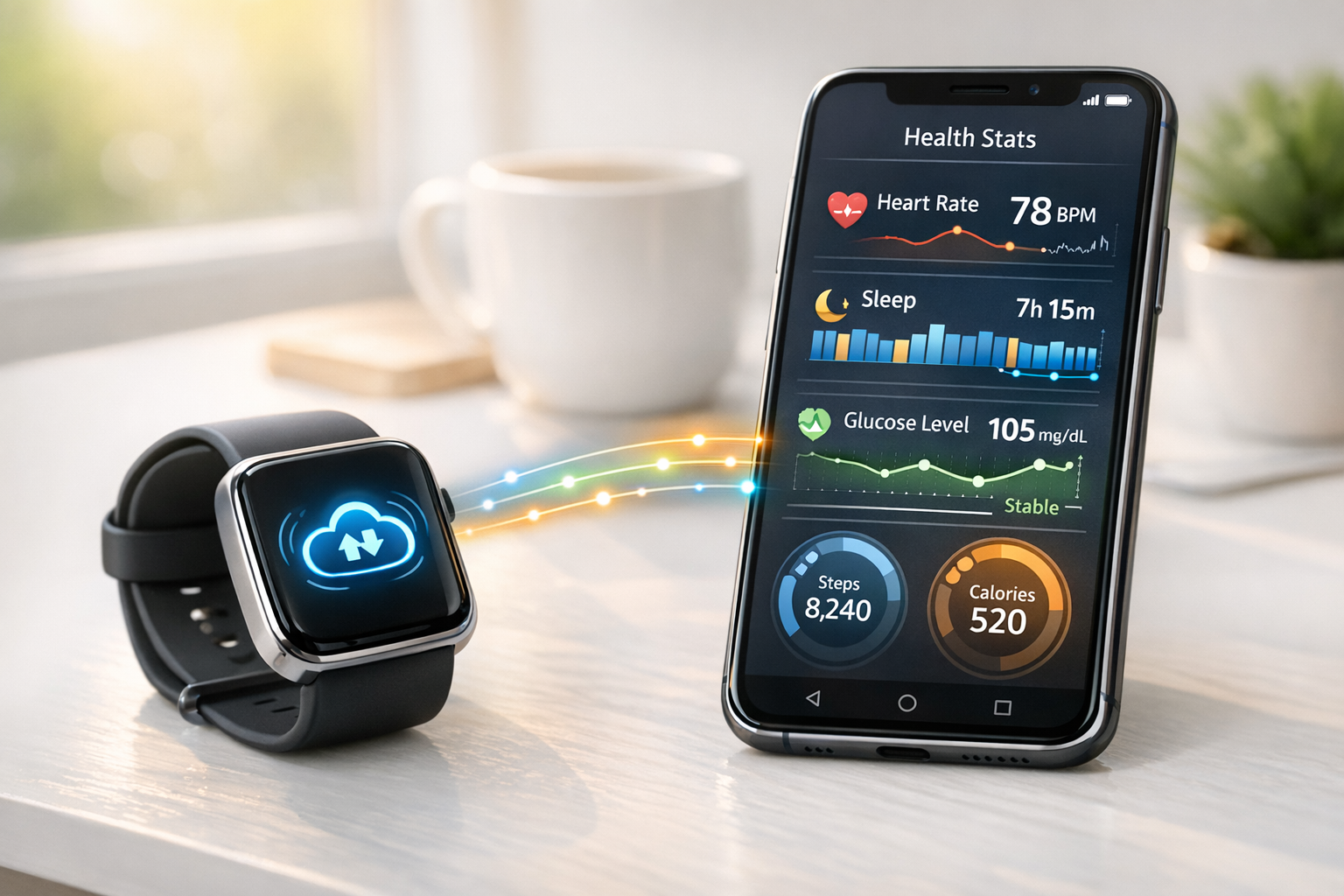
Wearable devices are changing how we monitor health by syncing data in real time. This process allows wearables like smartwatches to track metrics such as heart rate and sleep, sending updates to your phone or health apps in under 10 seconds. This rapid syncing supports timely health decisions and even early detection of issues like atrial fibrillation or infections.

Key points include:

  • How it works: Wearables use Bluetooth Low Energy (BLE) to send data to smartphones, which then transmit it to the cloud and health platforms.

  • Health benefits: Continuous glucose monitors, heart sensors, and other wearables help manage chronic conditions, reduce hospital visits, and improve outcomes.

  • Challenges: Privacy concerns, fragmented data systems, and security flaws in wearables need addressing.

  • Future potential: Advances like neural networks, 5G, and blockchain are improving accuracy and security.

Wearables are not just for tracking - they’re becoming tools for managing health in real time.

How to use wearable data in your clinical studies & digital interventions

How Wearables Sync Data in Real Time
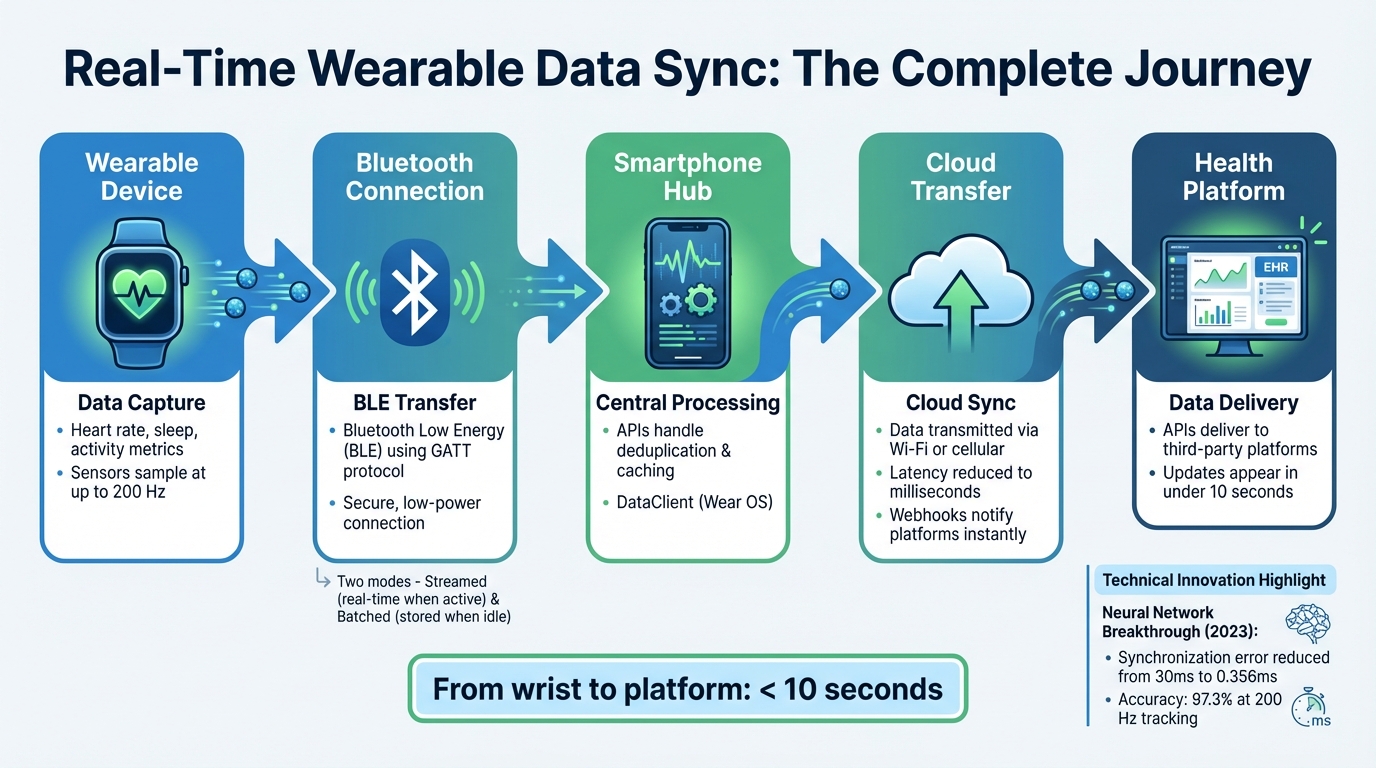
How Wearable Data Syncs From Device to Health Platform in Real-Time

How Wearable Data Syncs From Device to Health Platform in Real-Time

The Technical Infrastructure Behind Data Sync

The journey from your wearable to your health dashboard is surprisingly direct. For instance, when your smartwatch logs your heart rate, it sends that data via Bluetooth Low Energy (BLE) to your smartphone. From there, it travels through Wi-Fi or cellular networks to the cloud, and finally, APIs deliver it to third-party platforms [1].

BLE plays a key role here. It uses the Generic Attribute Profile (GATT) to create a secure, low-power connection between your wearable and your phone [7]. Once the data reaches the cloud, webhooks come into play. These webhooks notify connected platforms instantly when new data arrives, avoiding the need for constant "polling" (repeatedly checking for updates) and cutting cloud-level latency down to milliseconds [1][6].

Your smartphone acts as the central hub in this process. For instance, Wear OS employs APIs like DataClient to handle synchronization tasks such as deduplication and caching. This ensures data flows smoothly without overwhelming the Bluetooth connection [8].

Thanks to this well-designed infrastructure, wearables can deliver continuous and efficient health monitoring without draining your device's resources.

Continuous Health Monitoring and Data Transfer

Wearables strike a delicate balance between continuous tracking and battery efficiency through two specific data transfer modes. Devices like those running Wear OS switch between streamed mode and batched mode depending on their activity.

  • Streamed mode: When the screen is active, data - such as exercise metrics - is sent in real time, often sampled every second [9].

  • Batched mode: In ambient mode, data is stored locally on the device and transmitted in chunks when the buffer fills or when the user interacts with the device again [9].

"Data is streamed while the application processor is on... Once the display goes off or into ambient mode, the data is batched in order to save power." - Android Developers [9]

This dual-mode system allows wearables to monitor health metrics around the clock without rapidly draining the battery. Many devices also leverage Real-Time Operating Systems (RTOS) to handle high-frequency sensor sampling - sometimes up to 200 Hz - while maintaining reliable and predictable performance [7].

How Reduced Latency Improves Data Updates

Fast and efficient data transfer is essential for timely health insights, especially for applications that demand precision. While basic metrics like step counts can tolerate minor delays, more advanced uses - like detecting irregular heart rhythms or analyzing gait patterns - require near-instantaneous updates. Standard Bluetooth networks can experience synchronization errors of up to 30 milliseconds due to frequency drift and transmission delays [7]. For critical health applications, even small delays can lead to inaccurate data.

Recent advancements have significantly reduced these delays. In August 2023, a study published in Nature Communications highlighted a neural network-based method for synchronizing multiple Kinematics Detector (KiD) wearables. By introducing a "virtual clock" to account for Bluetooth retransmissions and clock drift, researchers reduced the average synchronization error from 30 milliseconds to just 0.356 milliseconds. This breakthrough enabled precise 200 Hz motion tracking across platforms with a 97.3% accuracy rate [7].

"The neural network examines the timing at each wearable node, recognizes time shifts, and fine-tunes a virtual clock to make them operate in unison." - Nature Communications [7]

Such precision supports data fusion, where information from different sensors - like ECG monitors and accelerometers - is combined to create a comprehensive view of your health. When data streams align with sub-millisecond accuracy, machine learning algorithms can detect anomalies, such as irregular heart rates, and trigger immediate alerts [10]. This transforms wearables into systems that don't just log your health metrics - they actively monitor for changes that may need your attention.

Interoperability and Unified Health Data Systems

Standardized Protocols for Data Sharing

Getting data from your wearable device into your doctor's Electronic Health Record (EHR) system requires a shared language. That’s where HL7 FHIR (Fast Healthcare Interoperability Resources) steps in. This standard translates proprietary wearable data into structured formats. For instance, it can convert a smartwatch’s heart rate reading into an "Observation" using LOINC codes, like 8867-4 for heart rate. Security is built in with OAuth 2.0, ensuring that data exchange is both seamless and secure. Platforms like Apple HealthKit and Google Fit further simplify the process by acting as aggregation hubs, standardizing clinical data from various sources.

"FHIR standards enable providers to access coherent patient data." – Kim Helms, Nexla [12]

Regulators are also pushing for this transformation. In the U.S., the Centers for Medicare and Medicaid Services (CMS) now require healthcare organizations to use the FHIR standard for easier data access and exchange [12]. This push for standardization not only makes it simpler to share clinical data but also addresses long-standing issues with fragmented health information.

Solving Health Data Fragmentation

Standardized protocols are just the start - wearable devices are stepping in to tackle the problem of fragmented health data. Fragmentation happens when health information is scattered across multiple systems, making it hard for doctors to get a complete picture of a patient’s health. By 2015, 87% of office-based physicians in the U.S. had adopted EHR systems, but many of these systems couldn’t communicate with one another [4]. Major players like Epic and Cerner, which together account for roughly half of the hospital EHR market, relied on proprietary systems that created isolated data silos.

Wearables help close these gaps by continuously generating patient data, known as patient-generated health data (PGHD). This data captures trends that might be missed during occasional doctor visits. When processed through standardized frameworks, wearable data can be integrated with lab results, prescriptions, and clinical notes to create a more complete health record. According to the FDA, improving medical device interoperability could save over $30 billion annually in healthcare costs while also improving patient care [13].

Take, for example, prototypes that combine Garmin smartwatches with Propeller Health’s inhaler sensors. These devices use FHIR connectors to standardize data, leading to a 54% reduction in ER visits and better patient outcomes [11][12].

The industry is also moving toward "plug-and-play" interoperability, where devices automatically connect, communicate, and sync with EHR systems without the need for custom engineering. With over 400 EHR-compatible wearable devices already available [4], this approach is key to building a fully connected health data ecosystem. This shift is paving the way for practical applications in chronic disease management and overall health monitoring.

Real-Life Applications of Wearable Data Synchronization

Chronic Disease Management and Preventive Care

Real-time data synchronization is revolutionizing how we approach chronic disease management. Instead of relying solely on periodic check-ups, wearables continuously monitor health metrics, revealing patterns and early warning signs that can lead to timely interventions.

Take the Apple Heart Study, for example. It monitored over 400,000 participants, with 34% of those receiving alerts later confirmed to have atrial fibrillation. The syncing algorithm in this study demonstrated an impressive 84% positive predictive value [3].

For individuals managing diabetes, continuous glucose monitors (CGMs) offer real-time insights. These devices sync glucose data instantly, enabling users to adjust insulin doses, diet, and activity levels on the fly. In the Season of Me Program, 2,217 participants used the January AI app integrated with a Freestyle Libre CGM and heart rate monitors like the Apple Watch or Fitbit. Results showed that participants with Type 2 Diabetes improved their Time in Range by 9.8%. Those with a baseline Glucose Management Indicator above 7% saw their estimated HbA1c drop by an average of 0.43% [15].

Heart failure patients also benefit from synchronized monitoring. The CHAMPION Study followed 1,114 patients using the CardioMEMS HF System - a sensor implanted in the pulmonary artery that transmitted pressure data to clinical teams in real time. This proactive monitoring led to timely medication adjustments and a 28% reduction in hospitalizations over 18 months [14]. Similarly, the MiCORE Study tracked 200 patients recovering from myocardial infarction using an Apple Watch and a Bluetooth-connected blood pressure cuff paired with a self-management app. The result? A 43% reduction in 30-day readmissions and approximately $6,000 saved per patient [3].

But the benefits of real-time data synchronization extend beyond chronic conditions - it also supports overall well-being.

Improving Mental and Physical Well-Being

Wearables aren't just about managing diseases; they're also tools for enhancing mental and physical wellness. By syncing data on sleep, activity, and physiological responses, these devices empower users to see how daily habits impact their overall health.

Consider a 90-day digital hypertension program that combined home blood pressure monitors with wearables like activity trackers and scales, all synced with electronic health records. This program helped 71% of patients achieve target blood pressure, compared to just 31% with standard care [16].

Real-time data integration also plays a role in weight management. In the Season of Me study, participants with Type 2 Diabetes lost an average of 4.4 pounds in just 28 days. Those who continued for 12 weeks shed an average of 9.4 pounds. Even non-diabetic participants saw results, losing an average of 2.5 pounds in the first month [15]. By combining CGM data with food logs, AI algorithms predicted glycemic responses and provided personalized dietary recommendations.

"The monitoring landscape is transitioning from a past in which all measurements were intermittent toward a future in which many will be continuous." – American Heart Association [14]

These advancements in wearable technology are paving the way for platforms like Healify to offer personalized, proactive care.

How Healify Uses Real-Time Health Monitoring
Healify

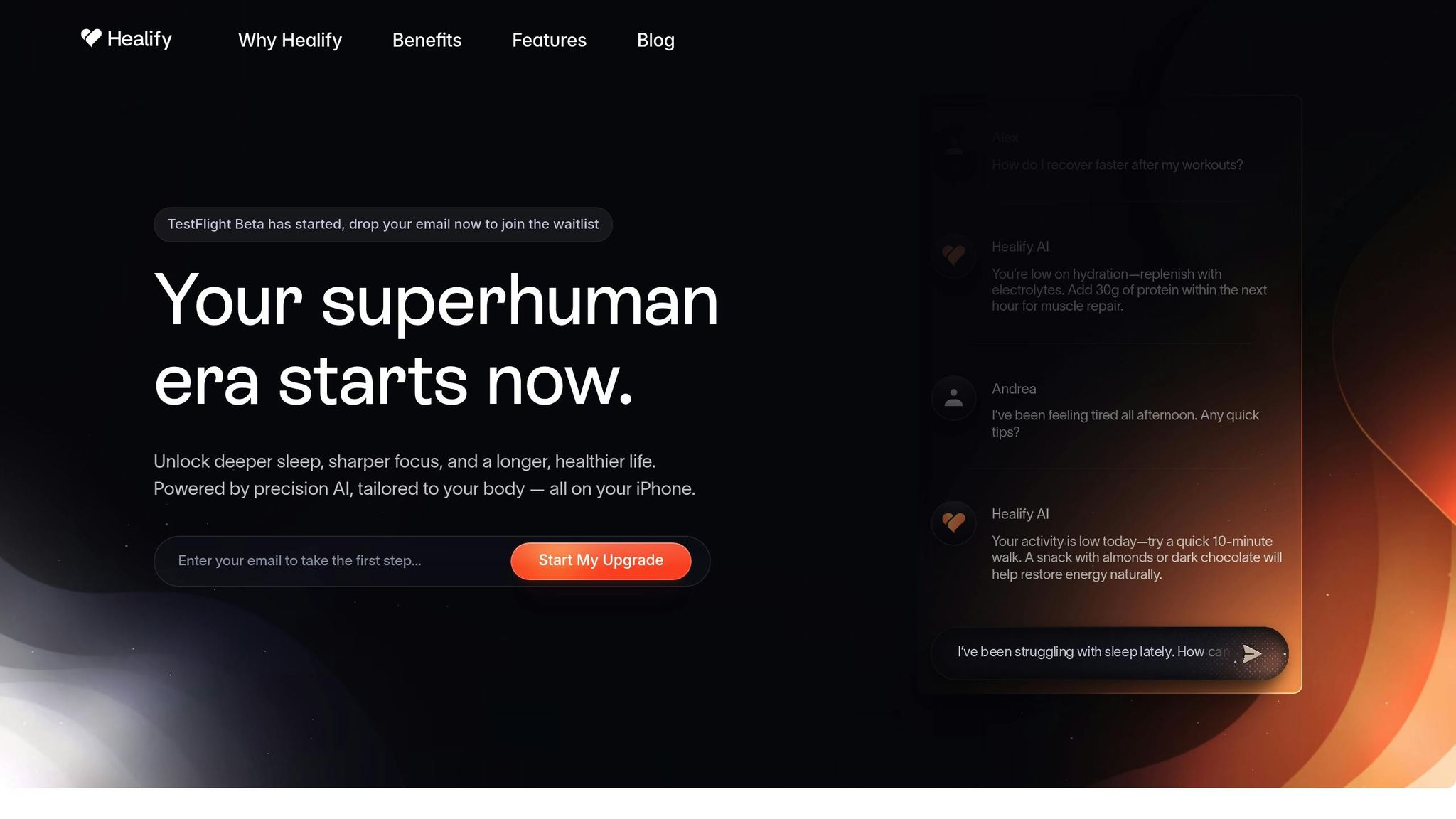
Healify takes the proven benefits of real-time data synchronization and applies them to deliver tailored health guidance. The app connects seamlessly with wearables to track vital metrics like heart rate, sleep patterns, physical activity, and blood oxygen levels. But it doesn’t stop at collecting data - Healify’s AI health coach, Anna, analyzes these continuous streams to identify trends and provide actionable advice.

By turning raw data into meaningful insights, Healify creates a full picture of your health. It integrates information from wearables, biometrics, bloodwork, and lifestyle inputs to offer real-time recommendations. Whether it’s adjusting your sleep schedule, modifying your workout routine, or managing stress, Anna provides guidance when you need it most. The platform prioritizes both mental and physical well-being, helping users take proactive steps to prevent health issues before they arise.

For iPhone users, Healify transforms isolated metrics into actionable insights. Currently, the app is available through an exclusive private beta, offering free access to premium features for those on the waitlist.

Challenges and Future Directions

As real-time synchronization technology continues to evolve, it faces several challenges and opportunities for innovation that require attention.

Privacy and Security Concerns

Real-time data synchronization introduces critical vulnerabilities, especially when it comes to privacy and security. For instance, 64% of wearables transmit data over Bluetooth without encryption, exposing sensitive health information during transmission [19]. To put that in perspective, healthcare data from wearables can fetch as much as $250 per record on the Dark Web, significantly higher than the $5.40 per record for payment card data [18].

The numbers highlight the scale of the problem: only 15% of manufacturers implement end-to-end encryption, and 83% of wearable APIs have at least one security flaw. Even more concerning, 92% of users are unaware of how their data is shared, and 60% of apps transmit data to third parties without explicit consent [19].

To tackle these risks, organizations can adopt technical measures like multi-factor authentication, end-to-end encryption, and de-identification of data before transmission. Policy-level solutions also play a role, such as embracing "privacy-by-design" principles and limiting data collection to essentials [17][18]. For individual users, simple actions like disabling non-essential features (e.g., GPS) when not in use and enabling automatic firmware updates - which address 90% of security flaws caused by outdated software - can go a long way in enhancing security [19].

System Interoperability Barriers

Proprietary data formats remain a significant hurdle, creating vendor lock-in and preventing seamless cross-platform data sharing. The challenge isn’t limited to technical compatibility; it’s also about semantics. For example, does "heart rate" from a Garmin device mean the same thing as "heart rate" from a Fitbit? Without standardized vocabularies, systems struggle to interpret and integrate data effectively [14][5].

"Standardization of data and metadata along the entire PGD [person-generated data] integration pipeline is crucial for ensuring device-agnostic, modular, flexible, multipurpose, and thus lower-cost integration into clinical workflow." – Ida Sim, MD, PhD, University of California, San Francisco [5]

Efforts to address these issues are underway. Standards like Fast Healthcare Interoperability Resources (FHIR) and IEEE 1752.1 (Open mHealth) are paving the way for device-agnostic data exchange [11][14][5]. A notable example is the mPROVE project at the University of California, San Francisco, which used a SMART-on-FHIR dashboard to integrate patient-reported outcomes and blood pressure data directly into the Epic EHR system between 2020 and 2021 [5]. Furthermore, the CMS Interoperability Framework, set to take effect by July 4, 2026, will require health networks to adopt FHIR APIs, pushing the industry toward more open and standardized data sharing [20].

Future Developments in Wearable Technology

The future of wearable technology is brimming with potential, particularly in the realm of real-time data synchronization. In 2023, researchers developed a neural network-based solution that synchronized multiple motion-tracking devices at 200 Hz, achieving an impressive 97.3% success rate across platforms [7].

Emerging technologies like federated learning are also making waves. This approach allows AI models to train on wearable data without centralizing sensitive patient information, addressing privacy concerns during data transmission [21]. Additionally, advances in 5G network slicing are reducing latency for real-time data acquisition, while blockchain technology is enabling secure, tamper-proof data exchanges [21].

With wearable shipments expected to exceed 543 million units in 2024 (a 6.1% increase from the previous year) and smartwatch users projected to reach 740 million globally by 2029, these innovations are set to play a pivotal role in shaping the future of health monitoring [22].

Conclusion

Wearable devices have reshaped the way health data flows, bridging the gap between your wrist and the systems that rely on this information. In fact, your smartwatch can transmit data to health platforms in under 10 seconds [1]. This speed is transforming healthcare, shifting the focus from reacting to illnesses to preventing them before they start.

But wearables don’t stop at simple monitoring. They’re stepping into new territory by screening for conditions like atrial fibrillation, identifying early signs of illness, and even predicting potential clinical risks [2]. The real game-changer lies in how these devices turn raw data - like heart rate and sleep patterns - into actionable insights using real-time AI analysis.

This leap in data interpretation is opening doors to exciting possibilities. Take Healify, for example, which combines multiple data streams into clear, actionable health plans through its AI-powered health coach, Anna, available 24/7.

With over 400 wearable devices now compatible with electronic health record (EHR) systems and standards like FHIR gaining traction, the once fragmented world of health data is becoming more connected [4]. Clinical studies continue to highlight the value of these advancements [3].

The challenges ahead are significant, but the potential is undeniable. As Dr. Ricky Bloomfield, Chief Medical Officer at Oura, aptly said:

"The integration of wearable technology into national healthcare systems presents a profound opportunity to redefine care delivery" [23].

Overcoming these hurdles will only accelerate the move toward more proactive and personalized healthcare. Real-time data synchronization isn’t just changing how we track our health - it’s revolutionizing how we manage it.

FAQs

How do wearables keep real-time health data secure?

Wearable devices prioritize the protection of your health data by using advanced security measures to ensure privacy and safety. Data is encrypted directly on the device before it’s sent to companion apps or cloud platforms. Wireless connections rely on secure protocols like TLS/SSL, and any data stored on smartphones is kept in encrypted containers, accessible only with permissions you approve.

To take privacy a step further, cutting-edge technologies like homomorphic encryption and secure multi-party computation keep sensitive biometric data unreadable outside the device. Blockchain and zero-knowledge proofs add another layer of security, maintaining data integrity and preventing unauthorized access. For example, Healify employs end-to-end encryption and processes data directly on the device, transforming wearable data into meaningful insights - all while safeguarding your information every step of the way.

What advancements will make wearable health data more accurate?

The future of wearable technology looks promising with advancements aimed at improving data accuracy and user experience. AI-driven signal processing is expected to play a key role by reducing noise and filtering out artifacts, ensuring cleaner and more precise data. Alongside this, enhanced Bluetooth synchronization, supported by neural networks, will deliver faster and more dependable connections.

Refinements in data pipelines will also make a difference, enabling devices to detect when they aren’t being worn. This will not only improve compliance tracking but also ensure the insights generated are of higher quality. Together, these developments will make wearables even more effective at delivering real-time health insights, empowering users to better understand and manage their well-being.

How do wearable devices sync health data with medical records?

Wearable devices gather health data in real time, tracking details like heart rate, activity levels, sleep patterns, and blood oxygen. This information is then sent to a smartphone app via Bluetooth. The app uses secure APIs to convert the data into standardized formats that work with electronic health records (EHRs). Once processed, the data is securely transferred to the EHR, making it accessible for healthcare providers to review.

This setup enables wearable data to be treated just like other clinical observations, supporting tools like remote patient monitoring and care plan adjustments. Healify takes it further by analyzing your wearable metrics in real time. It provides personalized health insights while ensuring your data stays updated and seamlessly integrated with your medical records, fostering smooth collaboration with your healthcare team.

Related Blog Posts

Wearable devices are changing how we monitor health by syncing data in real time. This process allows wearables like smartwatches to track metrics such as heart rate and sleep, sending updates to your phone or health apps in under 10 seconds. This rapid syncing supports timely health decisions and even early detection of issues like atrial fibrillation or infections.

Key points include:

  • How it works: Wearables use Bluetooth Low Energy (BLE) to send data to smartphones, which then transmit it to the cloud and health platforms.

  • Health benefits: Continuous glucose monitors, heart sensors, and other wearables help manage chronic conditions, reduce hospital visits, and improve outcomes.

  • Challenges: Privacy concerns, fragmented data systems, and security flaws in wearables need addressing.

  • Future potential: Advances like neural networks, 5G, and blockchain are improving accuracy and security.

Wearables are not just for tracking - they’re becoming tools for managing health in real time.

How to use wearable data in your clinical studies & digital interventions

How Wearables Sync Data in Real Time

How Wearable Data Syncs From Device to Health Platform in Real-Time

How Wearable Data Syncs From Device to Health Platform in Real-Time

The Technical Infrastructure Behind Data Sync

The journey from your wearable to your health dashboard is surprisingly direct. For instance, when your smartwatch logs your heart rate, it sends that data via Bluetooth Low Energy (BLE) to your smartphone. From there, it travels through Wi-Fi or cellular networks to the cloud, and finally, APIs deliver it to third-party platforms [1].

BLE plays a key role here. It uses the Generic Attribute Profile (GATT) to create a secure, low-power connection between your wearable and your phone [7]. Once the data reaches the cloud, webhooks come into play. These webhooks notify connected platforms instantly when new data arrives, avoiding the need for constant "polling" (repeatedly checking for updates) and cutting cloud-level latency down to milliseconds [1][6].

Your smartphone acts as the central hub in this process. For instance, Wear OS employs APIs like DataClient to handle synchronization tasks such as deduplication and caching. This ensures data flows smoothly without overwhelming the Bluetooth connection [8].

Thanks to this well-designed infrastructure, wearables can deliver continuous and efficient health monitoring without draining your device's resources.

Continuous Health Monitoring and Data Transfer

Wearables strike a delicate balance between continuous tracking and battery efficiency through two specific data transfer modes. Devices like those running Wear OS switch between streamed mode and batched mode depending on their activity.

  • Streamed mode: When the screen is active, data - such as exercise metrics - is sent in real time, often sampled every second [9].

  • Batched mode: In ambient mode, data is stored locally on the device and transmitted in chunks when the buffer fills or when the user interacts with the device again [9].

"Data is streamed while the application processor is on... Once the display goes off or into ambient mode, the data is batched in order to save power." - Android Developers [9]

This dual-mode system allows wearables to monitor health metrics around the clock without rapidly draining the battery. Many devices also leverage Real-Time Operating Systems (RTOS) to handle high-frequency sensor sampling - sometimes up to 200 Hz - while maintaining reliable and predictable performance [7].

How Reduced Latency Improves Data Updates

Fast and efficient data transfer is essential for timely health insights, especially for applications that demand precision. While basic metrics like step counts can tolerate minor delays, more advanced uses - like detecting irregular heart rhythms or analyzing gait patterns - require near-instantaneous updates. Standard Bluetooth networks can experience synchronization errors of up to 30 milliseconds due to frequency drift and transmission delays [7]. For critical health applications, even small delays can lead to inaccurate data.

Recent advancements have significantly reduced these delays. In August 2023, a study published in Nature Communications highlighted a neural network-based method for synchronizing multiple Kinematics Detector (KiD) wearables. By introducing a "virtual clock" to account for Bluetooth retransmissions and clock drift, researchers reduced the average synchronization error from 30 milliseconds to just 0.356 milliseconds. This breakthrough enabled precise 200 Hz motion tracking across platforms with a 97.3% accuracy rate [7].

"The neural network examines the timing at each wearable node, recognizes time shifts, and fine-tunes a virtual clock to make them operate in unison." - Nature Communications [7]

Such precision supports data fusion, where information from different sensors - like ECG monitors and accelerometers - is combined to create a comprehensive view of your health. When data streams align with sub-millisecond accuracy, machine learning algorithms can detect anomalies, such as irregular heart rates, and trigger immediate alerts [10]. This transforms wearables into systems that don't just log your health metrics - they actively monitor for changes that may need your attention.

Interoperability and Unified Health Data Systems

Standardized Protocols for Data Sharing

Getting data from your wearable device into your doctor's Electronic Health Record (EHR) system requires a shared language. That’s where HL7 FHIR (Fast Healthcare Interoperability Resources) steps in. This standard translates proprietary wearable data into structured formats. For instance, it can convert a smartwatch’s heart rate reading into an "Observation" using LOINC codes, like 8867-4 for heart rate. Security is built in with OAuth 2.0, ensuring that data exchange is both seamless and secure. Platforms like Apple HealthKit and Google Fit further simplify the process by acting as aggregation hubs, standardizing clinical data from various sources.

"FHIR standards enable providers to access coherent patient data." – Kim Helms, Nexla [12]

Regulators are also pushing for this transformation. In the U.S., the Centers for Medicare and Medicaid Services (CMS) now require healthcare organizations to use the FHIR standard for easier data access and exchange [12]. This push for standardization not only makes it simpler to share clinical data but also addresses long-standing issues with fragmented health information.

Solving Health Data Fragmentation

Standardized protocols are just the start - wearable devices are stepping in to tackle the problem of fragmented health data. Fragmentation happens when health information is scattered across multiple systems, making it hard for doctors to get a complete picture of a patient’s health. By 2015, 87% of office-based physicians in the U.S. had adopted EHR systems, but many of these systems couldn’t communicate with one another [4]. Major players like Epic and Cerner, which together account for roughly half of the hospital EHR market, relied on proprietary systems that created isolated data silos.

Wearables help close these gaps by continuously generating patient data, known as patient-generated health data (PGHD). This data captures trends that might be missed during occasional doctor visits. When processed through standardized frameworks, wearable data can be integrated with lab results, prescriptions, and clinical notes to create a more complete health record. According to the FDA, improving medical device interoperability could save over $30 billion annually in healthcare costs while also improving patient care [13].

Take, for example, prototypes that combine Garmin smartwatches with Propeller Health’s inhaler sensors. These devices use FHIR connectors to standardize data, leading to a 54% reduction in ER visits and better patient outcomes [11][12].

The industry is also moving toward "plug-and-play" interoperability, where devices automatically connect, communicate, and sync with EHR systems without the need for custom engineering. With over 400 EHR-compatible wearable devices already available [4], this approach is key to building a fully connected health data ecosystem. This shift is paving the way for practical applications in chronic disease management and overall health monitoring.

Real-Life Applications of Wearable Data Synchronization

Chronic Disease Management and Preventive Care

Real-time data synchronization is revolutionizing how we approach chronic disease management. Instead of relying solely on periodic check-ups, wearables continuously monitor health metrics, revealing patterns and early warning signs that can lead to timely interventions.

Take the Apple Heart Study, for example. It monitored over 400,000 participants, with 34% of those receiving alerts later confirmed to have atrial fibrillation. The syncing algorithm in this study demonstrated an impressive 84% positive predictive value [3].

For individuals managing diabetes, continuous glucose monitors (CGMs) offer real-time insights. These devices sync glucose data instantly, enabling users to adjust insulin doses, diet, and activity levels on the fly. In the Season of Me Program, 2,217 participants used the January AI app integrated with a Freestyle Libre CGM and heart rate monitors like the Apple Watch or Fitbit. Results showed that participants with Type 2 Diabetes improved their Time in Range by 9.8%. Those with a baseline Glucose Management Indicator above 7% saw their estimated HbA1c drop by an average of 0.43% [15].

Heart failure patients also benefit from synchronized monitoring. The CHAMPION Study followed 1,114 patients using the CardioMEMS HF System - a sensor implanted in the pulmonary artery that transmitted pressure data to clinical teams in real time. This proactive monitoring led to timely medication adjustments and a 28% reduction in hospitalizations over 18 months [14]. Similarly, the MiCORE Study tracked 200 patients recovering from myocardial infarction using an Apple Watch and a Bluetooth-connected blood pressure cuff paired with a self-management app. The result? A 43% reduction in 30-day readmissions and approximately $6,000 saved per patient [3].

But the benefits of real-time data synchronization extend beyond chronic conditions - it also supports overall well-being.

Improving Mental and Physical Well-Being

Wearables aren't just about managing diseases; they're also tools for enhancing mental and physical wellness. By syncing data on sleep, activity, and physiological responses, these devices empower users to see how daily habits impact their overall health.

Consider a 90-day digital hypertension program that combined home blood pressure monitors with wearables like activity trackers and scales, all synced with electronic health records. This program helped 71% of patients achieve target blood pressure, compared to just 31% with standard care [16].

Real-time data integration also plays a role in weight management. In the Season of Me study, participants with Type 2 Diabetes lost an average of 4.4 pounds in just 28 days. Those who continued for 12 weeks shed an average of 9.4 pounds. Even non-diabetic participants saw results, losing an average of 2.5 pounds in the first month [15]. By combining CGM data with food logs, AI algorithms predicted glycemic responses and provided personalized dietary recommendations.

"The monitoring landscape is transitioning from a past in which all measurements were intermittent toward a future in which many will be continuous." – American Heart Association [14]

These advancements in wearable technology are paving the way for platforms like Healify to offer personalized, proactive care.

How Healify Uses Real-Time Health Monitoring

Healify

Healify takes the proven benefits of real-time data synchronization and applies them to deliver tailored health guidance. The app connects seamlessly with wearables to track vital metrics like heart rate, sleep patterns, physical activity, and blood oxygen levels. But it doesn’t stop at collecting data - Healify’s AI health coach, Anna, analyzes these continuous streams to identify trends and provide actionable advice.

By turning raw data into meaningful insights, Healify creates a full picture of your health. It integrates information from wearables, biometrics, bloodwork, and lifestyle inputs to offer real-time recommendations. Whether it’s adjusting your sleep schedule, modifying your workout routine, or managing stress, Anna provides guidance when you need it most. The platform prioritizes both mental and physical well-being, helping users take proactive steps to prevent health issues before they arise.

For iPhone users, Healify transforms isolated metrics into actionable insights. Currently, the app is available through an exclusive private beta, offering free access to premium features for those on the waitlist.

Challenges and Future Directions

As real-time synchronization technology continues to evolve, it faces several challenges and opportunities for innovation that require attention.

Privacy and Security Concerns

Real-time data synchronization introduces critical vulnerabilities, especially when it comes to privacy and security. For instance, 64% of wearables transmit data over Bluetooth without encryption, exposing sensitive health information during transmission [19]. To put that in perspective, healthcare data from wearables can fetch as much as $250 per record on the Dark Web, significantly higher than the $5.40 per record for payment card data [18].

The numbers highlight the scale of the problem: only 15% of manufacturers implement end-to-end encryption, and 83% of wearable APIs have at least one security flaw. Even more concerning, 92% of users are unaware of how their data is shared, and 60% of apps transmit data to third parties without explicit consent [19].

To tackle these risks, organizations can adopt technical measures like multi-factor authentication, end-to-end encryption, and de-identification of data before transmission. Policy-level solutions also play a role, such as embracing "privacy-by-design" principles and limiting data collection to essentials [17][18]. For individual users, simple actions like disabling non-essential features (e.g., GPS) when not in use and enabling automatic firmware updates - which address 90% of security flaws caused by outdated software - can go a long way in enhancing security [19].

System Interoperability Barriers

Proprietary data formats remain a significant hurdle, creating vendor lock-in and preventing seamless cross-platform data sharing. The challenge isn’t limited to technical compatibility; it’s also about semantics. For example, does "heart rate" from a Garmin device mean the same thing as "heart rate" from a Fitbit? Without standardized vocabularies, systems struggle to interpret and integrate data effectively [14][5].

"Standardization of data and metadata along the entire PGD [person-generated data] integration pipeline is crucial for ensuring device-agnostic, modular, flexible, multipurpose, and thus lower-cost integration into clinical workflow." – Ida Sim, MD, PhD, University of California, San Francisco [5]

Efforts to address these issues are underway. Standards like Fast Healthcare Interoperability Resources (FHIR) and IEEE 1752.1 (Open mHealth) are paving the way for device-agnostic data exchange [11][14][5]. A notable example is the mPROVE project at the University of California, San Francisco, which used a SMART-on-FHIR dashboard to integrate patient-reported outcomes and blood pressure data directly into the Epic EHR system between 2020 and 2021 [5]. Furthermore, the CMS Interoperability Framework, set to take effect by July 4, 2026, will require health networks to adopt FHIR APIs, pushing the industry toward more open and standardized data sharing [20].

Future Developments in Wearable Technology

The future of wearable technology is brimming with potential, particularly in the realm of real-time data synchronization. In 2023, researchers developed a neural network-based solution that synchronized multiple motion-tracking devices at 200 Hz, achieving an impressive 97.3% success rate across platforms [7].

Emerging technologies like federated learning are also making waves. This approach allows AI models to train on wearable data without centralizing sensitive patient information, addressing privacy concerns during data transmission [21]. Additionally, advances in 5G network slicing are reducing latency for real-time data acquisition, while blockchain technology is enabling secure, tamper-proof data exchanges [21].

With wearable shipments expected to exceed 543 million units in 2024 (a 6.1% increase from the previous year) and smartwatch users projected to reach 740 million globally by 2029, these innovations are set to play a pivotal role in shaping the future of health monitoring [22].

Conclusion

Wearable devices have reshaped the way health data flows, bridging the gap between your wrist and the systems that rely on this information. In fact, your smartwatch can transmit data to health platforms in under 10 seconds [1]. This speed is transforming healthcare, shifting the focus from reacting to illnesses to preventing them before they start.

But wearables don’t stop at simple monitoring. They’re stepping into new territory by screening for conditions like atrial fibrillation, identifying early signs of illness, and even predicting potential clinical risks [2]. The real game-changer lies in how these devices turn raw data - like heart rate and sleep patterns - into actionable insights using real-time AI analysis.

This leap in data interpretation is opening doors to exciting possibilities. Take Healify, for example, which combines multiple data streams into clear, actionable health plans through its AI-powered health coach, Anna, available 24/7.

With over 400 wearable devices now compatible with electronic health record (EHR) systems and standards like FHIR gaining traction, the once fragmented world of health data is becoming more connected [4]. Clinical studies continue to highlight the value of these advancements [3].

The challenges ahead are significant, but the potential is undeniable. As Dr. Ricky Bloomfield, Chief Medical Officer at Oura, aptly said:

"The integration of wearable technology into national healthcare systems presents a profound opportunity to redefine care delivery" [23].

Overcoming these hurdles will only accelerate the move toward more proactive and personalized healthcare. Real-time data synchronization isn’t just changing how we track our health - it’s revolutionizing how we manage it.

FAQs

How do wearables keep real-time health data secure?

Wearable devices prioritize the protection of your health data by using advanced security measures to ensure privacy and safety. Data is encrypted directly on the device before it’s sent to companion apps or cloud platforms. Wireless connections rely on secure protocols like TLS/SSL, and any data stored on smartphones is kept in encrypted containers, accessible only with permissions you approve.

To take privacy a step further, cutting-edge technologies like homomorphic encryption and secure multi-party computation keep sensitive biometric data unreadable outside the device. Blockchain and zero-knowledge proofs add another layer of security, maintaining data integrity and preventing unauthorized access. For example, Healify employs end-to-end encryption and processes data directly on the device, transforming wearable data into meaningful insights - all while safeguarding your information every step of the way.

What advancements will make wearable health data more accurate?

The future of wearable technology looks promising with advancements aimed at improving data accuracy and user experience. AI-driven signal processing is expected to play a key role by reducing noise and filtering out artifacts, ensuring cleaner and more precise data. Alongside this, enhanced Bluetooth synchronization, supported by neural networks, will deliver faster and more dependable connections.

Refinements in data pipelines will also make a difference, enabling devices to detect when they aren’t being worn. This will not only improve compliance tracking but also ensure the insights generated are of higher quality. Together, these developments will make wearables even more effective at delivering real-time health insights, empowering users to better understand and manage their well-being.

How do wearable devices sync health data with medical records?

Wearable devices gather health data in real time, tracking details like heart rate, activity levels, sleep patterns, and blood oxygen. This information is then sent to a smartphone app via Bluetooth. The app uses secure APIs to convert the data into standardized formats that work with electronic health records (EHRs). Once processed, the data is securely transferred to the EHR, making it accessible for healthcare providers to review.

This setup enables wearable data to be treated just like other clinical observations, supporting tools like remote patient monitoring and care plan adjustments. Healify takes it further by analyzing your wearable metrics in real time. It provides personalized health insights while ensuring your data stays updated and seamlessly integrated with your medical records, fostering smooth collaboration with your healthcare team.

Related Blog Posts

Finally take control of your health

Finally take control of your health

Finally take control of your health

© 2026 Healify Limited
English
© 2026 Healify Limited