
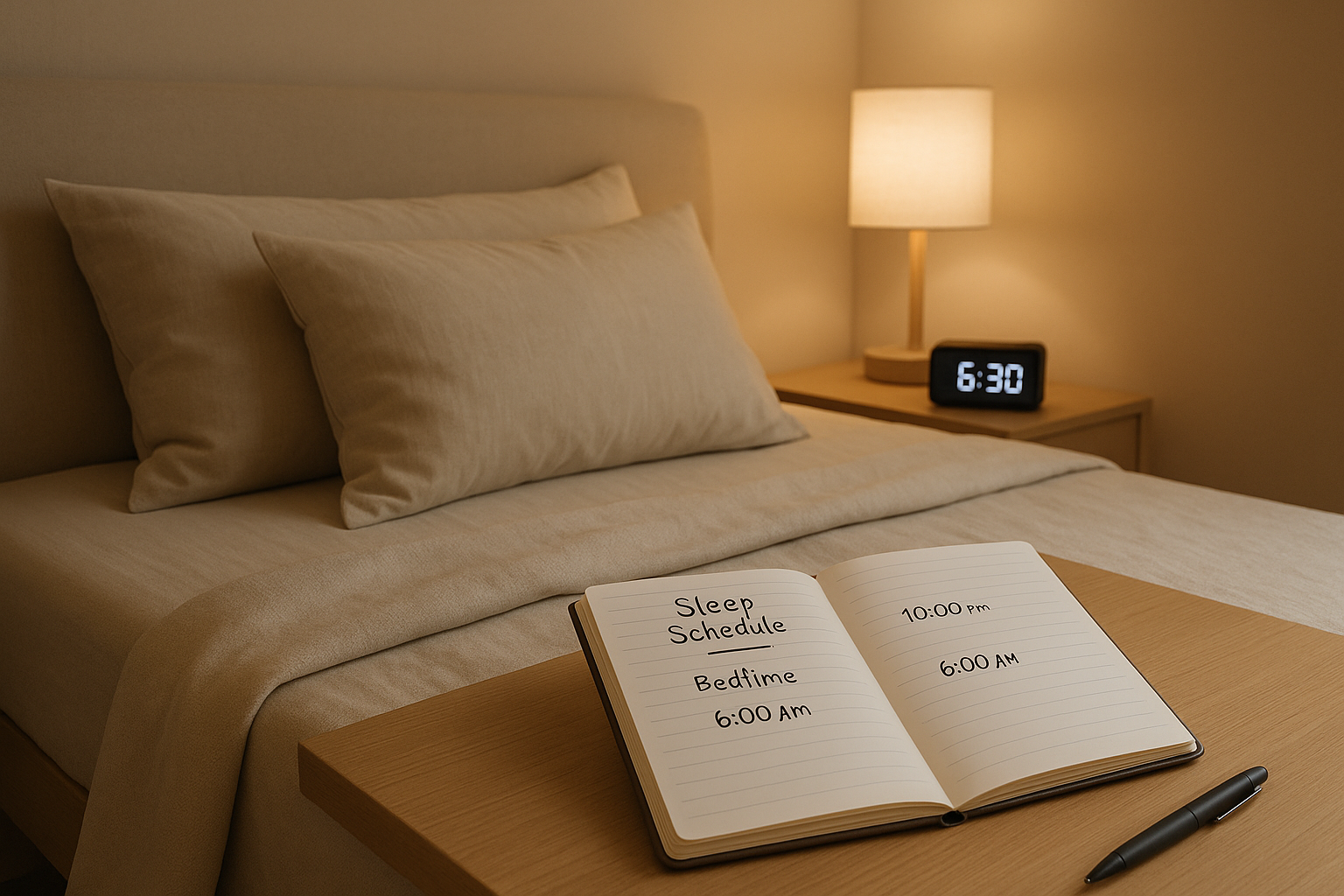
<iframe class="wrapifai-iframe" src="https://app.wrapifai.com/embed/556b4c" frameborder="0" loading="lazy" id="wrapifai-iframe" width="100%" height="400px" marginheight="0" marginwidth="0" bgcolor="white" style="padding: 12px 0; border-radius: 12px" allow="clipboard-read;clipboard-write;" title="Embedded media"></iframe><h2 id="craft-a-better-routine-with-a-sleep-schedule-planner" tabindex="-1" class="sb h2-sbb-cls">Craft a Better Routine with a Sleep Schedule Planner</h2> <p>Getting enough rest is a game-changer for your energy, mood, and productivity, yet so many of us struggle to build a consistent bedtime routine. That’s where a tool like a sleep schedule planner comes in handy. It takes the guesswork out of figuring out when to hit the hay by tailoring a plan to your unique wake-up goals and daily commitments.</p> <h2 id="why-consistency-matters-for-rest" tabindex="-1" class="sb h2-sbb-cls">Why Consistency Matters for Rest</h2> <p>Your body thrives on routine. Going to bed and waking up at the same time each day helps regulate your internal clock, making it easier to fall asleep and wake up naturally. If your current habits are all over the place, don’t worry—using a bedtime planning tool can guide you toward better patterns. Just input a few details, like when you need to be up and how many hours of shut-eye you’re aiming for, and let the tool do the math.</p> <h2 id="small-steps-big-impact" tabindex="-1" class="sb h2-sbb-cls">Small Steps, Big Impact</h2> <p>Beyond just calculating the right time to sleep, personalized recommendations can include tips for winding down. Maybe it’s cutting off screen time or sipping some herbal tea. These little habits, paired with a steady schedule, can transform how rested you feel. Start today and take control of your nights for brighter mornings.</p> <h2 id="faqs" tabindex="-1" class="sb h2-sbb-cls">FAQs</h2> <h3 id="how-does-the-sleep-schedule-planner-calculate-my-bedtime" tabindex="-1" data-faq-q>How does the Sleep Schedule Planner calculate my bedtime?</h3> <p>It’s pretty straightforward! We take your desired wake-up time and subtract the hours of sleep you need—usually 8, but you can adjust it. Then, we add a small buffer of 15-30 minutes to account for the time it takes to fall asleep. The result is a bedtime that ensures you’re getting enough rest to wake up refreshed. If you’ve got specific commitments, like a late-night event, we factor those in too.</p> <h3 id="what-if-my-current-sleep-habits-are-way-off-from-the-suggested-schedule" tabindex="-1" data-faq-q>What if my current sleep habits are way off from the suggested schedule?</h3> <p>No worries at all! If the recommended bedtime feels like a big leap from your current routine, don’t stress about changing overnight. Start by shifting your bedtime and wake-up time by 15-30 minutes each day until you’re aligned with the plan. Consistency is key, and easing into it helps your body adjust without feeling overwhelmed. Stick with it, and you’ll notice the difference.</p> <h3 id="why-are-wind-down-reminders-included-in-the-schedule" tabindex="-1" data-faq-q>Why are wind-down reminders included in the schedule?</h3> <p>Those reminders are there to help you prep for sleep, not just crash into bed. Stopping screen time or winding down with a book about 30 minutes before bedtime signals to your brain that it’s time to relax. It’s a small step, but it can make falling asleep so much easier. Think of it as a gentle nudge to prioritize rest over scrolling through your phone.</p>
<script src='https://app.wrapifai.com/embed/index.js'></script><script type="application/ld+json">{"@context":"https://schema.org","@type":"FAQPage","mainEntity":[{"@type":"Question","name":"How does the Sleep Schedule Planner calculate my bedtime?","acceptedAnswer":{"@type":"Answer","text":"<p>It’s pretty straightforward! We take your desired wake-up time and subtract the hours of sleep you need—usually 8, but you can adjust it. Then, we add a small buffer of 15-30 minutes to account for the time it takes to fall asleep. The result is a bedtime that ensures you’re getting enough rest to wake up refreshed. If you’ve got specific commitments, like a late-night event, we factor those in too.</p>"}},{"@type":"Question","name":"What if my current sleep habits are way off from the suggested schedule?","acceptedAnswer":{"@type":"Answer","text":"<p>No worries at all! If the recommended bedtime feels like a big leap from your current routine, don’t stress about changing overnight. Start by shifting your bedtime and wake-up time by 15-30 minutes each day until you’re aligned with the plan. Consistency is key, and easing into it helps your body adjust without feeling overwhelmed. Stick with it, and you’ll notice the difference.</p>"}},{"@type":"Question","name":"Why are wind-down reminders included in the schedule?","acceptedAnswer":{"@type":"Answer","text":"<p>Those reminders are there to help you prep for sleep, not just crash into bed. Stopping screen time or winding down with a book about 30 minutes before bedtime signals to your brain that it’s time to relax. It’s a small step, but it can make falling asleep so much easier. Think of it as a gentle nudge to prioritize rest over scrolling through your phone.</p>"}}]}</script>