Improve your health

Improve your health

Improve your health

November 3, 2025

How AI Powers Respiratory Wearables for Fitness

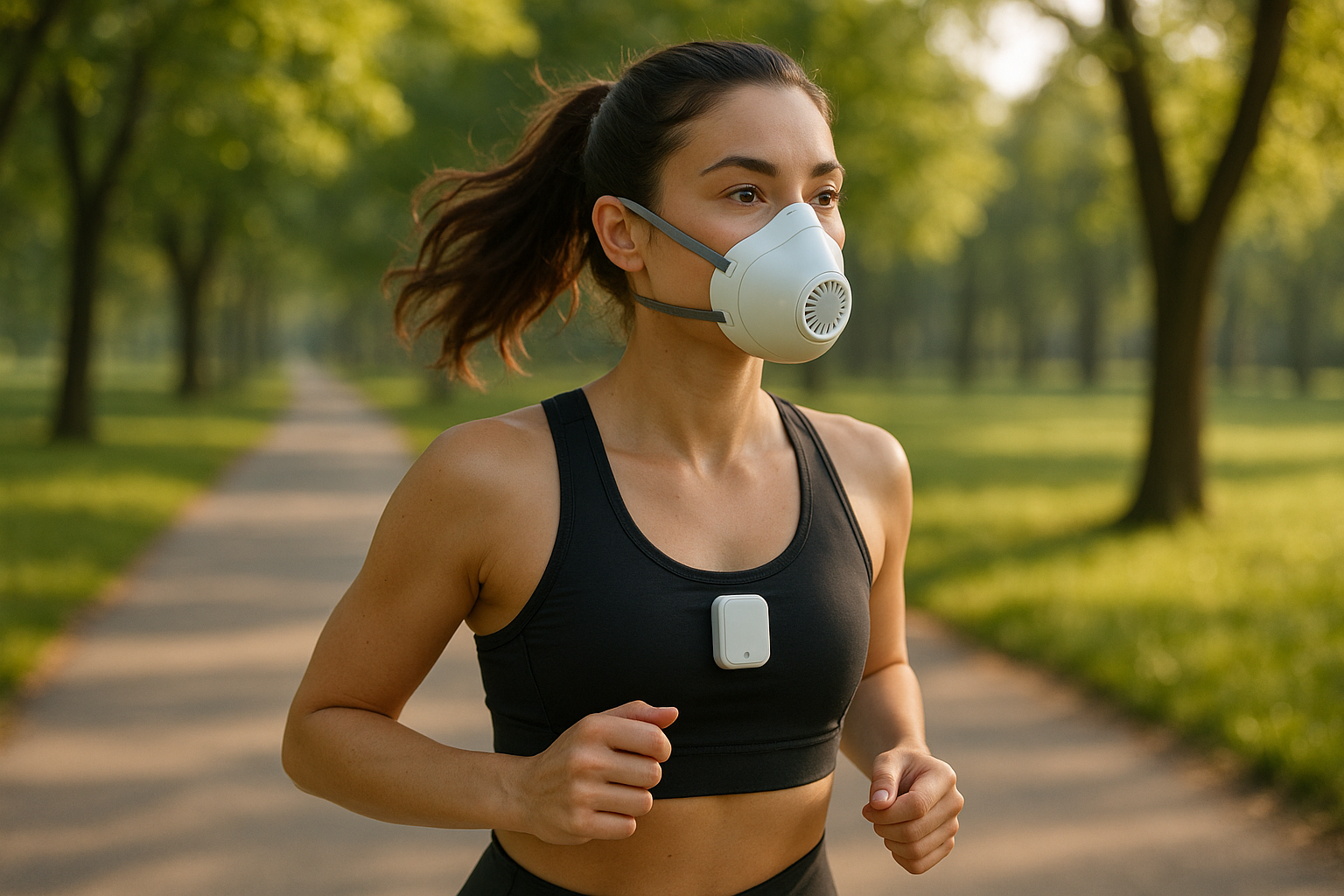
AI-driven respiratory wearables are transforming fitness and health monitoring. These devices analyze your breathing in real-time, offering tailored insights to improve workouts and manage conditions like asthma or COPD. By combining sensors and AI, they track metrics like respiratory rate, oxygen levels, and heart rate, turning complex data into actionable guidance.

Key Takeaways:

  • What They Do: Monitor breathing patterns and provide personalized fitness advice.

  • How They Work: Use advanced sensors (e.g., bioimpedance, accelerometers) and AI for real-time health insights.

  • Examples: Devices like the Hexoskin Smart Shirt and platforms like Healify offer real-time feedback and coaching.

  • Benefits: Help optimize workouts, prevent overexertion, and support long-term health monitoring.

AI-powered wearables are reshaping health tracking, making it possible to adjust workouts, predict health trends, and manage respiratory health - all from a single device.

tinyML EMEA - Lina Wei: Monitoring of Vital Signs using Embedded AI in wearable devices

Core Technologies in AI-Powered Respiratory Wearables

AI-powered respiratory wearables combine cutting-edge sensors, machine learning, and predictive analytics to offer fitness insights far beyond what basic trackers can provide. These technologies work together to transform raw data into tailored health guidance. Let’s dive into the key components that fuel these devices.

Advanced Sensors: The Foundation of Accurate Data

Advanced sensors gather precise, high-quality data such as respiratory rate, blood oxygen (SpO2) levels, and heart rate during physical activity. This data forms the backbone for AI-driven analysis and personalized health recommendations [2][8].

Take the Hexoskin Smart Shirt as a prime example. This innovative wearable integrates respiratory rate sensors, ECG monitors, and activity trackers directly into its fabric. By continuously monitoring cardiac and respiratory metrics, sleep patterns, and physical activity, it delivers a comprehensive data set for AI processing [8]. Unlike wristbands or chest straps, its smart shirt design ensures consistent sensor contact, minimizing disruptions caused by motion during intense workouts.

High-quality components paired with sophisticated filtering techniques ensure reliable data collection, even during activities like running, cycling, or yoga. Signal processing algorithms filter out noise from movement and the environment, maintaining accuracy under dynamic conditions. This clean, reliable data is essential for machine learning algorithms to generate meaningful insights.

Machine Learning: Turning Data Into Insights

Machine learning transforms raw sensor data into actionable insights that go beyond human detection. These algorithms analyze vast amounts of data - like breathing patterns, heart rate, and oxygen levels - to identify trends, adapt to individual baselines, and offer personalized guidance [4][5][7].

In practical use, machine learning shines in detecting subtle changes that might signal fatigue, overexertion, or inefficient breathing. For instance, if shallow breathing is detected during a workout, the AI might suggest pacing adjustments or targeted breathing exercises to improve performance and avoid overexertion [4]. This real-time capability is what sets AI-powered devices apart from basic data loggers.

"Your body's signals, decoded instantly" - Healify [1]

A large-scale example of this technology in action is the Fenland Study, which tested AI models on over 11,000 participants. The study demonstrated the ability of machine learning to accurately predict cardiorespiratory metrics like VO2 max in everyday conditions, eliminating the need for costly lab tests [5].

Predictive Analytics: Staying Ahead of Health Issues

Predictive analytics take these wearables to the next level by forecasting health trends and identifying potential problems before symptoms arise. By analyzing historical trends alongside real-time data, these algorithms can detect early signs of respiratory distress, overtraining, or cardiovascular strain [2][6][7].

For example, Healify’s "Stress Defense" feature uses predictive analytics to alert users to critical physiological changes, such as "LOW BLOOD OXYGEN LEVEL" or "CORTISOL PIC DETECTED." These alerts enable proactive steps, like rest or breathing exercises, to prevent minor issues from escalating [1].

"Catch health issues before they impact your day" - Healify [1]

The system works by continuously monitoring metrics like breathing patterns, heart rate variability, and oxygen saturation. When deviations from normal baselines are detected, the AI can recommend rest, exercises, or even medical attention. This proactive approach not only enhances workouts but also supports long-term health by addressing issues before they become disruptive.

Technology Component

Primary Function

Real-World Application

Respiratory Rate Sensors

Monitor breathing patterns and frequency

Hexoskin Smart Shirt tracks breaths per minute

Blood Oxygen (SpO2) Sensors

Measure oxygen saturation levels

Healify alerts users to low oxygen conditions

Machine Learning Algorithms

Analyze data for personalized insights

AI suggests pacing adjustments for better breathing

Predictive Analytics

Forecast health trends and prevent problems

Early warnings for respiratory or cardiovascular issues

Together, these technologies create a powerful health monitoring system. Sensors collect precise data, machine learning deciphers complex patterns, and predictive analytics anticipate future health challenges. This combination allows respiratory wearables to deliver fitness advice tailored to your body and goals.

Real-Time Data and Personalized Fitness Guidance

With advanced sensors and machine learning, AI transforms respiratory wearables into dynamic fitness coaches that adapt to your body's needs as they change. By continuously analyzing metrics like breathing, heart rate, and oxygen levels, these devices provide instant feedback and design workout plans tailored to your respiratory health and fitness goals.

Instant Feedback During Exercise

AI algorithms use real-time respiratory data to deliver immediate insights during your workouts. These systems track vital metrics and notify you about your breathing efficiency, recovery rate, and exercise intensity - all through your connected device.

For instance, during a workout, you might receive alerts like "breathing too shallow" or "increase recovery time between sets" based on your current breathing patterns. If the AI detects signs of overexertion, such as irregular or rapid breathing, it can prompt you to slow down or take a break before pushing yourself too far.

One example is Healify, which issues "LOW BLOOD OXYGEN LEVEL" alerts as soon as significant changes occur [1].

"Your body's signals, decoded instantly" - Healify [1]

The AI might also suggest adjustments to improve performance, like switching to diaphragmatic breathing to increase oxygen intake or adopting a 2:4 breathing rhythm (inhale for two counts, exhale for four) to boost endurance. This level of real-time, data-driven feedback serves as the foundation for the personalized coaching discussed below.

Customized Coaching Based on Your Data

AI doesn’t just react in the moment - it uses your breathing history, fitness level, and overall respiratory health to create tailored recommendations. By analyzing patterns over time, the system learns what’s normal for you and adjusts its guidance accordingly.

For example, if your average breathing rate during moderate exercise is 16 breaths per minute but spikes to 22 during a session, the AI identifies this change and modifies its suggestions. Healify’s AI health coach takes personalization even further by integrating data from wearables, sleep patterns, and lifestyle habits to craft step-by-step action plans.

As your fitness improves, the AI adapts its coaching. Early on, it might recommend frequent rest breaks and basic breathing exercises. Over time, it progresses to more advanced techniques and challenging workouts. Predictive analytics add another layer, anticipating your needs and adjusting strategies before potential issues arise.

Practical Recommendation Examples

AI-powered respiratory wearables go beyond basic heart rate tracking, offering specific, actionable advice. Here are a few examples:

  • Breathing Techniques: If the AI detects shallow chest breathing, it may prompt you to practice diaphragmatic breathing or try paced drills like the 4-7-8 technique to stabilize your cardio breathing.

  • Workout Intensity: Based on respiratory signals, the AI can suggest reducing your pace by 10–15% if you’re overexerting or taking a 30-second recovery break. On the flip side, if you’re not being challenged enough, it may recommend gradually increasing intensity.

  • Recovery Guidance: By monitoring your breathing recovery between sets, the AI ensures you’re resting adequately before resuming exercise, preventing overexertion.

  • Technique Adjustments: Irregular breathing patterns might trigger the AI to recommend paced breathing strategies to improve consistency.

Feedback Type

AI Detection Method

Example Recommendation

Breathing Efficiency

Monitors breath depth and rate

Switch to diaphragmatic breathing for better oxygen intake

Exercise Intensity

Tracks respiratory rate vs. targets

Reduce pace by 10–15% if overexertion is detected

Recovery Timing

Analyzes recovery between sets

Take a 30-second recovery break

Technique Correction

Detects irregular breathing

Try paced breathing (e.g., 4-7-8 technique)

These precise, real-time adjustments are especially helpful during demanding workouts like high-intensity interval training or when striving for new fitness milestones. By keeping your progress steady and safe, AI-powered wearables make your fitness journey more effective and personalized.

Integration with Health Coaching Platforms

AI-powered respiratory wearables truly shine when they’re part of a broader health coaching system. Instead of functioning as standalone devices, they integrate into a larger network that transforms raw physiological data into practical health advice. This connection bridges the gap between your body’s signals and actionable steps, making health management more intuitive and effective.

How Healify Uses Wearable Data for Health Guidance
Healify

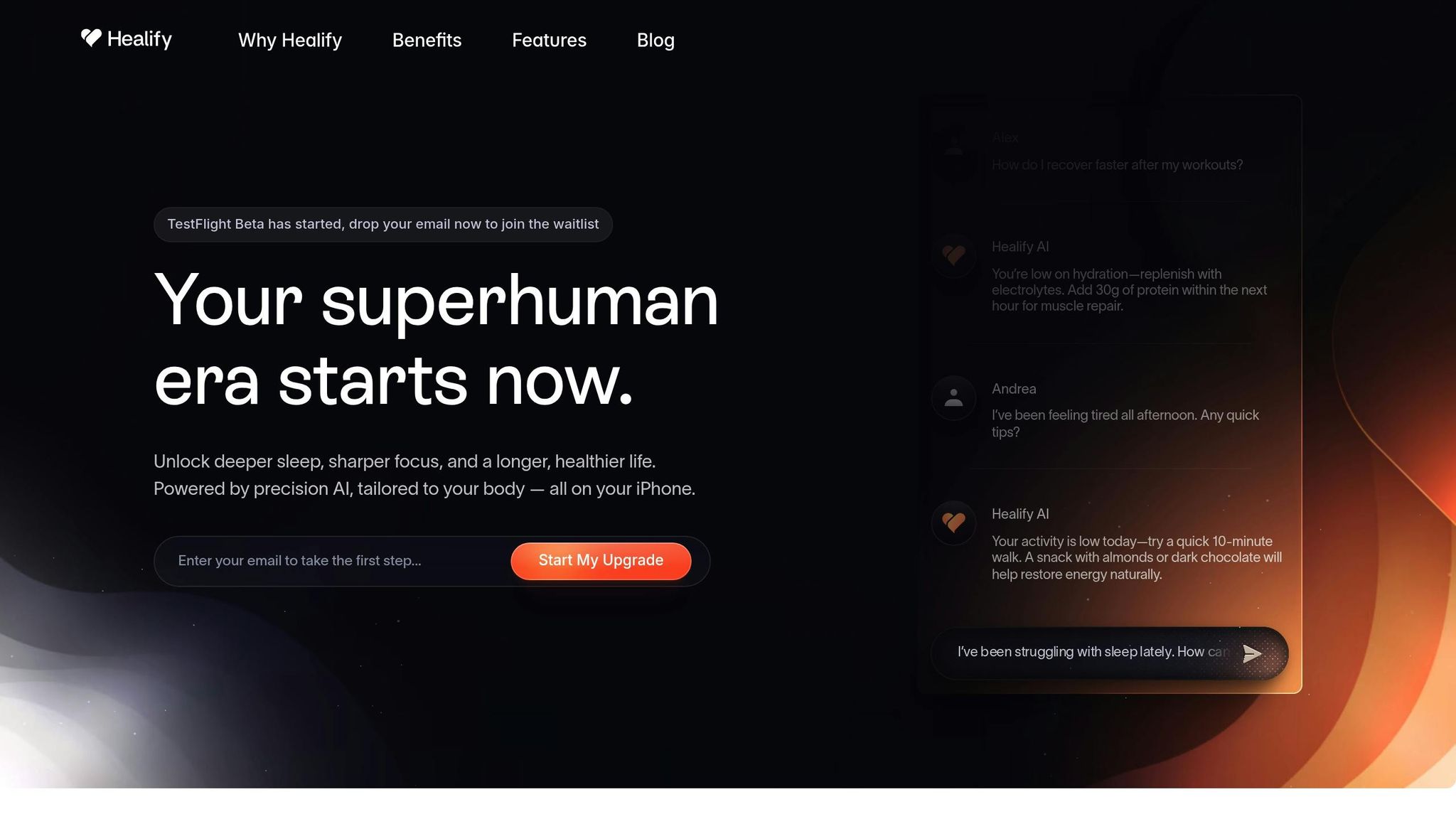
Healify’s AI health coach, Anna, takes respiratory data from wearables and pairs it with other health metrics to deliver personalized, around-the-clock support. By analyzing breathing patterns, heart rate, and oxygen saturation levels collected from devices like the Apple Watch, Anna creates a detailed snapshot of your overall health. This data is further enriched by factoring in sleep habits, activity levels, and lifestyle details.

For example, if a wearable detects elevated nighttime respiratory rates combined with restless sleep, Healify identifies potential triggers and suggests targeted solutions. These might include mindfulness exercises before bed or adjustments to your sleep environment. Similarly, if stress indicators - like rapid breathing or a rising heart rate - are flagged, the system sends real-time alerts, encouraging you to pause and try calming breathing exercises.

What sets Healify apart is its ability to translate complex respiratory data into straightforward advice. Instead of overwhelming users with hard-to-decipher charts, it offers clear action plans. For instance, if your wearable detects a condition like "LOW BLOOD OXYGEN LEVEL", Healify provides immediate, practical steps to address it.

Benefits of Centralized Health Tracking

Beyond personalized advice, centralized tracking brings all your health data into a single, easily accessible hub. With Healify, there’s no need to juggle multiple apps - your breathing, heart rate, and sleep data are all unified in one dashboard. This streamlined approach makes it easier to identify links between your respiratory health and other wellness factors.

One major advantage of this centralized system is its ability to uncover patterns that individual devices might miss. For instance, combining respiratory data with nutrition and hydration metrics could reveal that better hydration correlates with improved respiratory recovery. These insights lead to more tailored recommendations that address your unique health needs.

Healify excels at transforming overwhelming streams of health data into simple, actionable steps. Many wearable users struggle to make sense of the numbers their devices generate. Healify solves this by analyzing respiratory metrics alongside other health data, then presenting clear, prioritized recommendations that are easy to follow.

"Finally, my health data makes sense. I know exactly what to do to feel better." - Sarah L, Founder [1]

Centralized tracking also enables predictive insights by identifying trends across multiple health metrics. This allows Healify to anticipate potential issues - like respiratory challenges - before they escalate, helping you stay ahead of potential setbacks and maintain long-term wellness.

The system creates a dynamic feedback loop where your actions directly shape future recommendations. As you implement the platform’s breathing and fitness advice, the AI adapts, learning what works best for your body. This ongoing refinement ensures that your health coaching becomes more tailored and effective over time, making every effort count toward a healthier, more responsive wellness journey.

How AI Changes Fitness Through Respiratory Wearables

Thanks to advanced sensors and AI, respiratory wearables are reshaping how we approach fitness and respiratory health. These devices offer real-time, adaptive feedback, turning workouts into highly personalized experiences that boost both performance and overall wellness.

The magic lies in their ability to monitor and respond instantly. Unlike traditional fitness trackers that only provide data after your workout, these wearables analyze breathing, heart rate, and oxygen levels as you exercise. For instance, if you're not breathing efficiently during a high-intensity session, the device can alert you to adjust your technique for better oxygen intake. Similarly, if signs of respiratory fatigue appear, it can recommend scaling back intensity or shortening the workout to avoid overexertion [9][10]. This immediate feedback not only fine-tunes your performance but also supports meaningful health improvements over time.

Main Benefits

AI-powered respiratory wearables offer a range of benefits by delivering detailed insights into your fitness and health. With real-time monitoring, users can identify irregular breathing patterns early, track progress with precision, and manage conditions like asthma or sleep apnea more effectively. This leads to improved fitness outcomes and better overall health [2][3].

These devices don’t just stop at insights - they also provide tailored coaching. They can suggest adjustments to exercise intensity, recommend specific breathing techniques, or offer recovery tips based on your unique needs [4][9].

Platforms like Healify take this a step further by combining data from multiple wearables and biometrics. Healify’s AI coach, Anna, uses this collected information to provide actionable health advice around the clock. Users benefit from real-time feedback, stress management strategies, and even sleep improvement tips, all organized into a clear, easy-to-follow plan.

The effectiveness of these systems is backed by clinical research. In 2023, Respiree’s AI-driven respiratory wearable was validated at Massachusetts General Hospital for its ability to deliver real-time respiratory data, aiding early interventions in cardio-respiratory care [2]. Presented at the American Thoracic Society meeting, this technology is now being used in hospitals and home-care settings, making remote health monitoring more accessible.

While current capabilities are impressive, the future holds even more exciting possibilities.

Future AI Developments in Fitness

The next wave of AI fitness technology is set to bring even more advanced features. Machine learning models will become better at predicting health risks, and integration with telemedicine could enable remote coaching that feels as effective as in-person sessions [7][9]. Improved sensors may detect subtle changes in respiratory function that current devices might overlook.

Future devices are also expected to offer more context-specific advice. For example, wearables could tailor workout recommendations based on environmental factors like air quality or altitude [7][11]. Additionally, the combination of AI and IoT will make expert-level coaching available remotely, making fitness guidance more accessible than ever [4].

Natural language processing will make interacting with these systems easier and more intuitive. Instead of deciphering complex charts, users could have straightforward conversations with their AI coach about goals, challenges, and progress. With the global wearable health device market already valued at $50 billion [3], these features are likely to become part of everyday fitness routines.

The move toward personalized, data-driven health management is transforming fitness. AI-powered respiratory wearables will continue to evolve, helping prevent injuries, optimize performance, and support long-term health goals through smarter, more adaptive technologies.

FAQs

What makes AI-powered respiratory wearables more advanced than traditional fitness trackers?

AI-powered respiratory wearables offer more than the standard metrics you’d get from traditional fitness trackers. By using real-time data analysis and delivering personalized recommendations, these devices provide a much richer picture of your respiratory health and fitness levels.

Thanks to AI, users gain insights specifically tuned to their individual needs. This means they can work on improving breathing efficiency, enhancing performance, and supporting their overall well-being - benefits that traditional trackers just don’t provide.

How does AI enhance respiratory wearables to provide personalized fitness guidance?

AI is revolutionizing respiratory wearables, turning them into advanced fitness companions. By using machine learning algorithms, these devices can track real-time breathing patterns, activity levels, and other biometric data to provide customized insights. This allows users to get recommendations tailored to their needs, helping them refine workouts, recover more effectively, and support better respiratory health.

For instance, AI can pick up on subtle shifts in your breathing or performance and offer practical feedback to tweak your fitness routine. When integrated with apps like Healify, this data can be combined with other health metrics, giving you a more comprehensive view of your well-being and empowering you to make smarter daily health choices.

How do AI-powered wearables support respiratory health during workouts?

AI-powered respiratory wearables are transforming workout safety and boosting performance by delivering real-time insights into critical health metrics like breathing patterns, oxygen levels, and heart rate. These devices can even pick up early signs of respiratory strain, making them especially helpful for people managing conditions like asthma or COPD.

With the data collected, AI delivers customized recommendations designed to fit your specific health needs. Whether it’s advice on adjusting workout intensity, improving breathing techniques, or planning recovery, these insights help create a safer, more effective fitness routine while supporting better respiratory health overall.

Related Blog Posts

AI-driven respiratory wearables are transforming fitness and health monitoring. These devices analyze your breathing in real-time, offering tailored insights to improve workouts and manage conditions like asthma or COPD. By combining sensors and AI, they track metrics like respiratory rate, oxygen levels, and heart rate, turning complex data into actionable guidance.

Key Takeaways:

  • What They Do: Monitor breathing patterns and provide personalized fitness advice.

  • How They Work: Use advanced sensors (e.g., bioimpedance, accelerometers) and AI for real-time health insights.

  • Examples: Devices like the Hexoskin Smart Shirt and platforms like Healify offer real-time feedback and coaching.

  • Benefits: Help optimize workouts, prevent overexertion, and support long-term health monitoring.

AI-powered wearables are reshaping health tracking, making it possible to adjust workouts, predict health trends, and manage respiratory health - all from a single device.

tinyML EMEA - Lina Wei: Monitoring of Vital Signs using Embedded AI in wearable devices

Core Technologies in AI-Powered Respiratory Wearables

AI-powered respiratory wearables combine cutting-edge sensors, machine learning, and predictive analytics to offer fitness insights far beyond what basic trackers can provide. These technologies work together to transform raw data into tailored health guidance. Let’s dive into the key components that fuel these devices.

Advanced Sensors: The Foundation of Accurate Data

Advanced sensors gather precise, high-quality data such as respiratory rate, blood oxygen (SpO2) levels, and heart rate during physical activity. This data forms the backbone for AI-driven analysis and personalized health recommendations [2][8].

Take the Hexoskin Smart Shirt as a prime example. This innovative wearable integrates respiratory rate sensors, ECG monitors, and activity trackers directly into its fabric. By continuously monitoring cardiac and respiratory metrics, sleep patterns, and physical activity, it delivers a comprehensive data set for AI processing [8]. Unlike wristbands or chest straps, its smart shirt design ensures consistent sensor contact, minimizing disruptions caused by motion during intense workouts.

High-quality components paired with sophisticated filtering techniques ensure reliable data collection, even during activities like running, cycling, or yoga. Signal processing algorithms filter out noise from movement and the environment, maintaining accuracy under dynamic conditions. This clean, reliable data is essential for machine learning algorithms to generate meaningful insights.

Machine Learning: Turning Data Into Insights

Machine learning transforms raw sensor data into actionable insights that go beyond human detection. These algorithms analyze vast amounts of data - like breathing patterns, heart rate, and oxygen levels - to identify trends, adapt to individual baselines, and offer personalized guidance [4][5][7].

In practical use, machine learning shines in detecting subtle changes that might signal fatigue, overexertion, or inefficient breathing. For instance, if shallow breathing is detected during a workout, the AI might suggest pacing adjustments or targeted breathing exercises to improve performance and avoid overexertion [4]. This real-time capability is what sets AI-powered devices apart from basic data loggers.

"Your body's signals, decoded instantly" - Healify [1]

A large-scale example of this technology in action is the Fenland Study, which tested AI models on over 11,000 participants. The study demonstrated the ability of machine learning to accurately predict cardiorespiratory metrics like VO2 max in everyday conditions, eliminating the need for costly lab tests [5].

Predictive Analytics: Staying Ahead of Health Issues

Predictive analytics take these wearables to the next level by forecasting health trends and identifying potential problems before symptoms arise. By analyzing historical trends alongside real-time data, these algorithms can detect early signs of respiratory distress, overtraining, or cardiovascular strain [2][6][7].

For example, Healify’s "Stress Defense" feature uses predictive analytics to alert users to critical physiological changes, such as "LOW BLOOD OXYGEN LEVEL" or "CORTISOL PIC DETECTED." These alerts enable proactive steps, like rest or breathing exercises, to prevent minor issues from escalating [1].

"Catch health issues before they impact your day" - Healify [1]

The system works by continuously monitoring metrics like breathing patterns, heart rate variability, and oxygen saturation. When deviations from normal baselines are detected, the AI can recommend rest, exercises, or even medical attention. This proactive approach not only enhances workouts but also supports long-term health by addressing issues before they become disruptive.

Technology Component

Primary Function

Real-World Application

Respiratory Rate Sensors

Monitor breathing patterns and frequency

Hexoskin Smart Shirt tracks breaths per minute

Blood Oxygen (SpO2) Sensors

Measure oxygen saturation levels

Healify alerts users to low oxygen conditions

Machine Learning Algorithms

Analyze data for personalized insights

AI suggests pacing adjustments for better breathing

Predictive Analytics

Forecast health trends and prevent problems

Early warnings for respiratory or cardiovascular issues

Together, these technologies create a powerful health monitoring system. Sensors collect precise data, machine learning deciphers complex patterns, and predictive analytics anticipate future health challenges. This combination allows respiratory wearables to deliver fitness advice tailored to your body and goals.

Real-Time Data and Personalized Fitness Guidance

With advanced sensors and machine learning, AI transforms respiratory wearables into dynamic fitness coaches that adapt to your body's needs as they change. By continuously analyzing metrics like breathing, heart rate, and oxygen levels, these devices provide instant feedback and design workout plans tailored to your respiratory health and fitness goals.

Instant Feedback During Exercise

AI algorithms use real-time respiratory data to deliver immediate insights during your workouts. These systems track vital metrics and notify you about your breathing efficiency, recovery rate, and exercise intensity - all through your connected device.

For instance, during a workout, you might receive alerts like "breathing too shallow" or "increase recovery time between sets" based on your current breathing patterns. If the AI detects signs of overexertion, such as irregular or rapid breathing, it can prompt you to slow down or take a break before pushing yourself too far.

One example is Healify, which issues "LOW BLOOD OXYGEN LEVEL" alerts as soon as significant changes occur [1].

"Your body's signals, decoded instantly" - Healify [1]

The AI might also suggest adjustments to improve performance, like switching to diaphragmatic breathing to increase oxygen intake or adopting a 2:4 breathing rhythm (inhale for two counts, exhale for four) to boost endurance. This level of real-time, data-driven feedback serves as the foundation for the personalized coaching discussed below.

Customized Coaching Based on Your Data

AI doesn’t just react in the moment - it uses your breathing history, fitness level, and overall respiratory health to create tailored recommendations. By analyzing patterns over time, the system learns what’s normal for you and adjusts its guidance accordingly.

For example, if your average breathing rate during moderate exercise is 16 breaths per minute but spikes to 22 during a session, the AI identifies this change and modifies its suggestions. Healify’s AI health coach takes personalization even further by integrating data from wearables, sleep patterns, and lifestyle habits to craft step-by-step action plans.

As your fitness improves, the AI adapts its coaching. Early on, it might recommend frequent rest breaks and basic breathing exercises. Over time, it progresses to more advanced techniques and challenging workouts. Predictive analytics add another layer, anticipating your needs and adjusting strategies before potential issues arise.

Practical Recommendation Examples

AI-powered respiratory wearables go beyond basic heart rate tracking, offering specific, actionable advice. Here are a few examples:

  • Breathing Techniques: If the AI detects shallow chest breathing, it may prompt you to practice diaphragmatic breathing or try paced drills like the 4-7-8 technique to stabilize your cardio breathing.

  • Workout Intensity: Based on respiratory signals, the AI can suggest reducing your pace by 10–15% if you’re overexerting or taking a 30-second recovery break. On the flip side, if you’re not being challenged enough, it may recommend gradually increasing intensity.

  • Recovery Guidance: By monitoring your breathing recovery between sets, the AI ensures you’re resting adequately before resuming exercise, preventing overexertion.

  • Technique Adjustments: Irregular breathing patterns might trigger the AI to recommend paced breathing strategies to improve consistency.

Feedback Type

AI Detection Method

Example Recommendation

Breathing Efficiency

Monitors breath depth and rate

Switch to diaphragmatic breathing for better oxygen intake

Exercise Intensity

Tracks respiratory rate vs. targets

Reduce pace by 10–15% if overexertion is detected

Recovery Timing

Analyzes recovery between sets

Take a 30-second recovery break

Technique Correction

Detects irregular breathing

Try paced breathing (e.g., 4-7-8 technique)

These precise, real-time adjustments are especially helpful during demanding workouts like high-intensity interval training or when striving for new fitness milestones. By keeping your progress steady and safe, AI-powered wearables make your fitness journey more effective and personalized.

Integration with Health Coaching Platforms

AI-powered respiratory wearables truly shine when they’re part of a broader health coaching system. Instead of functioning as standalone devices, they integrate into a larger network that transforms raw physiological data into practical health advice. This connection bridges the gap between your body’s signals and actionable steps, making health management more intuitive and effective.

How Healify Uses Wearable Data for Health Guidance

Healify

Healify’s AI health coach, Anna, takes respiratory data from wearables and pairs it with other health metrics to deliver personalized, around-the-clock support. By analyzing breathing patterns, heart rate, and oxygen saturation levels collected from devices like the Apple Watch, Anna creates a detailed snapshot of your overall health. This data is further enriched by factoring in sleep habits, activity levels, and lifestyle details.

For example, if a wearable detects elevated nighttime respiratory rates combined with restless sleep, Healify identifies potential triggers and suggests targeted solutions. These might include mindfulness exercises before bed or adjustments to your sleep environment. Similarly, if stress indicators - like rapid breathing or a rising heart rate - are flagged, the system sends real-time alerts, encouraging you to pause and try calming breathing exercises.

What sets Healify apart is its ability to translate complex respiratory data into straightforward advice. Instead of overwhelming users with hard-to-decipher charts, it offers clear action plans. For instance, if your wearable detects a condition like "LOW BLOOD OXYGEN LEVEL", Healify provides immediate, practical steps to address it.

Benefits of Centralized Health Tracking

Beyond personalized advice, centralized tracking brings all your health data into a single, easily accessible hub. With Healify, there’s no need to juggle multiple apps - your breathing, heart rate, and sleep data are all unified in one dashboard. This streamlined approach makes it easier to identify links between your respiratory health and other wellness factors.

One major advantage of this centralized system is its ability to uncover patterns that individual devices might miss. For instance, combining respiratory data with nutrition and hydration metrics could reveal that better hydration correlates with improved respiratory recovery. These insights lead to more tailored recommendations that address your unique health needs.

Healify excels at transforming overwhelming streams of health data into simple, actionable steps. Many wearable users struggle to make sense of the numbers their devices generate. Healify solves this by analyzing respiratory metrics alongside other health data, then presenting clear, prioritized recommendations that are easy to follow.

"Finally, my health data makes sense. I know exactly what to do to feel better." - Sarah L, Founder [1]

Centralized tracking also enables predictive insights by identifying trends across multiple health metrics. This allows Healify to anticipate potential issues - like respiratory challenges - before they escalate, helping you stay ahead of potential setbacks and maintain long-term wellness.

The system creates a dynamic feedback loop where your actions directly shape future recommendations. As you implement the platform’s breathing and fitness advice, the AI adapts, learning what works best for your body. This ongoing refinement ensures that your health coaching becomes more tailored and effective over time, making every effort count toward a healthier, more responsive wellness journey.

How AI Changes Fitness Through Respiratory Wearables

Thanks to advanced sensors and AI, respiratory wearables are reshaping how we approach fitness and respiratory health. These devices offer real-time, adaptive feedback, turning workouts into highly personalized experiences that boost both performance and overall wellness.

The magic lies in their ability to monitor and respond instantly. Unlike traditional fitness trackers that only provide data after your workout, these wearables analyze breathing, heart rate, and oxygen levels as you exercise. For instance, if you're not breathing efficiently during a high-intensity session, the device can alert you to adjust your technique for better oxygen intake. Similarly, if signs of respiratory fatigue appear, it can recommend scaling back intensity or shortening the workout to avoid overexertion [9][10]. This immediate feedback not only fine-tunes your performance but also supports meaningful health improvements over time.

Main Benefits

AI-powered respiratory wearables offer a range of benefits by delivering detailed insights into your fitness and health. With real-time monitoring, users can identify irregular breathing patterns early, track progress with precision, and manage conditions like asthma or sleep apnea more effectively. This leads to improved fitness outcomes and better overall health [2][3].

These devices don’t just stop at insights - they also provide tailored coaching. They can suggest adjustments to exercise intensity, recommend specific breathing techniques, or offer recovery tips based on your unique needs [4][9].

Platforms like Healify take this a step further by combining data from multiple wearables and biometrics. Healify’s AI coach, Anna, uses this collected information to provide actionable health advice around the clock. Users benefit from real-time feedback, stress management strategies, and even sleep improvement tips, all organized into a clear, easy-to-follow plan.

The effectiveness of these systems is backed by clinical research. In 2023, Respiree’s AI-driven respiratory wearable was validated at Massachusetts General Hospital for its ability to deliver real-time respiratory data, aiding early interventions in cardio-respiratory care [2]. Presented at the American Thoracic Society meeting, this technology is now being used in hospitals and home-care settings, making remote health monitoring more accessible.

While current capabilities are impressive, the future holds even more exciting possibilities.

Future AI Developments in Fitness

The next wave of AI fitness technology is set to bring even more advanced features. Machine learning models will become better at predicting health risks, and integration with telemedicine could enable remote coaching that feels as effective as in-person sessions [7][9]. Improved sensors may detect subtle changes in respiratory function that current devices might overlook.

Future devices are also expected to offer more context-specific advice. For example, wearables could tailor workout recommendations based on environmental factors like air quality or altitude [7][11]. Additionally, the combination of AI and IoT will make expert-level coaching available remotely, making fitness guidance more accessible than ever [4].

Natural language processing will make interacting with these systems easier and more intuitive. Instead of deciphering complex charts, users could have straightforward conversations with their AI coach about goals, challenges, and progress. With the global wearable health device market already valued at $50 billion [3], these features are likely to become part of everyday fitness routines.

The move toward personalized, data-driven health management is transforming fitness. AI-powered respiratory wearables will continue to evolve, helping prevent injuries, optimize performance, and support long-term health goals through smarter, more adaptive technologies.

FAQs

What makes AI-powered respiratory wearables more advanced than traditional fitness trackers?

AI-powered respiratory wearables offer more than the standard metrics you’d get from traditional fitness trackers. By using real-time data analysis and delivering personalized recommendations, these devices provide a much richer picture of your respiratory health and fitness levels.

Thanks to AI, users gain insights specifically tuned to their individual needs. This means they can work on improving breathing efficiency, enhancing performance, and supporting their overall well-being - benefits that traditional trackers just don’t provide.

How does AI enhance respiratory wearables to provide personalized fitness guidance?

AI is revolutionizing respiratory wearables, turning them into advanced fitness companions. By using machine learning algorithms, these devices can track real-time breathing patterns, activity levels, and other biometric data to provide customized insights. This allows users to get recommendations tailored to their needs, helping them refine workouts, recover more effectively, and support better respiratory health.

For instance, AI can pick up on subtle shifts in your breathing or performance and offer practical feedback to tweak your fitness routine. When integrated with apps like Healify, this data can be combined with other health metrics, giving you a more comprehensive view of your well-being and empowering you to make smarter daily health choices.

How do AI-powered wearables support respiratory health during workouts?

AI-powered respiratory wearables are transforming workout safety and boosting performance by delivering real-time insights into critical health metrics like breathing patterns, oxygen levels, and heart rate. These devices can even pick up early signs of respiratory strain, making them especially helpful for people managing conditions like asthma or COPD.

With the data collected, AI delivers customized recommendations designed to fit your specific health needs. Whether it’s advice on adjusting workout intensity, improving breathing techniques, or planning recovery, these insights help create a safer, more effective fitness routine while supporting better respiratory health overall.

Related Blog Posts

Finally take control of your health

Finally take control of your health

Finally take control of your health

© 2025 Healify Limited

Terms

Cookies

Compliance

English
© 2025 Healify Limited

Terms

Cookies

Compliance

© 2025 Healify Limited

Terms

Cookies

Compliance