
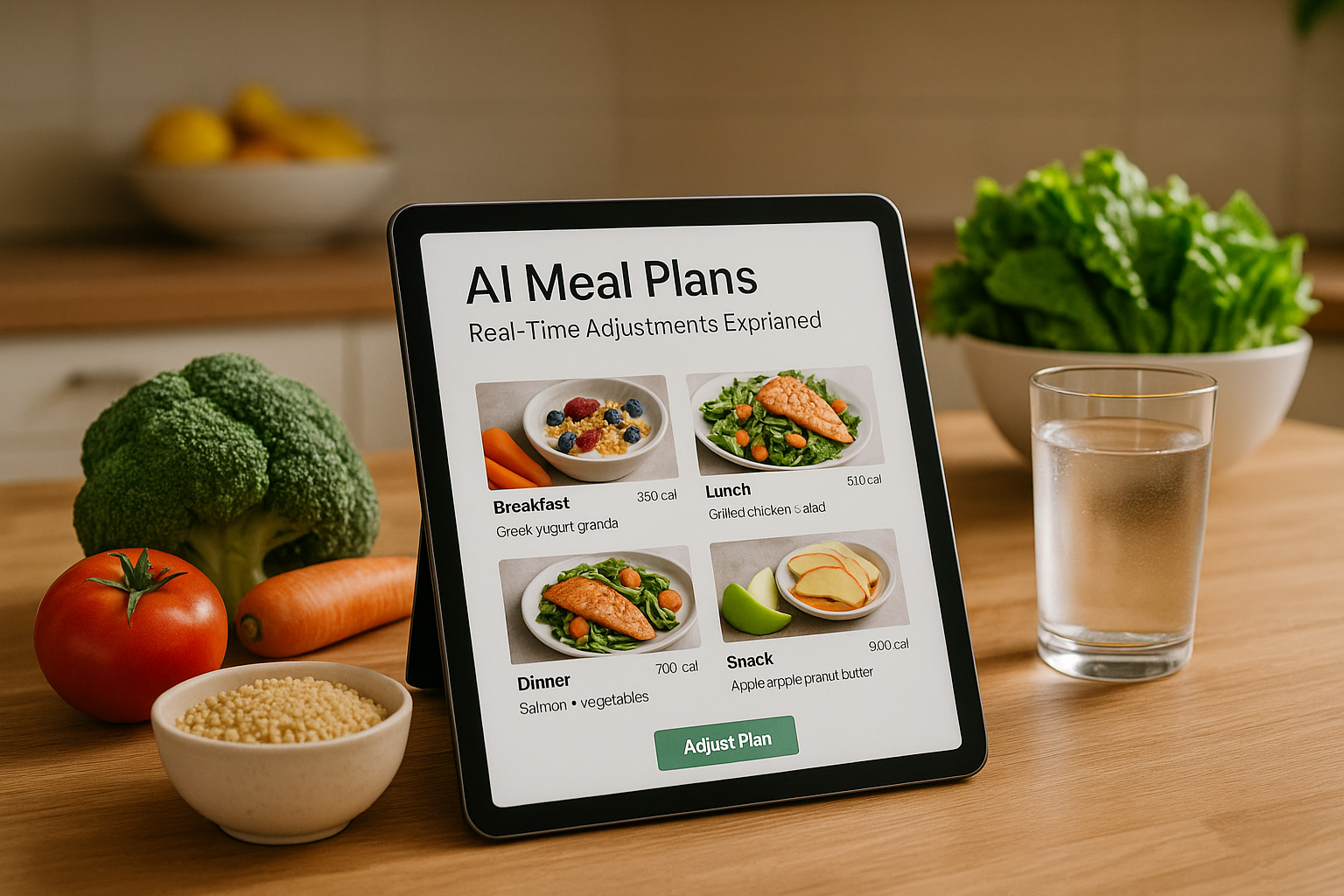
AI meal plans are reshaping how we approach nutrition by using real-time data to create personalized meal strategies. Unlike static plans, these systems adapt to your daily needs - whether that's balancing blood sugar, optimizing for a workout, or managing stress. By analyzing inputs like wearables, biometric data, and food preferences, they make precise adjustments to ensure your meals align with your goals.
Key Takeaways:
- Dynamic Nutrition: AI adjusts meals based on activity, sleep, and health data.
- Personalized Recommendations: Tailored to your body, preferences, and lifestyle.
- Practical Tools: Apps like Healify provide on-the-spot suggestions and recipes.
- Improved Health Outcomes: Supports weight management, diabetes, and heart health.
AI-powered tools like Healify simplify meal planning by offering real-time solutions that evolve with your needs, making nutrition easier and more effective.
Easy AI Meal Planning: Free Healthy Recipes (Life-Changing Method)
How AI Powers Real-Time Meal Plan Adjustments
AI-driven meal planning systems use advanced machine learning to analyze real-time data, creating personalized nutrition recommendations. These systems transform raw health metrics into tailored dietary guidance, adapting continuously to your body's changing needs. Let’s dive into the technology that makes these dynamic adjustments possible.
AI Technology Behind Meal Plan Changes
Sophisticated AI models like deep generative networks (e.g., variational autoencoders), recurrent neural networks (RNNs), and optimizer layers handle meal sequencing and portion adjustments in real-time. For instance, if you burn an extra 400 calories during a workout, the system recalculates your protein and carbohydrate needs instantly [2].
Modern meal planning tools also rely on transformer models and reinforcement learning to expand meal variety and customization [2]. A 2024 study in Scientific Reports highlighted this capability: a deep generative network-based system designed weekly meal plans for 1,000 users by analyzing their weight, height, age, and other data. The system dynamically adjusted meal sequences based on real-time inputs [2].
Data Sources for Personalized Plans
AI-powered meal planners pull data from a variety of sources to create tailored recommendations. Wearables provide continuous updates on metrics like step count, heart rate, and activity levels. Biometrics - such as weight, blood pressure, and glucose levels - offer a snapshot of your current health. Bloodwork uncovers deeper nutritional needs, while sleep patterns help optimize meal timing and food choices [3][6]. User feedback, processed through Natural Language Processing (NLP), fine-tunes future suggestions.
A standout example is the app Healify. It integrates data from wearables, biometrics, bloodwork, and lifestyle inputs to offer round-the-clock personalized nutrition guidance. Healify’s AI processes this real-time information to deliver meal and nutrition advice tailored to your immediate needs.
Moreover, by connecting with dynamic food databases, these systems suggest seasonal recipes and ingredient swaps based on availability. This ensures meal plans are not only effective but also practical and enjoyable [3].
How AI Learns and Improves Your Plan
AI systems continuously evolve by learning from your data and interactions. For example, if your wearable detects increased physical activity, the AI might suggest higher-calorie, protein-rich meals to aid recovery. On the other hand, poor sleep quality could prompt recommendations for foods rich in magnesium or tryptophan to improve rest [6]. Using techniques like collaborative and content-based filtering, the system learns from users with similar patterns while refining its suggestions based on your unique feedback [3].
Reinforcement learning also plays a role, where the system improves by rewarding itself for successful recommendations.
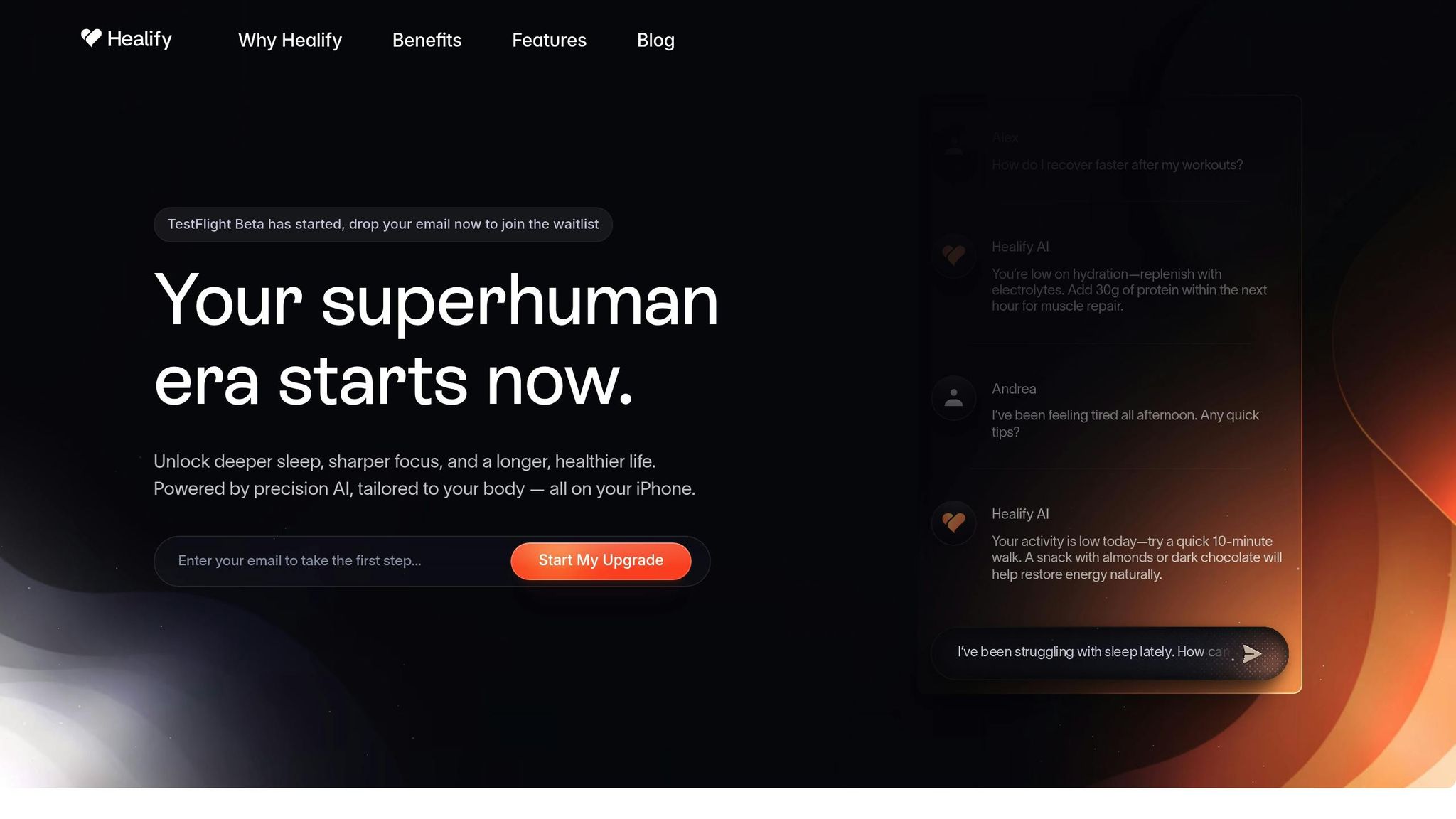
Healify’s AI coach, Anna, demonstrates this adaptive learning in action. When user Andrea reported fatigue from low activity, the AI suggested a quick 10-minute walk paired with a snack like almonds or dark chocolate to naturally boost energy. Later, when Andrea asked about workout recovery, the AI identified low hydration and recommended electrolytes along with 30 grams of protein within the hour to aid muscle repair [1].
This ongoing learning process ensures that meal plans evolve alongside your lifestyle, becoming more precise and personalized over time.
Benefits of Real-Time AI Meal Plans
Real-time AI meal plans bring a level of personalization and adaptability that traditional static plans simply can't match. Studies reveal these dynamic systems lead to better health outcomes, greater user satisfaction, and more accurate nutritional guidance.
Better Health and Nutrition Results
AI meal plans stand out for their ability to make precise nutritional adjustments tailored to individual needs. They adapt meal portions and ingredients in real time, using updated user data like biometrics and activity levels to support goals such as weight management, improved metabolic health, and optimized nutrient intake [2][3][5].
A study published in Scientific Reports in 2024 showcased this precision. Using a deep generative network, researchers created weekly meal plans for 1,000 participants. These plans dynamically adjusted based on factors like weight, age, height, and medical conditions, achieving high accuracy in meeting nutritional targets [2]. Other research involving 3,000 virtual profiles and 1,000 real users confirmed that AI-driven systems consistently meet energy and nutritional needs [2].
The flexibility of AI proves especially valuable for managing specific health conditions. For instance, users with diabetes receive low-glycemic meal options, while those with heart disease are offered meals lower in saturated fat. These tailored adjustments, based on real-time health data, contribute to measurable improvements, such as better glycemic control, reduced body weight, and improved cardiovascular health markers [3][4][5]. This level of personalization not only enhances clinical outcomes but also boosts user satisfaction.
Higher User Satisfaction and Adherence
AI meal plans excel at keeping users engaged, thanks to their ability to adapt to changing preferences, health goals, and feedback [3][4]. This personalized approach encourages adherence by aligning recommendations with individual tastes and lifestyles.
One standout feature is the 24/7 personalized guidance AI systems provide. Unlike static plans, AI can respond instantly to daily changes in activity, sleep, hydration, and even stress levels. For example, Healify's AI coach Anna demonstrates this adaptability. When a user reported feeling fatigued in the afternoon, the AI suggested a 10-minute walk and a snack like almonds or dark chocolate to boost energy. After a workout, it detected low hydration and recommended replenishing with electrolytes and consuming 30 grams of protein within an hour for muscle recovery [1].
"Healify is your health companion, designed to decode your body in real time. It provides personalized insights and actionable advice, empowering you to optimize your physical and mental well-being instantly."
– Healify [1]
AI systems also keep meal options fresh and engaging by suggesting seasonal ingredients and alternatives. They can even interpret natural language inputs - like cravings or specific dietary restrictions - and adjust recommendations accordingly, making the experience intuitive and supportive [3][4].
Static vs. AI-Driven Meal Plans Comparison
Here's a quick look at how AI-driven plans outperform traditional static ones:
| Feature | Static Meal Plans | AI-Driven Meal Plans |
|---|---|---|
| Adaptability | Fixed, inflexible | Instantly adjusts |
| Precision | Generic recommendations | Personalized and data-driven |
| User Satisfaction | Moderate to low | High, feedback-responsive |
| Variety | Limited | Wide range, AI-curated |
| Integration | Manual tracking required | Automated with wearables |
| Adherence Rates | Lower | Higher |
Static plans lack flexibility, offering the same recommendations regardless of changes in activity, stress, or sleep. This rigidity often leads to subpar nutrition and poor adherence [3].
In contrast, AI-driven plans adapt in real time, tailoring portion sizes and meal composition based on feedback and biometric data. For example, while a static plan might recommend the same breakfast every day, an AI system would adjust based on your morning workout, suggesting a protein-rich option to aid recovery. This dynamic approach not only improves health outcomes but also seamlessly integrates into daily life, keeping users engaged and motivated [2][3][7]. The result? Better results and a plan that evolves with you.
sbb-itb-f5765c6
Real-World Application: The Healify Approach
Healify transforms cutting-edge AI meal planning research into a practical, easy-to-use nutrition app. Designed specifically for iPhone users in the United States, this platform brings advanced health coaching technology into everyday life, making personalized nutrition accessible and actionable.
Healify's AI-Powered Features
Healify leverages an advanced AI system to continuously analyze inputs from wearables, biometrics, blood tests, and lifestyle habits, creating a dynamic health profile in real time [4]. By using a variational autoencoder network, the app processes key details like weight, height, age, and real-time health metrics to generate precise dietary recommendations. This allows the system to identify and model nutritional patterns effectively [2].
One standout feature is its optimizer layer, which adjusts meal portions based on real-time data. For instance, if a user's wearable device detects higher physical activity or increased calorie burn, Healify recalibrates meal suggestions to ensure proper energy balance and macronutrient distribution [2].
The app's food database is constantly updated with seasonal ingredients and the latest nutritional research, keeping meal recommendations fresh and relevant. Healify also understands natural language inputs, so users can simply type requests like "low-sodium options" or "something for a chocolate craving", and the AI responds with tailored suggestions [3].
Tailored for U.S. Users
Healify is designed with U.S. users in mind, incorporating imperial units and reflecting regional food availability and eating habits [4]. It addresses common dietary challenges in the U.S., such as diabetes, heart disease, and gluten intolerance. For example:
- It prioritizes low-carb meals for users managing diabetes.
- It recommends heart-friendly meals with reduced sodium and healthy fats for cardiovascular health.
- It filters out gluten-containing options for those with gluten intolerance [3].
The app also excels at managing multiple dietary restrictions simultaneously. Its robust ingredient database includes detailed allergen information and preparation methods, enabling precise filtering and substitutions without sacrificing variety.
This localized approach extends to personalized coaching, ensuring users receive guidance that fits their specific needs.
24/7 Coaching and Real-Time Insights
Healify’s AI health coach, Anna, provides around-the-clock support, offering personalized advice based on real-time data and progress tracking [4]. This continuous guidance proves invaluable during unexpected situations or routine activities.
For example, when a user reported feeling low on energy, Anna suggested a quick walk paired with a nutrient-dense snack. In another case, the AI noticed irregular sleep patterns and recommended setting a consistent bedtime and limiting screen time before sleep. After workouts, it advised users to hydrate and consume protein-rich foods to aid muscle recovery [1].
These scenarios highlight Healify’s ability to turn complex nutritional science into practical, easy-to-follow advice tailored to individual lifestyles and needs. By bridging the gap between data and action, Healify ensures users stay on track with their health goals.
Conclusion: The Future of Personalized Nutrition
Why Real-Time Adjustments Matter
Real-time AI adjustments are reshaping the way we approach nutrition by constantly syncing meal plans with the body's changing needs. Whether it's a shift in sleep patterns, a spike in stress, or an increase in physical activity, these systems adapt instantly, ensuring your nutrition keeps pace with your lifestyle.
This technology processes a vast amount of data to fine-tune recommendations. For instance, if a wearable device detects heightened activity, a sleep tracker flags poor rest, or stress levels climb, the AI recalibrates your meal plan on the spot. This proactive approach not only supports your immediate nutritional needs but also helps mitigate potential health issues before they arise. It's a step toward a more integrated approach to wellness, combining responsive AI with a broader focus on health.
How Healify Sets the Standard
Healify is setting a new benchmark by turning complex health data into practical, personalized nutrition advice. But it’s more than just a meal-planning tool - it’s a complete wellness platform that connects nutrition with sleep, stress, and physical activity.
By incorporating data from wearables, biometrics, bloodwork, and daily habits, Healify offers meal recommendations that go far beyond basic calorie counts or macronutrient ratios. The result? Smarter, more effective guidance tailored to individual needs.
The impact of this approach is clear in user feedback. One personal trainer shared:
"As a personal trainer, I struggled with tools for my clients' nutrition. Healify's meal plan and recipe generator calculate macros and provide easy recipes, helping my clients reach their fitness goals faster."
- Taylor, Personal Trainer [1]
Healify's responsive AI continuously evolves with each user, paving the way for even more precise nutrition as health tech advances. Future developments could include deeper integration with grocery stores, offering automated shopping lists and predictive tools that anticipate nutritional needs before they arise [3].
Meanwhile, Healify's AI health coach, Anna, is already delivering round-the-clock support, offering a level of personalized guidance that AI health coaching vs traditional personal training offers a level of personalized guidance that traditional meal planning simply can't match. With its user-friendly iPhone app, Healify is making advanced AI-driven nutrition accessible for users across the U.S. today.
FAQs
How do AI meal plans adapt to changes in my activity and health data?
AI meal plans, such as those offered by Healify, use real-time data to craft meal recommendations that fit seamlessly into your daily routine. By pulling information from sources like wearables, biometrics, bloodwork, and activity levels, they create meals specifically tailored to your unique needs.
For instance, if your activity level spikes or your health metrics shift, the AI quickly adjusts your meal plan to ensure you're getting the right balance of nutrients. This flexible system works to support both your physical health and mental clarity, keeping you energized and balanced throughout the day.
What data does AI, like Healify, use to create tailored meal plans?
AI systems such as Healify take a personalized approach by analyzing a mix of wearable device data, biometric measurements, bloodwork results, and lifestyle habits to create meal plans tailored specifically to you.
By processing this real-time data, Healify delivers meal recommendations that not only meet your nutritional needs but also fit seamlessly into your daily routine, align with your health goals, and respect your personal preferences.
How does AI adjust meal plans in real time to support better health?
AI-driven meal planning takes a modern approach to nutrition by using real-time data to craft meal strategies tailored specifically to your health needs. Unlike traditional meal plans that stay the same regardless of changes in your life, AI adapts its recommendations based on factors like your activity level, biometrics, and shifts in your daily routine.
Take Healify, for instance. This platform pulls information from wearables, blood tests, and even your daily habits to create a meal plan that fits your current objectives - whether you're looking to boost energy, reduce stress, or improve overall wellness. By continuously adjusting to your lifestyle, this personalized method supports both your physical and mental health, offering guidance that grows with you.