
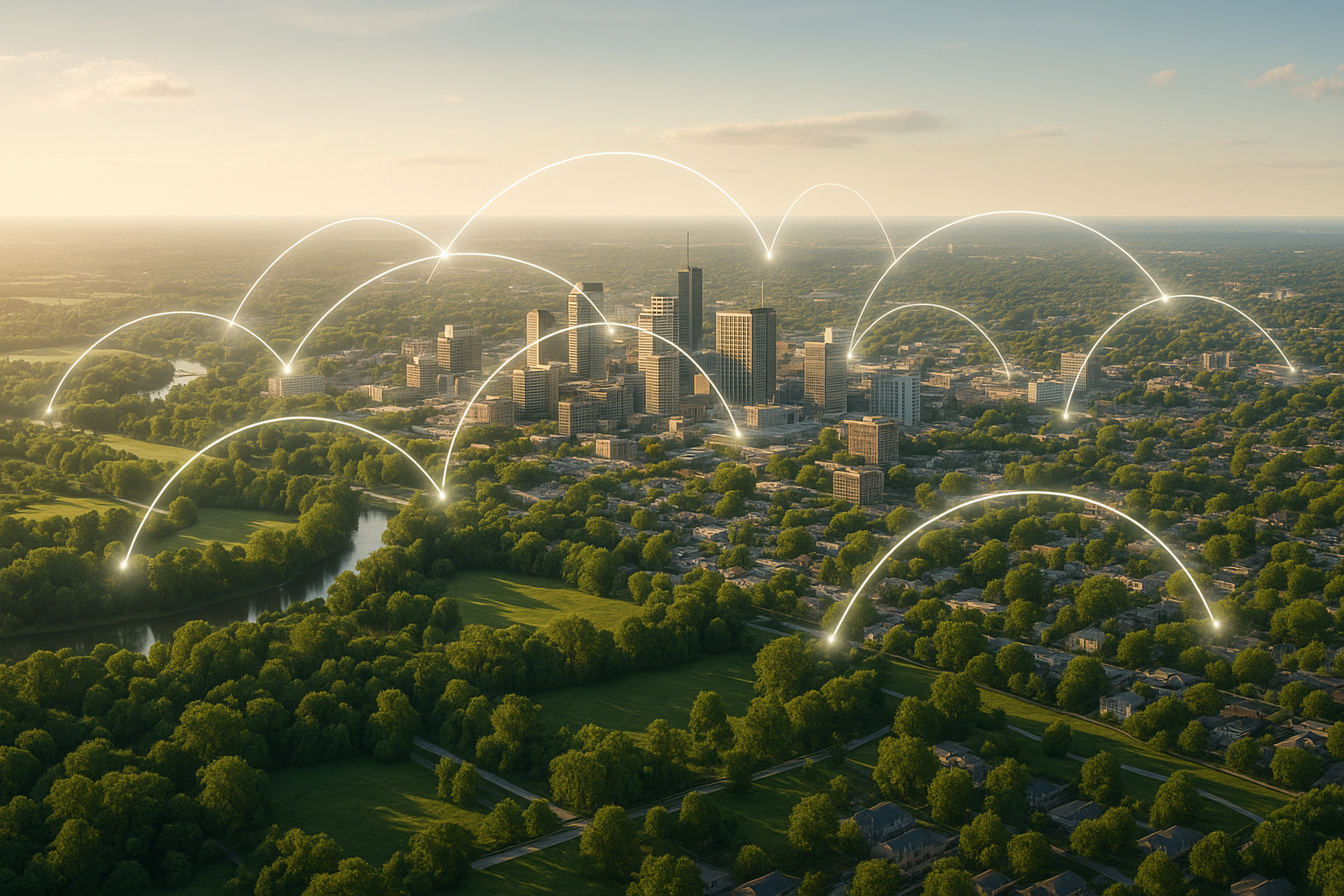
Geolocation data tracks your movements through devices like smartphones and wearables, offering insights into your daily habits and exposure to external factors. Traditional health data, on the other hand, focuses on clinical metrics like blood pressure, glucose levels, and heart rate, collected through medical devices or lab tests.
While geolocation data provides ongoing behavioral and contextual insights, traditional health data delivers precise, periodic measurements of your internal health. Combining these two data sources can give a fuller view of your well-being, linking lifestyle patterns to physiological outcomes.
Key Points:
- Geolocation Data: Tracks location and movement, offering insights into behavior and external influences.
- Traditional Health Data: Provides accurate clinical metrics for diagnosing and managing health conditions.
- Integration Benefits: Together, they offer a more complete picture, linking environment and behavior to internal health.
- Challenges: Privacy concerns for wearables and geolocation are higher, while traditional data lacks daily context.
Quick Comparison:
| Feature | Geolocation Data | Traditional Health Data |
|---|---|---|
| Type | Location and movement patterns | Biometrics and lab results |
| Accuracy | High for location; lower for health | High for clinical measurements |
| Collection | Continuous via devices | Periodic via medical tools |
| Privacy Protections | Limited | Strong under HIPAA |
| Primary Use | Behavioral insights | Diagnosing and managing conditions |
Platforms like Healify are already merging these data types for personalized health guidance, but privacy and data integration remain key challenges.
Geolocation, Health Data & Compliance Risks
Understanding Geolocation-Based Health Insights
Geolocation data is changing the way we think about health monitoring by adding a dynamic layer to traditional methods. Instead of relying on isolated snapshots, geolocation offers a continuous stream of information about your movements, routines, and the environments you encounter daily. This data is passively collected through your smartphone’s built-in sensors - like GPS, Wi-Fi, and cellular signals - without requiring any manual effort. The result? A steady flow of insights that traditional health metrics simply can’t capture.
What makes geolocation data so powerful is its ability to uncover patterns and provide context that other measurements miss. For example, while a blood pressure reading offers a quick glimpse into your cardiovascular health, geolocation data can highlight lifestyle habits that influence your overall well-being, opening the door to tailored recommendations.
Key Benefits of Geolocation Data
One standout advantage of geolocation-based insights is the ability to monitor activity patterns and environmental exposures in real time [2]. This constant tracking helps health apps identify trends and suggest timely interventions that might otherwise go unnoticed between routine checkups. For instance, if your daily commute exposes you to high levels of air pollution, an app could recommend alternative routes or suggest measures to protect your health.
Geolocation also enables more personalized health interventions. Imagine your app noticing you’re near a pharmacy - it might send a friendly reminder to pick up your prescription. Beyond simple step counts, geolocation can distinguish between different types of movement, like walking for exercise versus running errands, providing a deeper understanding of your activity levels.
Challenges and Limitations
Despite its potential, geolocation data isn’t without challenges. One major concern is privacy. Location data can inadvertently reveal sensitive information, such as regular visits to mental health clinics or addiction treatment centers, even if you haven’t shared this with a healthcare provider [3]. Compounding this issue is the regulatory gap in the U.S. - while HIPAA safeguards traditional health data, it doesn’t fully extend to inferences drawn from geolocation data collected by private apps or companies [3]. This leaves users with fewer protections.
Technical hurdles also complicate the use of geolocation data. Continuous GPS tracking can quickly drain your device’s battery, forcing app developers to find a balance between accuracy and usability. To conserve battery life, some apps limit the number of data points they collect each day, which can reduce the detail and precision of insights [2]. Additionally, urban environments with tall buildings or indoor locations can disrupt GPS signals, leading to gaps or inaccuracies - especially when apps use intermittent tracking to save power.
There are also demographic challenges. Not everyone has equal access to smartphones or feels comfortable sharing location data. Groups like older adults, people in rural areas, and those with lower incomes may be underrepresented in geolocation studies, which could skew findings and limit their broader relevance. On top of that, managing and scaling geolocation tracking for large populations or long-term studies requires advanced infrastructure and algorithms to ensure meaningful insights without sacrificing system performance [2].
Examining Traditional Health Data Sources
While geolocation data provides ongoing and contextual insights, traditional health data shines in its ability to deliver precise clinical measurements. This type of data includes biometrics and lab tests that give a clear picture of what’s happening inside your body.
Traditional health data encompasses vital signs like heart rate, blood pressure, body temperature, and weight, along with lab tests such as complete blood counts, cholesterol panels, blood glucose levels, and hormone assessments. These measurements, collected using validated medical equipment, are clinically standardized. For example, when your doctor checks your blood pressure or orders lab work, the results are compared to established medical reference ranges. This consistency enables healthcare providers to make evidence-based decisions with confidence.
Advantages of Traditional Health Data
The biggest strength of traditional health data lies in its clinical accuracy. Measurements are taken under standardized conditions to minimize errors. For instance, standard blood glucose tests have a coefficient of variation of less than 5%, making them highly reliable for use in medical care [2].
Traditional health data is also essential for diagnosing and managing chronic conditions. Biometrics and bloodwork play a key role in identifying issues like diabetes, cardiovascular disease, and thyroid disorders. For example, diabetes management depends on HbA1c levels, while cholesterol and blood pressure readings are critical for assessing heart health. The CDC reports that 6 in 10 adults in the U.S. have at least one chronic disease, and 4 in 10 live with two or more, emphasizing the importance of regular biometrics and lab tests for managing long-term health [2].
These metrics also help clinicians track disease progression, adjust treatments, and evaluate the effectiveness of interventions. Routine bloodwork, for instance, can uncover early signs of anemia or kidney issues before symptoms arise, allowing for timely action. Similarly, cholesterol levels measured during annual check-ups can lead to preventive steps that reduce the risk of heart disease [2].
Another advantage is the robust privacy protections surrounding traditional health data. Under the Health Insurance Portability and Accountability Act (HIPAA), data collected by healthcare providers and insurers is subject to strict rules for storage, sharing, and collection. These safeguards are often more comprehensive than those applied to other types of health-related data [3]. However, despite its reliability, traditional health data is often collected infrequently and lacks daily context.
Limitations in Traditional Health Data Collection
Despite its clinical precision, traditional health data has some notable drawbacks. Chief among these is the infrequent nature of data collection. A 2022 survey revealed that while over 70% of U.S. adults had at least one blood test in the past year, only 15% had more than three. This highlights how episodic traditional data collection can be [2].
This infrequency means that day-to-day fluctuations or sudden changes in health can go unnoticed between medical appointments or lab visits. For conditions requiring continuous monitoring, this gap can delay interventions that might prevent more serious health issues.
Another limitation is the lack of context surrounding traditional health data. These measurements focus on internal physiological metrics and are typically gathered in controlled clinical settings. They don’t account for external factors like exercise habits, diet, stress levels, or environmental exposures, all of which play a significant role in overall health outcomes [2].
This lack of context can also make it challenging for individuals to act on their data. Even when you receive lab results or biometric readings, understanding their implications for daily health decisions can feel overwhelming. Without specific guidance, people often struggle to translate these measurements into meaningful lifestyle changes.
Digital health platforms like Healify are working to bridge these gaps by combining traditional health data with real-time inputs from wearables and lifestyle tracking. This integration enables continuous monitoring, personalized recommendations, and actionable insights, making health management more dynamic and tailored to individual needs [2].
To address the limitations of traditional health data, experts suggest increasing the frequency of data collection through tools like home testing kits and remote monitoring devices. They also advocate for combining traditional metrics with contextual information to create a more complete picture of health. Improved interoperability between healthcare systems could further enhance continuity of care, ensuring that patients receive more comprehensive and actionable insights [2].
sbb-itb-f5765c6
Comparing Geolocation and Traditional Health Data
After breaking down the specifics of geolocation and traditional health data individually, this section dives into how they compare in real-world applications. Each method offers distinct advantages for health management, and understanding their differences can help highlight their strengths and limitations.
Side-by-Side Comparison Table
The table below outlines key metrics to illustrate how geolocation-based and traditional health data differ:
| Metric | Geolocation-Based Health Data | Traditional Health Data |
|---|---|---|
| Data Type | Location, movement, environmental context | Biometrics, lab results, clinical notes |
| Accuracy | High for tracking location; less direct for health insights | Highly precise for physiological measurements |
| Real-Time Applicability | Continuous, passive collection | Periodic or event-based collection |
| Privacy Concerns | High risk, often unregulated by HIPAA | Protected under HIPAA regulations |
| Primary Use Cases | Monitoring environmental impacts, tracking outbreaks, analyzing behavior | Disease management, diagnostics, medication monitoring |
| Collection Method | Smartphones, GPS devices, wearables | Medical equipment, lab tests, clinical visits |
| Context Provided | Behavioral and environmental factors | Internal physiological state |
This comparison highlights how geolocation data shines in providing ongoing environmental and behavioral context, while traditional health data delivers precise clinical insights. Neither method alone offers a complete understanding of health, but together they can complement each other effectively.
Use Cases for Each Data Type
The practical applications of these data types demonstrate their unique contributions to health strategies. Geolocation data is particularly useful for understanding how external factors, like the environment, influence well-being. For instance, if someone with asthma notices their symptoms worsen in certain areas, geolocation data can help pinpoint whether poor air quality is a trigger. During the COVID-19 pandemic, public health officials used location tracking and mobility patterns to evaluate how well communities adhered to stay-at-home orders [2].
On the other hand, traditional health data is indispensable for clinical decisions and managing chronic conditions. Metrics like blood glucose levels, cholesterol readings, and blood pressure provide the foundation for diagnosing and treating conditions such as diabetes, heart disease, and hypertension. These measurements are backed by established medical guidelines, enabling evidence-based interventions.
Take hypertension management as an example. Traditional blood pressure readings offer a clear clinical picture, while geolocation data can add context by showing whether stress from daily commutes or specific environments contributes to elevated readings. Together, these insights allow for more personalized and effective interventions.
Healify, a health platform, combines wearables, biometrics, lab results, and lifestyle data to provide tailored coaching. For instance, when a user named Andrea reported fatigue, the platform analyzed her activity data and suggested a quick 10-minute walk. This demonstrates how real-time traditional data can lead to actionable, immediate advice [1].
Balancing Privacy and Practicality
While both data types have their strengths, they also come with challenges. Geolocation data raises serious privacy concerns, as it can inadvertently reveal sensitive health information. For example, frequent visits to pharmacies or clinics could hint at specific health conditions, even without explicit medical data [3]. Traditional health data, while more secure under HIPAA regulations, lacks the day-to-day context that geolocation data provides.
Ultimately, the future of personalized health management lies in integrating these two data sources. By combining geolocation’s environmental insights with the clinical precision of traditional metrics, we can create a more comprehensive approach to health decisions. Together, they fill in the gaps left by relying on just one method.
Integrating Geolocation and Traditional Data for Complete Health Insights
Bringing together geolocation and traditional health data creates a more well-rounded view of health. When geolocation data is combined with traditional health metrics like biometric benchmarks and bloodwork, it can uncover patterns that neither type of data could reveal on its own. This powerful combination paves the way for tailored health recommendations and smarter decision-making.
How Integration Improves Personalization
Merging geolocation data with biometrics can uncover key health triggers that might otherwise go unnoticed. By analyzing where you go alongside how your body responds, platforms can highlight connections that lead to more effective health insights.
Take seasonal allergies, for instance. A person might notice their heart rate and breathing rate spike in high-pollen areas. By tracking both location data and wearable biometric readings, a health app could send alerts to avoid outdoor activities during peak pollen times and suggest appropriate remedies.
Healify is a great example of this integration in action. It combines data from wearables, sleep patterns, and nutrition to offer tailored advice. If the app notices "low activity today", it might suggest "a quick 10-minute walk", making the recommendation even more relevant by factoring in nearby walking paths or air quality conditions. Similarly, if irregular sleep patterns are detected, Healify might propose bedtime routines while considering environmental factors like local noise levels.
This integration also sheds light on social determinants of health by analyzing daily travel habits. For instance, if someone frequently visits fast-food spots and their blood sugar levels are rising, an integrated platform could suggest healthier dining options nearby and offer coaching to encourage better choices. This level of personalization relies on blending clinical data, like blood sugar trends, with behavioral context, such as location patterns.
Machine learning plays a critical role here, enabling early identification of risks like blood pressure spikes after specific activities, which opens the door for timely interventions.
Overcoming Integration Challenges
Despite the clear benefits, merging geolocation and health data isn't without its hurdles. Successfully combining these data streams requires careful attention to several challenges.
Privacy and consent are top concerns. Geolocation data can reveal sensitive health details that are typically protected in healthcare settings. For example, GPS data showing regular visits to a methadone clinic or substance abuse center could expose private health information. While healthcare providers are bound by HIPAA regulations, private companies collecting this data often operate in a regulatory gray area [3].
To address this, successful platforms offer users granular control over data sharing through clear consent mechanisms. For example, Healify emphasizes its commitment to privacy, stating:
"Healify values your privacy. We prioritize your privacy and are committed to protecting your personal information. Please select the types of cookies and technologies you consent to for improving your experience on our website and app" [1].
This transparency allows users to decide how their data is shared.
Another challenge is standardizing diverse data formats. Integrating geolocation data with traditional health sources like wearables, labs, and healthcare providers requires consistent protocols. Standards like HL7 FHIR for health data and widely used geospatial schemas make it easier to align these data streams, reducing errors and improving quality.
Technical reliability is also a factor. High-precision GPS tracking can drain smartphone batteries, making long-term monitoring tricky. Platforms often use algorithms to filter out anomalies and cross-check location data with user-reported activities, ensuring accuracy without sacrificing usability.
To gain user trust, platforms must provide transparency reports, undergo third-party audits, and comply with evolving privacy laws like the California Consumer Privacy Act. Educating users about the benefits and safeguards of data integration helps build confidence, showing how these combined insights can lead to better health outcomes.
Conclusion: Finding Balance in Health Data Use
Managing health effectively means striking the right balance between geolocation data and traditional health metrics. Each offers its own advantages, and together, they open the door to more tailored and impactful health insights. This combination allows for both precise tracking and meaningful context.
Traditional health data - like bloodwork, biometrics, and wearables - focuses on internal measurements, while geolocation data provides insights into external factors tied to daily routines. For example, if blood sugar levels spike in specific locations, that information can help pinpoint triggers and guide timely interventions.
The best health platforms combine these data streams in ways that make complex information easy to understand and act on. They turn overwhelming metrics into straightforward recommendations, empowering users to take control of their health. At the same time, balancing privacy with data integration is crucial for earning trust and ensuring usability.
Currently, only 26% of U.S. adults trust the protection of location data, compared to 45% who trust traditional health data. This highlights the need for transparent security measures[3]. Platforms that stand out offer users detailed control over what data they share and clearly explain how AI health coaching works to improve their health.
Regulations are also evolving to address these challenges. While traditional health data benefits from protections like HIPAA, location data often exists in a gray area with fewer safeguards. Laws such as the California Consumer Privacy Act are beginning to close this gap by expanding user rights over personal information, including location data[3].
The real opportunity lies in integrating these data types for personalized health insights. By blending the accuracy of clinical metrics with the context of daily life, health management becomes more than just tracking numbers. It transforms into a deeper understanding of how your body interacts with your environment, paving the way for health guidance tailored to your lifestyle.
Platforms like Healify showcase this balance by offering real-time, personalized health coaching that adapts to both your internal metrics and external environment.
FAQs
How can geolocation data improve our understanding of traditional health metrics?
Geolocation data adds an extra layer of context to your health by connecting metrics to your surroundings and daily habits. For instance, it can show how elements like air quality, weather conditions, or even where you spend your time impact your stress levels, sleep quality, or general well-being.
When paired with traditional health data - such as biometrics or blood test results - geolocation insights provide a fuller view of your health. This combination helps uncover patterns and triggers that might be missed otherwise, paving the way for health recommendations tailored specifically to your needs.
What privacy concerns come with using geolocation data for health insights, and how can they be addressed?
Geolocation data holds the potential to expose private details about your daily habits, routines, and locations. This raises valid concerns about how such information is stored, shared, or used - especially without your knowledge or consent. Improper handling or unauthorized access to this data can lead to serious privacy violations or even misuse.
To help protect yourself, make sure that any app or service you use, such as Healify, employs strong data protection practices. Look for key features like end-to-end encryption, clear and transparent privacy policies, and tools that let you control how your data is shared. It's also wise to stick to trusted platforms that prioritize user privacy and adhere to applicable regulations, such as HIPAA in the U.S.
How does combining geolocation data with traditional health metrics enhance personalized health recommendations?
Integrating geolocation data with traditional health metrics - like biometrics and bloodwork - offers a richer perspective on your overall well-being. Geolocation insights, such as your movement patterns, exposure to environmental conditions, and even air quality levels, can uncover health influences that traditional metrics might overlook.
When these data sources are combined, tools like Healify can provide highly personalized recommendations. For instance, if your geolocation data reveals frequent exposure to air pollution, the tool might suggest dietary adjustments or relaxation techniques to help counteract its effects. This combination of data creates practical, tailored plans that align with your unique lifestyle and environment.