Improve your health

Improve your health

Improve your health

January 14, 2026

Top 7 AI Tools for Managing Diet Restrictions

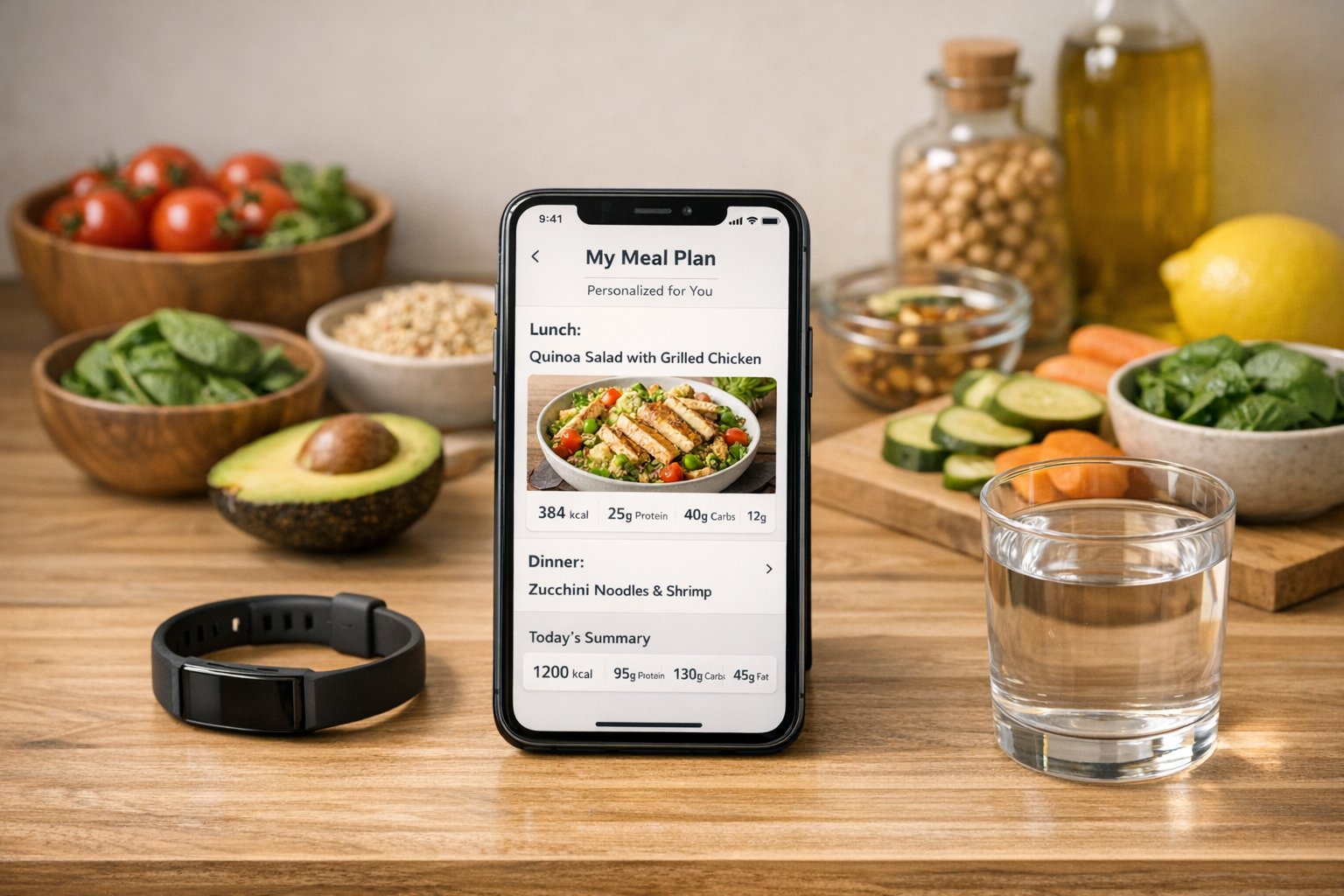
Managing dietary restrictions can feel like a full-time job. Whether you're avoiding allergens, following a specific diet like keto or vegan, or tracking symptoms tied to food, the process can be time-consuming and overwhelming. Fortunately, AI-powered tools have stepped in to simplify meal planning, tracking, and analysis. These apps use advanced features like photo recognition, voice logging, and real-time health data integration to save time and provide personalized insights.

Here’s a quick look at 7 AI tools that make managing dietary restrictions easier:

  • Healify: Combines biometrics, wearables, and an AI coach for tailored meal plans and allergen detection.

  • MyFitnessPal: Offers a massive food database, barcode scanning, and customizable meal plans.

  • Noom: Focuses on the psychology of eating with behavioral insights and personalized plans.

  • Lifesum: Provides diet-specific plans and integrates with multiple health platforms.

  • Lose It!: Tracks calories, macros, and food reactions with features like photo logging.

  • Cronometer: Tracks 84 nutrients, offering in-depth data for specialized diets.

  • Ate Food Journal: Encourages mindful eating with photo-based tracking and custom tags.

Each tool offers unique features, from syncing with wearables to detecting hidden allergens, making it easier to meet dietary goals while saving time. Below is a comparison table summarizing their standout features and pricing.

Quick Comparison

Tool

Best For

Dietary Support

Device Integration

Pricing

Healify

Health data integration

Allergen detection, biometrics

Apple Health, wearables

Free (beta)

MyFitnessPal

Calorie tracking

Allergen filtering, custom macros

Apple Health, Fitbit, Garmin

Free; Premium $99.99/year

Noom

Behavior-based eating

Color-coded food system

Apple Health, Google Fit

$70/month or $209/year

Lifesum

Flexible diet plans

Gluten-free, keto, Mediterranean

Apple Health, Fitbit, Samsung Health

Free; Premium $45/year

Lose It!

Weight loss tracking

Custom food tags, macros

Apple Health, Garmin, Fitbit

Free; Premium $39.99/year

Cronometer

Detailed nutrient tracking

84 nutrients, keto tools

Apple Health, Garmin, Fitbit

Free; Gold $59.99/year

Ate Journal

Mindful eating

Photo tracking, Low FODMAP

Limited integration

Free trial; subscription

These tools are designed to save time and provide actionable insights, helping you manage your diet effectively. Whether your focus is on weight loss, managing allergies, or following a specific diet, there’s an app here to fit your needs.
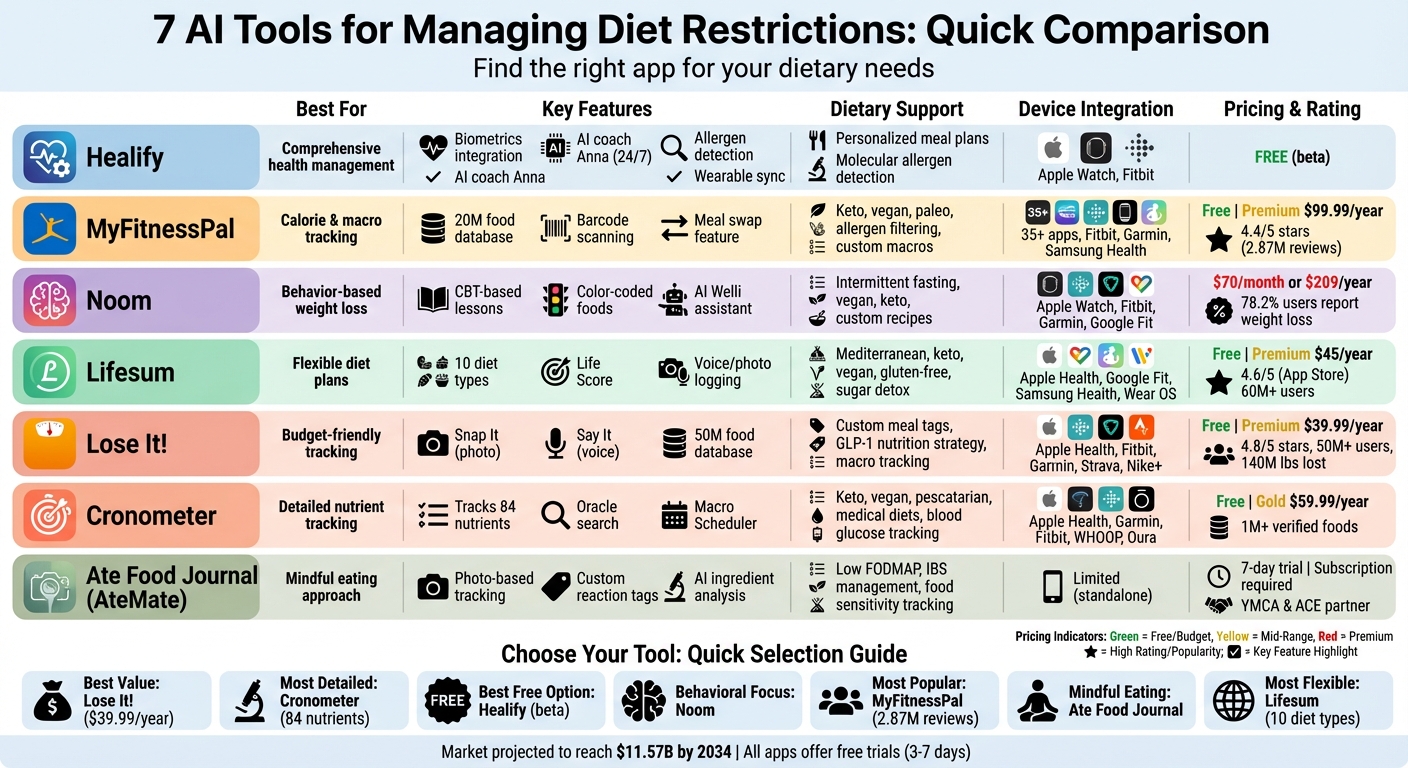
AI Diet Management Tools Comparison: Features, Pricing and Best Use Cases

AI Diet Management Tools Comparison: Features, Pricing and Best Use Cases

1. Healify
Healify

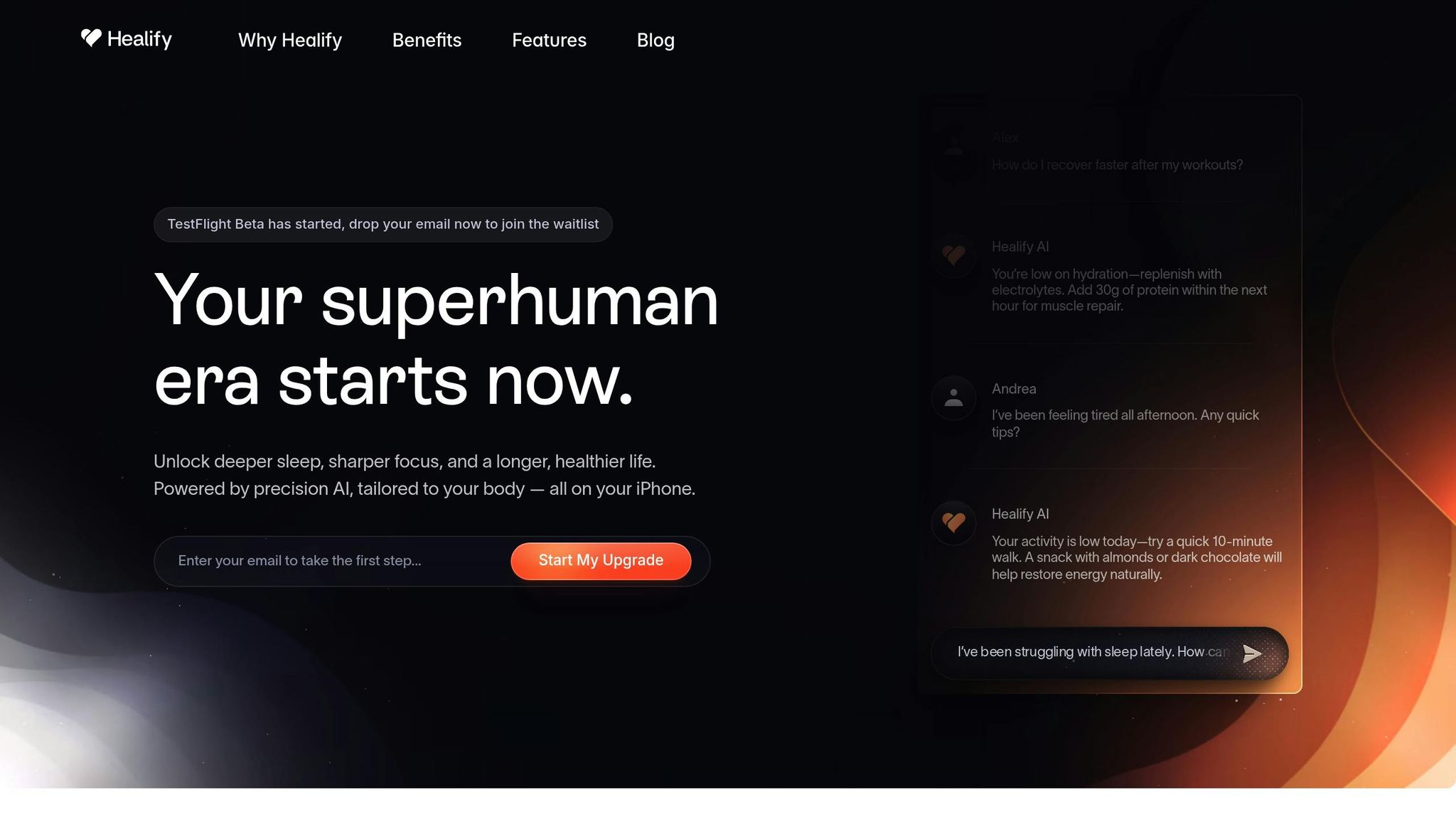
Healify transforms health data into practical, easy-to-follow plans with the help of its 24/7 AI coach, Anna. This iPhone app pulls information from wearables, biometrics, blood tests, and lifestyle logs to deliver dietary recommendations tailored to your specific needs and restrictions.

Tailored Nutrition for Your Needs

Healify prioritizes personalized nutrition by crafting dietary strategies that fit your unique requirements. Using molecular pattern recognition, it can detect hidden allergens in food ingredients, ensuring safer choices for those with sensitivities. Anna, the AI coach, adjusts calorie and macronutrient targets in real time based on data like blood glucose levels, heart rate, sleep patterns, and physical activity. It even uses Natural Language Processing to analyze emotional contexts from your logs, helping to identify stress-eating triggers and offering advice to manage them.

Seamless Integration with Wearables and Health Apps

Healify works effortlessly with Apple Watch, Fitbit, and Apple Health, gathering a wide range of data to provide more accurate feedback. For instance, if your wearable shows reduced activity and poor sleep, Anna might suggest tweaks to your evening routine or adjust your calorie intake. If blood sugar spikes are detected after meals, the app could recommend changes like altering meal timing or including more fiber-rich foods. These integrations ensure that the feedback you receive is not only timely but also highly relevant to your current health status.

Real-Time Tracking and Instant Feedback

Anna is available around the clock, offering instant alerts for allergen exposure or significant changes in your biometrics. You can log meals by simply texting or uploading a photo, and the AI provides portion guidance along with a detailed macronutrient breakdown. For those with severe allergies, the app goes a step further by monitoring cross-contamination risks and tracking your personal reaction thresholds, acting as an extra layer of support to complement professional medical advice.

Currently in private beta, Healify is giving early users free access to premium features before its official Apple App Store launch. Many users have already praised how the app simplifies complex health data, making it easier to take actionable steps - an invaluable tool for managing dietary restrictions.

2. MyFitnessPal
MyFitnessPal

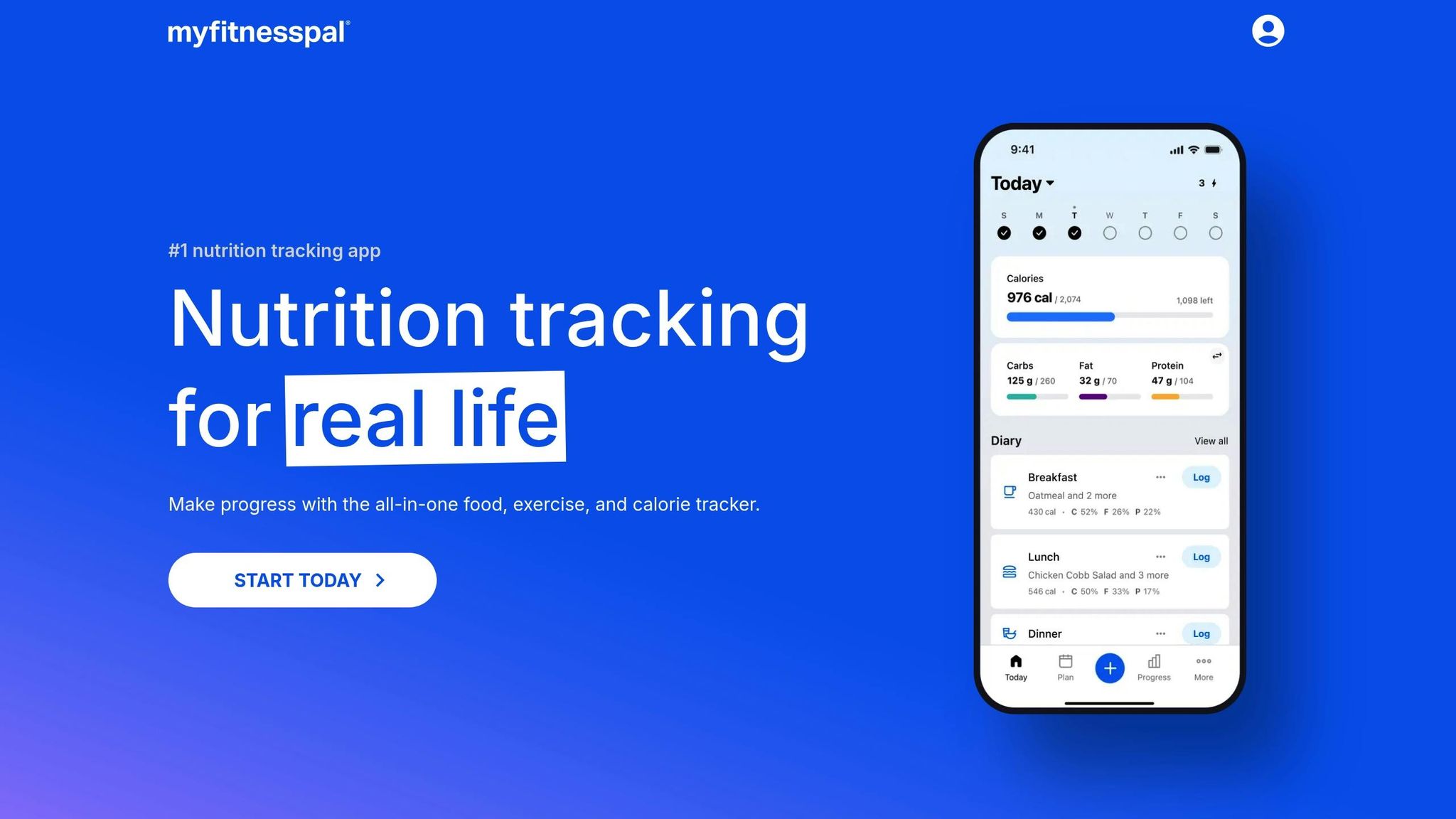
MyFitnessPal takes the concept of personalized nutrition to the next level with its massive 20-million-item food database[2]. Its AI-powered meal planning makes managing dietary restrictions a breeze. By automatically filtering out allergens and unwanted ingredients, MyFitnessPal ensures that meal planning is both convenient and tailored to individual needs.

Personalization for Dietary Restrictions

The app supports a wide range of diets, including keto, vegan, Mediterranean, paleo, and pescatarian. During setup, it asks detailed questions about your allergies, food preferences, and health goals to create meal recommendations that fit your lifestyle. If a recipe doesn't quite hit the mark, the "Swap" feature steps in, offering an alternative that still aligns with your calorie and macronutrient targets. Premium users can take it even further by setting custom macronutrient goals and tweaking targets for specific days, like boosting carbs on workout days. For low-carb or keto enthusiasts, the Net Carbs Mode simplifies tracking by automatically subtracting fiber from total carbs.

Integration with Health Apps and Wearables

MyFitnessPal connects with over 35 health apps and fitness devices, including popular options like Apple Watch, Fitbit, Garmin, and Samsung Health. This seamless syncing allows the app to track metrics such as steps, calorie burn, weight, and even sleep patterns. Based on your activity levels, it adjusts daily calorie goals in real time. For those on the Premium+ plan, the app also integrates meal plans with grocery delivery services, making it easier than ever to stay on track.

Real-Time Tracking and Feedback

The app’s Meal Scan feature uses your phone’s camera to identify ingredients on your plate, offering instant logging suggestions and cutting down on manual data entry. For even more convenience, a voice logging option is available for hands-free tracking. Dietitian Stephanie Saletta highlights how MyFitnessPal simplifies nutrition tracking, providing clear data to guide better dietary choices[2]. For those needing professional oversight, the "Progress Data File Export" feature allows users to share detailed nutritional logs.

Specialized Features for Allergies or Specific Diets

From the start, the app ensures your meals are safe and suitable by letting you specify allergies and food dislikes. It also tracks essential micronutrients for specialized diets, like iron for vegans or sodium for those managing blood pressure. You can even import recipes or manually log your own meals, ensuring accurate tracking for gluten-free or vegan dishes. While the free version offers basic tracking, the Premium plan adds features like barcode scanning and custom macros. For $99.99 annually, the Premium+ tier unlocks advanced AI meal planning and grocery delivery integration[4]. With a 4.4/5 star rating on Google Play from 2.87 million reviews[3], MyFitnessPal continues to be a go-to tool for those serious about nutrition and fitness.

3. Noom
Noom

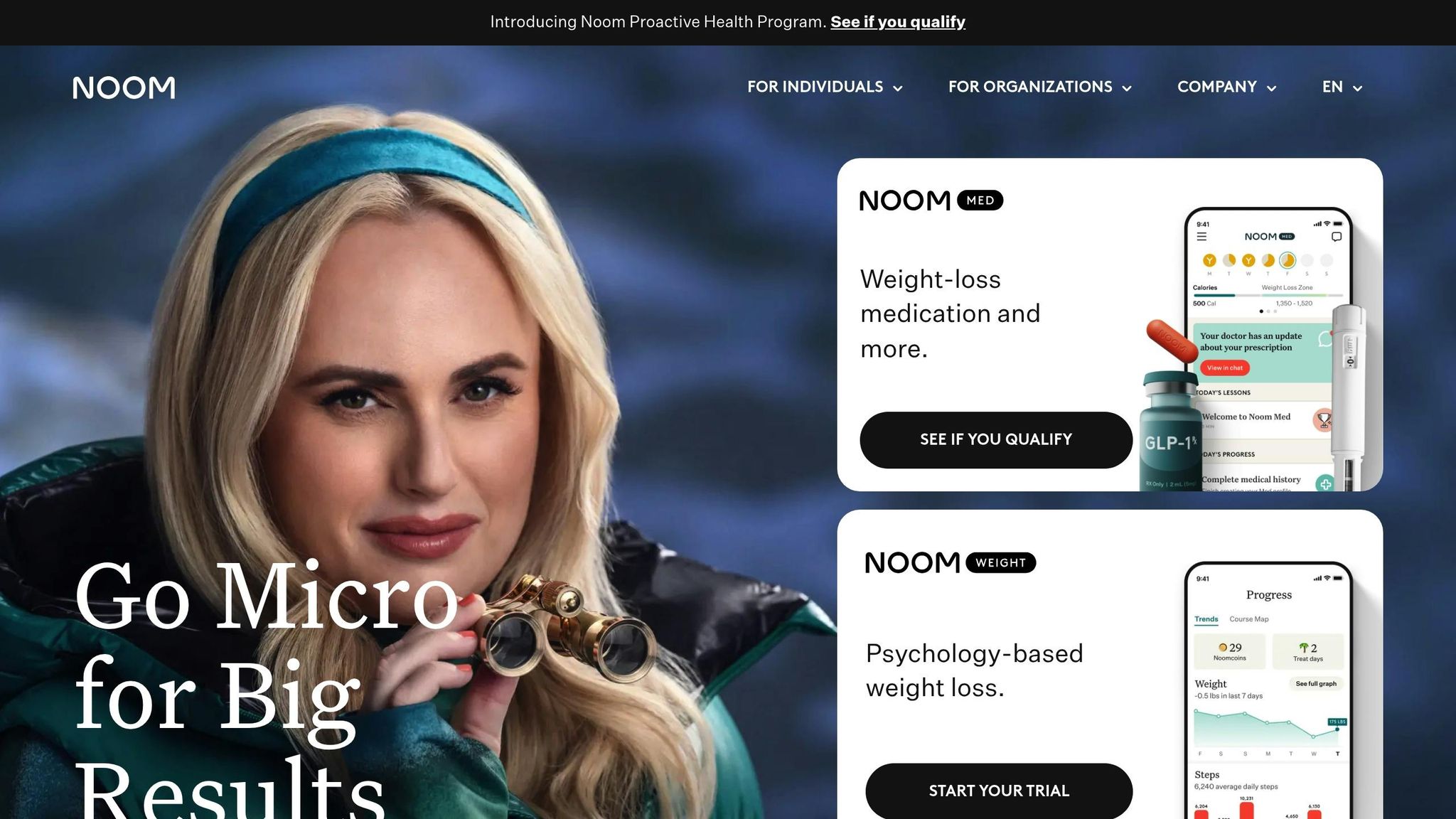
Noom takes a behavioral approach to help users improve their eating habits. By incorporating principles from Cognitive Behavioral Therapy (CBT), the app provides daily lessons - each lasting just 5 to 15 minutes - that help you understand the psychology behind your food choices[6][7]. This method sets the stage for creating personalized dietary plans, which are explained in more detail below. Like other leading AI-based tools, Noom simplifies dietary management by offering tailored, data-driven suggestions.

Personalization for Dietary Restrictions

Noom uses a three-color system to categorize foods based on calorie density, making it adaptable to various diets such as intermittent fasting, vegan, or keto[5][6][8]. Instead of labeling foods as strictly "good" or "bad", the app equips you with the knowledge to make decisions that align with your lifestyle and goals[6]. After completing a brief 10-minute assessment that evaluates factors like your current weight, goals, and dieting history, Noom creates a customized plan that typically spans 16 weeks[8].

AI-Powered Meal Logging and Custom Recipes

Noom leverages AI to make meal logging easy. You can log meals using photos, voice, or text, and the app automatically identifies ingredients and portion sizes, though it also allows manual adjustments[5]. For those with food allergies or specific dietary needs, the iOS version includes a Custom Meal & Recipe Creator, enabling you to build meals ingredient by ingredient and save recipes for future use[10]. A built-in barcode scanner further simplifies checking whether packaged foods meet your dietary preferences[11].

Integration with Health Apps and Wearables

Noom integrates seamlessly with popular wearables and health devices like Apple Watch, Fitbit, and Garmin[8]. It tracks key health metrics such as steps, water intake, weight, blood pressure, and glucose levels. A study involving nearly 36,000 Noom Weight users found that approximately 78.2% reported weight loss while using the program[8].

Specialized Features and Support

In addition to its meal-logging capabilities, Noom introduced the Welli AI Health Assistant in June 2024. This feature provides 24/7 support for queries, such as finding Noom-compatible recipes or managing food choices on the go. This complements the app’s premium one-on-one coaching, where human coaches offer personalized advice tailored to your dietary needs[8][9]. Geoff Cook, Noom's CEO, explains:

Our vision for coaching and Noom is to ensure we leverage human coaches for what humans do best - accountability and forming a connection - while leveraging AI for what it does best - always-on fast access and harnessing the full dataset available to it to produce quality insights[9].

Noom’s pricing starts at $70 per month for a monthly plan, with an annual plan available for $209 (about $17.42 per month)[8].

4. Lifesum
Lifesum

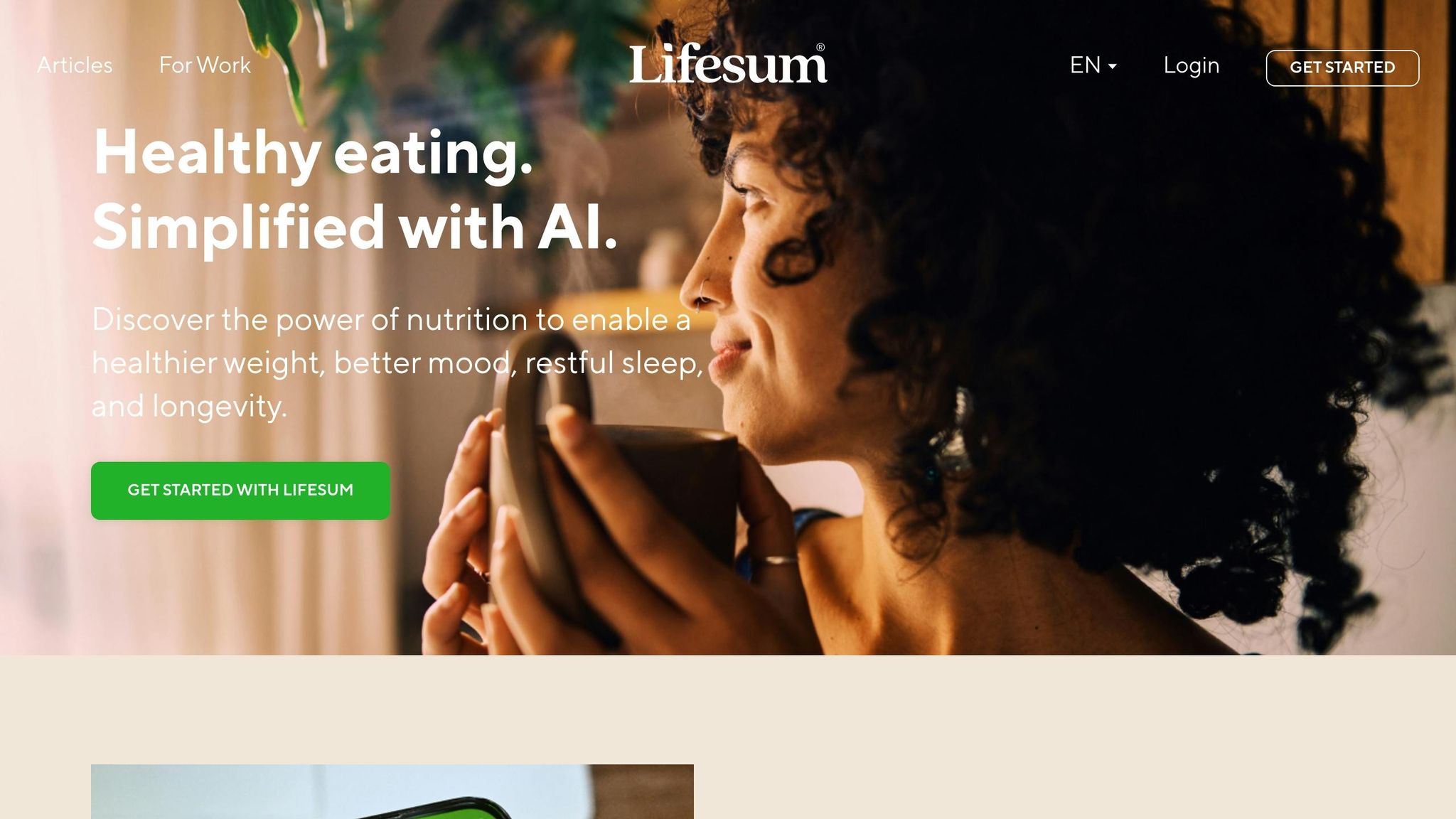
Lifesum stands out among AI-powered dietary tools by combining personalized meal planning with real-time tracking. With a user base of over 60 million people [12], the app starts by assigning one of 10 diet types - like Mediterranean, Scandinavian, Vegan for a Week, Sugar Detox, or various Keto options - based on a quiz [38,40]. It even filters recipes to accommodate allergies and dietary preferences [36,38].

Tailored Plans for Dietary Needs

Once you complete the quiz, Lifesum crafts a plan tailored to your health goals, lifestyle, and dietary preferences. Its database includes millions of food items with detailed nutritional profiles, enabling you to fine-tune your daily macronutrient targets for protein, carbs, and fats [35,39,41]. For those with gluten-free requirements, the app suggests naturally gluten-free recipes or recommends ingredient substitutions [13].

Seamless Integration with Health Platforms

Lifesum syncs effortlessly with popular health platforms like Apple Health, Google Fit, Samsung Health, and HealthConnect. It’s also compatible with Apple Watch, Wear OS devices, Runkeeper, Fitbit, and Withings, and supports hands-free operation through Siri and Google Assistant [35,37,38].

Real-Time Tracking and Insights

The app uses advanced AI tracking to make meal logging simple. You can snap a photo, use voice commands, or scan barcodes to log your meals [35,37,38]. Its "Life Score" feature provides weekly feedback to help you monitor your nutritional progress [37,39]. Marianne, a Lifesum user, shares her experience:

The best thing about Lifesum is the full overview you get on your nutrition. I've learned how to prioritize nutritious food which makes me even more motivated to continue my journey [14].

Lifesum offers a free version with basic tracking tools, while premium subscriptions - starting at $8.33 per month - unlock advanced features like specialized meal plans, in-depth nutritional insights, and full integration with wearables [38,39]. The app is highly rated, earning 4.6 out of 5 stars on the Apple App Store and 4.4 out of 5 stars on Google Play [15].

5. Lose It!

Lose It! has empowered over 50 million users to shed a collective 140 million pounds, leveraging a massive database of 50 million foods and exercises [16].

Tailored Plans for Dietary Needs

Lose It! crafts weight loss plans tailored to your body composition, activity level, and personal health goals [16]. You can even rename meal sections - like "pre-workout" or "gluten-free snacks" - and assign specific calorie goals to each one [17]. For those with specialized needs, premium users gain access to a Low-Appetite Nutritional Strategy, especially helpful for individuals on GLP-1 medications. This plan ensures at least 1.5 grams of protein per kilogram of body weight, 14 grams of fiber per 1,000 calories, and controlled saturated fat intake [17]. The recipe builder feature allows you to import or paste ingredients directly, calculating precise nutrition facts - a handy tool for restrictive diets [17]. Registered dietitian Anna Smith emphasizes:

"Keeping a food log is a great way to track your eating habits and support your health goals. It's not only about counting calories but also about understanding what nutrients you're getting, like fiber, protein, and fats." [16]

Syncing with Health Apps and Devices

Lose It! takes personalization further by integrating seamlessly with popular health apps and wearables. It syncs with Apple Health, Google Fit, Fitbit, Garmin, Withings devices, Strava, Nike+, Runkeeper, and MapMyFitness, automatically pulling in exercise data. This data contributes to your "Calorie Bonus", adjusting your daily calorie budget based on activity levels [43,47]. Premium users can also link fitness trackers and smart scales for automatic weight and activity logging, helping the app identify trends in eating and exercise habits [16].

Real-Time Tools for Tracking Progress

Lose It! simplifies tracking with advanced, real-time tools. Features like "Snap It" (photo recognition), "Say It" (voice logging), and barcode scanning make logging meals fast and easy while providing instant nutritional and allergen details [43,44]. The app’s data shows that users who log daily tend to lose 10 pounds more than those who log just once a week [17]. Rochelle, a Lose It! member who lost 101 pounds, shares her perspective:

"You CAN eat whatever you want, the only difference is that you have to plan for it." [16]

Lose It! is available as a free app with basic calorie and exercise tracking. For those seeking more, premium subscriptions unlock features like photo and voice logging, along with detailed macronutrient breakdowns. With a stellar 4.8-star rating in the App Store and 3.4 million active users each month, the app has proven its value - premium members, on average, lose three times more weight than free users [16].

6. Cronometer

Cronometer

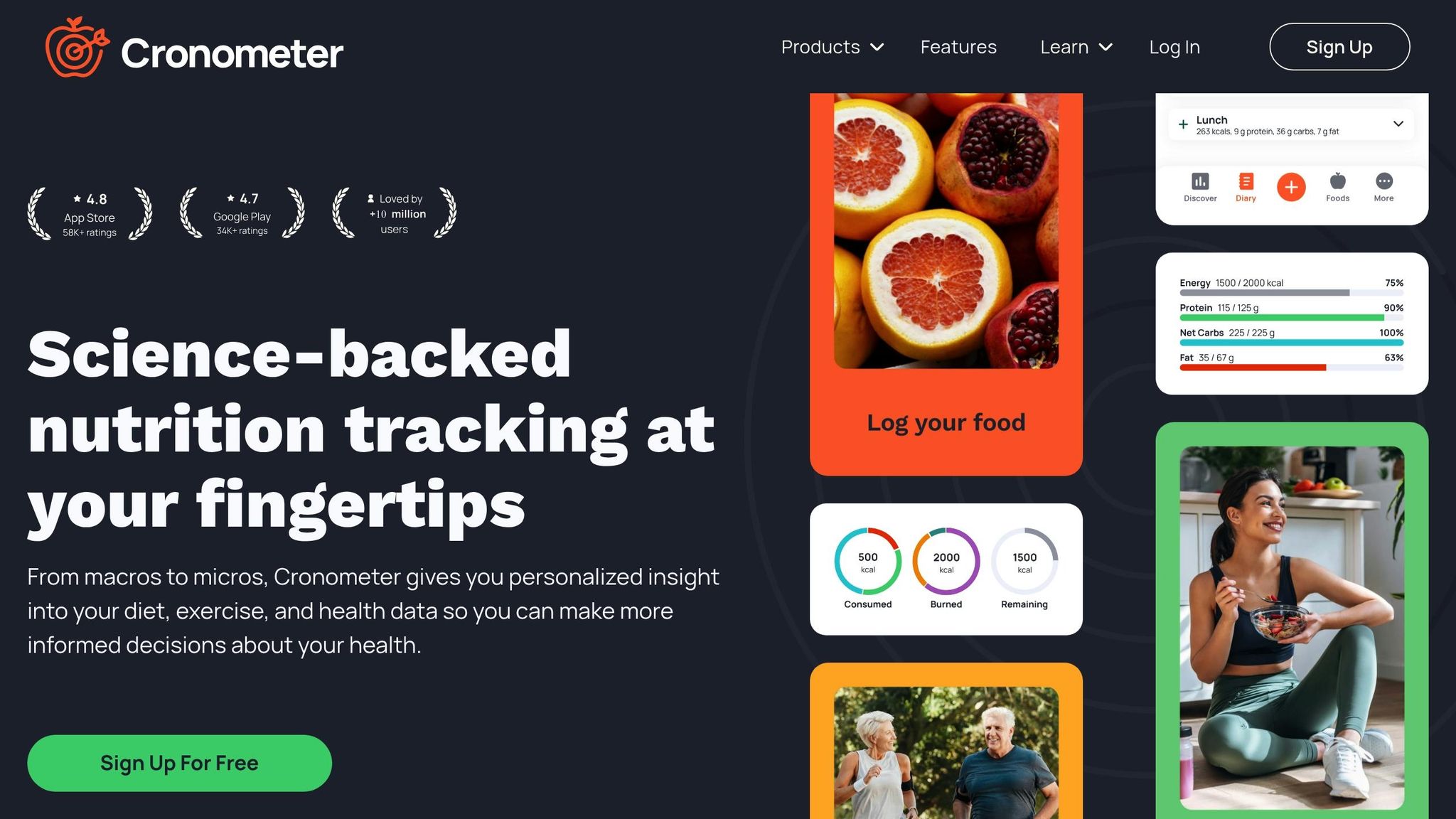
Cronometer goes beyond the basics by tracking 84 essential nutrients - more than any other nutrition app available today [21][23]. While many apps stick to calories and macronutrients, Cronometer dives into vitamins, minerals, and amino acids, making it a great fit for those with specific health needs or complex dietary restrictions.

Tailored for Dietary Needs

Cronometer offers Nutrition Scores tailored to various eating styles, including Keto, Vegan, Vegetarian, Pescatarian, and the Galveston Diet [19]. Users can customize targets for all 84 nutrients, covering everything from macronutrients like protein and carbs to individual vitamins and minerals [18][23]. The Macro Scheduler allows you to set different nutrient goals for specific days, which is especially handy for athletes or anyone comparing AI health coaching vs traditional personal training to match training cycles or other routines [19][22]. These features make it easier to manage unique dietary concerns.

Allergy and Diet-Specific Tools

For those with allergies or specific nutrient gaps, Cronometer provides tools to help. The Oracle Nutrient Search suggests foods to fill nutritional voids - like magnesium-rich options if you're running low [22]. Keto users can benefit from real-time tracking of blood glucose and ketone levels through integration with Keto-Mojo devices [19][25]. Additionally, you can create custom biometrics to monitor health markers such as allergy symptoms, pain levels, or gut health [20][22].

Integration with Wearables and Health Apps

Cronometer syncs effortlessly with popular health apps and devices, including Apple Health, Health Connect, Garmin, Fitbit, WHOOP, Oura, and Suunto [19][23]. Its food database features over 1 million entries, all lab-analyzed or staff-verified, ensuring accuracy. Even user-submitted items are manually reviewed before being added [20][23].

The app’s free version is robust, offering tracking for all 84 nutrients, a barcode scanner, and device syncing. For those looking for more, the Gold subscription costs $4.99 per month (billed annually at $59.99) or $10.99 monthly, unlocking features like the Oracle Nutrient Search, Recipe Importer, Fasting Timer, and advanced Nutrition Scores [22][24].

7. Ate Food Journal
Ate Food Journal

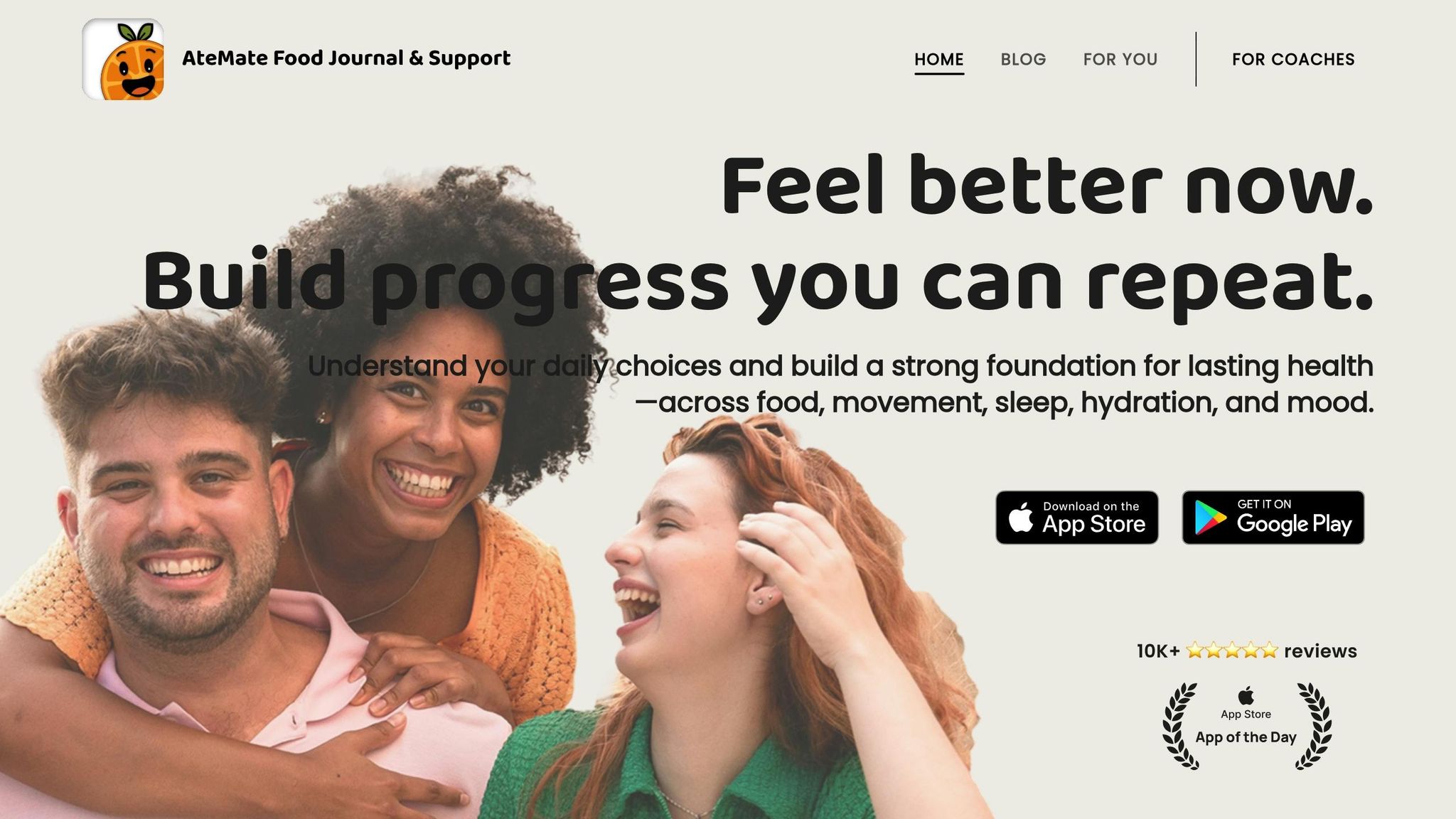
AteMate, previously known as Ate Food Journal, focuses on mindfulness-based meal tracking rather than calorie counting. The app uses a photo-based approach, encouraging users to reflect on how their meals affect them - especially helpful for those managing food sensitivities. [26] While it incorporates AI to streamline diet management, AteMate stands out by prioritizing a mindful eating experience.

Features Tailored for Allergies and Specific Diets

AteMate allows users to customize tags for meals, such as "high-FODMAP", "spicy", or "high-fiber", to track reactions like bloating, acid reflux, or abdominal discomfort. Its AI engine analyzes food photos to generate ingredient lists, which can be manually adjusted for accuracy - an essential feature for managing allergies. The app also supports Low FODMAP tracking, guiding users with IBS through both the elimination and reintroduction phases. Additionally, the "About Me" section lets you specify dietary preferences and health goals, enabling the AI to provide personalized feedback. [27]

AteMate offers a 7-day free trial before requiring a subscription. It has partnered with organizations like the YMCA and the American Council on Exercise to expand its reach. To prioritize user privacy, AteMate employs enterprise-grade AI encryption and ensures your data isn’t used for AI training without explicit consent. [26] By simplifying dietary tracking, AteMate turns complex food management into personalized, actionable insights.

Feature Comparison Table

Selecting the right AI tool to manage dietary restrictions comes down to your personal preferences, budget, and how you like to track your meals. Below, you'll find a comparison of seven tools, outlining their standout features, device compatibility, and pricing options to help you make a quick, informed choice.

This table highlights the main strengths of each tool, complementing the detailed descriptions shared earlier.

Tool

Best For

Dietary Restriction Support

Device Integration

Pricing

Healify

Comprehensive health management

Personalized meal plans using biometrics, bloodwork, and lifestyle data; AI health coach Anna offers 24/7 guidance

Apple Health, wearables, biometric devices

Free (premium features available during private beta)

MyFitnessPal

Calorie and macro tracking

Barcode scanning for allergen detection; customizable food diary

Apple Health, Google Fit, Fitbit, Garmin

Free basic version; Premium subscription available

Noom

Behavior-based weight loss

Color-coded food system; tailored meal plans for specific conditions

Apple Health, Google Fit, Fitbit

Subscription-based (typically $60–$70/month)

Lifesum

Flexible diet plans

Offers 14+ diet plans, including Keto, Mediterranean, and gluten-free; barcode scanner

Apple Health, Google Fit, Fitbit

Free basic version; Premium $45/year

Lose It!

Budget-friendly tracking

Custom food tags; barcode scanner; macro tracking

Apple Health, Google Fit, Fitbit, Garmin

Free basic version; Premium $39.99/year

Cronometer

Detailed micronutrient tracking

Tracks 82 micronutrients; supports 50+ diet types, including medical diets

Apple Health, Google Fit, Fitbit, Garmin

Free basic version; Gold $34.95/year

Ate Food Journal

Mindful eating approach

Photo-based tracking with custom tags for reactions; Low FODMAP support

Limited integration; standalone experience

7-day free trial; Subscription required after trial

Most of these tools operate on a freemium model, offering basic features for free while charging for advanced functionality. To find the best match for your lifestyle, take advantage of free trials (usually 3–7 days) and see how well the tool fits into your daily routine.

Conclusion

AI tools have transformed the way we log meals, cutting the process down from an average of 14.6 minutes to just seconds through features like voice commands, photo recognition, and barcode scanning[1].

But modern tools go beyond simple tracking. The real game-changer is how they connect your food intake with your personal health data. By integrating with wearables and biometrics, these platforms provide insights tailored to how your body responds, moving away from generic advice to something far more personalized.

Consider this: 84% of users achieved their health goals by leveraging personalized metabolic data[29]. This highlights how customized guidance can significantly outperform the traditional one-size-fits-all approach.

When choosing a tool, think about what matters most to you. Is it saving time? Monitoring medical conditions? Or managing dietary needs for multiple users? For quick logging, look for tools with multi-modal input options. If you need to track health conditions, prioritize platforms that monitor real-time biomarkers. For families, opt for apps with smart substitutions and household sharing features. Most platforms offer free trials lasting 3 to 7 days, allowing you to test them out risk-free.

With benefits like these, it’s no surprise that the market for AI-powered meal planning apps is projected to hit $11.57 billion by 2034[28]. The field is evolving rapidly, offering new ways to support your health and wellness.

Take advantage of free trials, sync your wearables, and let AI simplify your daily routine so you can focus on feeling your best.

FAQs

How do AI tools create personalized dietary plans for specific health needs?

AI-driven tools are transforming how dietary plans are created by using detailed health data. They analyze factors like heart rate, sleep patterns, activity levels, and blood glucose to understand your unique needs. By spotting trends such as stress-induced eating or shifts in energy levels, these tools can suggest meals tailored specifically to you. They even review ingredient lists to flag potential allergens or risks of cross-contamination, ensuring the recommendations suit your sensitivities.

After building your health profile, the AI keeps refining its advice in real time, adapting to changes in your daily activity, stress levels, or sleep quality. For those managing conditions like diabetes or food allergies, these tools go a step further by offering safe meal options and alerting you to harmful ingredients. The result? A dynamic nutrition plan that evolves with your lifestyle and helps you stay on track with your health goals.

How do AI diet tools work with wearable devices?

AI-driven diet tools often sync with wearable devices to deliver tailored and flexible recommendations. By examining metrics like heart rate, steps taken, sleep quality, and activity levels, these tools can fine-tune meal plans to match your daily lifestyle and physical activity.

Take Healify, for instance. It pairs effortlessly with popular wearables like the Apple Watch to collect real-time data. With this information, it can provide personalized guidance - such as modifying your meal plan after an intense workout or sending hydration reminders. This kind of integration helps align your diet with your specific health goals and everyday routine.

How can AI help manage food allergies and dietary restrictions?

AI tools are reshaping how people handle food allergies and dietary restrictions, making it simpler to dodge harmful ingredients and maintain a well-rounded diet. These tools can scan ingredient lists, barcodes, or even photos of menus to spot hidden allergens and flag risks of cross-contamination in real time, enabling users to make safer choices on the spot.

In addition, AI offers customized meal plans and recipes, swapping out unsafe ingredients for suitable alternatives tailored to individual needs. By analyzing health data like symptom logs, wearable device metrics, and bloodwork, these tools fine-tune their recommendations over time, providing insights designed to improve overall well-being. This proactive support helps users avoid accidental exposures, stay properly nourished, and ease the challenges of managing dietary restrictions.

Related Blog Posts

Managing dietary restrictions can feel like a full-time job. Whether you're avoiding allergens, following a specific diet like keto or vegan, or tracking symptoms tied to food, the process can be time-consuming and overwhelming. Fortunately, AI-powered tools have stepped in to simplify meal planning, tracking, and analysis. These apps use advanced features like photo recognition, voice logging, and real-time health data integration to save time and provide personalized insights.

Here’s a quick look at 7 AI tools that make managing dietary restrictions easier:

  • Healify: Combines biometrics, wearables, and an AI coach for tailored meal plans and allergen detection.

  • MyFitnessPal: Offers a massive food database, barcode scanning, and customizable meal plans.

  • Noom: Focuses on the psychology of eating with behavioral insights and personalized plans.

  • Lifesum: Provides diet-specific plans and integrates with multiple health platforms.

  • Lose It!: Tracks calories, macros, and food reactions with features like photo logging.

  • Cronometer: Tracks 84 nutrients, offering in-depth data for specialized diets.

  • Ate Food Journal: Encourages mindful eating with photo-based tracking and custom tags.

Each tool offers unique features, from syncing with wearables to detecting hidden allergens, making it easier to meet dietary goals while saving time. Below is a comparison table summarizing their standout features and pricing.

Quick Comparison

Tool

Best For

Dietary Support

Device Integration

Pricing

Healify

Health data integration

Allergen detection, biometrics

Apple Health, wearables

Free (beta)

MyFitnessPal

Calorie tracking

Allergen filtering, custom macros

Apple Health, Fitbit, Garmin

Free; Premium $99.99/year

Noom

Behavior-based eating

Color-coded food system

Apple Health, Google Fit

$70/month or $209/year

Lifesum

Flexible diet plans

Gluten-free, keto, Mediterranean

Apple Health, Fitbit, Samsung Health

Free; Premium $45/year

Lose It!

Weight loss tracking

Custom food tags, macros

Apple Health, Garmin, Fitbit

Free; Premium $39.99/year

Cronometer

Detailed nutrient tracking

84 nutrients, keto tools

Apple Health, Garmin, Fitbit

Free; Gold $59.99/year

Ate Journal

Mindful eating

Photo tracking, Low FODMAP

Limited integration

Free trial; subscription

These tools are designed to save time and provide actionable insights, helping you manage your diet effectively. Whether your focus is on weight loss, managing allergies, or following a specific diet, there’s an app here to fit your needs.

AI Diet Management Tools Comparison: Features, Pricing and Best Use Cases

AI Diet Management Tools Comparison: Features, Pricing and Best Use Cases

1. Healify

Healify

Healify transforms health data into practical, easy-to-follow plans with the help of its 24/7 AI coach, Anna. This iPhone app pulls information from wearables, biometrics, blood tests, and lifestyle logs to deliver dietary recommendations tailored to your specific needs and restrictions.

Tailored Nutrition for Your Needs

Healify prioritizes personalized nutrition by crafting dietary strategies that fit your unique requirements. Using molecular pattern recognition, it can detect hidden allergens in food ingredients, ensuring safer choices for those with sensitivities. Anna, the AI coach, adjusts calorie and macronutrient targets in real time based on data like blood glucose levels, heart rate, sleep patterns, and physical activity. It even uses Natural Language Processing to analyze emotional contexts from your logs, helping to identify stress-eating triggers and offering advice to manage them.

Seamless Integration with Wearables and Health Apps

Healify works effortlessly with Apple Watch, Fitbit, and Apple Health, gathering a wide range of data to provide more accurate feedback. For instance, if your wearable shows reduced activity and poor sleep, Anna might suggest tweaks to your evening routine or adjust your calorie intake. If blood sugar spikes are detected after meals, the app could recommend changes like altering meal timing or including more fiber-rich foods. These integrations ensure that the feedback you receive is not only timely but also highly relevant to your current health status.

Real-Time Tracking and Instant Feedback

Anna is available around the clock, offering instant alerts for allergen exposure or significant changes in your biometrics. You can log meals by simply texting or uploading a photo, and the AI provides portion guidance along with a detailed macronutrient breakdown. For those with severe allergies, the app goes a step further by monitoring cross-contamination risks and tracking your personal reaction thresholds, acting as an extra layer of support to complement professional medical advice.

Currently in private beta, Healify is giving early users free access to premium features before its official Apple App Store launch. Many users have already praised how the app simplifies complex health data, making it easier to take actionable steps - an invaluable tool for managing dietary restrictions.

2. MyFitnessPal

MyFitnessPal

MyFitnessPal takes the concept of personalized nutrition to the next level with its massive 20-million-item food database[2]. Its AI-powered meal planning makes managing dietary restrictions a breeze. By automatically filtering out allergens and unwanted ingredients, MyFitnessPal ensures that meal planning is both convenient and tailored to individual needs.

Personalization for Dietary Restrictions

The app supports a wide range of diets, including keto, vegan, Mediterranean, paleo, and pescatarian. During setup, it asks detailed questions about your allergies, food preferences, and health goals to create meal recommendations that fit your lifestyle. If a recipe doesn't quite hit the mark, the "Swap" feature steps in, offering an alternative that still aligns with your calorie and macronutrient targets. Premium users can take it even further by setting custom macronutrient goals and tweaking targets for specific days, like boosting carbs on workout days. For low-carb or keto enthusiasts, the Net Carbs Mode simplifies tracking by automatically subtracting fiber from total carbs.

Integration with Health Apps and Wearables

MyFitnessPal connects with over 35 health apps and fitness devices, including popular options like Apple Watch, Fitbit, Garmin, and Samsung Health. This seamless syncing allows the app to track metrics such as steps, calorie burn, weight, and even sleep patterns. Based on your activity levels, it adjusts daily calorie goals in real time. For those on the Premium+ plan, the app also integrates meal plans with grocery delivery services, making it easier than ever to stay on track.

Real-Time Tracking and Feedback

The app’s Meal Scan feature uses your phone’s camera to identify ingredients on your plate, offering instant logging suggestions and cutting down on manual data entry. For even more convenience, a voice logging option is available for hands-free tracking. Dietitian Stephanie Saletta highlights how MyFitnessPal simplifies nutrition tracking, providing clear data to guide better dietary choices[2]. For those needing professional oversight, the "Progress Data File Export" feature allows users to share detailed nutritional logs.

Specialized Features for Allergies or Specific Diets

From the start, the app ensures your meals are safe and suitable by letting you specify allergies and food dislikes. It also tracks essential micronutrients for specialized diets, like iron for vegans or sodium for those managing blood pressure. You can even import recipes or manually log your own meals, ensuring accurate tracking for gluten-free or vegan dishes. While the free version offers basic tracking, the Premium plan adds features like barcode scanning and custom macros. For $99.99 annually, the Premium+ tier unlocks advanced AI meal planning and grocery delivery integration[4]. With a 4.4/5 star rating on Google Play from 2.87 million reviews[3], MyFitnessPal continues to be a go-to tool for those serious about nutrition and fitness.

3. Noom

Noom

Noom takes a behavioral approach to help users improve their eating habits. By incorporating principles from Cognitive Behavioral Therapy (CBT), the app provides daily lessons - each lasting just 5 to 15 minutes - that help you understand the psychology behind your food choices[6][7]. This method sets the stage for creating personalized dietary plans, which are explained in more detail below. Like other leading AI-based tools, Noom simplifies dietary management by offering tailored, data-driven suggestions.

Personalization for Dietary Restrictions

Noom uses a three-color system to categorize foods based on calorie density, making it adaptable to various diets such as intermittent fasting, vegan, or keto[5][6][8]. Instead of labeling foods as strictly "good" or "bad", the app equips you with the knowledge to make decisions that align with your lifestyle and goals[6]. After completing a brief 10-minute assessment that evaluates factors like your current weight, goals, and dieting history, Noom creates a customized plan that typically spans 16 weeks[8].

AI-Powered Meal Logging and Custom Recipes

Noom leverages AI to make meal logging easy. You can log meals using photos, voice, or text, and the app automatically identifies ingredients and portion sizes, though it also allows manual adjustments[5]. For those with food allergies or specific dietary needs, the iOS version includes a Custom Meal & Recipe Creator, enabling you to build meals ingredient by ingredient and save recipes for future use[10]. A built-in barcode scanner further simplifies checking whether packaged foods meet your dietary preferences[11].

Integration with Health Apps and Wearables

Noom integrates seamlessly with popular wearables and health devices like Apple Watch, Fitbit, and Garmin[8]. It tracks key health metrics such as steps, water intake, weight, blood pressure, and glucose levels. A study involving nearly 36,000 Noom Weight users found that approximately 78.2% reported weight loss while using the program[8].

Specialized Features and Support

In addition to its meal-logging capabilities, Noom introduced the Welli AI Health Assistant in June 2024. This feature provides 24/7 support for queries, such as finding Noom-compatible recipes or managing food choices on the go. This complements the app’s premium one-on-one coaching, where human coaches offer personalized advice tailored to your dietary needs[8][9]. Geoff Cook, Noom's CEO, explains:

Our vision for coaching and Noom is to ensure we leverage human coaches for what humans do best - accountability and forming a connection - while leveraging AI for what it does best - always-on fast access and harnessing the full dataset available to it to produce quality insights[9].

Noom’s pricing starts at $70 per month for a monthly plan, with an annual plan available for $209 (about $17.42 per month)[8].

4. Lifesum

Lifesum

Lifesum stands out among AI-powered dietary tools by combining personalized meal planning with real-time tracking. With a user base of over 60 million people [12], the app starts by assigning one of 10 diet types - like Mediterranean, Scandinavian, Vegan for a Week, Sugar Detox, or various Keto options - based on a quiz [38,40]. It even filters recipes to accommodate allergies and dietary preferences [36,38].

Tailored Plans for Dietary Needs

Once you complete the quiz, Lifesum crafts a plan tailored to your health goals, lifestyle, and dietary preferences. Its database includes millions of food items with detailed nutritional profiles, enabling you to fine-tune your daily macronutrient targets for protein, carbs, and fats [35,39,41]. For those with gluten-free requirements, the app suggests naturally gluten-free recipes or recommends ingredient substitutions [13].

Seamless Integration with Health Platforms

Lifesum syncs effortlessly with popular health platforms like Apple Health, Google Fit, Samsung Health, and HealthConnect. It’s also compatible with Apple Watch, Wear OS devices, Runkeeper, Fitbit, and Withings, and supports hands-free operation through Siri and Google Assistant [35,37,38].

Real-Time Tracking and Insights

The app uses advanced AI tracking to make meal logging simple. You can snap a photo, use voice commands, or scan barcodes to log your meals [35,37,38]. Its "Life Score" feature provides weekly feedback to help you monitor your nutritional progress [37,39]. Marianne, a Lifesum user, shares her experience:

The best thing about Lifesum is the full overview you get on your nutrition. I've learned how to prioritize nutritious food which makes me even more motivated to continue my journey [14].

Lifesum offers a free version with basic tracking tools, while premium subscriptions - starting at $8.33 per month - unlock advanced features like specialized meal plans, in-depth nutritional insights, and full integration with wearables [38,39]. The app is highly rated, earning 4.6 out of 5 stars on the Apple App Store and 4.4 out of 5 stars on Google Play [15].

5. Lose It!

Lose It! has empowered over 50 million users to shed a collective 140 million pounds, leveraging a massive database of 50 million foods and exercises [16].

Tailored Plans for Dietary Needs

Lose It! crafts weight loss plans tailored to your body composition, activity level, and personal health goals [16]. You can even rename meal sections - like "pre-workout" or "gluten-free snacks" - and assign specific calorie goals to each one [17]. For those with specialized needs, premium users gain access to a Low-Appetite Nutritional Strategy, especially helpful for individuals on GLP-1 medications. This plan ensures at least 1.5 grams of protein per kilogram of body weight, 14 grams of fiber per 1,000 calories, and controlled saturated fat intake [17]. The recipe builder feature allows you to import or paste ingredients directly, calculating precise nutrition facts - a handy tool for restrictive diets [17]. Registered dietitian Anna Smith emphasizes:

"Keeping a food log is a great way to track your eating habits and support your health goals. It's not only about counting calories but also about understanding what nutrients you're getting, like fiber, protein, and fats." [16]

Syncing with Health Apps and Devices

Lose It! takes personalization further by integrating seamlessly with popular health apps and wearables. It syncs with Apple Health, Google Fit, Fitbit, Garmin, Withings devices, Strava, Nike+, Runkeeper, and MapMyFitness, automatically pulling in exercise data. This data contributes to your "Calorie Bonus", adjusting your daily calorie budget based on activity levels [43,47]. Premium users can also link fitness trackers and smart scales for automatic weight and activity logging, helping the app identify trends in eating and exercise habits [16].

Real-Time Tools for Tracking Progress

Lose It! simplifies tracking with advanced, real-time tools. Features like "Snap It" (photo recognition), "Say It" (voice logging), and barcode scanning make logging meals fast and easy while providing instant nutritional and allergen details [43,44]. The app’s data shows that users who log daily tend to lose 10 pounds more than those who log just once a week [17]. Rochelle, a Lose It! member who lost 101 pounds, shares her perspective:

"You CAN eat whatever you want, the only difference is that you have to plan for it." [16]

Lose It! is available as a free app with basic calorie and exercise tracking. For those seeking more, premium subscriptions unlock features like photo and voice logging, along with detailed macronutrient breakdowns. With a stellar 4.8-star rating in the App Store and 3.4 million active users each month, the app has proven its value - premium members, on average, lose three times more weight than free users [16].

6. Cronometer

Cronometer

Cronometer goes beyond the basics by tracking 84 essential nutrients - more than any other nutrition app available today [21][23]. While many apps stick to calories and macronutrients, Cronometer dives into vitamins, minerals, and amino acids, making it a great fit for those with specific health needs or complex dietary restrictions.

Tailored for Dietary Needs

Cronometer offers Nutrition Scores tailored to various eating styles, including Keto, Vegan, Vegetarian, Pescatarian, and the Galveston Diet [19]. Users can customize targets for all 84 nutrients, covering everything from macronutrients like protein and carbs to individual vitamins and minerals [18][23]. The Macro Scheduler allows you to set different nutrient goals for specific days, which is especially handy for athletes or anyone comparing AI health coaching vs traditional personal training to match training cycles or other routines [19][22]. These features make it easier to manage unique dietary concerns.

Allergy and Diet-Specific Tools

For those with allergies or specific nutrient gaps, Cronometer provides tools to help. The Oracle Nutrient Search suggests foods to fill nutritional voids - like magnesium-rich options if you're running low [22]. Keto users can benefit from real-time tracking of blood glucose and ketone levels through integration with Keto-Mojo devices [19][25]. Additionally, you can create custom biometrics to monitor health markers such as allergy symptoms, pain levels, or gut health [20][22].

Integration with Wearables and Health Apps

Cronometer syncs effortlessly with popular health apps and devices, including Apple Health, Health Connect, Garmin, Fitbit, WHOOP, Oura, and Suunto [19][23]. Its food database features over 1 million entries, all lab-analyzed or staff-verified, ensuring accuracy. Even user-submitted items are manually reviewed before being added [20][23].

The app’s free version is robust, offering tracking for all 84 nutrients, a barcode scanner, and device syncing. For those looking for more, the Gold subscription costs $4.99 per month (billed annually at $59.99) or $10.99 monthly, unlocking features like the Oracle Nutrient Search, Recipe Importer, Fasting Timer, and advanced Nutrition Scores [22][24].

7. Ate Food Journal

Ate Food Journal

AteMate, previously known as Ate Food Journal, focuses on mindfulness-based meal tracking rather than calorie counting. The app uses a photo-based approach, encouraging users to reflect on how their meals affect them - especially helpful for those managing food sensitivities. [26] While it incorporates AI to streamline diet management, AteMate stands out by prioritizing a mindful eating experience.

Features Tailored for Allergies and Specific Diets

AteMate allows users to customize tags for meals, such as "high-FODMAP", "spicy", or "high-fiber", to track reactions like bloating, acid reflux, or abdominal discomfort. Its AI engine analyzes food photos to generate ingredient lists, which can be manually adjusted for accuracy - an essential feature for managing allergies. The app also supports Low FODMAP tracking, guiding users with IBS through both the elimination and reintroduction phases. Additionally, the "About Me" section lets you specify dietary preferences and health goals, enabling the AI to provide personalized feedback. [27]

AteMate offers a 7-day free trial before requiring a subscription. It has partnered with organizations like the YMCA and the American Council on Exercise to expand its reach. To prioritize user privacy, AteMate employs enterprise-grade AI encryption and ensures your data isn’t used for AI training without explicit consent. [26] By simplifying dietary tracking, AteMate turns complex food management into personalized, actionable insights.

Feature Comparison Table

Selecting the right AI tool to manage dietary restrictions comes down to your personal preferences, budget, and how you like to track your meals. Below, you'll find a comparison of seven tools, outlining their standout features, device compatibility, and pricing options to help you make a quick, informed choice.

This table highlights the main strengths of each tool, complementing the detailed descriptions shared earlier.

Tool

Best For

Dietary Restriction Support

Device Integration

Pricing

Healify

Comprehensive health management

Personalized meal plans using biometrics, bloodwork, and lifestyle data; AI health coach Anna offers 24/7 guidance

Apple Health, wearables, biometric devices

Free (premium features available during private beta)

MyFitnessPal

Calorie and macro tracking

Barcode scanning for allergen detection; customizable food diary

Apple Health, Google Fit, Fitbit, Garmin

Free basic version; Premium subscription available

Noom

Behavior-based weight loss

Color-coded food system; tailored meal plans for specific conditions

Apple Health, Google Fit, Fitbit

Subscription-based (typically $60–$70/month)

Lifesum

Flexible diet plans

Offers 14+ diet plans, including Keto, Mediterranean, and gluten-free; barcode scanner

Apple Health, Google Fit, Fitbit

Free basic version; Premium $45/year

Lose It!

Budget-friendly tracking

Custom food tags; barcode scanner; macro tracking

Apple Health, Google Fit, Fitbit, Garmin

Free basic version; Premium $39.99/year

Cronometer

Detailed micronutrient tracking

Tracks 82 micronutrients; supports 50+ diet types, including medical diets

Apple Health, Google Fit, Fitbit, Garmin

Free basic version; Gold $34.95/year

Ate Food Journal

Mindful eating approach

Photo-based tracking with custom tags for reactions; Low FODMAP support

Limited integration; standalone experience

7-day free trial; Subscription required after trial

Most of these tools operate on a freemium model, offering basic features for free while charging for advanced functionality. To find the best match for your lifestyle, take advantage of free trials (usually 3–7 days) and see how well the tool fits into your daily routine.

Conclusion

AI tools have transformed the way we log meals, cutting the process down from an average of 14.6 minutes to just seconds through features like voice commands, photo recognition, and barcode scanning[1].

But modern tools go beyond simple tracking. The real game-changer is how they connect your food intake with your personal health data. By integrating with wearables and biometrics, these platforms provide insights tailored to how your body responds, moving away from generic advice to something far more personalized.

Consider this: 84% of users achieved their health goals by leveraging personalized metabolic data[29]. This highlights how customized guidance can significantly outperform the traditional one-size-fits-all approach.

When choosing a tool, think about what matters most to you. Is it saving time? Monitoring medical conditions? Or managing dietary needs for multiple users? For quick logging, look for tools with multi-modal input options. If you need to track health conditions, prioritize platforms that monitor real-time biomarkers. For families, opt for apps with smart substitutions and household sharing features. Most platforms offer free trials lasting 3 to 7 days, allowing you to test them out risk-free.

With benefits like these, it’s no surprise that the market for AI-powered meal planning apps is projected to hit $11.57 billion by 2034[28]. The field is evolving rapidly, offering new ways to support your health and wellness.

Take advantage of free trials, sync your wearables, and let AI simplify your daily routine so you can focus on feeling your best.

FAQs

How do AI tools create personalized dietary plans for specific health needs?

AI-driven tools are transforming how dietary plans are created by using detailed health data. They analyze factors like heart rate, sleep patterns, activity levels, and blood glucose to understand your unique needs. By spotting trends such as stress-induced eating or shifts in energy levels, these tools can suggest meals tailored specifically to you. They even review ingredient lists to flag potential allergens or risks of cross-contamination, ensuring the recommendations suit your sensitivities.

After building your health profile, the AI keeps refining its advice in real time, adapting to changes in your daily activity, stress levels, or sleep quality. For those managing conditions like diabetes or food allergies, these tools go a step further by offering safe meal options and alerting you to harmful ingredients. The result? A dynamic nutrition plan that evolves with your lifestyle and helps you stay on track with your health goals.

How do AI diet tools work with wearable devices?

AI-driven diet tools often sync with wearable devices to deliver tailored and flexible recommendations. By examining metrics like heart rate, steps taken, sleep quality, and activity levels, these tools can fine-tune meal plans to match your daily lifestyle and physical activity.

Take Healify, for instance. It pairs effortlessly with popular wearables like the Apple Watch to collect real-time data. With this information, it can provide personalized guidance - such as modifying your meal plan after an intense workout or sending hydration reminders. This kind of integration helps align your diet with your specific health goals and everyday routine.

How can AI help manage food allergies and dietary restrictions?

AI tools are reshaping how people handle food allergies and dietary restrictions, making it simpler to dodge harmful ingredients and maintain a well-rounded diet. These tools can scan ingredient lists, barcodes, or even photos of menus to spot hidden allergens and flag risks of cross-contamination in real time, enabling users to make safer choices on the spot.

In addition, AI offers customized meal plans and recipes, swapping out unsafe ingredients for suitable alternatives tailored to individual needs. By analyzing health data like symptom logs, wearable device metrics, and bloodwork, these tools fine-tune their recommendations over time, providing insights designed to improve overall well-being. This proactive support helps users avoid accidental exposures, stay properly nourished, and ease the challenges of managing dietary restrictions.

Related Blog Posts

Finally take control of your health

Finally take control of your health

Finally take control of your health

© 2026 Healify Limited
English
© 2026 Healify Limited