Improve your health
Improve your health
Improve your health
1 de diciembre de 2025
Entrenamiento en Salud con IA: Estableciendo Referencias Biométricas
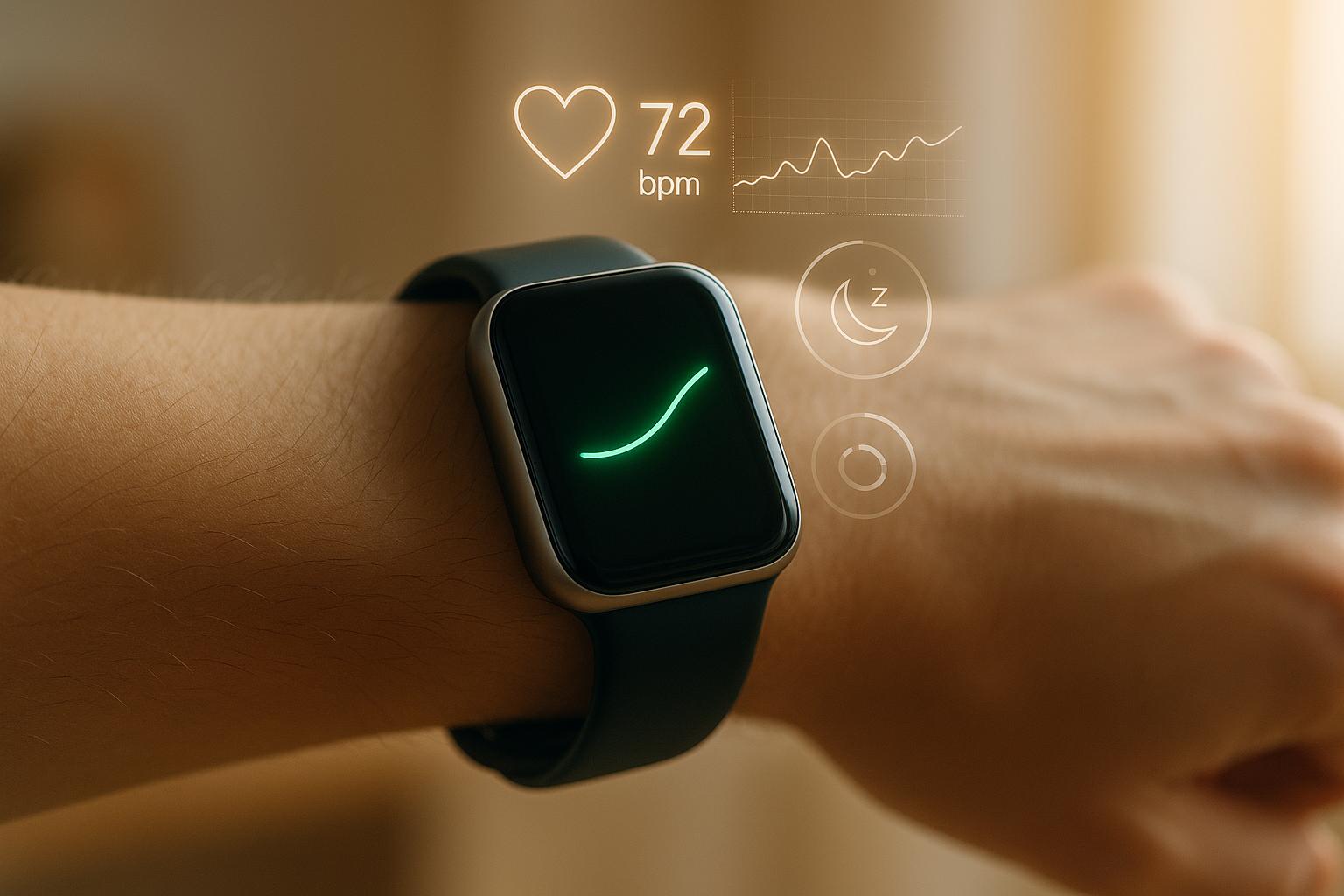
Entrenamiento de salud con IA convierte los datos de tus dispositivos wearables - como la frecuencia cardíaca, el sueño y los pasos - en consejos personalizados y accionables adaptados a tu cuerpo y estilo de vida. En lugar de seguir objetivos de salud genéricos, la IA utiliza tus métricas únicas para establecer puntos de referencia específicos, ayudándote a gestionar el fitness, la nutrición, el estrés y la recuperación de manera más efectiva.
Aspectos Clave:
Puntos de Referencia Biométricos: Objetivos personalizados basados en datos como la variabilidad de la frecuencia cardíaca, la calidad del sueño y los niveles de estrés.
Integración de Datos: La IA combina datos de dispositivos wearables (por ejemplo, Apple Watch, WHOOP), aplicaciones (Apple HealthKit, Google Fit) e incluso análisis de sangre.
Retroalimentación en Tiempo Real: Las alertas y recomendaciones se ajustan a medida que tus datos de salud cambian, asegurando que los objetivos se mantengan relevantes.
Guía de Estilo de Vida: La IA ofrece consejos personalizados para entrenamientos, nutrición y manejo del estrés, haciendo que las mejoras de salud sean más manejables.
Plataformas como Healify simplifican tu viaje de salud al analizar patrones, proporcionar retroalimentación instantánea y establecer puntos de referencia evolucionados que se alinean con tus objetivos. Ya sea que estés mejorando la condición física, manejando el estrés o tratando condiciones crónicas, el entrenamiento de salud con IA asegura que tus datos trabajen para ti.
Arianna Huffington sobre #IA como tu coach de salud 24/7 | Pioneros de IA
Cómo la IA Recoge y Analiza Datos Biométricos
El coaching de salud impulsado por IA comienza reuniendo todas tus métricas de salud de diversas fuentes. Integra datos de wearables, aplicaciones de salud e incluso entradas manuales para crear un perfil detallado y unificado de tu salud.
Fuentes de Datos: Wearables, Aplicaciones e Ingresos de Usuario
Tus datos de salud provienen de múltiples corrientes, y la IA los reúne todos de manera fluida. Dispositivos wearable como el Apple Watch monitorean métricas clave - frecuencia cardíaca, pasos, niveles de oxígeno en sangre y movimiento - utilizando sensores avanzados como PPG, sensores SpO₂ y micro-sensores de temperatura[2].
Además de los wearables, las herramientas de salud IA extraen datos de plataformas como Apple HealthKit y Google Fit, ofreciendo una perspectiva más amplia sobre tu salud general. Dispositivos conectados como monitores continuos de glucosa (CGM) y dispositivos de presión arterial añaden otro nivel de profundidad. Estas herramientas siguen métricas específicas de condiciones, permitiendo a la IA vincular eventos específicos - como picos de azúcar en sangre después de las comidas - con tus hábitos diarios. Esto resulta en retroalimentación altamente personalizada[4].
Aplicaciones como Healify llevan esto más allá sincronizándose con wearables y otras aplicaciones, permitiendo también la entrada manual de datos como resultados de análisis de sangre, hábitos de estilo de vida y otros detalles de salud que no son rastreados automáticamente. Esta combinación de recolección de datos automatizada e ingresos proporcionados por el usuario proporciona a la IA una comprensión más rica de tu salud.
"Obtén orientaciones claras cuando más las necesitas basadas en tus wearables, biometría, análisis de sangre y estilo de vida." - Healify AI [1]
Al analizar métricas diversas - tales como calidad del sueño, niveles de estrés y nutrición - la IA descubre patrones y conexiones que podrían pasar desapercibidos. Este enfoque integrado forma la base para crear tu línea de base de salud personalizada.
Creando Tu Línea de Base a Través del Análisis de IA
Una vez que tus datos son consolidados, la IA se enfoca en identificar tus patrones de salud únicos. En lugar de compararte con promedios de población general, se centra en tus normas personales. Las métricas como duración del sueño, respuestas al estrés, niveles de actividad, fluctuaciones de cortisol y tiempos de recuperación son analizadas para establecer tu perfil de salud básico.
Utilizando redes neuronales avanzadas, la IA procesa datos de recuperación, tendencias de variabilidad de la frecuencia cardíaca (HRV) y puntuaciones de sueño - al igual que los sistemas utilizados para monitorear atletas. Estas herramientas son capaces de detectar signos tempranos de sobreentrenamiento o potenciales problemas de salud antes de que se agraven[2].
Por ejemplo, la IA de Healify evalúa continuamente tus datos en tiempo real para detectar desviaciones de tus patrones usuales. Si tu horario de sueño cambia drásticamente o tus niveles de cortisol se disparan en momentos inusuales, el sistema te envía una alerta. Además, tu línea de base evoluciona con el tiempo. Ya sea que estés recuperándote de una enfermedad, adaptando tu rutina de ejercicios o manejando el estrés, la IA ajusta tus referencias para reflejar estos cambios.
La investigación respalda la capacidad de la IA para analizar eficientemente las líneas de base. Los estudios han mostrado resultados como la pérdida de peso comparable a los programas tradicionales presenciales y mejor control de la presión arterial para aquellos que manejan la hipertensión. Un estudio de 12 meses en los Países Bajos encontró que el coaching de cambio de comportamiento digital mejoró significativamente los puntajes de la Escala de Bienestar Mental Warwick-Edinburgh (WEMWBS) para el mes 6, con beneficios sostenidos hasta el mes 12 (P = .02)[5].
Al comprender tus patrones de salud únicos, la IA puede predecir tendencias futuras y refinar sus recomendaciones a medida que ingresan nuevos datos.
"Finalmente, mis datos de salud tienen sentido. Sé exactamente qué hacer para sentirme mejor." - Sarah L, Fundadora [1]
Esta transformación - de datos crudos a percepciones accionables - convierte métricas abstractas en una historia clara y personalizada sobre tu bienestar. Te empodera para tomar decisiones informadas y tomar el control de tu viaje de salud.
Establecimiento de Referencias Biométricas Personalizadas
Una vez establecida tu línea de base, la IA se centra en crear referencias adaptadas a tus objetivos de salud específicos. A diferencia de los objetivos de fitness genéricos - como caminar 10,000 pasos al día o aspirar a ocho horas de sueño - estas referencias se personalizan a tus necesidades únicas, nivel de condición física actual y objetivos personales. Al analizar métricas integradas como la variabilidad de la frecuencia cardíaca, la calidad del sueño, las puntuaciones de recuperación y los niveles de estrés, la IA establece hitos realistas y personalizados. Este enfoque no solo reduce el riesgo de lesiones, sino que también te mantiene motivado con objetivos alcanzables que se alinean con tu camino de salud.
Adaptación de Referencias a tus Objetivos
Tus objetivos de salud juegan un papel crítico en cómo la IA establece tus referencias. Ya sea que aspires a mejorar la salud del corazón, reducir el estrés, gestionar una condición crónica o mejorar el rendimiento atlético, la IA identifica las métricas más relevantes y establece objetivos prácticos.
Por ejemplo, si la reducción del estrés es tu objetivo principal, la IA puede centrarse en mejorar la variabilidad de la frecuencia cardíaca y la calidad del sueño en lugar de ofrecer consejos genéricos. Para el manejo de condiciones crónicas como la diabetes, puede identificar fluctuaciones de azúcar en sangre y el momento de las comidas, creando referencias en torno a niveles de glucosa postprandial. La investigación ha demostrado que el coaching de salud guiado por IA puede ofrecer resultados de pérdida de peso comparables a los Programas de Prevención de la Diabetes, mientras que también ayuda a las personas con hipertensión a lograr un mejor control de la presión arterial[4].
Plataformas como el Coach de Salud y Bienestar de EON Reality, impulsado por IA, ejemplifican este enfoque analizando patrones de sueño, rutinas diarias, niveles de estrés, actividad, limitaciones físicas y hábitos alimenticios para crear objetivos de hitos significativos y personalizados[3]. Estos no son solo números - son objetivos accionables que encajan perfectamente en tu vida diaria.
De manera similar, Healify utiliza tus datos para establecer referencias claras y alcanzables. Al analizar las entradas de wearables, biometría, análisis de sangre y hábitos de estilo de vida, la plataforma alinea sus recomendaciones con tus principales prioridades de salud y fitness[1].
"Solía sentirme abrumada por los datos de salud en mi iPhone y Apple Watch. Healify cambió eso, dándome orientación clara. Mi energía ha mejorado y ahora sé exactamente qué pasos seguir para una mejor salud." - Sophie, Entusiasta del Fitness[1]
La IA también considera tu estilo de vida. Por ejemplo, si trabajas en turnos nocturnos, tus objetivos de sueño serán diferentes a los de una persona con un horario tradicional de 9 a 5. De manera similar, si tienes limitaciones físicas, tus objetivos de actividad se ajustarán en consecuencia. Este nivel de personalización asegura que tus referencias sean tanto desafiantes como alcanzables.
Ajuste de Referencias a Medida que Avanzas
A medida que tu salud evoluciona, estas referencias se adaptan para seguir el ritmo de tu progreso. Los objetivos estáticos pueden obstaculizar el crecimiento a largo plazo, por lo que los coaches de salud con IA monitorean continuamente tus datos, ajustando tus objetivos para asegurar que se mantengan tanto relevantes como adecuadamente desafiantes.
La IA evalúa si un objetivo es demasiado fácil, demasiado difícil o está bien siguiendo métricas como la consistencia, las puntuaciones de recuperación y la calidad del sueño. Por ejemplo, si constantemente superas tus objetivos de conteo de pasos, la IA podría aumentarlos gradualmente para mantenerte motivado. Por el contrario, si tus puntuaciones de recuperación bajan o la calidad del sueño disminuye, podría sugerir reducir la intensidad para evitar el sobreentrenamiento.
La investigación sobre el coaching de cambio de comportamiento digital destaca la efectividad de este enfoque. Los participantes que utilizaron sistemas liderados por IA reportaron mejoras significativas en los puntajes de bienestar mental (medidos por la Escala de Bienestar Mental Warwick-Edimburgo) a los seis meses, con beneficios que duraron hasta el año (P = .02)[5]. Cuando ocurren contratiempos - ya sea por enfermedad, lesión o cambios en la vida - la IA recalibra tus referencias para reflejar tu condición actual, guiándote gradualmente de regreso a tus objetivos a medida que te recuperas.
Las franquicias de fitness que implementan personalización impulsada por IA han visto mayores tasas de retención, mayor lealtad de los miembros y métricas de rendimiento mejoradas[2]. El sistema de monitoreo en tiempo real de Healify proporciona alertas y retroalimentación instantánea a medida que cambia tu estado de salud, ajustando dinámicamente las referencias para garantizar que se mantengan relevantes a medida que avanzas[1].
Estos ajustes ocurren automáticamente, eliminando la necesidad de seguimiento manual o conjeturas. Al evaluar tus datos diariamente - considerando tendencias en recuperación, rendimiento, sueño y estrés - la IA asegura que cada paso de tu viaje de salud esté optimizado para el éxito.
Seguimiento del Progreso con Percepciones en Tiempo Real
El monitoreo en tiempo real convierte tus datos en pasos accionables. El coaching de salud impulsado por IA de Healify toma el flujo constante de información de tus wearables y aplicaciones de salud y lo traduce en orientación clara y práctica. En lugar de adivinar si estás mejorando, obtienes actualizaciones instantáneas sobre dónde te encuentras y qué ajustes hacer. A continuación, veamos cómo los visuales fáciles de entender simplifican aún más este proceso.
Entendiendo tus Datos de Salud a Través de Visuales
Los datos biométricos pueden parecer abrumadores - hasta que se presentan de una manera que tiene sentido. Healify simplifica la información compleja utilizando paneles intuitivos que se centran en lo esencial. Los sensores avanzados en los wearables recopilan métricas clave, y Healify procesa estos datos a través de APIs como Apple HealthKit y Google Fit. Al aplicar el reconocimiento de patrones, identifica tendencias que de otro modo podrías pasar por alto.
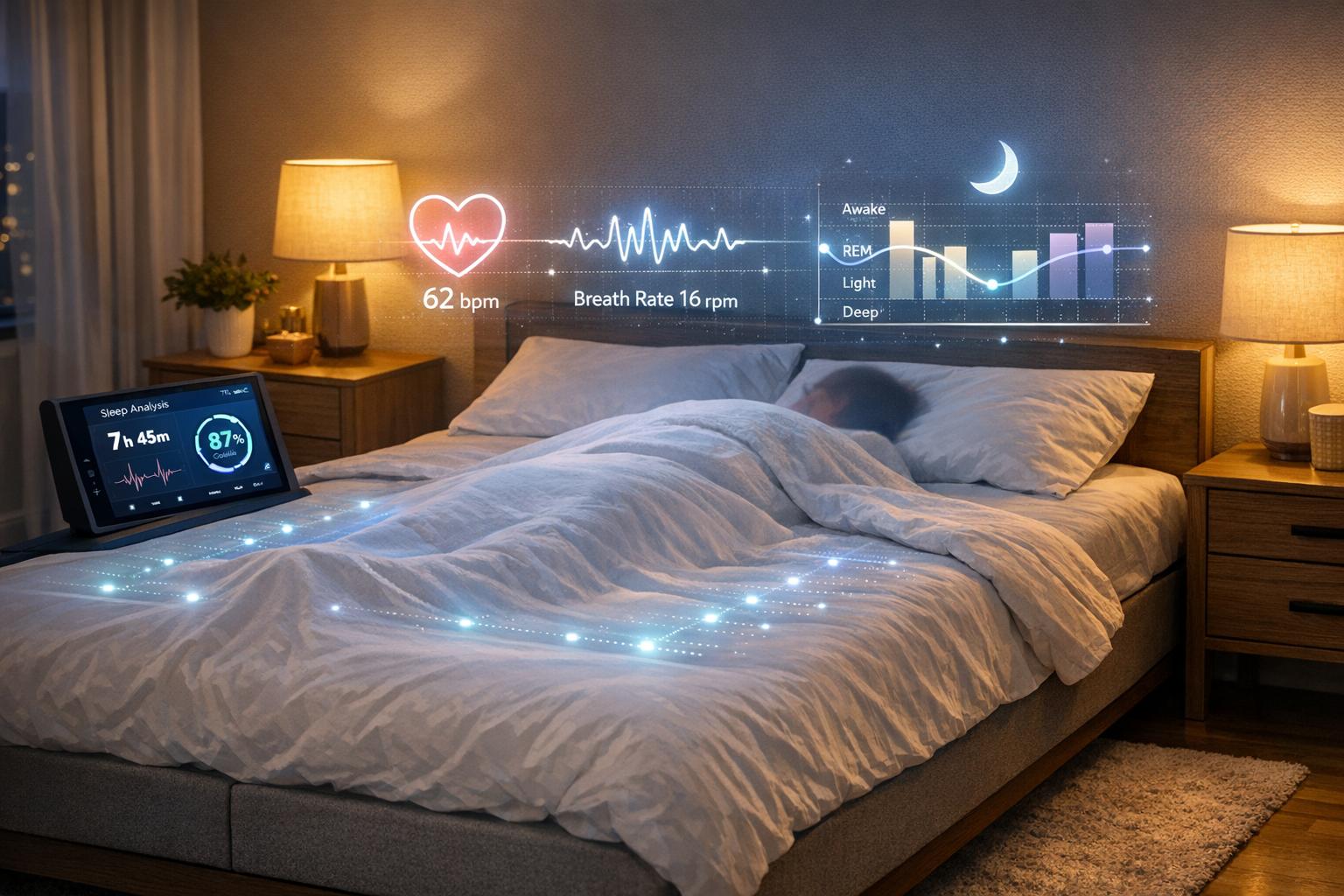
Tu panel muestra tanto métricas primarias - como frecuencia cardíaca, conteo de pasos y duración del sueño - como métricas secundarias, tales como tiempo de recuperación y niveles de estrés. Estos visuales están adaptados para reflejar referencias basadas en tus datos de salud personales. La función "Salud de un Vistazo" de Healify proporciona una visión rápida, incluyendo métricas como el Cortisol Pico (medido en nmol/L) y una Puntuación de Salud general. Puedes seguir fácilmente el progreso con indicadores claros, como cambios en la duración del sueño o cambios porcentuales en métricas clave de salud[1].
Healify va más allá al usar el aprendizaje automático para analizar datos de recuperación, variabilidad de la frecuencia cardíaca (HRV) y puntuaciones de sueño, ofreciendo percepciones predictivas sobre las cargas de entrenamiento[2]. Los análisis basados en la nube detectan signos tempranos de sobreentrenamiento o enfermedad, presentando estas tendencias de manera directa[2].
Además de estos resúmenes visuales, las alertas en tiempo real aseguran que siempre estés informado sobre cambios importantes.
Recibir Alertas y Retroalimentación Instantánea
Se acabaron los días de esperar actualizaciones semanales. Healify proporciona notificaciones inmediatas si tus métricas se desvían de las referencias establecidas, brindándote la oportunidad de realizar ajustes antes de que los problemas menores se conviertan en mayores.
Cuando ocurren cambios significativos, Healify ofrece retroalimentación dirigida y accionable. Por ejemplo, si tus niveles de hidratación bajan, recibirás consejos de recuperación específicos. ¿Te sientes desganado por la tarde? El sistema podría sugerirte una caminata rápida o un refrigerio lleno de nutrientes para aumentar tu energía[1].
Healify también vigila cambios biométricos críticos, enviando alertas como "PICO DE CORTISOL DETECTADO" o "NIVEL DE OXÍGENO EN SANGRE BAJO." Podrías ver actualizaciones como, "Tu puntuación de salud ha bajado en un 7%", seguida de recomendaciones personalizadas para mejorar tus métricas[1].
Este sistema elimina las conjeturas al manejar la fatiga y la recuperación. Si tu puntuación de recuperación es baja y los niveles de estrés son altos, Healify aconseja un entrenamiento más ligero o recuperación activa. Por el contrario, cuando tus métricas muestran una recuperación óptima y variabilidad de la frecuencia cardíaca, te anima a esforzarte más para obtener mejores resultados[2].
La inmediatez de estas alertas es un cambio de juego. En lugar de darte cuenta días después de que has estado sobreentrenando o que tu sueño ha sufrido, la retroalimentación instantánea de Healify te permite hacer ajustes rápidos, manteniéndote alineado con tus objetivos[1].
Además, la IA de Healify conecta comportamientos específicos con resultados de salud. Por ejemplo, en la gestión de la diabetes, puede identificar cómo el momento de las comidas impacta los niveles de azúcar en sangre, ofreciendo percepciones para ayudarte a tomar decisiones más inteligentes durante el día[4].
Aplicación de Referencias Biométricas a la Vida Diaria
Tus referencias biométricas no son solo números para observar - son herramientas destinadas a transformar cómo abordas el fitness, la nutrición y los hábitos diarios de salud. El verdadero valor radica en convertir estos datos en pasos accionables que se integren sin esfuerzo en tu rutina diaria. Al hacerlo, conectas tus objetivos de fitness con mejoras de estilo de vida más amplias.
Ajustando Entrenamientos Basados en tus Referencias
Los rastreadores biométricos ofrecen percepciones claras y objetivas para ayudarte a decidir cuándo esforzarte más o cuándo tomarlo con calma [2]. Estas métricas cuentan una historia sobre la preparación de tu cuerpo.
Por ejemplo, si tu variabilidad de la frecuencia cardíaca (HRV) es alta y tu puntuación de recuperación indica que estás en excelente forma, es el momento perfecto para enfrentar un entrenamiento desafiante. Por otro lado, si tu puntuación de recuperación es baja o los niveles de estrés están aumentando, Healify sugiere reducir la intensidad con actividades más ligeras o recuperación activa para evitar el sobreentrenamiento o lesiones [2].
Cuando métricas como cortisol elevado o bajo oxígeno en sangre aparecen, Healify podría recomendar cambiar una sesión de alta intensidad por algo como yoga o una carrera a ritmo moderado. Y cuando los datos apuntan a una preparación óptima para el rendimiento, recibirás un empujón para darlo todo y obtener resultados máximos [2].
La plataforma también rastrea patrones a largo plazo. Por ejemplo, si notas disminuciones de energía después de ciertos entrenamientos o tiempos de recuperación más lentos para ejercicios específicos, Healify detecta estas tendencias y ajusta sus recomendaciones para adaptarse a tu capacidad actual.
Haciendo Cambios de Estilo de Vida para una Mejor Salud
Las referencias biométricas van más allá de los entrenamientos - pueden guiar cambios significativos en tu vida diaria. Healify analiza todo, desde tus patrones de sueño y niveles de estrés hasta datos de actividad y dieta, brindando sugerencias personalizadas para mejorar tu bienestar general [3].
La nutrición personalizada se convierte en realidad. Al examinar tus hábitos alimenticios, objetivos de fitness y cómo tu cuerpo reacciona a ciertos alimentos, los coaches de salud de IA proporcionan recomendaciones precisas. Por ejemplo, si estás usando un monitor continuo de glucosa, Healify puede conectar el momento y contenido de las comidas con las respuestas de glucosa en sangre [4]. Podrías descubrir que los desayunos ricos en carbohidratos llevan a bajones de energía al mediodía o que una comida rica en proteínas mejora tus puntuaciones de recuperación.
En diciembre de 2025, Healify proporcionó a los usuarios consejos de estilo de vida específicos basados en sus datos biométricos:
Para alguien experimentando fatiga en la tarde debido a poca actividad: "Toma una caminata rápida de 10 minutos" y "Toma un refrigerio con almendras o chocolate oscuro" para aumentar la energía naturalmente [1].
Para alguien que necesita una recuperación más rápida después de un entrenamiento: "Reponer con electrolitos" y "Consume 30 gramos de proteína dentro de la próxima hora para la reparación muscular" [1].
A diferencia de un entrenador personal que podría carecer de experiencia en nutrición, Healify utiliza datos objetivos y la última ciencia nutricional para ofrecer recomendaciones imparciales [6]. Incluso tiene en cuenta limitaciones prácticas, como tiempo limitado para preparar comidas o restricciones dietéticas, asegurando que las sugerencias sean realistas y alcanzables [3].
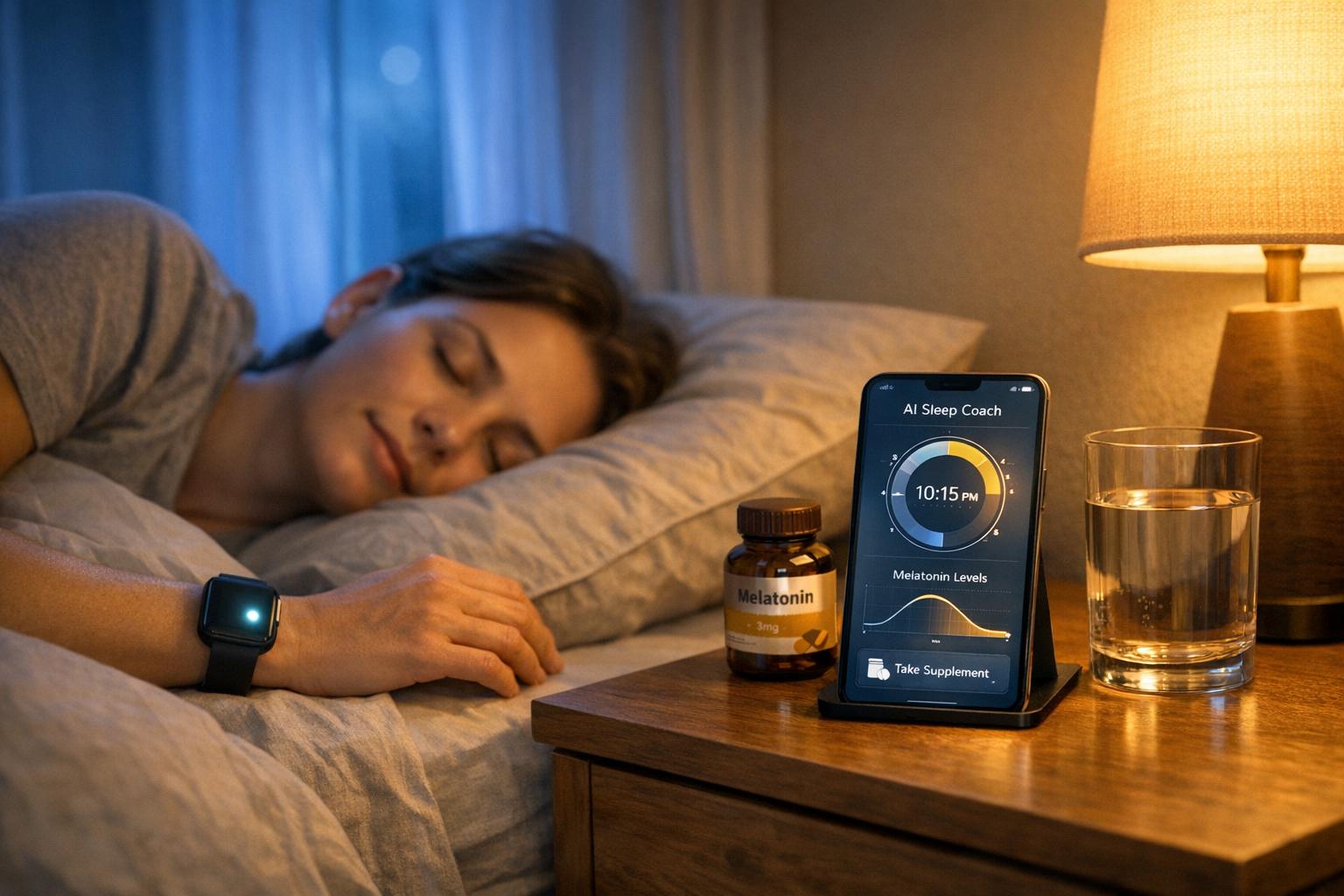
La mejora del sueño está igual de basada en datos. Si la mala calidad del sueño está relacionada con la ingesta tardía de cafeína o demasiado tiempo frente a la pantalla, Healify identifica estos patrones y ofrece ajustes accionables - como ajustar horarios de entrenamiento o tiempos de comida - para ayudarte a descansar mejor.
La gestión del estrés se vuelve proactiva. Cuando tus datos muestran cortisol elevado o estrés elevado, Healify interviene con soluciones específicas antes de que el estrés te pase factura [1]. Esto podría significar ejercicios de respiración guiada, reorganizar tu horario para reducir el agobio o ajustar actividades para apoyar tu sistema nervioso.
Los estudios clínicos muestran que los coaches de salud de IA pueden ofrecer resultados comparables a los Programas de Prevención de la Diabetes en persona, incluyendo pérdida de peso y mejor control de la presión arterial [4].
"Como entrenador personal, luché por proporcionar herramientas de nutrición para mis clientes. El generador de planes de comidas y recetas de Healify calcula macros y ofrece recetas fáciles, ayudando a mis clientes a alcanzar sus objetivos de fitness más rápido." – Taylor, Entrenador Personal [1]
Con seguimiento consistente, el progreso se convierte en continuo. A medida que alcanzas tus objetivos, Healify establece nuevas referencias para mantenerte desafiado y comprometido [3]. Este enfoque adaptativo, basado en datos, asegura que siempre estás avanzando hacia mejoras de salud significativas, usando tus datos biométricos como una guía confiable para decisiones diarias que suman a ganancias a largo plazo.
Conclusión
El coaching de salud con IA está redefiniendo cómo abordamos el bienestar al convertir datos biométricos complejos en consejos claros y accionables. En lugar de hurgar en estadísticas crudas de tus wearables, obtienes orientación clara y personalizada - ya sea ajustando tus entrenamientos, refinando tu dieta o enfocándote en la recuperación. Y no es solo una afirmación; la investigación respalda su impacto.
Los estudios han demostrado que el coaching de salud con IA puede mejorar significativamente tanto la calidad del sueño como los niveles de actividad [5].
Healify lleva esta ciencia a tu iPhone, transformando sin esfuerzo tus datos de salud en un perfil personalizado. Con Anna, tu coach de salud con IA disponible 24/7, nunca te quedas adivinando. Ella interpreta las señales de tu cuerpo en tiempo real, enviando alertas cuando algo necesita atención - como cuando estás deshidratado, estresado, no te estás recuperando bien, o si tus niveles de oxígeno en sangre bajan. Recibirás recomendaciones precisas para abordar estos problemas antes de que se agraven.
El secreto de este sistema es su nivel de personalización. Olvídate de los objetivos de talla única - tus metas son personalizadas según tus datos únicos, tus objetivos personales y cómo tu cuerpo reacciona a diferentes actividades y alimentos. A medida que progresas, Healify ajusta tus referencias para mantenerte en el camino y mejorando continuamente. Este enfoque ofrece resultados reales, como se demostró en un estudio holandés de 2024 que involucró a 107 adultos. Los participantes vieron mejoras significativas en el bienestar mental a los seis meses, que se mantuvieron en el plazo de un año [5].
El verdadero cambio de juego aquí es convertir datos en acciones significativas. Cuando tus métricas muestran que estás listo, te anima a esforzarte. Cuando señalan fatiga, la recuperación se convierte en la prioridad.
Healify está disponible de forma gratuita en el Apple App Store a través de su beta privada. Únete a la lista de espera para acceder a funciones premium y tener la oportunidad de ganar un Apple Watch Ultra 2. Toma el control de tus datos biométricos y conviértelos en ganancias duraderas de salud.
Preguntas Frecuentes
¿Cómo ayuda el coaching de salud con IA a establecer objetivos biométricos personalizados?
El coaching de salud con IA, como el soporte ofrecido por Healify, aprovecha el análisis de datos de vanguardia para crear objetivos de salud personalizados basados en tus datos biométricos únicos. Extrae información de wearables, análisis de sangre, hábitos de estilo de vida y otras biometrías para identificar métricas de salud clave que se alinean con tus aspiraciones de bienestar personal.
Este método adaptado asegura que tus objetivos no solo sean alcanzables, sino también diseñados para mejorar tanto tu bienestar físico como mental. Con monitoreo continuo y recomendaciones adaptadas, tendrás las herramientas para mantenerte enfocado y avanzar constantemente hacia un estilo de vida más saludable y equilibrado.
¿Qué datos utiliza Healify para ofrecer consejos de salud personalizados?
Healify adopta un enfoque personalizado para la salud combinando datos de dispositivos portátiles, biometrías, análisis de sangre y detalles de estilo de vida. Al profundizar en esta información, ofrece percepciones prácticas diseñadas para mejorar tanto tu bienestar físico como mental.
Este método asegura que tu plan de salud esté personalizado para adaptarse a tus necesidades únicas, ayudándote a mantenerte en la senda de tus objetivos de bienestar.
¿Cómo actualiza el coaching de salud con IA los objetivos biométricos a medida que mejora tu salud?
Los sistemas de coaching de salud con IA aprovechan los datos de dispositivos portátiles, biometrías y tus hábitos diarios para mantener un seguimiento cercano de tu progreso. A medida que avanzas en tu viaje de salud, estos sistemas adaptan tus objetivos para mantenerlos tanto motivadores como alcanzables.
Por ejemplo, si tu condición física mejora o tus análisis de sangre reflejan resultados más saludables, la IA podría sugerir objetivos actualizados - como aumentar tu conteo diario de pasos, mejorar tus objetivos de frecuencia cardíaca o mejorar la calidad de tu sueño. Este método flexible te mantiene avanzando, siempre trabajando hacia una salud y bienestar mejorados.
Artículos Relacionados del Blog
Entrenamiento de salud con IA convierte los datos de tus dispositivos wearables - como la frecuencia cardíaca, el sueño y los pasos - en consejos personalizados y accionables adaptados a tu cuerpo y estilo de vida. En lugar de seguir objetivos de salud genéricos, la IA utiliza tus métricas únicas para establecer puntos de referencia específicos, ayudándote a gestionar el fitness, la nutrición, el estrés y la recuperación de manera más efectiva.
Aspectos Clave:
Puntos de Referencia Biométricos: Objetivos personalizados basados en datos como la variabilidad de la frecuencia cardíaca, la calidad del sueño y los niveles de estrés.
Integración de Datos: La IA combina datos de dispositivos wearables (por ejemplo, Apple Watch, WHOOP), aplicaciones (Apple HealthKit, Google Fit) e incluso análisis de sangre.
Retroalimentación en Tiempo Real: Las alertas y recomendaciones se ajustan a medida que tus datos de salud cambian, asegurando que los objetivos se mantengan relevantes.
Guía de Estilo de Vida: La IA ofrece consejos personalizados para entrenamientos, nutrición y manejo del estrés, haciendo que las mejoras de salud sean más manejables.
Plataformas como Healify simplifican tu viaje de salud al analizar patrones, proporcionar retroalimentación instantánea y establecer puntos de referencia evolucionados que se alinean con tus objetivos. Ya sea que estés mejorando la condición física, manejando el estrés o tratando condiciones crónicas, el entrenamiento de salud con IA asegura que tus datos trabajen para ti.
Arianna Huffington sobre #IA como tu coach de salud 24/7 | Pioneros de IA
Cómo la IA Recoge y Analiza Datos Biométricos
El coaching de salud impulsado por IA comienza reuniendo todas tus métricas de salud de diversas fuentes. Integra datos de wearables, aplicaciones de salud e incluso entradas manuales para crear un perfil detallado y unificado de tu salud.
Fuentes de Datos: Wearables, Aplicaciones e Ingresos de Usuario
Tus datos de salud provienen de múltiples corrientes, y la IA los reúne todos de manera fluida. Dispositivos wearable como el Apple Watch monitorean métricas clave - frecuencia cardíaca, pasos, niveles de oxígeno en sangre y movimiento - utilizando sensores avanzados como PPG, sensores SpO₂ y micro-sensores de temperatura[2].
Además de los wearables, las herramientas de salud IA extraen datos de plataformas como Apple HealthKit y Google Fit, ofreciendo una perspectiva más amplia sobre tu salud general. Dispositivos conectados como monitores continuos de glucosa (CGM) y dispositivos de presión arterial añaden otro nivel de profundidad. Estas herramientas siguen métricas específicas de condiciones, permitiendo a la IA vincular eventos específicos - como picos de azúcar en sangre después de las comidas - con tus hábitos diarios. Esto resulta en retroalimentación altamente personalizada[4].
Aplicaciones como Healify llevan esto más allá sincronizándose con wearables y otras aplicaciones, permitiendo también la entrada manual de datos como resultados de análisis de sangre, hábitos de estilo de vida y otros detalles de salud que no son rastreados automáticamente. Esta combinación de recolección de datos automatizada e ingresos proporcionados por el usuario proporciona a la IA una comprensión más rica de tu salud.
"Obtén orientaciones claras cuando más las necesitas basadas en tus wearables, biometría, análisis de sangre y estilo de vida." - Healify AI [1]
Al analizar métricas diversas - tales como calidad del sueño, niveles de estrés y nutrición - la IA descubre patrones y conexiones que podrían pasar desapercibidos. Este enfoque integrado forma la base para crear tu línea de base de salud personalizada.
Creando Tu Línea de Base a Través del Análisis de IA
Una vez que tus datos son consolidados, la IA se enfoca en identificar tus patrones de salud únicos. En lugar de compararte con promedios de población general, se centra en tus normas personales. Las métricas como duración del sueño, respuestas al estrés, niveles de actividad, fluctuaciones de cortisol y tiempos de recuperación son analizadas para establecer tu perfil de salud básico.
Utilizando redes neuronales avanzadas, la IA procesa datos de recuperación, tendencias de variabilidad de la frecuencia cardíaca (HRV) y puntuaciones de sueño - al igual que los sistemas utilizados para monitorear atletas. Estas herramientas son capaces de detectar signos tempranos de sobreentrenamiento o potenciales problemas de salud antes de que se agraven[2].
Por ejemplo, la IA de Healify evalúa continuamente tus datos en tiempo real para detectar desviaciones de tus patrones usuales. Si tu horario de sueño cambia drásticamente o tus niveles de cortisol se disparan en momentos inusuales, el sistema te envía una alerta. Además, tu línea de base evoluciona con el tiempo. Ya sea que estés recuperándote de una enfermedad, adaptando tu rutina de ejercicios o manejando el estrés, la IA ajusta tus referencias para reflejar estos cambios.
La investigación respalda la capacidad de la IA para analizar eficientemente las líneas de base. Los estudios han mostrado resultados como la pérdida de peso comparable a los programas tradicionales presenciales y mejor control de la presión arterial para aquellos que manejan la hipertensión. Un estudio de 12 meses en los Países Bajos encontró que el coaching de cambio de comportamiento digital mejoró significativamente los puntajes de la Escala de Bienestar Mental Warwick-Edinburgh (WEMWBS) para el mes 6, con beneficios sostenidos hasta el mes 12 (P = .02)[5].
Al comprender tus patrones de salud únicos, la IA puede predecir tendencias futuras y refinar sus recomendaciones a medida que ingresan nuevos datos.
"Finalmente, mis datos de salud tienen sentido. Sé exactamente qué hacer para sentirme mejor." - Sarah L, Fundadora [1]
Esta transformación - de datos crudos a percepciones accionables - convierte métricas abstractas en una historia clara y personalizada sobre tu bienestar. Te empodera para tomar decisiones informadas y tomar el control de tu viaje de salud.
Establecimiento de Referencias Biométricas Personalizadas
Una vez establecida tu línea de base, la IA se centra en crear referencias adaptadas a tus objetivos de salud específicos. A diferencia de los objetivos de fitness genéricos - como caminar 10,000 pasos al día o aspirar a ocho horas de sueño - estas referencias se personalizan a tus necesidades únicas, nivel de condición física actual y objetivos personales. Al analizar métricas integradas como la variabilidad de la frecuencia cardíaca, la calidad del sueño, las puntuaciones de recuperación y los niveles de estrés, la IA establece hitos realistas y personalizados. Este enfoque no solo reduce el riesgo de lesiones, sino que también te mantiene motivado con objetivos alcanzables que se alinean con tu camino de salud.
Adaptación de Referencias a tus Objetivos
Tus objetivos de salud juegan un papel crítico en cómo la IA establece tus referencias. Ya sea que aspires a mejorar la salud del corazón, reducir el estrés, gestionar una condición crónica o mejorar el rendimiento atlético, la IA identifica las métricas más relevantes y establece objetivos prácticos.
Por ejemplo, si la reducción del estrés es tu objetivo principal, la IA puede centrarse en mejorar la variabilidad de la frecuencia cardíaca y la calidad del sueño en lugar de ofrecer consejos genéricos. Para el manejo de condiciones crónicas como la diabetes, puede identificar fluctuaciones de azúcar en sangre y el momento de las comidas, creando referencias en torno a niveles de glucosa postprandial. La investigación ha demostrado que el coaching de salud guiado por IA puede ofrecer resultados de pérdida de peso comparables a los Programas de Prevención de la Diabetes, mientras que también ayuda a las personas con hipertensión a lograr un mejor control de la presión arterial[4].
Plataformas como el Coach de Salud y Bienestar de EON Reality, impulsado por IA, ejemplifican este enfoque analizando patrones de sueño, rutinas diarias, niveles de estrés, actividad, limitaciones físicas y hábitos alimenticios para crear objetivos de hitos significativos y personalizados[3]. Estos no son solo números - son objetivos accionables que encajan perfectamente en tu vida diaria.
De manera similar, Healify utiliza tus datos para establecer referencias claras y alcanzables. Al analizar las entradas de wearables, biometría, análisis de sangre y hábitos de estilo de vida, la plataforma alinea sus recomendaciones con tus principales prioridades de salud y fitness[1].
"Solía sentirme abrumada por los datos de salud en mi iPhone y Apple Watch. Healify cambió eso, dándome orientación clara. Mi energía ha mejorado y ahora sé exactamente qué pasos seguir para una mejor salud." - Sophie, Entusiasta del Fitness[1]
La IA también considera tu estilo de vida. Por ejemplo, si trabajas en turnos nocturnos, tus objetivos de sueño serán diferentes a los de una persona con un horario tradicional de 9 a 5. De manera similar, si tienes limitaciones físicas, tus objetivos de actividad se ajustarán en consecuencia. Este nivel de personalización asegura que tus referencias sean tanto desafiantes como alcanzables.
Ajuste de Referencias a Medida que Avanzas
A medida que tu salud evoluciona, estas referencias se adaptan para seguir el ritmo de tu progreso. Los objetivos estáticos pueden obstaculizar el crecimiento a largo plazo, por lo que los coaches de salud con IA monitorean continuamente tus datos, ajustando tus objetivos para asegurar que se mantengan tanto relevantes como adecuadamente desafiantes.
La IA evalúa si un objetivo es demasiado fácil, demasiado difícil o está bien siguiendo métricas como la consistencia, las puntuaciones de recuperación y la calidad del sueño. Por ejemplo, si constantemente superas tus objetivos de conteo de pasos, la IA podría aumentarlos gradualmente para mantenerte motivado. Por el contrario, si tus puntuaciones de recuperación bajan o la calidad del sueño disminuye, podría sugerir reducir la intensidad para evitar el sobreentrenamiento.
La investigación sobre el coaching de cambio de comportamiento digital destaca la efectividad de este enfoque. Los participantes que utilizaron sistemas liderados por IA reportaron mejoras significativas en los puntajes de bienestar mental (medidos por la Escala de Bienestar Mental Warwick-Edimburgo) a los seis meses, con beneficios que duraron hasta el año (P = .02)[5]. Cuando ocurren contratiempos - ya sea por enfermedad, lesión o cambios en la vida - la IA recalibra tus referencias para reflejar tu condición actual, guiándote gradualmente de regreso a tus objetivos a medida que te recuperas.
Las franquicias de fitness que implementan personalización impulsada por IA han visto mayores tasas de retención, mayor lealtad de los miembros y métricas de rendimiento mejoradas[2]. El sistema de monitoreo en tiempo real de Healify proporciona alertas y retroalimentación instantánea a medida que cambia tu estado de salud, ajustando dinámicamente las referencias para garantizar que se mantengan relevantes a medida que avanzas[1].
Estos ajustes ocurren automáticamente, eliminando la necesidad de seguimiento manual o conjeturas. Al evaluar tus datos diariamente - considerando tendencias en recuperación, rendimiento, sueño y estrés - la IA asegura que cada paso de tu viaje de salud esté optimizado para el éxito.
Seguimiento del Progreso con Percepciones en Tiempo Real
El monitoreo en tiempo real convierte tus datos en pasos accionables. El coaching de salud impulsado por IA de Healify toma el flujo constante de información de tus wearables y aplicaciones de salud y lo traduce en orientación clara y práctica. En lugar de adivinar si estás mejorando, obtienes actualizaciones instantáneas sobre dónde te encuentras y qué ajustes hacer. A continuación, veamos cómo los visuales fáciles de entender simplifican aún más este proceso.
Entendiendo tus Datos de Salud a Través de Visuales
Los datos biométricos pueden parecer abrumadores - hasta que se presentan de una manera que tiene sentido. Healify simplifica la información compleja utilizando paneles intuitivos que se centran en lo esencial. Los sensores avanzados en los wearables recopilan métricas clave, y Healify procesa estos datos a través de APIs como Apple HealthKit y Google Fit. Al aplicar el reconocimiento de patrones, identifica tendencias que de otro modo podrías pasar por alto.
Tu panel muestra tanto métricas primarias - como frecuencia cardíaca, conteo de pasos y duración del sueño - como métricas secundarias, tales como tiempo de recuperación y niveles de estrés. Estos visuales están adaptados para reflejar referencias basadas en tus datos de salud personales. La función "Salud de un Vistazo" de Healify proporciona una visión rápida, incluyendo métricas como el Cortisol Pico (medido en nmol/L) y una Puntuación de Salud general. Puedes seguir fácilmente el progreso con indicadores claros, como cambios en la duración del sueño o cambios porcentuales en métricas clave de salud[1].
Healify va más allá al usar el aprendizaje automático para analizar datos de recuperación, variabilidad de la frecuencia cardíaca (HRV) y puntuaciones de sueño, ofreciendo percepciones predictivas sobre las cargas de entrenamiento[2]. Los análisis basados en la nube detectan signos tempranos de sobreentrenamiento o enfermedad, presentando estas tendencias de manera directa[2].
Además de estos resúmenes visuales, las alertas en tiempo real aseguran que siempre estés informado sobre cambios importantes.
Recibir Alertas y Retroalimentación Instantánea
Se acabaron los días de esperar actualizaciones semanales. Healify proporciona notificaciones inmediatas si tus métricas se desvían de las referencias establecidas, brindándote la oportunidad de realizar ajustes antes de que los problemas menores se conviertan en mayores.
Cuando ocurren cambios significativos, Healify ofrece retroalimentación dirigida y accionable. Por ejemplo, si tus niveles de hidratación bajan, recibirás consejos de recuperación específicos. ¿Te sientes desganado por la tarde? El sistema podría sugerirte una caminata rápida o un refrigerio lleno de nutrientes para aumentar tu energía[1].
Healify también vigila cambios biométricos críticos, enviando alertas como "PICO DE CORTISOL DETECTADO" o "NIVEL DE OXÍGENO EN SANGRE BAJO." Podrías ver actualizaciones como, "Tu puntuación de salud ha bajado en un 7%", seguida de recomendaciones personalizadas para mejorar tus métricas[1].
Este sistema elimina las conjeturas al manejar la fatiga y la recuperación. Si tu puntuación de recuperación es baja y los niveles de estrés son altos, Healify aconseja un entrenamiento más ligero o recuperación activa. Por el contrario, cuando tus métricas muestran una recuperación óptima y variabilidad de la frecuencia cardíaca, te anima a esforzarte más para obtener mejores resultados[2].
La inmediatez de estas alertas es un cambio de juego. En lugar de darte cuenta días después de que has estado sobreentrenando o que tu sueño ha sufrido, la retroalimentación instantánea de Healify te permite hacer ajustes rápidos, manteniéndote alineado con tus objetivos[1].
Además, la IA de Healify conecta comportamientos específicos con resultados de salud. Por ejemplo, en la gestión de la diabetes, puede identificar cómo el momento de las comidas impacta los niveles de azúcar en sangre, ofreciendo percepciones para ayudarte a tomar decisiones más inteligentes durante el día[4].
Aplicación de Referencias Biométricas a la Vida Diaria
Tus referencias biométricas no son solo números para observar - son herramientas destinadas a transformar cómo abordas el fitness, la nutrición y los hábitos diarios de salud. El verdadero valor radica en convertir estos datos en pasos accionables que se integren sin esfuerzo en tu rutina diaria. Al hacerlo, conectas tus objetivos de fitness con mejoras de estilo de vida más amplias.
Ajustando Entrenamientos Basados en tus Referencias
Los rastreadores biométricos ofrecen percepciones claras y objetivas para ayudarte a decidir cuándo esforzarte más o cuándo tomarlo con calma [2]. Estas métricas cuentan una historia sobre la preparación de tu cuerpo.
Por ejemplo, si tu variabilidad de la frecuencia cardíaca (HRV) es alta y tu puntuación de recuperación indica que estás en excelente forma, es el momento perfecto para enfrentar un entrenamiento desafiante. Por otro lado, si tu puntuación de recuperación es baja o los niveles de estrés están aumentando, Healify sugiere reducir la intensidad con actividades más ligeras o recuperación activa para evitar el sobreentrenamiento o lesiones [2].
Cuando métricas como cortisol elevado o bajo oxígeno en sangre aparecen, Healify podría recomendar cambiar una sesión de alta intensidad por algo como yoga o una carrera a ritmo moderado. Y cuando los datos apuntan a una preparación óptima para el rendimiento, recibirás un empujón para darlo todo y obtener resultados máximos [2].
La plataforma también rastrea patrones a largo plazo. Por ejemplo, si notas disminuciones de energía después de ciertos entrenamientos o tiempos de recuperación más lentos para ejercicios específicos, Healify detecta estas tendencias y ajusta sus recomendaciones para adaptarse a tu capacidad actual.
Haciendo Cambios de Estilo de Vida para una Mejor Salud
Las referencias biométricas van más allá de los entrenamientos - pueden guiar cambios significativos en tu vida diaria. Healify analiza todo, desde tus patrones de sueño y niveles de estrés hasta datos de actividad y dieta, brindando sugerencias personalizadas para mejorar tu bienestar general [3].
La nutrición personalizada se convierte en realidad. Al examinar tus hábitos alimenticios, objetivos de fitness y cómo tu cuerpo reacciona a ciertos alimentos, los coaches de salud de IA proporcionan recomendaciones precisas. Por ejemplo, si estás usando un monitor continuo de glucosa, Healify puede conectar el momento y contenido de las comidas con las respuestas de glucosa en sangre [4]. Podrías descubrir que los desayunos ricos en carbohidratos llevan a bajones de energía al mediodía o que una comida rica en proteínas mejora tus puntuaciones de recuperación.
En diciembre de 2025, Healify proporcionó a los usuarios consejos de estilo de vida específicos basados en sus datos biométricos:
Para alguien experimentando fatiga en la tarde debido a poca actividad: "Toma una caminata rápida de 10 minutos" y "Toma un refrigerio con almendras o chocolate oscuro" para aumentar la energía naturalmente [1].
Para alguien que necesita una recuperación más rápida después de un entrenamiento: "Reponer con electrolitos" y "Consume 30 gramos de proteína dentro de la próxima hora para la reparación muscular" [1].
A diferencia de un entrenador personal que podría carecer de experiencia en nutrición, Healify utiliza datos objetivos y la última ciencia nutricional para ofrecer recomendaciones imparciales [6]. Incluso tiene en cuenta limitaciones prácticas, como tiempo limitado para preparar comidas o restricciones dietéticas, asegurando que las sugerencias sean realistas y alcanzables [3].
La mejora del sueño está igual de basada en datos. Si la mala calidad del sueño está relacionada con la ingesta tardía de cafeína o demasiado tiempo frente a la pantalla, Healify identifica estos patrones y ofrece ajustes accionables - como ajustar horarios de entrenamiento o tiempos de comida - para ayudarte a descansar mejor.
La gestión del estrés se vuelve proactiva. Cuando tus datos muestran cortisol elevado o estrés elevado, Healify interviene con soluciones específicas antes de que el estrés te pase factura [1]. Esto podría significar ejercicios de respiración guiada, reorganizar tu horario para reducir el agobio o ajustar actividades para apoyar tu sistema nervioso.
Los estudios clínicos muestran que los coaches de salud de IA pueden ofrecer resultados comparables a los Programas de Prevención de la Diabetes en persona, incluyendo pérdida de peso y mejor control de la presión arterial [4].
"Como entrenador personal, luché por proporcionar herramientas de nutrición para mis clientes. El generador de planes de comidas y recetas de Healify calcula macros y ofrece recetas fáciles, ayudando a mis clientes a alcanzar sus objetivos de fitness más rápido." – Taylor, Entrenador Personal [1]
Con seguimiento consistente, el progreso se convierte en continuo. A medida que alcanzas tus objetivos, Healify establece nuevas referencias para mantenerte desafiado y comprometido [3]. Este enfoque adaptativo, basado en datos, asegura que siempre estás avanzando hacia mejoras de salud significativas, usando tus datos biométricos como una guía confiable para decisiones diarias que suman a ganancias a largo plazo.
Conclusión
El coaching de salud con IA está redefiniendo cómo abordamos el bienestar al convertir datos biométricos complejos en consejos claros y accionables. En lugar de hurgar en estadísticas crudas de tus wearables, obtienes orientación clara y personalizada - ya sea ajustando tus entrenamientos, refinando tu dieta o enfocándote en la recuperación. Y no es solo una afirmación; la investigación respalda su impacto.
Los estudios han demostrado que el coaching de salud con IA puede mejorar significativamente tanto la calidad del sueño como los niveles de actividad [5].
Healify lleva esta ciencia a tu iPhone, transformando sin esfuerzo tus datos de salud en un perfil personalizado. Con Anna, tu coach de salud con IA disponible 24/7, nunca te quedas adivinando. Ella interpreta las señales de tu cuerpo en tiempo real, enviando alertas cuando algo necesita atención - como cuando estás deshidratado, estresado, no te estás recuperando bien, o si tus niveles de oxígeno en sangre bajan. Recibirás recomendaciones precisas para abordar estos problemas antes de que se agraven.
El secreto de este sistema es su nivel de personalización. Olvídate de los objetivos de talla única - tus metas son personalizadas según tus datos únicos, tus objetivos personales y cómo tu cuerpo reacciona a diferentes actividades y alimentos. A medida que progresas, Healify ajusta tus referencias para mantenerte en el camino y mejorando continuamente. Este enfoque ofrece resultados reales, como se demostró en un estudio holandés de 2024 que involucró a 107 adultos. Los participantes vieron mejoras significativas en el bienestar mental a los seis meses, que se mantuvieron en el plazo de un año [5].
El verdadero cambio de juego aquí es convertir datos en acciones significativas. Cuando tus métricas muestran que estás listo, te anima a esforzarte. Cuando señalan fatiga, la recuperación se convierte en la prioridad.
Healify está disponible de forma gratuita en el Apple App Store a través de su beta privada. Únete a la lista de espera para acceder a funciones premium y tener la oportunidad de ganar un Apple Watch Ultra 2. Toma el control de tus datos biométricos y conviértelos en ganancias duraderas de salud.
Preguntas Frecuentes
¿Cómo ayuda el coaching de salud con IA a establecer objetivos biométricos personalizados?
El coaching de salud con IA, como el soporte ofrecido por Healify, aprovecha el análisis de datos de vanguardia para crear objetivos de salud personalizados basados en tus datos biométricos únicos. Extrae información de wearables, análisis de sangre, hábitos de estilo de vida y otras biometrías para identificar métricas de salud clave que se alinean con tus aspiraciones de bienestar personal.
Este método adaptado asegura que tus objetivos no solo sean alcanzables, sino también diseñados para mejorar tanto tu bienestar físico como mental. Con monitoreo continuo y recomendaciones adaptadas, tendrás las herramientas para mantenerte enfocado y avanzar constantemente hacia un estilo de vida más saludable y equilibrado.
¿Qué datos utiliza Healify para ofrecer consejos de salud personalizados?
Healify adopta un enfoque personalizado para la salud combinando datos de dispositivos portátiles, biometrías, análisis de sangre y detalles de estilo de vida. Al profundizar en esta información, ofrece percepciones prácticas diseñadas para mejorar tanto tu bienestar físico como mental.
Este método asegura que tu plan de salud esté personalizado para adaptarse a tus necesidades únicas, ayudándote a mantenerte en la senda de tus objetivos de bienestar.
¿Cómo actualiza el coaching de salud con IA los objetivos biométricos a medida que mejora tu salud?
Los sistemas de coaching de salud con IA aprovechan los datos de dispositivos portátiles, biometrías y tus hábitos diarios para mantener un seguimiento cercano de tu progreso. A medida que avanzas en tu viaje de salud, estos sistemas adaptan tus objetivos para mantenerlos tanto motivadores como alcanzables.
Por ejemplo, si tu condición física mejora o tus análisis de sangre reflejan resultados más saludables, la IA podría sugerir objetivos actualizados - como aumentar tu conteo diario de pasos, mejorar tus objetivos de frecuencia cardíaca o mejorar la calidad de tu sueño. Este método flexible te mantiene avanzando, siempre trabajando hacia una salud y bienestar mejorados.
Artículos Relacionados del Blog
Finalmente toma el control de tu salud

Finalmente toma el control de tu salud
Finalmente toma el control de tu salud