Improve your health

Improve your health

Improve your health

November 16, 2025

Wearables vs. Traditional CBT: Key Differences

Wearable-based CBT and in-person CBT offer two distinct ways to address mental health challenges. Wearable devices provide 24/7, data-driven support through AI-powered apps, making them ideal for flexible, on-the-go help. In contrast, in-person therapy focuses on scheduled, face-to-face sessions with a licensed therapist, offering emotional connection and expert guidance.

Key Takeaways:

  • Wearable CBT: Continuous monitoring (e.g., heart rate, sleep) with real-time feedback and lower costs. Best for mild-to-moderate issues and tech-savvy users.

  • In-Person CBT: Scheduled sessions with a therapist for deeper emotional issues. Best for complex conditions or those who value human connection.

  • Effectiveness: Both methods improve mental health, but wearable CBT often has higher engagement (up to 94% completion rates).

  • Accessibility: Wearable CBT is more flexible, while in-person therapy can face barriers like cost and scheduling.

Quick Comparison:

Feature

Wearable-Based CBT

In-Person CBT

Availability

24/7, anytime, anywhere

Limited to appointments

Cost

Subscription-based, lower

Higher, session-based

Support

AI-driven, self-guided

Therapist-led, personal

Data Collection

Continuous, biometric

Self-reported, periodic

Best For

Mild/moderate symptoms

Complex emotional issues

Both approaches have strengths, and combining them may offer the best of both worlds.

Are Mental Health Apps As Effective As Real Therapy? - Gen Z Telehealth Guide

Accessibility and Convenience

When it comes to mental health support, wearable-based CBT and traditional therapy offer vastly different experiences. How you access care, the timing of support, and the obstacles you encounter can all influence the effectiveness of your treatment.

Scheduling and Availability

Traditional CBT relies on pre-scheduled appointments, often confined to office hours. This structure can leave significant gaps, especially during unexpected crises when immediate support is needed.

In contrast, wearable-based CBT provides 24/7 access to interventions, feedback, and support. This means you can get help whenever you need it - no waiting for an appointment or worrying if your therapist is available during a critical moment.

The numbers highlight this difference. In a pilot study on insomnia, participants using a mobile app paired with wearables achieved a 94.7% response rate, logging sleep diary entries on 24.3 out of 28 days [8]. Such consistent engagement is nearly impossible to replicate with traditional weekly therapy sessions.

This constant availability also helps eliminate common logistical and geographic barriers, making treatment more accessible to a wider audience.

Removing Common Barriers

Traditional CBT often faces challenges like geographical limitations, rigid schedules, and high costs. For instance, living in a rural area or lacking reliable transportation can make accessing quality mental health care a daunting task. Add to that the time constraints from work or family responsibilities, and attending regular appointments during business hours becomes nearly impossible for many.

Financially, traditional therapy can be a strain. High per-session fees, even with insurance, can quickly add up, making long-term treatment unaffordable for many individuals.

Wearable-based CBT addresses these hurdles head-on. With remote access, there’s no need to worry about transportation or location. You can engage with the program from the comfort of your home, eliminating the need to take time off work or arrange childcare. Additionally, subscription-based pricing models are often more budget-friendly than traditional therapy, making mental health support accessible to those with limited financial resources.

The impact of reducing these barriers is clear. Digital CBT programs report 93.9% treatment completion rates, far surpassing the 51% completion rates often seen with traditional therapy [3]. When people have the freedom to access care on their own terms, they’re far more likely to stick with it.

How AI Platforms Like Healify Help
Healify

Platforms like Healify take accessibility to the next level by leveraging AI and wearable data to deliver personalized, real-time CBT support. Healify analyzes information from wearables, biomarkers, and lifestyle metrics to provide tailored health coaching and interventions.

Through its AI health coach, Anna, Healify offers 24/7 personalized guidance. Anna acts as a virtual doctor, nutritionist, and sleep expert all rolled into one. For instance, if your wearable detects elevated stress levels - like a spike in heart rate or disrupted sleep patterns - Healify can immediately suggest targeted relaxation techniques or coping strategies.

"I used to feel overwhelmed by health data on my iPhone and Apple Watch. Healify changed that, giving me clear guidance. My energy has improved, and I now know exactly what steps to take for better health." - Sophie, Fitness Enthusiast [1]

This approach ensures that the advice you receive is specific to your needs at any given moment. Instead of generic tips, the AI adapts to your unique patterns, offering interventions that align with what your body and mind require in real time. It’s like having a personal therapist available whenever you need support.

The convenience is game-changing. Rather than waiting days or weeks to discuss concerns with a therapist, you can access instant insights and engage in health-focused conversations based on your biometric data. This immediacy can prevent small issues from escalating into larger problems.

For those with demanding schedules, unpredictable hours, or limited access to mental health resources, platforms like Healify fill the gap. While they don’t replace the human connection of traditional therapy, they ensure that help is always within reach, whenever you need it most.

Effectiveness and Outcomes

After exploring accessibility and convenience, let’s dive into how wearable-based CBT and traditional therapy measure up in practice. While accessibility ensures help is within reach, the real question lies in how effective each approach is at improving mental health.

Clinical Results for Both Methods

Research shows that both wearable-based CBT and traditional therapy yield similar improvements in managing anxiety, depression, and insomnia. Wearable-based CBT, however, often sees quicker results and higher treatment completion rates [6][9][3][8]. For example, sleep efficiency increased from 68.7% to 80.9%, and total sleep time rose from 363.2 minutes in control groups to 403.9 minutes after three months [3][8].

Traditional CBT shines in tackling anxiety and depression through expert, face-to-face interaction. Yet, digital methods are quickly catching up, particularly for sleep-related issues and stress management. One standout advantage of wearable-based CBT is its completion rate - while traditional therapy typically sees around 51% of participants finishing their programs, digital approaches report rates as high as 93.9% [3].

Data-Driven Personalization

One of the biggest strengths of wearable-based CBT is its ability to adapt treatments based on real-time data. By monitoring physiological metrics like heart rate variability, sleep patterns, and activity levels, wearable devices provide a detailed snapshot of your mental and physical health. This allows for immediate interventions, such as addressing elevated stress levels detected through changes in heart rate [5][7].

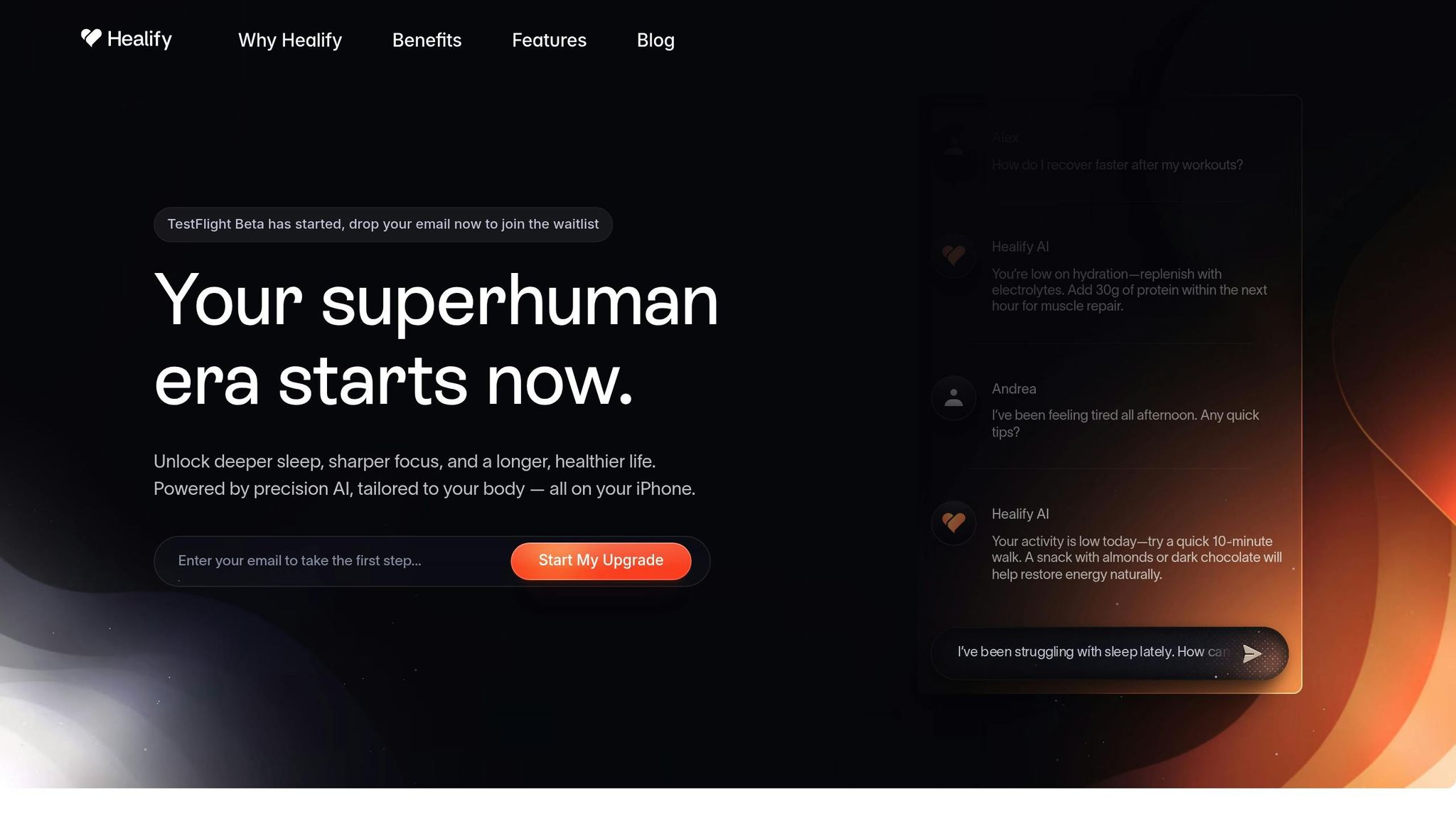
Platforms like Healify take this a step further, combining wearable data with lifestyle factors to offer tailored advice. For instance, if you ask, "How can I speed up my recovery after workouts?", Healify might suggest:

"You're low on hydration - replenish with electrolytes. Add 30g of protein within the next hour for muscle repair" [1].

Studies even suggest that baseline heart rate variability, measured by consumer-grade wearables, can predict how effective group CBT will be for depression and anxiety [4]. In contrast, traditional CBT relies on therapist assessments and self-reported information, which lack the immediacy and objectivity of wearable data [7].

Limitations of Each Method

No method is without its drawbacks, and understanding these can help you make an informed choice.

Wearable-based CBT can face technical issues, such as device malfunctions or connectivity problems, which may disrupt data collection. Privacy concerns also arise when sensitive health data is stored digitally [5][7]. Additionally, without professional guidance, users might struggle to interpret the data effectively, leading to frustration during critical moments.

Traditional CBT, on the other hand, often struggles with accessibility. High costs, location barriers, and the need to schedule appointments can make consistent care challenging [5][7]. Because therapists rely on periodic sessions and self-reported information, they might miss important patterns or fail to intervene when issues arise between appointments. Furthermore, traditional therapy’s fixed schedule means help isn’t always available during unexpected crises.

Both methods also face challenges in maintaining long-term engagement. Digital platforms risk losing their appeal over time, while traditional therapy can feel burdensome due to its rigid structure.

Effectiveness Comparison Table

Here’s a quick comparison of key metrics for both approaches:

Metric

Wearable-Based CBT

Traditional CBT

Symptom Improvement

Comparable results; 12%+ improvement in sleep efficiency [8][3]

Proven results for anxiety, depression, and insomnia [3]

Completion Rates

High (up to 94%) [8][3]

Variable (around 51%) [3]

Personalization

High - real-time adjustments via continuous data [4]

Moderate - based on therapist assessments and self-reports [5][7]

Data Collection

Continuous, objective monitoring

Subjective, periodic self-reporting

User Satisfaction

High (94.7% in studies) [8]

Generally high, but varies with therapist relationship

Availability

24/7 access to support and interventions

Limited to scheduled appointments

User Experience and Engagement

Effectiveness metrics provide one perspective, but the daily experience of using CBT methods offers a completely different lens. How you interact with your CBT support - whether through a wearable device or traditional face-to-face sessions - has a significant impact on your engagement and overall success over time.

Interaction and Feedback

One major difference lies in how and when you receive guidance. Wearable-based CBT offers real-time feedback, responding to your body's signals as they occur. For instance, if Healify notices a spike in your stress levels through heart rate monitoring, it might immediately suggest a calming breathing exercise or mindfulness activity. This instant response ensures support is available precisely when you need it, rather than waiting for your next scheduled session.

Traditional CBT, on the other hand, depends on what you remember and choose to share during your appointments. For example, if you have a panic attack on a Tuesday, you might not address it until your Thursday session - missing the chance for immediate intervention when it could have been most helpful.

Wearable platforms rely on objective, data-driven insights to provide timely, actionable guidance, contrasting with the reflective, session-based approach of traditional therapy. This responsiveness opens the door to examining how self-guided and therapist-supported methods influence daily engagement.

Self-Guided vs. Therapist Support

Both approaches offer tailored support, but the way they deliver it makes a big difference in the user experience. With wearable-based CBT, you’re in charge. You decide when to engage, which recommendations to follow, and how quickly to work through interventions. This self-directed model appeals to those who prefer flexibility and managing their own pace without needing to coordinate schedules with a therapist.

However, without professional oversight, subtle emotional cues might go unnoticed. The emotional connection that can develop between a therapist and client - especially during pivotal moments - is often missing in digital platforms.

Traditional CBT brings the expertise and accountability of a trained professional who can catch warning signs, challenge unhelpful thoughts, and provide emotional support when things get tough. But this human connection comes with the drawback of needing to fit into someone else’s schedule, which can make it harder to address issues as they arise.

Interestingly, studies indicate that users of digital CBT often show higher engagement with therapeutic activities. For example, participants completed sleep diary entries on 24.3 ± 3.8 out of 28 days and reported an effectiveness rate of 94.7% [8]. This suggests that the self-guided format, supported by regular prompts and reminders, can encourage more consistent participation compared to the weekly or bi-weekly rhythm of traditional therapy.

Beyond interaction, the question of how your personal data is handled is just as important.

Privacy and Data Security

The digital nature of wearable-based CBT introduces specific concerns about privacy. Health data like sleep patterns, heart rate, and activity levels is stored and processed electronically. Platforms like Healify use strong encryption to protect your information, but there’s always some risk of a data breach when dealing with digital systems.

Traditional CBT, by contrast, operates under established legal confidentiality rules. Therapists are bound by ethical standards and HIPAA regulations, ensuring that your sessions remain private with minimal digital exposure. However, this level of privacy often comes at the cost of missing out on the continuous monitoring and data-driven insights that wearable devices can provide.

Ultimately, your comfort with privacy will guide your choice. Some people appreciate the transparency and control digital platforms offer, while others prefer the minimal data collection and human-only access of traditional therapy.

User Experience Pros and Cons Table

Here’s a quick breakdown of the key differences in user experience:

Factor

Wearable-Based CBT (Pros)

Wearable-Based CBT (Cons)

Traditional CBT (Pros)

Traditional CBT (Cons)

Interaction & Feedback

Real-time, data-driven support

May overlook emotional nuances

Empathetic, personalized guidance

Delayed, session-based responses

Autonomy

Full control over timing and pace

Less professional oversight

Expert therapist support

Rigid schedules, less flexibility

Engagement

Frequent reminders and progress tracking

Risk of losing motivation

Strong emotional encouragement

Gaps between sessions

Privacy & Security

User-managed data sharing with encryption

Potential for data breaches

Legal confidentiality protections

Minimal digital exposure

Personalization

Adaptive to real-time data

May miss deeper psychological issues

Deep understanding of individual needs

Relies more on subjective input

Accessibility

Always available, anytime and anywhere

Requires tech knowledge and connectivity

Direct human connection

Limited by geography and cost

Your overall experience will depend on your preferences, comfort with technology, and the challenges you’re addressing. Wearable-based CBT shines in providing immediate, data-driven support around the clock, while traditional therapy offers the invaluable human connection and professional insight that can make a difference in your healing process.

AI-Enabled Wearable Health Devices

The combination of artificial intelligence and wearable technology has reshaped how Cognitive Behavioral Therapy (CBT) support can be delivered. Unlike traditional therapy, which often depends on scheduled sessions and your ability to recall and share experiences, AI-powered platforms can analyze your body’s signals in real time. This allows for immediate, tailored interventions exactly when you need them, making mental health support more responsive and dynamic.

How AI Enhances Wearable CBT

AI takes wearable-based CBT to the next level by continuously processing multiple data streams from your devices to spot patterns and triggers that might otherwise slip through the cracks. For example, if your wearable detects a spike in heart rate or stress markers, AI can instantly suggest relaxation exercises or cognitive techniques instead of waiting for your next therapy session.

This real-time responsiveness gives AI a significant edge over traditional CBT methods. By analyzing biometric and behavioral data, AI can deliver instant, personalized interventions for stress, anxiety, or other mental health challenges [5][7]. It provides a holistic view of your physical and emotional states, helping to identify triggers, track progress, and fine-tune strategies based on your unique patterns and routines.

Wearable devices collect a variety of data, including heart rate, sleep quality, physical activity, stress levels, and sometimes even skin conductance or muscle tension [5][7]. AI uses this continuous stream of information to predict when you might need support. For instance, if your data consistently shows heightened stress before work meetings, the AI could learn this pattern and recommend mindfulness exercises or breathing techniques at those moments.

Key Features of Healify

Healify builds on AI’s capabilities to deliver a complete wearable CBT experience. Its features include 24/7 AI health coaching, real-time health tracking, personalized advice, stress management tools, sleep optimization, and actionable insights through its AI coach, Anna. These tools align with the benefits of accessibility and personalization, ensuring constant support for users.

What makes Healify stand out is its ability to turn complex health data into simple, practical guidance. By analyzing inputs from wearables, biometrics, bloodwork, and lifestyle habits, it provides personalized recommendations that go beyond what any single therapist could offer.

For stress management, Healify’s "Stress Defense" feature is particularly effective. It detects rising stress levels in real time and immediately suggests actions like breathing exercises or mindfulness techniques to help you regain balance before stress escalates.

Sleep support is another key focus. Healify monitors sleep patterns and offers tailored advice to improve sleep quality, which is essential for overall mental health and enhancing CBT outcomes.

The platform also tracks additional metrics, such as blood oxygen levels, activity trends, and energy fluctuations, to identify potential issues early. This real-time monitoring enables timely interventions, helping prevent minor concerns from becoming bigger problems.

Turning Data into Action Plans

One of the most impressive aspects of AI-driven platforms like Healify is their ability to process vast amounts of raw data and translate it into meaningful, actionable guidance [7]. Instead of leaving users to interpret confusing health metrics, the AI simplifies the information into clear steps you can take immediately.

For example, in November 2025, Healify demonstrated this capability by advising a user experiencing fatigue:

"Your activity is low today - try a quick 10-minute walk. A snack with almonds or dark chocolate will help restore energy naturally."

The platform also offers tailored recovery tips after workouts, such as:

"You're low on hydration - replenish with electrolytes. Add 30g of protein within the next hour for muscle repair."

If concerning patterns emerge, Healify provides alerts with actionable solutions. For instance:

"Your health score has decreased by 7%. Stress level detected, see recommendation."

This ability to transform raw data into practical action marks a major shift in how CBT support is delivered. Instead of relying on weekly sessions to review past events, AI-enabled platforms offer continuous, real-time guidance, empowering users to make informed decisions for their mental health throughout the day.

Key Differences Summary

Main Differences Recap

As discussed earlier, wearable CBT and traditional CBT differ significantly in terms of accessibility, effectiveness, and user experience. Each method has its own strengths, catering to varying needs and preferences.

The most noticeable difference lies in accessibility. Platforms like Healify, which offer wearable-based CBT, are available 24/7, allowing users to engage anytime and anywhere. On the other hand, traditional CBT requires scheduled appointments and in-person attendance, which can be less flexible.

When it comes to effectiveness, the two approaches take distinct paths in gathering and utilizing data. Traditional CBT relies on self-reported experiences and therapist observations during sessions. Wearable-based CBT, however, continuously monitors physiological data, enabling real-time, data-driven interventions tailored to the individual.

User experience is another area where these methods diverge. Traditional CBT provides a face-to-face connection with a therapist, offering empathetic support and a human touch. In contrast, wearable-based CBT focuses on self-guided sessions with continuous, personalized feedback informed by biometric data, empowering users to progress at their own pace.

Cost is another factor to consider. Digital CBT solutions tend to be more affordable due to reduced therapist involvement and the ability to scale services more efficiently.

The table below provides a clear side-by-side comparison of these differences.

Final Comparison Table

Feature

Wearable-Based CBT Support

Traditional In-Person CBT

Availability

24/7 access, any location

Scheduled appointments only

Data Collection

Continuous biometric monitoring

Self-reported, session-based

Personalization

Real-time, AI-driven feedback

Therapist-guided, adaptive

Response Time

Immediate interventions

Weekly or bi-weekly sessions

Cost

Lower, scalable pricing

Higher, limited by therapist time

Adherence Rates

Up to 94% completion rates[3]

Variable, often lower

Human Interaction

AI coach (e.g., Healify's Anna)

Direct therapist relationship

Best Suited For

Mild to moderate symptoms, tech-savvy users

Complex conditions, preference for human connection

Privacy Approach

Digital data security protocols

In-person confidentiality

Ultimately, the choice between these two approaches depends on individual needs, symptom severity, and comfort with technology. Many people are now turning to hybrid models, which combine the flexibility of wearable-based CBT with occasional in-person therapist support. This trend reflects a growing shift in how mental health care is delivered[2][3].

FAQs

What are the main differences between wearable-based CBT and traditional in-person therapy for mental health support?

Wearable-based CBT and traditional in-person therapy differ in how they approach accessibility, effectiveness, and user experience. Wearable-based CBT uses data from devices like fitness trackers to provide real-time insights and personalized guidance, offering 24/7 support. This makes it a convenient option for people with packed schedules or limited access to traditional therapy.

In contrast, traditional CBT involves face-to-face sessions with a licensed therapist, creating opportunities for a deeper personal connection and highly tailored support. While both methods aim to improve mental health, wearable-based CBT stands out for its convenience and continuous monitoring, whereas traditional therapy is often better suited for addressing complex or severe mental health conditions that benefit from human-led expertise.

For those looking for a flexible, data-driven solution, apps like Healify can analyze wearable data and deliver actionable advice anytime, making mental health support more accessible than ever.

What privacy concerns should you consider when using wearable-based CBT, and how can you protect your data?

Wearable-based CBT tools gather sensitive health data, sparking understandable concerns about privacy. These devices and apps may handle information such as biometrics, activity tracking, and mental health trends. Knowing how your data is managed and who can access it is crucial.

To safeguard your information, choose platforms that implement strong encryption and adhere to privacy regulations like HIPAA. Take time to review the app's privacy policy to confirm your data won’t be shared without your consent. Strengthen your account security by using secure passwords and enabling two-factor authentication whenever it's available.

Can wearable-based CBT support be combined with traditional therapy to improve outcomes for individuals with complex mental health needs?

Combining wearable-based CBT with traditional in-person therapy can provide a more comprehensive way to support individuals with complex mental health needs. Wearable devices collect continuous, real-time data on factors like sleep patterns, physical activity, and stress levels. This information can reveal patterns and triggers that might not come up during therapy sessions.

When therapists integrate this data into their sessions, they gain a clearer picture of a person’s day-to-day experiences. This enables them to fine-tune their treatment strategies to better address individual needs. The result is a more tailored and proactive approach to mental health care, which can lead to improved outcomes and overall well-being.

Related Blog Posts

Wearable-based CBT and in-person CBT offer two distinct ways to address mental health challenges. Wearable devices provide 24/7, data-driven support through AI-powered apps, making them ideal for flexible, on-the-go help. In contrast, in-person therapy focuses on scheduled, face-to-face sessions with a licensed therapist, offering emotional connection and expert guidance.

Key Takeaways:

  • Wearable CBT: Continuous monitoring (e.g., heart rate, sleep) with real-time feedback and lower costs. Best for mild-to-moderate issues and tech-savvy users.

  • In-Person CBT: Scheduled sessions with a therapist for deeper emotional issues. Best for complex conditions or those who value human connection.

  • Effectiveness: Both methods improve mental health, but wearable CBT often has higher engagement (up to 94% completion rates).

  • Accessibility: Wearable CBT is more flexible, while in-person therapy can face barriers like cost and scheduling.

Quick Comparison:

Feature

Wearable-Based CBT

In-Person CBT

Availability

24/7, anytime, anywhere

Limited to appointments

Cost

Subscription-based, lower

Higher, session-based

Support

AI-driven, self-guided

Therapist-led, personal

Data Collection

Continuous, biometric

Self-reported, periodic

Best For

Mild/moderate symptoms

Complex emotional issues

Both approaches have strengths, and combining them may offer the best of both worlds.

Are Mental Health Apps As Effective As Real Therapy? - Gen Z Telehealth Guide

Accessibility and Convenience

When it comes to mental health support, wearable-based CBT and traditional therapy offer vastly different experiences. How you access care, the timing of support, and the obstacles you encounter can all influence the effectiveness of your treatment.

Scheduling and Availability

Traditional CBT relies on pre-scheduled appointments, often confined to office hours. This structure can leave significant gaps, especially during unexpected crises when immediate support is needed.

In contrast, wearable-based CBT provides 24/7 access to interventions, feedback, and support. This means you can get help whenever you need it - no waiting for an appointment or worrying if your therapist is available during a critical moment.

The numbers highlight this difference. In a pilot study on insomnia, participants using a mobile app paired with wearables achieved a 94.7% response rate, logging sleep diary entries on 24.3 out of 28 days [8]. Such consistent engagement is nearly impossible to replicate with traditional weekly therapy sessions.

This constant availability also helps eliminate common logistical and geographic barriers, making treatment more accessible to a wider audience.

Removing Common Barriers

Traditional CBT often faces challenges like geographical limitations, rigid schedules, and high costs. For instance, living in a rural area or lacking reliable transportation can make accessing quality mental health care a daunting task. Add to that the time constraints from work or family responsibilities, and attending regular appointments during business hours becomes nearly impossible for many.

Financially, traditional therapy can be a strain. High per-session fees, even with insurance, can quickly add up, making long-term treatment unaffordable for many individuals.

Wearable-based CBT addresses these hurdles head-on. With remote access, there’s no need to worry about transportation or location. You can engage with the program from the comfort of your home, eliminating the need to take time off work or arrange childcare. Additionally, subscription-based pricing models are often more budget-friendly than traditional therapy, making mental health support accessible to those with limited financial resources.

The impact of reducing these barriers is clear. Digital CBT programs report 93.9% treatment completion rates, far surpassing the 51% completion rates often seen with traditional therapy [3]. When people have the freedom to access care on their own terms, they’re far more likely to stick with it.

How AI Platforms Like Healify Help

Healify

Platforms like Healify take accessibility to the next level by leveraging AI and wearable data to deliver personalized, real-time CBT support. Healify analyzes information from wearables, biomarkers, and lifestyle metrics to provide tailored health coaching and interventions.

Through its AI health coach, Anna, Healify offers 24/7 personalized guidance. Anna acts as a virtual doctor, nutritionist, and sleep expert all rolled into one. For instance, if your wearable detects elevated stress levels - like a spike in heart rate or disrupted sleep patterns - Healify can immediately suggest targeted relaxation techniques or coping strategies.

"I used to feel overwhelmed by health data on my iPhone and Apple Watch. Healify changed that, giving me clear guidance. My energy has improved, and I now know exactly what steps to take for better health." - Sophie, Fitness Enthusiast [1]

This approach ensures that the advice you receive is specific to your needs at any given moment. Instead of generic tips, the AI adapts to your unique patterns, offering interventions that align with what your body and mind require in real time. It’s like having a personal therapist available whenever you need support.

The convenience is game-changing. Rather than waiting days or weeks to discuss concerns with a therapist, you can access instant insights and engage in health-focused conversations based on your biometric data. This immediacy can prevent small issues from escalating into larger problems.

For those with demanding schedules, unpredictable hours, or limited access to mental health resources, platforms like Healify fill the gap. While they don’t replace the human connection of traditional therapy, they ensure that help is always within reach, whenever you need it most.

Effectiveness and Outcomes

After exploring accessibility and convenience, let’s dive into how wearable-based CBT and traditional therapy measure up in practice. While accessibility ensures help is within reach, the real question lies in how effective each approach is at improving mental health.

Clinical Results for Both Methods

Research shows that both wearable-based CBT and traditional therapy yield similar improvements in managing anxiety, depression, and insomnia. Wearable-based CBT, however, often sees quicker results and higher treatment completion rates [6][9][3][8]. For example, sleep efficiency increased from 68.7% to 80.9%, and total sleep time rose from 363.2 minutes in control groups to 403.9 minutes after three months [3][8].

Traditional CBT shines in tackling anxiety and depression through expert, face-to-face interaction. Yet, digital methods are quickly catching up, particularly for sleep-related issues and stress management. One standout advantage of wearable-based CBT is its completion rate - while traditional therapy typically sees around 51% of participants finishing their programs, digital approaches report rates as high as 93.9% [3].

Data-Driven Personalization

One of the biggest strengths of wearable-based CBT is its ability to adapt treatments based on real-time data. By monitoring physiological metrics like heart rate variability, sleep patterns, and activity levels, wearable devices provide a detailed snapshot of your mental and physical health. This allows for immediate interventions, such as addressing elevated stress levels detected through changes in heart rate [5][7].

Platforms like Healify take this a step further, combining wearable data with lifestyle factors to offer tailored advice. For instance, if you ask, "How can I speed up my recovery after workouts?", Healify might suggest:

"You're low on hydration - replenish with electrolytes. Add 30g of protein within the next hour for muscle repair" [1].

Studies even suggest that baseline heart rate variability, measured by consumer-grade wearables, can predict how effective group CBT will be for depression and anxiety [4]. In contrast, traditional CBT relies on therapist assessments and self-reported information, which lack the immediacy and objectivity of wearable data [7].

Limitations of Each Method

No method is without its drawbacks, and understanding these can help you make an informed choice.

Wearable-based CBT can face technical issues, such as device malfunctions or connectivity problems, which may disrupt data collection. Privacy concerns also arise when sensitive health data is stored digitally [5][7]. Additionally, without professional guidance, users might struggle to interpret the data effectively, leading to frustration during critical moments.

Traditional CBT, on the other hand, often struggles with accessibility. High costs, location barriers, and the need to schedule appointments can make consistent care challenging [5][7]. Because therapists rely on periodic sessions and self-reported information, they might miss important patterns or fail to intervene when issues arise between appointments. Furthermore, traditional therapy’s fixed schedule means help isn’t always available during unexpected crises.

Both methods also face challenges in maintaining long-term engagement. Digital platforms risk losing their appeal over time, while traditional therapy can feel burdensome due to its rigid structure.

Effectiveness Comparison Table

Here’s a quick comparison of key metrics for both approaches:

Metric

Wearable-Based CBT

Traditional CBT

Symptom Improvement

Comparable results; 12%+ improvement in sleep efficiency [8][3]

Proven results for anxiety, depression, and insomnia [3]

Completion Rates

High (up to 94%) [8][3]

Variable (around 51%) [3]

Personalization

High - real-time adjustments via continuous data [4]

Moderate - based on therapist assessments and self-reports [5][7]

Data Collection

Continuous, objective monitoring

Subjective, periodic self-reporting

User Satisfaction

High (94.7% in studies) [8]

Generally high, but varies with therapist relationship

Availability

24/7 access to support and interventions

Limited to scheduled appointments

User Experience and Engagement

Effectiveness metrics provide one perspective, but the daily experience of using CBT methods offers a completely different lens. How you interact with your CBT support - whether through a wearable device or traditional face-to-face sessions - has a significant impact on your engagement and overall success over time.

Interaction and Feedback

One major difference lies in how and when you receive guidance. Wearable-based CBT offers real-time feedback, responding to your body's signals as they occur. For instance, if Healify notices a spike in your stress levels through heart rate monitoring, it might immediately suggest a calming breathing exercise or mindfulness activity. This instant response ensures support is available precisely when you need it, rather than waiting for your next scheduled session.

Traditional CBT, on the other hand, depends on what you remember and choose to share during your appointments. For example, if you have a panic attack on a Tuesday, you might not address it until your Thursday session - missing the chance for immediate intervention when it could have been most helpful.

Wearable platforms rely on objective, data-driven insights to provide timely, actionable guidance, contrasting with the reflective, session-based approach of traditional therapy. This responsiveness opens the door to examining how self-guided and therapist-supported methods influence daily engagement.

Self-Guided vs. Therapist Support

Both approaches offer tailored support, but the way they deliver it makes a big difference in the user experience. With wearable-based CBT, you’re in charge. You decide when to engage, which recommendations to follow, and how quickly to work through interventions. This self-directed model appeals to those who prefer flexibility and managing their own pace without needing to coordinate schedules with a therapist.

However, without professional oversight, subtle emotional cues might go unnoticed. The emotional connection that can develop between a therapist and client - especially during pivotal moments - is often missing in digital platforms.

Traditional CBT brings the expertise and accountability of a trained professional who can catch warning signs, challenge unhelpful thoughts, and provide emotional support when things get tough. But this human connection comes with the drawback of needing to fit into someone else’s schedule, which can make it harder to address issues as they arise.

Interestingly, studies indicate that users of digital CBT often show higher engagement with therapeutic activities. For example, participants completed sleep diary entries on 24.3 ± 3.8 out of 28 days and reported an effectiveness rate of 94.7% [8]. This suggests that the self-guided format, supported by regular prompts and reminders, can encourage more consistent participation compared to the weekly or bi-weekly rhythm of traditional therapy.

Beyond interaction, the question of how your personal data is handled is just as important.

Privacy and Data Security

The digital nature of wearable-based CBT introduces specific concerns about privacy. Health data like sleep patterns, heart rate, and activity levels is stored and processed electronically. Platforms like Healify use strong encryption to protect your information, but there’s always some risk of a data breach when dealing with digital systems.

Traditional CBT, by contrast, operates under established legal confidentiality rules. Therapists are bound by ethical standards and HIPAA regulations, ensuring that your sessions remain private with minimal digital exposure. However, this level of privacy often comes at the cost of missing out on the continuous monitoring and data-driven insights that wearable devices can provide.

Ultimately, your comfort with privacy will guide your choice. Some people appreciate the transparency and control digital platforms offer, while others prefer the minimal data collection and human-only access of traditional therapy.

User Experience Pros and Cons Table

Here’s a quick breakdown of the key differences in user experience:

Factor

Wearable-Based CBT (Pros)

Wearable-Based CBT (Cons)

Traditional CBT (Pros)

Traditional CBT (Cons)

Interaction & Feedback

Real-time, data-driven support

May overlook emotional nuances

Empathetic, personalized guidance

Delayed, session-based responses

Autonomy

Full control over timing and pace

Less professional oversight

Expert therapist support

Rigid schedules, less flexibility

Engagement

Frequent reminders and progress tracking

Risk of losing motivation

Strong emotional encouragement

Gaps between sessions

Privacy & Security

User-managed data sharing with encryption

Potential for data breaches

Legal confidentiality protections

Minimal digital exposure

Personalization

Adaptive to real-time data

May miss deeper psychological issues

Deep understanding of individual needs

Relies more on subjective input

Accessibility

Always available, anytime and anywhere

Requires tech knowledge and connectivity

Direct human connection

Limited by geography and cost

Your overall experience will depend on your preferences, comfort with technology, and the challenges you’re addressing. Wearable-based CBT shines in providing immediate, data-driven support around the clock, while traditional therapy offers the invaluable human connection and professional insight that can make a difference in your healing process.

AI-Enabled Wearable Health Devices

The combination of artificial intelligence and wearable technology has reshaped how Cognitive Behavioral Therapy (CBT) support can be delivered. Unlike traditional therapy, which often depends on scheduled sessions and your ability to recall and share experiences, AI-powered platforms can analyze your body’s signals in real time. This allows for immediate, tailored interventions exactly when you need them, making mental health support more responsive and dynamic.

How AI Enhances Wearable CBT

AI takes wearable-based CBT to the next level by continuously processing multiple data streams from your devices to spot patterns and triggers that might otherwise slip through the cracks. For example, if your wearable detects a spike in heart rate or stress markers, AI can instantly suggest relaxation exercises or cognitive techniques instead of waiting for your next therapy session.

This real-time responsiveness gives AI a significant edge over traditional CBT methods. By analyzing biometric and behavioral data, AI can deliver instant, personalized interventions for stress, anxiety, or other mental health challenges [5][7]. It provides a holistic view of your physical and emotional states, helping to identify triggers, track progress, and fine-tune strategies based on your unique patterns and routines.

Wearable devices collect a variety of data, including heart rate, sleep quality, physical activity, stress levels, and sometimes even skin conductance or muscle tension [5][7]. AI uses this continuous stream of information to predict when you might need support. For instance, if your data consistently shows heightened stress before work meetings, the AI could learn this pattern and recommend mindfulness exercises or breathing techniques at those moments.

Key Features of Healify

Healify builds on AI’s capabilities to deliver a complete wearable CBT experience. Its features include 24/7 AI health coaching, real-time health tracking, personalized advice, stress management tools, sleep optimization, and actionable insights through its AI coach, Anna. These tools align with the benefits of accessibility and personalization, ensuring constant support for users.

What makes Healify stand out is its ability to turn complex health data into simple, practical guidance. By analyzing inputs from wearables, biometrics, bloodwork, and lifestyle habits, it provides personalized recommendations that go beyond what any single therapist could offer.

For stress management, Healify’s "Stress Defense" feature is particularly effective. It detects rising stress levels in real time and immediately suggests actions like breathing exercises or mindfulness techniques to help you regain balance before stress escalates.

Sleep support is another key focus. Healify monitors sleep patterns and offers tailored advice to improve sleep quality, which is essential for overall mental health and enhancing CBT outcomes.

The platform also tracks additional metrics, such as blood oxygen levels, activity trends, and energy fluctuations, to identify potential issues early. This real-time monitoring enables timely interventions, helping prevent minor concerns from becoming bigger problems.

Turning Data into Action Plans

One of the most impressive aspects of AI-driven platforms like Healify is their ability to process vast amounts of raw data and translate it into meaningful, actionable guidance [7]. Instead of leaving users to interpret confusing health metrics, the AI simplifies the information into clear steps you can take immediately.

For example, in November 2025, Healify demonstrated this capability by advising a user experiencing fatigue:

"Your activity is low today - try a quick 10-minute walk. A snack with almonds or dark chocolate will help restore energy naturally."

The platform also offers tailored recovery tips after workouts, such as:

"You're low on hydration - replenish with electrolytes. Add 30g of protein within the next hour for muscle repair."

If concerning patterns emerge, Healify provides alerts with actionable solutions. For instance:

"Your health score has decreased by 7%. Stress level detected, see recommendation."

This ability to transform raw data into practical action marks a major shift in how CBT support is delivered. Instead of relying on weekly sessions to review past events, AI-enabled platforms offer continuous, real-time guidance, empowering users to make informed decisions for their mental health throughout the day.

Key Differences Summary

Main Differences Recap

As discussed earlier, wearable CBT and traditional CBT differ significantly in terms of accessibility, effectiveness, and user experience. Each method has its own strengths, catering to varying needs and preferences.

The most noticeable difference lies in accessibility. Platforms like Healify, which offer wearable-based CBT, are available 24/7, allowing users to engage anytime and anywhere. On the other hand, traditional CBT requires scheduled appointments and in-person attendance, which can be less flexible.

When it comes to effectiveness, the two approaches take distinct paths in gathering and utilizing data. Traditional CBT relies on self-reported experiences and therapist observations during sessions. Wearable-based CBT, however, continuously monitors physiological data, enabling real-time, data-driven interventions tailored to the individual.

User experience is another area where these methods diverge. Traditional CBT provides a face-to-face connection with a therapist, offering empathetic support and a human touch. In contrast, wearable-based CBT focuses on self-guided sessions with continuous, personalized feedback informed by biometric data, empowering users to progress at their own pace.

Cost is another factor to consider. Digital CBT solutions tend to be more affordable due to reduced therapist involvement and the ability to scale services more efficiently.

The table below provides a clear side-by-side comparison of these differences.

Final Comparison Table

Feature

Wearable-Based CBT Support

Traditional In-Person CBT

Availability

24/7 access, any location

Scheduled appointments only

Data Collection

Continuous biometric monitoring

Self-reported, session-based

Personalization

Real-time, AI-driven feedback

Therapist-guided, adaptive

Response Time

Immediate interventions

Weekly or bi-weekly sessions

Cost

Lower, scalable pricing

Higher, limited by therapist time

Adherence Rates

Up to 94% completion rates[3]

Variable, often lower

Human Interaction

AI coach (e.g., Healify's Anna)

Direct therapist relationship

Best Suited For

Mild to moderate symptoms, tech-savvy users

Complex conditions, preference for human connection

Privacy Approach

Digital data security protocols

In-person confidentiality

Ultimately, the choice between these two approaches depends on individual needs, symptom severity, and comfort with technology. Many people are now turning to hybrid models, which combine the flexibility of wearable-based CBT with occasional in-person therapist support. This trend reflects a growing shift in how mental health care is delivered[2][3].

FAQs

What are the main differences between wearable-based CBT and traditional in-person therapy for mental health support?

Wearable-based CBT and traditional in-person therapy differ in how they approach accessibility, effectiveness, and user experience. Wearable-based CBT uses data from devices like fitness trackers to provide real-time insights and personalized guidance, offering 24/7 support. This makes it a convenient option for people with packed schedules or limited access to traditional therapy.

In contrast, traditional CBT involves face-to-face sessions with a licensed therapist, creating opportunities for a deeper personal connection and highly tailored support. While both methods aim to improve mental health, wearable-based CBT stands out for its convenience and continuous monitoring, whereas traditional therapy is often better suited for addressing complex or severe mental health conditions that benefit from human-led expertise.

For those looking for a flexible, data-driven solution, apps like Healify can analyze wearable data and deliver actionable advice anytime, making mental health support more accessible than ever.

What privacy concerns should you consider when using wearable-based CBT, and how can you protect your data?

Wearable-based CBT tools gather sensitive health data, sparking understandable concerns about privacy. These devices and apps may handle information such as biometrics, activity tracking, and mental health trends. Knowing how your data is managed and who can access it is crucial.

To safeguard your information, choose platforms that implement strong encryption and adhere to privacy regulations like HIPAA. Take time to review the app's privacy policy to confirm your data won’t be shared without your consent. Strengthen your account security by using secure passwords and enabling two-factor authentication whenever it's available.

Can wearable-based CBT support be combined with traditional therapy to improve outcomes for individuals with complex mental health needs?

Combining wearable-based CBT with traditional in-person therapy can provide a more comprehensive way to support individuals with complex mental health needs. Wearable devices collect continuous, real-time data on factors like sleep patterns, physical activity, and stress levels. This information can reveal patterns and triggers that might not come up during therapy sessions.

When therapists integrate this data into their sessions, they gain a clearer picture of a person’s day-to-day experiences. This enables them to fine-tune their treatment strategies to better address individual needs. The result is a more tailored and proactive approach to mental health care, which can lead to improved outcomes and overall well-being.

Related Blog Posts

Finally take control of your health

Finally take control of your health

Finally take control of your health

© 2025 Healify Limited

Terms

Cookies

Compliance

English
© 2025 Healify Limited

Terms

Cookies

Compliance

© 2025 Healify Limited

Terms

Cookies

Compliance