Improve your health

Improve your health

Improve your health

December 17, 2025

Mobile Biofeedback Apps: Stress Management Trends

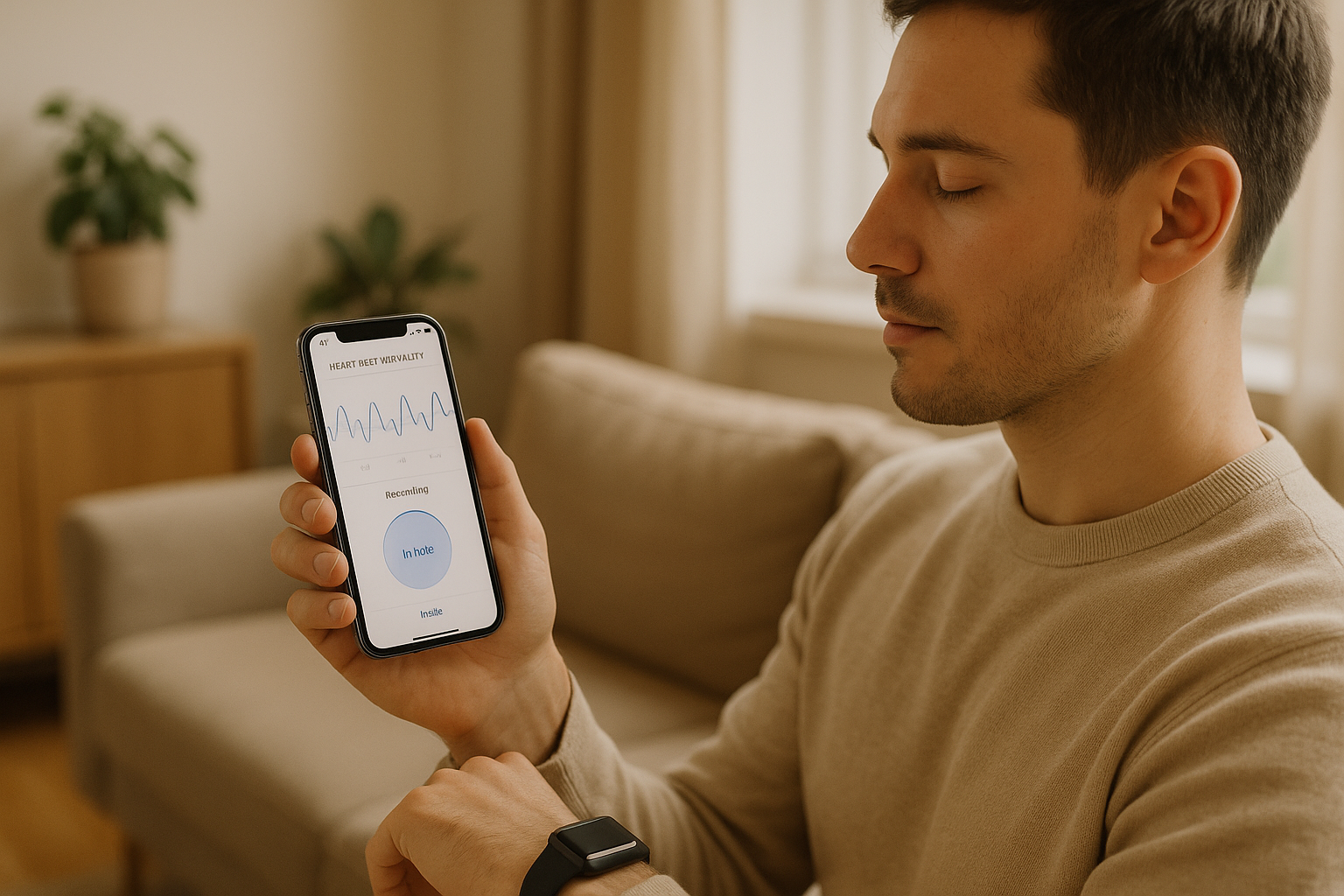
Mobile biofeedback apps are transforming how people manage stress by using real-time data from wearables and smartphones. These tools monitor physiological signals like heart rate variability (HRV), breathing patterns, and skin conductance, offering targeted exercises to help users calm their minds and bodies. Here's what you need to know:

  • How They Work: Apps track stress indicators (e.g., HRV, heart rate) and provide interventions like breathing exercises, mindfulness prompts, or stress alerts.

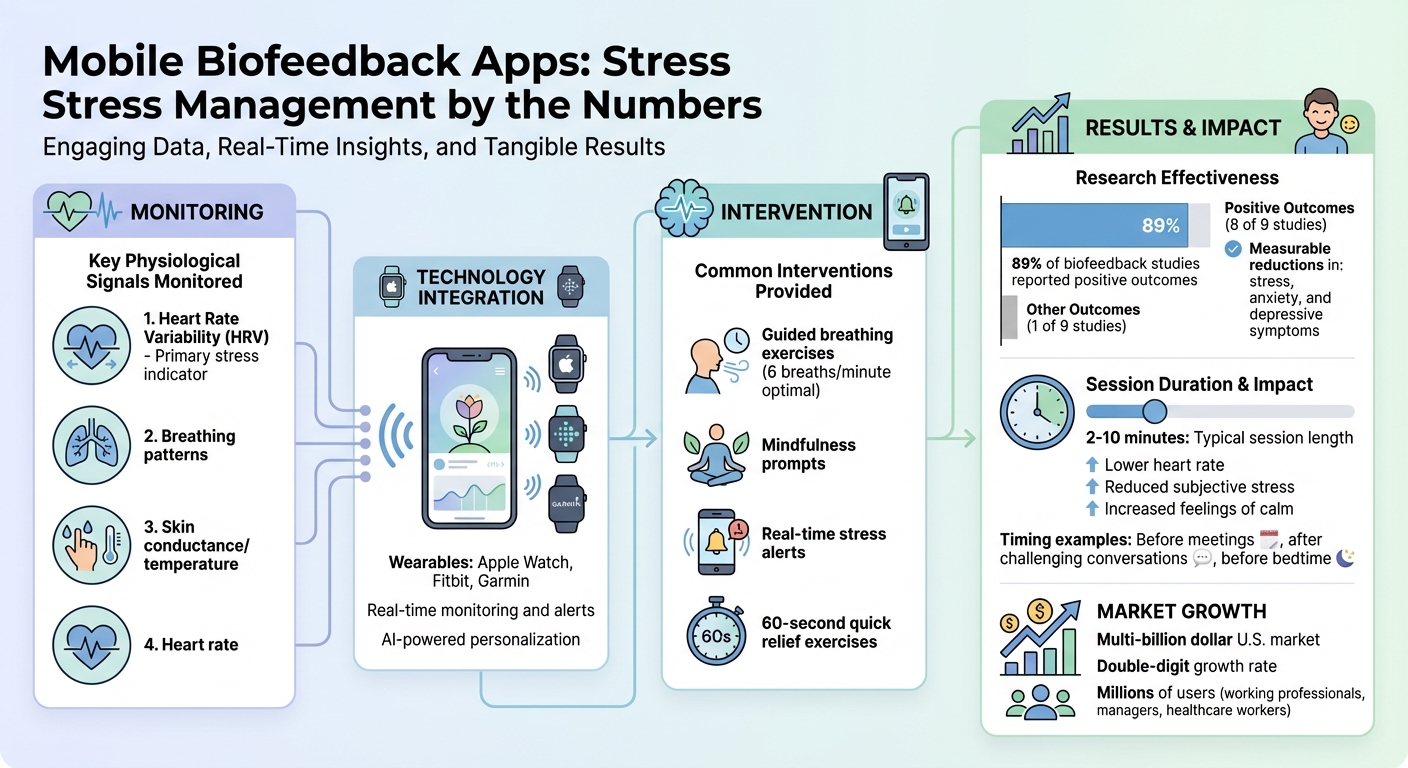
  • Effectiveness: Studies show 89% of biofeedback research reports reduced stress, anxiety, and depressive symptoms. Even short 2–10 minute sessions can improve emotional regulation and lower stress levels.

  • Technology: Wearables like Apple Watch and Fitbit integrate with apps for real-time monitoring, while AI personalizes stress management plans based on user patterns.

  • Trends: The market for stress-management apps is growing quickly, with features like short sessions, neurofeedback, and AI-driven coaching gaining popularity.

  • Privacy: Users should prioritize apps with strong data security and encryption to protect sensitive health information.

These apps are great for daily stress relief but should complement - not replace - professional mental health care. If stress becomes overwhelming, seek help from a licensed provider. For an advanced solution, apps like Healify combine wearable data and AI to deliver personalized strategies for better stress management.
Mobile Biofeedback Apps for Stress Management: Key Statistics and Benefits

Mobile Biofeedback Apps for Stress Management: Key Statistics and Benefits

Research Evidence: Do Mobile Biofeedback Apps Work for Stress?

What the Research Shows

Controlled studies suggest that smartphone-based biofeedback apps can effectively reduce stress and anxiety. A 2025 workplace review, published in the Journal of Medical Internet Research, revealed that 89% of biofeedback studies (8 out of 9) reported positive outcomes. These included measurable reductions in stress, anxiety, and depressive symptoms [11]. Most apps focus on heart rate variability (HRV) and breathing techniques to help users manage their stress responses.

The physiological effects are worth noting. Breathing exercises that incorporate real-time heart rate data have been shown to increase high-frequency HRV, which supports parasympathetic function and builds resilience to stress [7]. For example, participants using the BioBase app with wearable devices achieved higher HRV levels during stress recovery compared to control groups [11]. Similarly, the Spire Health app, which offers real-time respiratory tracking and stress notifications, demonstrated small to medium improvements in stress perception, coping skills, HRV, and cortisol levels [11].

Even brief sessions - lasting just 2 to 10 minutes - can lower heart rate, reduce subjective stress, and promote feelings of calm [4][7]. Users who engage in these short exercises at key moments, such as before meetings, after challenging conversations, or prior to bedtime, often experience immediate relief. Over time, this practice can lead to gradual improvements in baseline stress levels [1][3][4]. Beyond the numbers, research highlights better emotional regulation, including fewer instances of emotional overreaction and an improved ability to recover from stressors after several weeks of app-based biofeedback training [4][7].

However, while these findings are promising, they also come with some important caveats.

Research Limitations to Consider

There are notable limitations in the current research. Many studies involve small sample sizes, short durations (usually a few weeks), and varying app designs, which make it difficult to draw broad or long-term conclusions [2][4][6][7][11]. Apps range from simple tools like Breathe2Relax, which focuses on breathing exercises, to more complex systems requiring EEG hardware for neurofeedback. These target different physiological processes and offer varying levels of guidance, session lengths, and feedback styles [2][4][6].

Additionally, many studies rely heavily on self-reported stress levels rather than objective metrics. They often use convenience samples and fail to adequately control for placebo effects. These factors make it harder to interpret the findings with certainty [6][7].

How Mobile Biofeedback Apps Work: Features and Technology

Body Signals That Apps Monitor

Mobile biofeedback apps track critical physiological signals to assess stress levels in real-time. One of the standout metrics is heart rate variability (HRV), which measures the time variation between heartbeats. HRV serves as a window into the balance between the sympathetic ("fight-or-flight") and parasympathetic ("rest-and-digest") nervous systems. A lower HRV typically signals heightened stress and reduced resilience, while a higher HRV reflects a stronger ability to manage stress effectively [3].

Smartphones and wearables rely on a variety of sensors - like photoplethysmography (PPG), Bluetooth connectivity, motion sensors, and chest monitors - to collect data on HRV, breathing rate, skin temperature, and electrodermal activity (EDA). Some advanced systems even include EEG headbands to monitor brainwave activity, offering insights into mental states like relaxation or distraction. These physiological readings guide the stress-reduction techniques that follow.

Stress Reduction Techniques in Apps

When stress signals are detected, these apps provide targeted interventions to help users regain calm. Common tools include guided breathing exercises, mindfulness prompts, and real-time alerts designed to soothe the nervous system. Many apps use visual aids, such as pacing bars or expanding shapes, and even haptic feedback to guide users through slow, diaphragmatic breathing sessions lasting anywhere from 2 to 10 minutes.

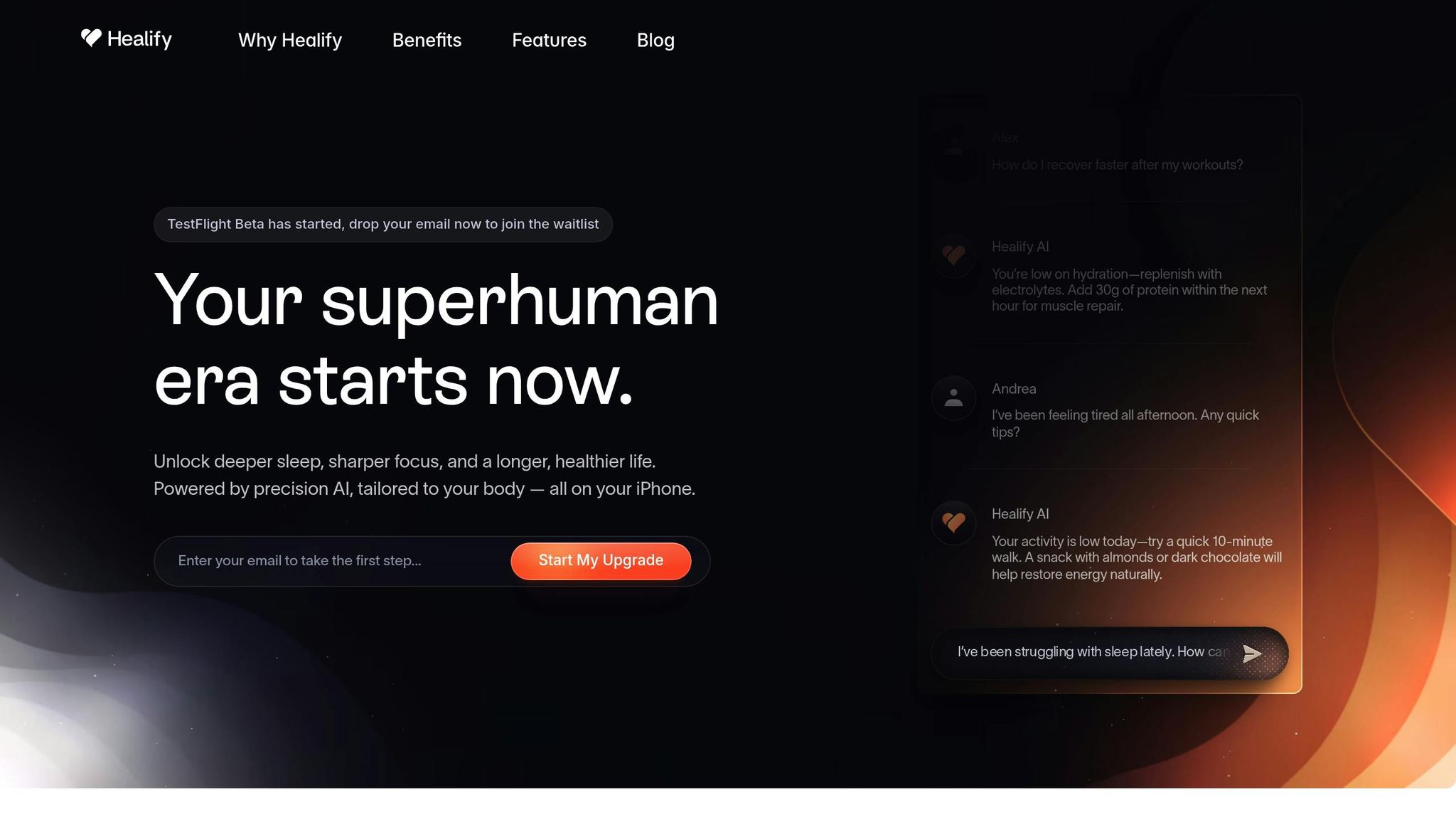
Real-time alerts are another key feature. These notifications are triggered by sudden changes in a user's baseline - like a drop in HRV or a spike in heart rate. For instance, users might receive a prompt to try a quick 60-second breathing exercise, practice grounding techniques (e.g., naming five things they can see), or perform a short mindfulness check-in to prevent stress from escalating. Some AI-driven platforms, such as Healify, go a step further by detecting markers like cortisol peaks and suggesting specific interventions - like taking a 10-minute walk or enjoying a calming snack - to help restore balance.

Additionally, many apps include mindfulness meditations, body-scan exercises, and cognitive behavioral tools to help users shift their perspective on stressful thoughts. Because these resources are app-based, they’re available anytime - whether during a work break, on a commute, or right before a nerve-wracking meeting.

How AI Personalizes Biofeedback

AI takes biofeedback to the next level by tailoring stress management strategies to the individual. By analyzing long-term data - such as HRV, heart rate, sleep patterns, physical activity, self-reported mood, and app usage - AI systems learn a person’s unique stress patterns. This allows the technology to establish personal baselines and pinpoint trends, like afternoon stress spikes or disruptions in sleep.

Over time, AI adapts the user’s stress management plan. For example, if it notices that a 5-minute breathing session before lunch consistently reduces afternoon stress, it will suggest incorporating this as a daily habit and provide reminders. Platforms like Healify push personalization even further by combining wearable data, biometrics, bloodwork, and lifestyle details to create a comprehensive health profile. Their 24/7 AI health coach can detect early warning signs - like declining HRV paired with poor sleep - and recommend specific measures to address stress before it becomes overwhelming [1].

Current Trends in Mobile Biofeedback Apps

Market Growth and User Numbers

The U.S. market for mental health and wellness apps has grown into a multi-billion-dollar industry, expanding at a double-digit pace [3]. Among these, stress- and anxiety-focused apps are gaining the most traction. Within this booming sector, biofeedback-enabled apps - those that use sensors to monitor metrics like heart rate variability (HRV), breathing patterns, or brain activity - are carving out a rapidly growing niche. This growth is fueled by the increasing popularity of smartwatches and consumer EEG headbands [3][5].

Millions of Americans, particularly working professionals, managers, and healthcare workers, now rely on stress-management apps [4][5]. As more of these apps gain clinical validation and become part of employer wellness programs, their adoption is expected to rise even further [3][4].

Wearable Integration and Real-Time Monitoring

Wearable technology is transforming how stress is monitored and managed in real time. Modern biofeedback apps seamlessly connect with popular wearables like Apple Watch, Fitbit, and Garmin devices, capturing continuous data on heart rate, HRV, sleep, and movement patterns [3][5]. These integrations turn everyday devices into tools for stress detection, helping users identify triggers, such as specific meetings, commutes, or late-night screen time. The data is often presented in clear, easy-to-read dashboards [3].

What makes these apps particularly effective is their ability to close the feedback loop. They monitor stress through metrics like HRV and respond instantly by suggesting personalized relaxation techniques or breathing exercises when stress levels spike [3][7]. Some even use vibrational alerts to prompt users to start a quick breathing session when HRV drops [10]. By combining wearable data with smartphone sensors and self-reported check-ins, these apps deliver well-timed interventions that feel intuitive and effective [1][3].

New Developments: Short Sessions and Neurofeedback

The busy schedules of American professionals are driving a shift toward shorter, more accessible stress-management tools. Many apps now offer ultra-brief interventions, such as 2–5 minute breathing exercises, quick grounding techniques, or one-tap relaxation modules that adapt to real-time stress data instead of following a fixed schedule [1][5]. For instance, some apps provide 60-second breathing exercises designed to offer immediate relief, with minimal setup or user effort required [1][5].

Another emerging trend is consumer neurofeedback. Apps that pair with EEG or hemoencephalography (HEG) devices are making it possible to visualize brain activity and use it for relaxation or focus training. These tools translate neural data into simple visual feedback or game-like interfaces, helping users practice self-regulation at home [2][6]. While not a substitute for clinical neurofeedback, these apps are gaining popularity for their ability to support relaxation, anxiety reduction, insomnia management, and focus improvement [2][6]. Many also include progress tracking to show users how their skills improve over time, making them a practical option for self-care [2][6].

Healify: AI-Powered Stress Management
Healify

Healify is taking these trends a step further by combining wearable data with AI to deliver highly personalized stress-management solutions. The app integrates data from devices like Apple Watch - tracking metrics such as heart rate, activity levels, sleep, and HRV - and uses AI-driven coaching to create tailored plans that fit each user's lifestyle. For example, Healify's 24/7 AI coach, Anna, might identify patterns like elevated nighttime heart rate, reduced HRV during busy workdays, or poor sleep following late-night screen use.

Based on these insights, the app provides actionable recommendations, such as introducing earlier wind-down routines, scheduling mid-day breathing exercises, or adjusting caffeine and exercise habits. With round-the-clock support, users can check in whenever stress levels rise and receive immediate, context-specific advice. This approach reflects a broader industry trend toward integrated, whole-person biofeedback solutions, moving beyond standalone meditation tools [3]. By combining mental and physical health metrics into one intuitive interface, Healify empowers users to turn complex data into clear, achievable steps for managing stress in real time.

Using Biofeedback Apps Effectively: A Guide for U.S. Users

Tips for Getting the Most from Biofeedback Apps

Consistency matters more than session length. Research suggests that short, frequent sessions - around 5 to 15 minutes - are more effective than occasional, longer ones. Many apps now include quick 2- to 5-minute breathing exercises designed for busy schedules, focusing on heart rate variability techniques [8]. Try to incorporate these sessions into your daily routine, such as during a lunch break, before work, or at bedtime. Setting reminders can help make this a habit, reinforcing the benefits of real-time interventions discussed earlier.

Combine biofeedback with other practices to amplify its effectiveness. For instance, pair heart rate tracking with diaphragmatic breathing to help reduce fight-or-flight responses [1]. For beginners, guided sessions are a great starting point - they explain optimal breathing rates (typically about six breaths per minute) and provide visual aids, like pulsing circles, to guide your pace [8]. Adding mindfulness exercises or light movement can also enhance results [1].

Monitor your progress and adapt as needed. Many apps include mood and symptom tracking features, allowing you to see how factors like stress, sleep, caffeine, or work schedules affect your biofeedback data. Wearables with real-time alerts can notify you when your heart rate variability drops or stress levels rise, prompting a quick breathing break [10]. While improvements often take a few weeks of consistent use, some users initially report increased stress due to usability issues or inconsistent access. Choosing an app that integrates smoothly into your routine can make all the difference [8].

Privacy and Data Security

As you use biofeedback apps, it’s important to safeguard your personal health data. These apps collect sensitive information - like heart rate variability, brain activity, sleep patterns, and stress markers - that could be exploited if not properly protected [2]. Take the time to review the app’s privacy policy to understand how your data is collected, stored, and shared. Look for apps that emphasize encryption and limit third-party data sharing [9].

Choose apps with strong privacy features and clear consent options. The best apps allow you to export or delete your data and use secure login methods like biometrics or strong passwords [9]. Some apps even offer offline functionality or optional human coaching with controlled data sharing [1]. If your app connects to a U.S. healthcare provider, ensure it complies with HIPAA standards, which are designed to protect health information.

When to See a Mental Health Professional

Biofeedback apps are great for managing everyday stress, but they’re not a replacement for professional mental health care. While these tools provide real-time heart rate feedback and evidence-based coping strategies, they’re meant to complement - not substitute - therapy, medication, or medical treatment [3]. If you’re dealing with persistent anxiety, suicidal thoughts, severe mood swings, or chronic symptoms that don’t improve with regular app use, it’s time to seek professional help [1]. Similarly, if your app data shows no improvement in stress levels over several weeks, consulting a mental health provider is a good next step [1].

These apps work well for quick stress resets - like calming exercises before a big meeting or tracking heart rate variability during a hectic day - but they can’t address deeper issues on their own. If stress or anxiety begins to interfere with your work, relationships, or self-care, reaching out to a mental health professional is essential [1]. Some apps offer therapist-supported features as a bridge to clinical care, and many U.S. insurance plans now cover telehealth mental health services [1]. Sharing app-generated reports, such as stress or sleep trends, with your doctor or therapist can also provide valuable insights for your treatment plan [9].

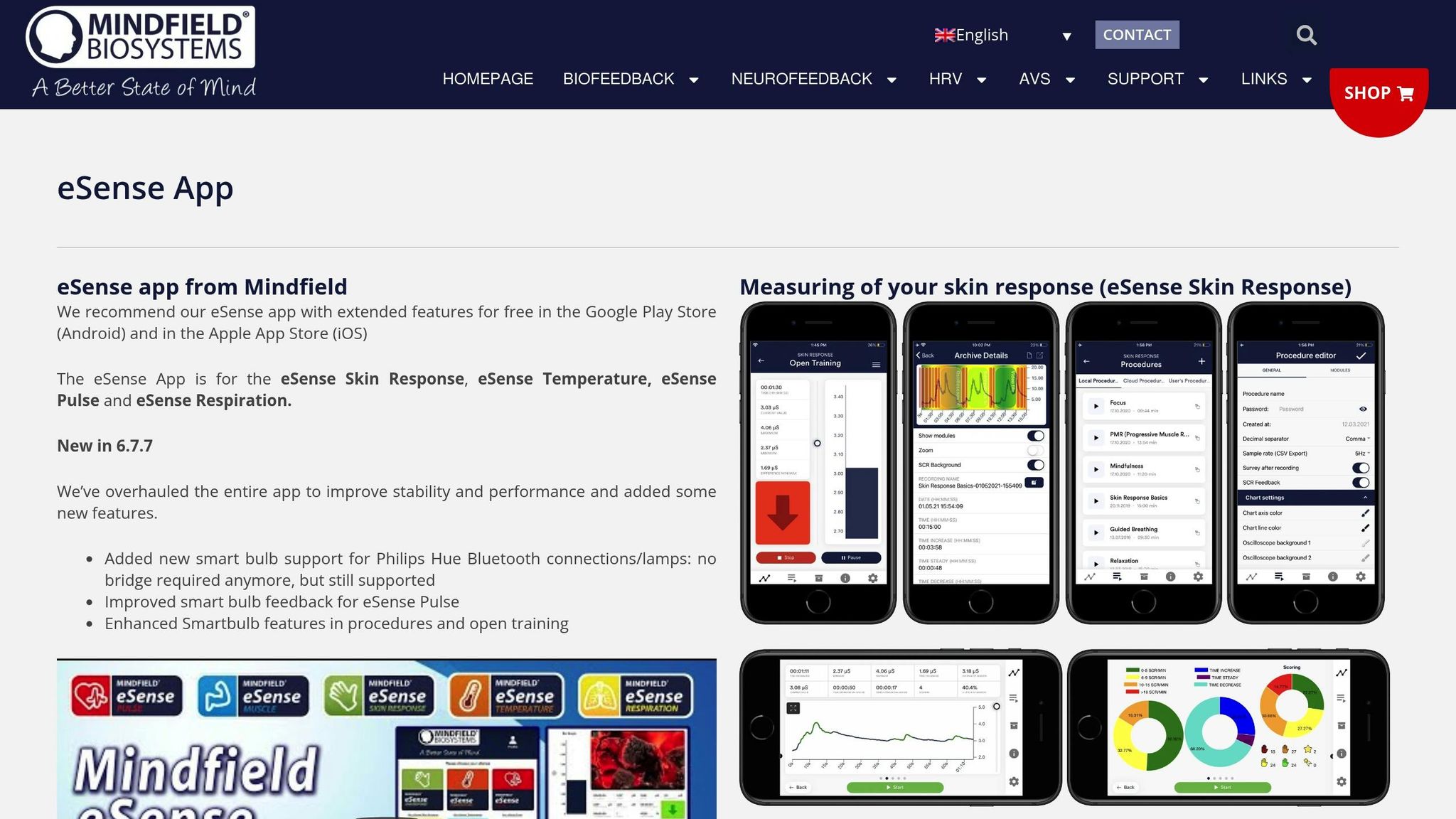
Explaining the Mindfield eSense mobile App for Biofeedback (iOS and Android) with eSense Sensors
Mindfield eSense

Conclusion: Using Biofeedback Apps for Better Stress Management

Biofeedback apps have made stress management more accessible by turning your smartphone into a real-time monitoring tool. These apps track body signals like heart rate variability and breathing patterns, offering interventions such as guided breathing exercises and AI-generated tips to help stop stress from spiraling out of control. Research highlights that apps with heart rate biofeedback can quickly reduce fight-or-flight responses, while neurofeedback features enhance home-based stress training. Studies consistently show that these tools contribute to better mental health, proving their value in everyday stress relief.

The latest advancements are making biofeedback even more effective. Wearable devices now work hand-in-hand with these apps, tracking stress markers continuously and prompting timely breathing exercises. AI-driven personalization tailors advice to your specific patterns, and short, focused sessions fit easily into even the busiest schedules. These innovations simplify complex health data, turning it into easy-to-follow steps that can seamlessly integrate into your daily life.

To get the most out of these apps, consistency is key. Even just 2 to 5 minutes a day can be more impactful than occasional longer sessions. Combine biofeedback with healthy habits like regular exercise and good sleep, and make sure to choose apps that prioritize your data privacy with strong security measures. Keep in mind, while these tools are great for managing day-to-day stress, they’re not a substitute for professional care. If stress becomes overwhelming or starts to interfere with your life, don’t hesitate to reach out to a mental health professional.

For those looking for an all-in-one solution, Healify offers a standout option. With its AI coach Anna available 24/7, wearable integration, and personalized stress plans, Healify turns your health data into practical steps for better stress management. If you’re an iPhone user searching for a comprehensive, data-driven approach to stress relief, Healify can help you take charge of your well-being and build healthier habits every day.

FAQs

How do mobile biofeedback apps use AI to help manage stress?

Mobile biofeedback apps leverage AI to process real-time data from your body, such as heart rate variability and stress indicators. By analyzing this data, these apps offer personalized suggestions to help you manage stress more effectively.

For instance, they might recommend specific relaxation exercises, tweaks to your daily habits, or strategies to enhance your sleep quality. These tailored insights give you practical tools to improve your mental well-being, all designed to address your individual needs.

What privacy risks should I be aware of when using biofeedback apps?

Biofeedback apps gather a range of sensitive health data, including biometrics and details about your lifestyle. While these tools can be incredibly useful, they also come with privacy risks. Issues like unauthorized access, data breaches, or improper use of your personal information can arise if the data isn't securely handled.

To safeguard your privacy, look for apps that emphasize robust security practices, adhere to applicable privacy regulations, and clearly explain how they collect, use, and store your data. Transparency and compliance are key to ensuring your information stays protected.

Can mobile biofeedback apps take the place of traditional mental health care?

Mobile biofeedback apps can be incredibly helpful for managing stress and anxiety. They provide real-time insights and tailored advice based on your personal data, which can help you understand your patterns and make healthier lifestyle choices. However, it’s important to remember that these apps work best as a complement to traditional mental health care - not as a substitute.

While they offer valuable tools for self-awareness and proactive changes, they don’t replace the expertise and depth of support that licensed mental health professionals provide. For a more well-rounded approach to your mental health, pairing these apps with professional guidance can lead to better results and a more balanced sense of well-being.

Related Blog Posts

Mobile biofeedback apps are transforming how people manage stress by using real-time data from wearables and smartphones. These tools monitor physiological signals like heart rate variability (HRV), breathing patterns, and skin conductance, offering targeted exercises to help users calm their minds and bodies. Here's what you need to know:

  • How They Work: Apps track stress indicators (e.g., HRV, heart rate) and provide interventions like breathing exercises, mindfulness prompts, or stress alerts.

  • Effectiveness: Studies show 89% of biofeedback research reports reduced stress, anxiety, and depressive symptoms. Even short 2–10 minute sessions can improve emotional regulation and lower stress levels.

  • Technology: Wearables like Apple Watch and Fitbit integrate with apps for real-time monitoring, while AI personalizes stress management plans based on user patterns.

  • Trends: The market for stress-management apps is growing quickly, with features like short sessions, neurofeedback, and AI-driven coaching gaining popularity.

  • Privacy: Users should prioritize apps with strong data security and encryption to protect sensitive health information.

These apps are great for daily stress relief but should complement - not replace - professional mental health care. If stress becomes overwhelming, seek help from a licensed provider. For an advanced solution, apps like Healify combine wearable data and AI to deliver personalized strategies for better stress management.

Mobile Biofeedback Apps for Stress Management: Key Statistics and Benefits

Mobile Biofeedback Apps for Stress Management: Key Statistics and Benefits

Research Evidence: Do Mobile Biofeedback Apps Work for Stress?

What the Research Shows

Controlled studies suggest that smartphone-based biofeedback apps can effectively reduce stress and anxiety. A 2025 workplace review, published in the Journal of Medical Internet Research, revealed that 89% of biofeedback studies (8 out of 9) reported positive outcomes. These included measurable reductions in stress, anxiety, and depressive symptoms [11]. Most apps focus on heart rate variability (HRV) and breathing techniques to help users manage their stress responses.

The physiological effects are worth noting. Breathing exercises that incorporate real-time heart rate data have been shown to increase high-frequency HRV, which supports parasympathetic function and builds resilience to stress [7]. For example, participants using the BioBase app with wearable devices achieved higher HRV levels during stress recovery compared to control groups [11]. Similarly, the Spire Health app, which offers real-time respiratory tracking and stress notifications, demonstrated small to medium improvements in stress perception, coping skills, HRV, and cortisol levels [11].

Even brief sessions - lasting just 2 to 10 minutes - can lower heart rate, reduce subjective stress, and promote feelings of calm [4][7]. Users who engage in these short exercises at key moments, such as before meetings, after challenging conversations, or prior to bedtime, often experience immediate relief. Over time, this practice can lead to gradual improvements in baseline stress levels [1][3][4]. Beyond the numbers, research highlights better emotional regulation, including fewer instances of emotional overreaction and an improved ability to recover from stressors after several weeks of app-based biofeedback training [4][7].

However, while these findings are promising, they also come with some important caveats.

Research Limitations to Consider

There are notable limitations in the current research. Many studies involve small sample sizes, short durations (usually a few weeks), and varying app designs, which make it difficult to draw broad or long-term conclusions [2][4][6][7][11]. Apps range from simple tools like Breathe2Relax, which focuses on breathing exercises, to more complex systems requiring EEG hardware for neurofeedback. These target different physiological processes and offer varying levels of guidance, session lengths, and feedback styles [2][4][6].

Additionally, many studies rely heavily on self-reported stress levels rather than objective metrics. They often use convenience samples and fail to adequately control for placebo effects. These factors make it harder to interpret the findings with certainty [6][7].

How Mobile Biofeedback Apps Work: Features and Technology

Body Signals That Apps Monitor

Mobile biofeedback apps track critical physiological signals to assess stress levels in real-time. One of the standout metrics is heart rate variability (HRV), which measures the time variation between heartbeats. HRV serves as a window into the balance between the sympathetic ("fight-or-flight") and parasympathetic ("rest-and-digest") nervous systems. A lower HRV typically signals heightened stress and reduced resilience, while a higher HRV reflects a stronger ability to manage stress effectively [3].

Smartphones and wearables rely on a variety of sensors - like photoplethysmography (PPG), Bluetooth connectivity, motion sensors, and chest monitors - to collect data on HRV, breathing rate, skin temperature, and electrodermal activity (EDA). Some advanced systems even include EEG headbands to monitor brainwave activity, offering insights into mental states like relaxation or distraction. These physiological readings guide the stress-reduction techniques that follow.

Stress Reduction Techniques in Apps

When stress signals are detected, these apps provide targeted interventions to help users regain calm. Common tools include guided breathing exercises, mindfulness prompts, and real-time alerts designed to soothe the nervous system. Many apps use visual aids, such as pacing bars or expanding shapes, and even haptic feedback to guide users through slow, diaphragmatic breathing sessions lasting anywhere from 2 to 10 minutes.

Real-time alerts are another key feature. These notifications are triggered by sudden changes in a user's baseline - like a drop in HRV or a spike in heart rate. For instance, users might receive a prompt to try a quick 60-second breathing exercise, practice grounding techniques (e.g., naming five things they can see), or perform a short mindfulness check-in to prevent stress from escalating. Some AI-driven platforms, such as Healify, go a step further by detecting markers like cortisol peaks and suggesting specific interventions - like taking a 10-minute walk or enjoying a calming snack - to help restore balance.

Additionally, many apps include mindfulness meditations, body-scan exercises, and cognitive behavioral tools to help users shift their perspective on stressful thoughts. Because these resources are app-based, they’re available anytime - whether during a work break, on a commute, or right before a nerve-wracking meeting.

How AI Personalizes Biofeedback

AI takes biofeedback to the next level by tailoring stress management strategies to the individual. By analyzing long-term data - such as HRV, heart rate, sleep patterns, physical activity, self-reported mood, and app usage - AI systems learn a person’s unique stress patterns. This allows the technology to establish personal baselines and pinpoint trends, like afternoon stress spikes or disruptions in sleep.

Over time, AI adapts the user’s stress management plan. For example, if it notices that a 5-minute breathing session before lunch consistently reduces afternoon stress, it will suggest incorporating this as a daily habit and provide reminders. Platforms like Healify push personalization even further by combining wearable data, biometrics, bloodwork, and lifestyle details to create a comprehensive health profile. Their 24/7 AI health coach can detect early warning signs - like declining HRV paired with poor sleep - and recommend specific measures to address stress before it becomes overwhelming [1].

Current Trends in Mobile Biofeedback Apps

Market Growth and User Numbers

The U.S. market for mental health and wellness apps has grown into a multi-billion-dollar industry, expanding at a double-digit pace [3]. Among these, stress- and anxiety-focused apps are gaining the most traction. Within this booming sector, biofeedback-enabled apps - those that use sensors to monitor metrics like heart rate variability (HRV), breathing patterns, or brain activity - are carving out a rapidly growing niche. This growth is fueled by the increasing popularity of smartwatches and consumer EEG headbands [3][5].

Millions of Americans, particularly working professionals, managers, and healthcare workers, now rely on stress-management apps [4][5]. As more of these apps gain clinical validation and become part of employer wellness programs, their adoption is expected to rise even further [3][4].

Wearable Integration and Real-Time Monitoring

Wearable technology is transforming how stress is monitored and managed in real time. Modern biofeedback apps seamlessly connect with popular wearables like Apple Watch, Fitbit, and Garmin devices, capturing continuous data on heart rate, HRV, sleep, and movement patterns [3][5]. These integrations turn everyday devices into tools for stress detection, helping users identify triggers, such as specific meetings, commutes, or late-night screen time. The data is often presented in clear, easy-to-read dashboards [3].

What makes these apps particularly effective is their ability to close the feedback loop. They monitor stress through metrics like HRV and respond instantly by suggesting personalized relaxation techniques or breathing exercises when stress levels spike [3][7]. Some even use vibrational alerts to prompt users to start a quick breathing session when HRV drops [10]. By combining wearable data with smartphone sensors and self-reported check-ins, these apps deliver well-timed interventions that feel intuitive and effective [1][3].

New Developments: Short Sessions and Neurofeedback

The busy schedules of American professionals are driving a shift toward shorter, more accessible stress-management tools. Many apps now offer ultra-brief interventions, such as 2–5 minute breathing exercises, quick grounding techniques, or one-tap relaxation modules that adapt to real-time stress data instead of following a fixed schedule [1][5]. For instance, some apps provide 60-second breathing exercises designed to offer immediate relief, with minimal setup or user effort required [1][5].

Another emerging trend is consumer neurofeedback. Apps that pair with EEG or hemoencephalography (HEG) devices are making it possible to visualize brain activity and use it for relaxation or focus training. These tools translate neural data into simple visual feedback or game-like interfaces, helping users practice self-regulation at home [2][6]. While not a substitute for clinical neurofeedback, these apps are gaining popularity for their ability to support relaxation, anxiety reduction, insomnia management, and focus improvement [2][6]. Many also include progress tracking to show users how their skills improve over time, making them a practical option for self-care [2][6].

Healify: AI-Powered Stress Management

Healify

Healify is taking these trends a step further by combining wearable data with AI to deliver highly personalized stress-management solutions. The app integrates data from devices like Apple Watch - tracking metrics such as heart rate, activity levels, sleep, and HRV - and uses AI-driven coaching to create tailored plans that fit each user's lifestyle. For example, Healify's 24/7 AI coach, Anna, might identify patterns like elevated nighttime heart rate, reduced HRV during busy workdays, or poor sleep following late-night screen use.

Based on these insights, the app provides actionable recommendations, such as introducing earlier wind-down routines, scheduling mid-day breathing exercises, or adjusting caffeine and exercise habits. With round-the-clock support, users can check in whenever stress levels rise and receive immediate, context-specific advice. This approach reflects a broader industry trend toward integrated, whole-person biofeedback solutions, moving beyond standalone meditation tools [3]. By combining mental and physical health metrics into one intuitive interface, Healify empowers users to turn complex data into clear, achievable steps for managing stress in real time.

Using Biofeedback Apps Effectively: A Guide for U.S. Users

Tips for Getting the Most from Biofeedback Apps

Consistency matters more than session length. Research suggests that short, frequent sessions - around 5 to 15 minutes - are more effective than occasional, longer ones. Many apps now include quick 2- to 5-minute breathing exercises designed for busy schedules, focusing on heart rate variability techniques [8]. Try to incorporate these sessions into your daily routine, such as during a lunch break, before work, or at bedtime. Setting reminders can help make this a habit, reinforcing the benefits of real-time interventions discussed earlier.

Combine biofeedback with other practices to amplify its effectiveness. For instance, pair heart rate tracking with diaphragmatic breathing to help reduce fight-or-flight responses [1]. For beginners, guided sessions are a great starting point - they explain optimal breathing rates (typically about six breaths per minute) and provide visual aids, like pulsing circles, to guide your pace [8]. Adding mindfulness exercises or light movement can also enhance results [1].

Monitor your progress and adapt as needed. Many apps include mood and symptom tracking features, allowing you to see how factors like stress, sleep, caffeine, or work schedules affect your biofeedback data. Wearables with real-time alerts can notify you when your heart rate variability drops or stress levels rise, prompting a quick breathing break [10]. While improvements often take a few weeks of consistent use, some users initially report increased stress due to usability issues or inconsistent access. Choosing an app that integrates smoothly into your routine can make all the difference [8].

Privacy and Data Security

As you use biofeedback apps, it’s important to safeguard your personal health data. These apps collect sensitive information - like heart rate variability, brain activity, sleep patterns, and stress markers - that could be exploited if not properly protected [2]. Take the time to review the app’s privacy policy to understand how your data is collected, stored, and shared. Look for apps that emphasize encryption and limit third-party data sharing [9].

Choose apps with strong privacy features and clear consent options. The best apps allow you to export or delete your data and use secure login methods like biometrics or strong passwords [9]. Some apps even offer offline functionality or optional human coaching with controlled data sharing [1]. If your app connects to a U.S. healthcare provider, ensure it complies with HIPAA standards, which are designed to protect health information.

When to See a Mental Health Professional

Biofeedback apps are great for managing everyday stress, but they’re not a replacement for professional mental health care. While these tools provide real-time heart rate feedback and evidence-based coping strategies, they’re meant to complement - not substitute - therapy, medication, or medical treatment [3]. If you’re dealing with persistent anxiety, suicidal thoughts, severe mood swings, or chronic symptoms that don’t improve with regular app use, it’s time to seek professional help [1]. Similarly, if your app data shows no improvement in stress levels over several weeks, consulting a mental health provider is a good next step [1].

These apps work well for quick stress resets - like calming exercises before a big meeting or tracking heart rate variability during a hectic day - but they can’t address deeper issues on their own. If stress or anxiety begins to interfere with your work, relationships, or self-care, reaching out to a mental health professional is essential [1]. Some apps offer therapist-supported features as a bridge to clinical care, and many U.S. insurance plans now cover telehealth mental health services [1]. Sharing app-generated reports, such as stress or sleep trends, with your doctor or therapist can also provide valuable insights for your treatment plan [9].

Explaining the Mindfield eSense mobile App for Biofeedback (iOS and Android) with eSense Sensors

Mindfield eSense

Conclusion: Using Biofeedback Apps for Better Stress Management

Biofeedback apps have made stress management more accessible by turning your smartphone into a real-time monitoring tool. These apps track body signals like heart rate variability and breathing patterns, offering interventions such as guided breathing exercises and AI-generated tips to help stop stress from spiraling out of control. Research highlights that apps with heart rate biofeedback can quickly reduce fight-or-flight responses, while neurofeedback features enhance home-based stress training. Studies consistently show that these tools contribute to better mental health, proving their value in everyday stress relief.

The latest advancements are making biofeedback even more effective. Wearable devices now work hand-in-hand with these apps, tracking stress markers continuously and prompting timely breathing exercises. AI-driven personalization tailors advice to your specific patterns, and short, focused sessions fit easily into even the busiest schedules. These innovations simplify complex health data, turning it into easy-to-follow steps that can seamlessly integrate into your daily life.

To get the most out of these apps, consistency is key. Even just 2 to 5 minutes a day can be more impactful than occasional longer sessions. Combine biofeedback with healthy habits like regular exercise and good sleep, and make sure to choose apps that prioritize your data privacy with strong security measures. Keep in mind, while these tools are great for managing day-to-day stress, they’re not a substitute for professional care. If stress becomes overwhelming or starts to interfere with your life, don’t hesitate to reach out to a mental health professional.

For those looking for an all-in-one solution, Healify offers a standout option. With its AI coach Anna available 24/7, wearable integration, and personalized stress plans, Healify turns your health data into practical steps for better stress management. If you’re an iPhone user searching for a comprehensive, data-driven approach to stress relief, Healify can help you take charge of your well-being and build healthier habits every day.

FAQs

How do mobile biofeedback apps use AI to help manage stress?

Mobile biofeedback apps leverage AI to process real-time data from your body, such as heart rate variability and stress indicators. By analyzing this data, these apps offer personalized suggestions to help you manage stress more effectively.

For instance, they might recommend specific relaxation exercises, tweaks to your daily habits, or strategies to enhance your sleep quality. These tailored insights give you practical tools to improve your mental well-being, all designed to address your individual needs.

What privacy risks should I be aware of when using biofeedback apps?

Biofeedback apps gather a range of sensitive health data, including biometrics and details about your lifestyle. While these tools can be incredibly useful, they also come with privacy risks. Issues like unauthorized access, data breaches, or improper use of your personal information can arise if the data isn't securely handled.

To safeguard your privacy, look for apps that emphasize robust security practices, adhere to applicable privacy regulations, and clearly explain how they collect, use, and store your data. Transparency and compliance are key to ensuring your information stays protected.

Can mobile biofeedback apps take the place of traditional mental health care?

Mobile biofeedback apps can be incredibly helpful for managing stress and anxiety. They provide real-time insights and tailored advice based on your personal data, which can help you understand your patterns and make healthier lifestyle choices. However, it’s important to remember that these apps work best as a complement to traditional mental health care - not as a substitute.

While they offer valuable tools for self-awareness and proactive changes, they don’t replace the expertise and depth of support that licensed mental health professionals provide. For a more well-rounded approach to your mental health, pairing these apps with professional guidance can lead to better results and a more balanced sense of well-being.

Related Blog Posts

Finally take control of your health

Finally take control of your health

Finally take control of your health

© 2025 Healify Limited

Terms

Cookies

Compliance

English
© 2025 Healify Limited

Terms

Cookies

Compliance

© 2025 Healify Limited

Terms

Cookies

Compliance